Source Eight-Strand Polyester Rescue Tool Lanyard for Marine, Industrial, and Emergency Uses
Compare 24 verified options for the Eight-Strand Polyester Rescue Tool Lanyard, featuring varying strengths, lengths, and certifications like EN354. Buyers can evaluate specifications including breaking strength, material composition, and packaging to find suitable industrial or marine applications.
Key considerations
Products List


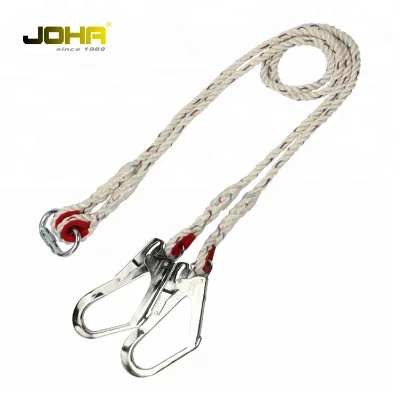
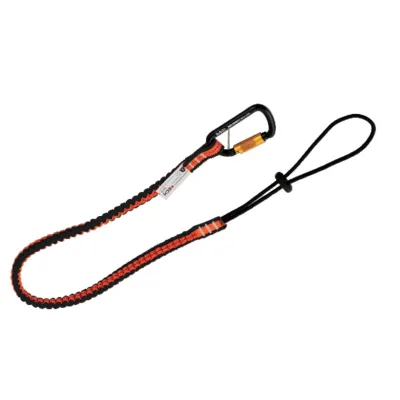
Comprehensive Sourcing Guide
Strategic Sourcing Guide for Eight-Strand Polyester Rescue Tool Lanyards
Understanding the Technical Architecture of Eight-Strand Rope Systems
When sourcing an eight-strand polyester rescue tool lanyard, the primary focus must be on the structural integrity and material composition that define its performance under load. The core material specification for this category is polyester, which offers a distinct advantage over nylon in terms of dimensional stability and resistance to environmental degradation. While the supplied data notes that nylon ropes possess good acid resistance, the eight-strand polyester variant is specifically characterized in the market as "sturdy and durable." This attribute is critical for rescue applications where the lanyard must maintain its shape and strength after repeated use and exposure to harsh conditions.
The construction of an eight-strand rope differs significantly from the more common three-strand or two-point fixed mode configurations observed in general safety ropes. The eight-strand braid provides a larger surface area for load distribution, which often results in a smoother handling experience and reduced friction when passing through carabiners or descenders. In the context of the provided product facts, the "Eight-Strand Polyester Rope" is explicitly linked to the "Sturdy and Durable" attribute. Buyers must verify that the specific lanyard they are procuring adheres to this eight-strand construction rather than a generic twisted or braided alternative, as the mechanical properties of the braid directly influence the breaking strength and elongation characteristics.
Furthermore, the technical specifications for these lanyards often include precise diameter requirements. While the general product data mentions rope diameters ranging from 6mm to 50mm for three-strand and eight-strand variants, a rescue tool lanyard typically requires a specific diameter to ensure compatibility with standard rescue hardware. A diameter of 14mm is observed in the dataset, which serves as a reference point for heavy-duty applications. However, the exact diameter for a specific rescue tool lanyard must be confirmed against the manufacturer's technical sheet, as the load-bearing capacity is intrinsically linked to the cross-sectional area of the rope. The material's resistance to abrasion is another key technical factor; the "Wear-Resistant" attribute noted for marine ropes suggests that high-quality polyester constructions are designed to withstand the friction inherent in rescue operations where ropes slide over edges or rough surfaces.
Compliance Verification and Certification Standards
In the realm of rescue equipment, compliance is not merely a regulatory formality but a fundamental safety requirement. The sourcing guide emphasizes the need to verify that the eight-strand polyester lanyard meets recognized international safety standards. The supplied product facts highlight several critical certifications and standards that serve as benchmarks for quality assurance. Specifically, the data indicates that certain safety belts and ropes are required to "Meet EN354" and "Meet EN355." These European standards are pivotal for personal protective equipment (PPE) used in fall arrest and rescue scenarios. EN354 typically covers lanyards with energy absorbers, while EN355 addresses dynamic lanyards, both of which are relevant depending on the specific rescue application.
Buyers must rigorously check for the presence of CE marking, which is listed as a high-confidence certification in the dataset. The CE mark indicates conformity with health, safety, and environmental protection standards for products sold within the European Economic Area. Additionally, ISO certification is frequently cited as a prerequisite for manufacturers, ensuring that the production process adheres to international quality management systems. The dataset also mentions "ENENColor:Yellow" and "Yellow" as attributes, which may imply that color coding is part of the compliance or identification strategy, though the primary focus should remain on the structural standards.
It is crucial to distinguish between general safety certifications and specific rescue standards. While some products in the dataset mention "Meet EN354," others reference "Meet EN355 and EN354." This suggests that a single product line may offer variations or that different models are certified for different use cases. When sourcing an eight-strand polyester rescue tool lanyard, the buyer must ensure that the specific model, such as those with model numbers like YL-E519 or YL-L617, carries the appropriate certification for the intended rescue environment. The absence of a specific standard in the product description should not be assumed to mean non-compliance; rather, it necessitates a direct inquiry to the supplier to confirm the test results and the validity of the certification documents.
Cost Drivers and Economic Factors in Procurement
The pricing of eight-strand polyester rescue tool lanyards is influenced by a complex interplay of material costs, manufacturing complexity, and compliance requirements. The observed price range in the market spans from $0.04 to $20.00 USD, a wide variance that reflects the diversity of product types, from simple lanyards to complex, certified rescue systems. The lower end of this spectrum likely corresponds to basic utility lanyards or those with minimal certification, while the higher end encompasses fully certified, high-strength rescue equipment with specialized features.
Several key factors drive the cost of these products. First, the material quality is a primary determinant. High-grade polyester, which is resistant to UV degradation and chemical exposure, commands a higher price than standard synthetic fibers. The "Sturdy and Durable" nature of the eight-strand construction implies a more labor-intensive weaving process, which increases production costs compared to simpler rope types. Second, the certification process adds significant value and cost. Obtaining and maintaining CE, ISO, and EN354/EN355 certifications requires rigorous testing, documentation, and regular audits, all of which are factored into the final price.
The Minimum Order Quantity (MOQ) also plays a substantial role in the economic equation. The dataset shows an MOQ range from 50 to 5,000 units. Suppliers with higher MOQs may offer lower per-unit costs due to economies of scale, but they require a larger upfront capital investment from the buyer. Conversely, suppliers with lower MOQs, such as 50 units, provide flexibility for smaller procurement needs but often at a higher unit price. The payment terms, such as "Tt" (Telegraphic Transfer), and the lead time, which can be around 20 days, also impact the overall cost of ownership. Buyers must balance the unit price against the total cost of inventory, including storage and potential obsolescence, when making procurement decisions.
Typical Applications and Operational Contexts
The eight-strand polyester rescue tool lanyard is designed for specialized applications where reliability and strength are paramount. The "Strong Pulling Force" attribute associated with anchor ropes in the dataset suggests that these lanyards are suitable for heavy-duty rescue operations, such as confined space entry, high-angle rescue, and industrial fall arrest. The "Sturdy and Durable" nature of the eight-strand construction makes it ideal for environments where the lanyard is subjected to frequent abrasion, tension, and dynamic loading.
In addition to rescue operations, these lanyards may be used in marine environments, given the "Wear-Resistant" attribute noted for marine ropes. The polyester material's resistance to water absorption and rotting makes it a preferred choice for maritime rescue scenarios where nylon might degrade over time. The "Good Acid Resistance" of nylon ropes, while not directly applicable to polyester, highlights the importance of material selection based on the chemical environment. In industrial settings, the lanyard may be used to secure tools, preventing them from falling and causing injury or damage, a function supported by the "Bottle Lanyard, Card Lanyard" usage categories observed in the dataset, though the rescue variant would be significantly more robust.
The specific model numbers, such as BR230087 or BR230082, may indicate variations in length, strength, or attachment mechanisms. For instance, the dataset mentions lengths ranging from 0.5m to 2m, including hooks. This variability allows for customization based on the specific rescue scenario. A shorter lanyard might be used for tool tethering in tight spaces, while a longer lanyard could be necessary for positioning in high-altitude work. The "Customization Available" attribute is particularly relevant here, allowing buyers to tailor the lanyard's length, color, and attachment points to meet the unique requirements of their rescue teams or industrial sites.
Supplier Evaluation and Quality Assurance Protocols
Selecting the right supplier for eight-strand polyester rescue tool lanyards requires a thorough evaluation of their capabilities, quality control systems, and track record. The dataset indicates that suppliers are located in regions such as Shandong and Zhejiang, China, which are known manufacturing hubs for textile and safety equipment. However, the geographic location alone is not a sufficient indicator of quality. Buyers should prioritize suppliers who can provide verifiable documentation of their certifications, including CE, ISO, and EN354/EN355 compliance.
Quality control should be a central component of the supplier evaluation process. Buyers must inquire about the manufacturer's internal testing procedures, including tensile strength tests, abrasion resistance tests, and UV stability assessments. The "Breaking Strength" of 30kN and "Strength" of ≥23kN mentioned in the dataset serve as examples of the performance metrics that should be verified. It is essential to request third-party test reports to confirm that the products meet the claimed specifications. Additionally, the "High-Quality Packaging Options Include Woven Bags" and "Non-Woven Bags Packing" suggest that the supplier pays attention to product protection during transit, which is a proxy for their overall attention to detail.
The "Customization Available" attribute indicates that suppliers should be flexible in meeting specific buyer requirements. Buyers should assess the supplier's ability to handle custom orders, including changes in rope diameter, color, and attachment hardware. The "Pattern: LOGO" and "Technics: Printed" attributes suggest that branding is a common customization option, which can be useful for corporate identification or team differentiation. However, the buyer must ensure that any customizations do not compromise the structural integrity or certification status of the lanyard.
Long-Term Procurement Considerations and Lifecycle Management
Procuring eight-strand polyester rescue tool lanyards is not a one-time transaction but part of a long-term lifecycle management strategy. The "Delivery: 20" lead time mentioned in the dataset indicates that buyers should plan their inventory orders well in advance to avoid supply chain disruptions. Given the critical nature of rescue equipment, maintaining a buffer stock of certified lanyards is essential to ensure readiness in emergency situations.
Regular inspection and replacement schedules are vital for maintaining the safety and reliability of the lanyards. Even with the "Sturdy and Durable" attributes, all rescue equipment is subject to wear and tear. Buyers should establish a protocol for periodic inspections to check for signs of abrasion, fraying, or chemical damage. The "Color: White," "Color: Orange," and "Color: Black" options may also serve as visual indicators for the age or condition of the lanyard, with color changes or fading potentially signaling the need for replacement.
The "Payment: Tt" term suggests that financial planning should account for the payment schedule and potential currency fluctuations. For long-term contracts, buyers might consider negotiating fixed pricing or volume discounts to mitigate cost volatility. Additionally, the "MOQ: 500" and "MOQ: 5000" ranges highlight the importance of aligning procurement volumes with actual usage rates to avoid overstocking or stockouts. By adopting a proactive approach to procurement, including regular supplier audits and performance reviews, buyers can ensure a steady supply of high-quality, certified eight-strand polyester rescue tool lanyards that meet the rigorous demands of their operations.
Comparative Analysis of Product Specifications
To facilitate informed decision-making, the following table summarizes key specifications observed in the dataset for rescue tool lanyards and related safety ropes. This comparison highlights the variations in material, strength, and certification that buyers should consider when sourcing eight-strand polyester products.
| Feature | Observation A | Observation B | Observation C |
|---|---|---|---|
| Material | Polyester | Nylon | Polypropylene |
| Construction | Eight-Strand | Three-Strand | Two-Point Fixed |
| Strength | ≥23kN / 30kN | ≥25kN | Not Specified |
| Certification | CE, ISO, EN354/EN355 | ISO | CE, ISO |
| Length | 0.5m - 2m | ≤ Strength:≥25KN | 1.8m-2m |
| Diameter | 14mm | 6mm-50mm | Not Specified |
| Color | Yellow, Orange, Black | White | Yellow |
| Packing | Carton Box, Woven Bags | Woven Bags | Non-Woven Bags |
| Origin | Zhejiang, Shandong | Shandong | China |
This table illustrates the diversity in the market. While Observation A and C both feature polyester or nylon with high strength ratings, the specific certification and length requirements vary. Buyers must match these specifications to their operational needs, ensuring that the eight-strand polyester lanyard selected offers the necessary strength and durability for their specific rescue applications. The "Customization Available" attribute across all observations underscores the flexibility of the market, allowing buyers to tailor products to their exact requirements.
FAQs
What certifications do eight strand polyester rescue tool lanyards meet?
These lanyards typically meet EN354 and EN355 standards for safety equipment. They also carry CE and ISO certifications to ensure compliance with international safety regulations for personal protective gear.
How strong are the breaking strengths for these rescue tool lanyards?
Breaking strengths can reach up to 30kN for specific models. Other variants may offer a minimum strength of 23kN, ensuring reliable performance during heavy-duty rescue operations and fall arrest scenarios.
Which materials are used for safety belts and ropes in this category?
Safety ropes are commonly made from nylon, while safety belts often use polyester or polypropylene. The eight-strand polyester variant is specifically noted for being sturdy and durable in harsh environments.
Can buyers customize the length and color of these lanyards?
Yes, customization is available for length, color, and packaging options. Buyers can request specific dimensions like 0.5m or 1.8m-2m, and choose colors such as yellow, orange, or white to match their requirements.
What is the typical minimum order quantity for these products?
Minimum order quantities range from 50 to 5000 units depending on the supplier and product model. Lower MOQs allow for smaller trials, while higher volumes often secure better pricing and production capacity.
How long is the delivery lead time for these rescue lanyards?
The standard delivery lead time is approximately 20 days for production and shipping. This duration allows for quality control checks and ensures the products meet the required EN354 and EN355 standards.