Source Elastic High Torque Plum Coupling for CNC, 3D Printer, Industrial
Find 30 Elastic High Torque Plum Coupling options from Chinese manufacturers. Compare specifications including aluminum and stainless steel materials, bore diameters, and torque ratings for CNC machines, 3D printers, and general industrial applications; compare the available evidence and request quotations based on your requirements.
Updated
Key considerations
Products List
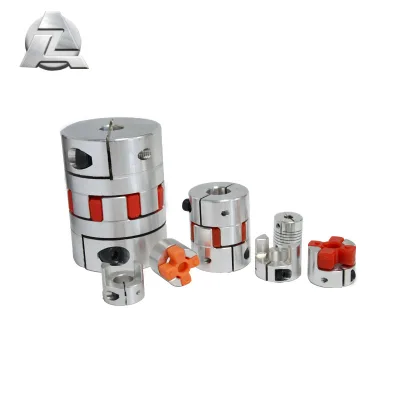
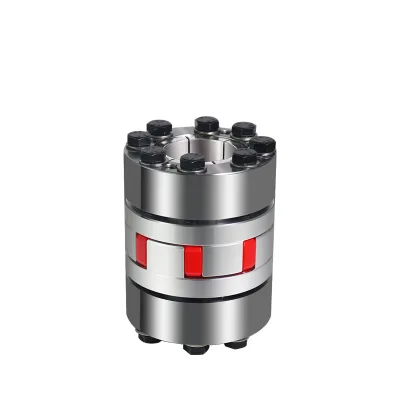
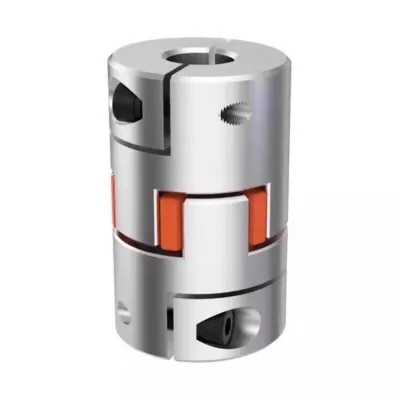


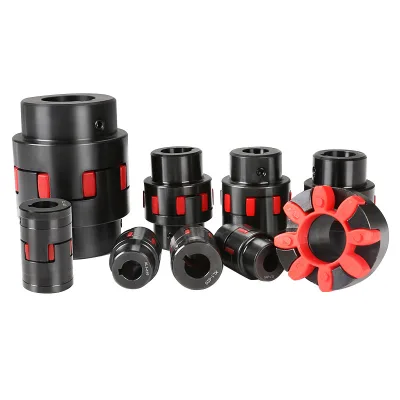
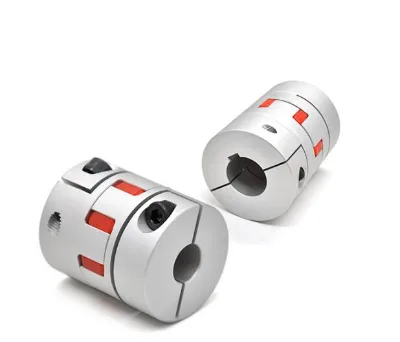
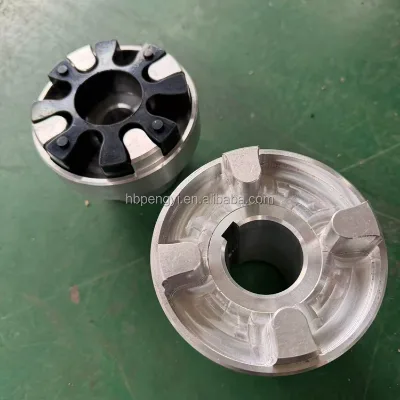
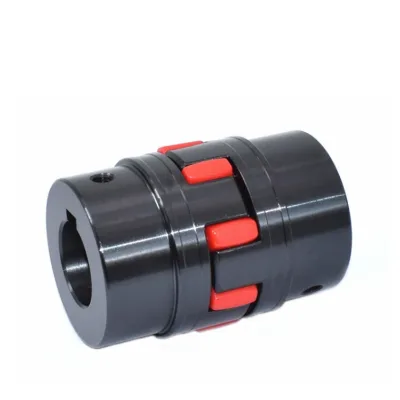
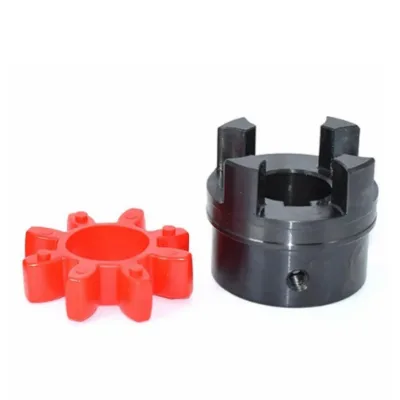
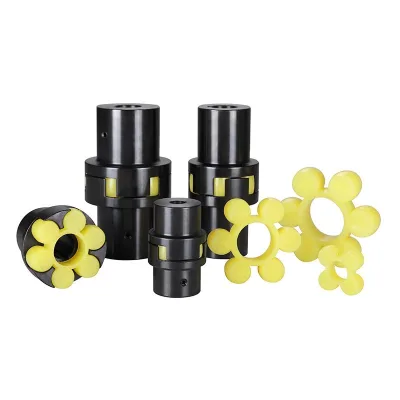
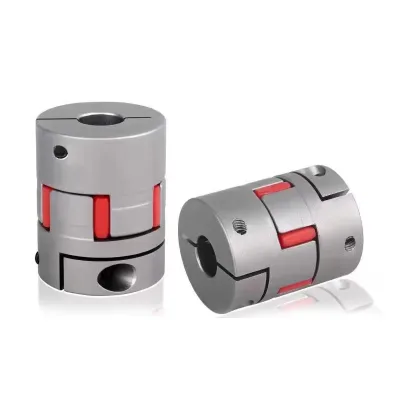
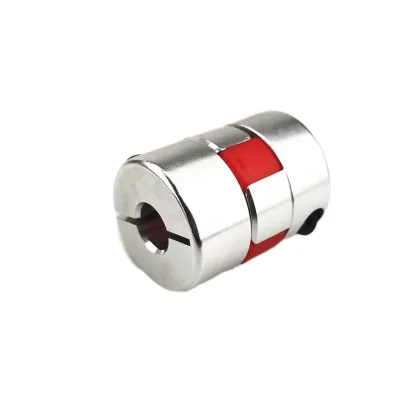

Plum Blossom Elastic Coupling for Medium and Low Speed Transmission Shafts
$20.00 - $20000.00
MOQ: 1 Sets

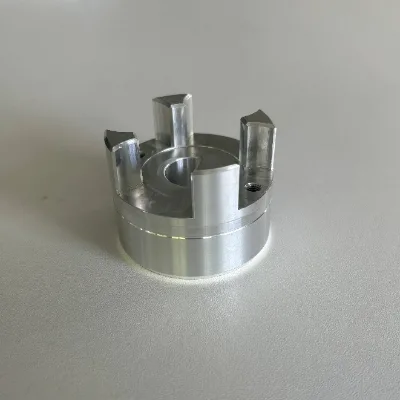


Comprehensive Sourcing Guide
Elastic High Torque Plum Coupling Sourcing Guide
Procuring elastic high torque plum couplings requires a disciplined approach to matching mechanical specifications with operational demands. These components, often identified as claw type or flexible clamp couplings, serve as critical transmission power parts in industrial equipment and CNC machines. Buyers must prioritize the verification of torque ratings, which in observed listings exceed 80 N.M, ensuring the coupling can handle the specific load requirements of the application without failure.
The material composition and manufacturing origin significantly influence the longevity and performance of these couplings. Common materials include aluminum alloy and stainless steel, with finishes such as anodizing to enhance durability. Sourcing from regions like Liaoning and Zhejiang in China offers access to specialized manufacturers, but buyers must rigorously validate the quality claims and ensure that the selected model number aligns precisely with the required bore diameter and outer dimensions for seamless integration.
Product Scope and Observed Listing Signals
The market for elastic high torque plum couplings presents a diverse range of options, with observed prices spanning from $0.1 to $20,000 USD. This wide variance reflects differences in material quality, manufacturing precision, and brand reputation, such as Zhongjda, which offers customized OEM support. Buyers should note that minimum order quantities typically range from 1 to 100 units, allowing for flexible procurement strategies that accommodate both prototype development and large-scale industrial deployment needs.
Listing signals indicate that these couplings are designed for metric systems and feature flexible connectivity, often with female threaded inserts. The observed product attributes highlight a focus on general industrial applications, including 3D printers and three-axis systems. Buyers must carefully examine the model numbers, which can range from specific dimensions like 44*46 mm to broader outer diameter ranges of 14 to 105 mm, to ensure compatibility with existing shaft configurations and mounting hole diameters, typically around 8 mm.
Technical Specifications to Verify
Verifying technical specifications is paramount to ensuring the coupling meets the mechanical demands of the application. Key parameters include the shaft hole size, which may be specified as 19 mm with a speed rating of 4000 r/M, and the overall length, which can be as short as 46 mm. Buyers must confirm that the bore diameter and outer diameter match the design requirements, as mismatches can lead to improper fitment and subsequent mechanical failure in high-torque environments.
The type of coupling, whether elastic or flexible clamp, dictates its ability to absorb shock and misalignment. Observations show that these components often include core elements like bearings to enhance performance and longevity. It is essential to verify the thread types, such as G threads, and the head code, which is typically round, to ensure proper assembly. Additionally, the customizable nature of these products allows for tailored solutions, but buyers must provide precise dimensions to avoid deviations from the standard specifications.
Compliance and Safety Documentation
Compliance with international standards is a critical aspect of sourcing industrial couplings. Many suppliers provide ISO certification, which serves as a baseline for quality management systems and manufacturing consistency. Buyers should request and verify these certificates to ensure that the supplier adheres to recognized quality protocols. This documentation is particularly important for applications in regulated industries where component reliability and traceability are mandatory for safety and operational continuity.
Safety documentation should also include detailed material safety data sheets and warranty information. Observed listings indicate warranty periods ranging from 6 months to 1 year, which reflects the manufacturer's confidence in the product's durability. Buyers must ensure that the warranty terms are clearly defined and that the supplier provides adequate support for any potential defects. This proactive approach to documentation helps mitigate risks associated with component failure and ensures that the procurement process aligns with organizational safety standards.
Cost Drivers and Commercial Terms
Several factors influence the cost of elastic high torque plum couplings, including material selection, manufacturing complexity, and order volume. Aluminum alloy and stainless steel options offer different price points, with stainless steel generally commanding a higher price due to its superior corrosion resistance and strength. Buyers should consider the total cost of ownership, which includes not only the unit price but also the potential costs associated with maintenance, replacement, and downtime due to component failure.
Commercial terms such as delivery time and payment conditions play a significant role in the procurement process. Delivery times are often dependent on the quantity ordered, with larger orders potentially requiring longer lead times. Buyers should negotiate clear delivery schedules and payment terms to align with their production cycles. Additionally, the availability of customization services may incur additional costs, so it is essential to clarify these charges upfront to avoid unexpected expenses during the procurement process.
Supplier Qualification and Quality Control
Supplier qualification is a critical step in ensuring the reliability of the sourced couplings. Buyers should assess the supplier's manufacturing capabilities, including their ability to produce customized dimensions and handle high-torque applications. Observations indicate that suppliers in China, particularly in Liaoning and Zhejiang, have established expertise in producing these components. Buyers should verify the supplier's production capacity and quality control processes to ensure consistent product quality.
Quality control measures should include rigorous testing of the couplings for torque resistance, flexibility, and dimensional accuracy. Buyers should request test reports or certification of conformity to verify that the products meet the specified standards. Additionally, implementing a sampling inspection process for incoming shipments can help identify any defects or deviations from the agreed specifications. This proactive approach to quality control helps minimize the risk of receiving substandard products and ensures that the couplings perform as expected in the application.
Long-Term Procurement Checks
Long-term procurement success depends on establishing a robust relationship with suppliers and implementing continuous improvement processes. Buyers should regularly review supplier performance metrics, including delivery reliability, product quality, and responsiveness to issues. This ongoing evaluation helps identify potential risks and opportunities for improvement, ensuring that the supply chain remains resilient and efficient. Maintaining open communication with suppliers can also facilitate better collaboration and problem-solving, leading to more effective procurement outcomes.
It is also essential to stay updated on industry trends and technological advancements in coupling technology. As applications evolve, the requirements for couplings may change, necessitating adjustments in sourcing strategies. Buyers should engage with suppliers to explore new materials, designs, and manufacturing techniques that can enhance performance and reduce costs. By staying informed and proactive, buyers can ensure that their procurement of elastic high torque plum couplings remains aligned with their long-term operational goals and strategic objectives.
FAQs
What materials are used for elastic high torque plum couplings?
These couplings are typically manufactured from aluminum alloy or stainless steel to ensure durability and resistance to corrosion. The aluminum alloy versions often feature an anodized finish for enhanced surface treatment and smooth operation. Stainless steel options provide robust performance for industrial applications requiring high-quality transmission power parts with long operating life.
Can these couplings be customized for specific shaft sizes?
Yes, customization is available for various shaft hole dimensions and mounting requirements. Suppliers offer options such as 5*8, 6.35*8, and 8*8 shaft configurations, along with bore diameters like 19mm. Custom dimensions are acceptable, allowing buyers to specify exact mounting hole diameters and thread types to fit their specific CNC machine or 3D printer setups.
What is the torque capacity of these elastic couplings?
The torque capacity for these high torque clamp type couplings exceeds 80N.M, making them suitable for demanding industrial equipment. They are designed to handle significant loads while maintaining flexibility. This performance level ensures reliable power transmission in general industrial applications, supporting stable operation for three-axis coupling systems and other precision machinery requirements.
Which certifications do these coupling manufacturers typically hold?
Manufacturers of these elastic couplings often hold ISO certification to ensure quality standards are met. The products are classified as standard or nonstandard based on specific client needs, with high-quality construction verified through rigorous processes. This certification indicates adherence to international manufacturing standards, providing buyers with confidence in the reliability and consistency of the supplied mechanical components.
Where are these plum blossom couplings primarily manufactured?
These couplings are primarily manufactured in China, with origins reported in regions such as Liaoning and Zhejiang. The products are exported globally, serving diverse industrial markets. The manufacturing locations are equipped to handle various production techniques, including anodizing and smooth surface treatments, ensuring that each unit meets the specified metric system measurements and application requirements.
What warranty periods are offered for these industrial couplings?
Warranty periods for these elastic couplings typically range from 6 months to 1 year, depending on the supplier and specific product model. This coverage ensures protection against manufacturing defects and supports long-term operational reliability. Buyers should verify the specific warranty terms with the manufacturer, as conditions may vary based on the application, usage intensity, and specific customization requests made during procurement.