Solenoid Unidirectional Balance Valve Suppliers and Manufacturers
Explore 21 verified suppliers offering solenoid unidirectional balance valves with varying lead times, certifications, and response speeds. Buyers can compare ISO standards, MOQs, and delivery windows before requesting samples or quotes directly; review the available evidence before requesting comparable quotations from suitable candidates.
Suppliers List

Hongxing Manufacturing Group Ltd.
- Manufacturer/Factory
- China Zhejiang
- Lead time45 days
- Avg. response≤ 14h
Main productsValve, Fitting, Dzr Brass, Lead Free, Sanitary Ware, Cable Tie, Ball Valve, Stop Valve, Thermostat, Gate Valve
Main marketsSouth America,Eastern Europe,Mid East,North America,Southeast Asia,Eastern Asia,Oceania,Western Europe,Africa

Goole Valve technology Co., Ltd.
- Verified by SGS
- Trading Company,Manufacturer/Factory
- China Zhejiang
- Lead time23 days
- Avg. response≤ 6h
Main productsSafety Valve, Ball Valve, Control Valve, Steam Trap, DIN Valve, Strainer, Gate Valve, Globe Valve, Check Valve, Pressure Reducing Valve
Main marketsSouth America,Eastern Europe,Mid East,North America,Southeast Asia,Eastern Asia,Oceania,Western Europe,Africa

- Combined
- China Shandong
- Lead time15 days
- Avg. response≤ 18h
Main productsThermal Actuator, Thermostat Valve, Wax Element
Main marketsSoutheast Asia/ Mideast,East Asia(Japan/ South Korea),Europe

Zhejiang Huibo Valve Technology Co., Ltd.
- Combined
- China Zhejiang
- Lead time30 days
- Avg. response≤ 5h
Main productsBrass Ball Valve, Brass Valve, Gate Valve, Gas Valve, Bibcock
Main marketsSouth America,Africa,Southeast Asia/ Mideast,Domestic,Europe,Australia,North America

Ningbo KIO Flow Instruments Co.,Ltd.
- Verified by BV
- Combined
- China Zhejiang
- Lead time15 days
- Avg. response≤ 16h
Main productsFlow Meter, Rotameter, Instruments, Electromagnetic Flowmeter, Oriflice Plate Flowmeter, Acrylic Flowmeter, Turbine Transducer, Solenoid Valves, Liquid Flowmeter, Paddle Switch
Main marketsSouth America,Domestic

- Trading Company
- China Shandong
- Lead time30 days
- Avg. response≤ 17h
Main productsValve, Butterfly Valve, Gate Valve, Ball Valve, Check Valve, Globe Valve, Balancing Valve, Fire Hydrant, Fitting Strainer, Rubber Joint Mud Box
Main marketsSouth America,Southeast Asia/ Mideast,Europe,North America

- Trading Company
- China Jiangsu
- Lead time30 days
- Avg. response≤ 3h
Main productsButterfly Valve, Check Valve, Gate Valve, Brass Valve, Ball Valve, Bronze Valve, Control Valve, Solenoid Valve
Main marketsAfrica,Southeast Asia/ Mideast,East Asia(Japan/ South Korea),Domestic,Europe
Shandong Chenxuan Intelligent Manufacturing Co., Ltd.
- Verified by CTI
- Combined
- China Shandong
- Lead time15 days
- Avg. response≤ 7h
Main productsControl Valve, Sensor, Temperature Control Valve, Regulating Valve, Pressure Control Valve, Actuator, Reduced Temperature Decompression, Heat Exchanger Unit, Pressure Transmitter, Valve Positioner
Main marketsSouth America,Africa,Southeast Asia/ Mideast,Domestic,Europe,Australia,North America

Ningbo Xinchao Automatization Component Co., Ltd.
- Verified by BV
- Combined
- China Zhejiang
- Lead time30 days
- Avg. response≤ 10h
Main productsPneumatics, Pneumatic Cylinder, Solenoid Valve, Frl, Pneumatic Fitting, Cylinder Accessories, Air Cylinder, Air Units, Pneumatic Actuator, Metal Fitting
Main marketsSouth America,Africa,Southeast Asia/ Mideast,East Asia(Japan/ South Korea),Domestic,Europe,Australia,North America
- Manufacturer, Trading Company
- Henan, China
- Lead time0 days
- Avg. response≤ 1h
Main productsProduction.,Sales.,Import and export business,Machining,Gold electromechanical
Main marketsMid East(10.0%), Africa(6.0%), Oceania(5.0%), South America(5.0%), Southeast Asia(5.0%), Eastern Europe(5.0%), Eastern Asia(4.0%), Northern Europe(4.0%), Southern Europe(3.0%), North America(3.0%), South Asia(3.0%), Central America(2.0%), Domestic Market(1.0%), Western Europe(1.0%)
Shandong Yikaide Hydraulic Co., Ltd.
- Verified by BV
- Combined
- China Shandong
- Lead time45 days
- Avg. response≤ 1h
Main productshydraulic components
Main marketsEurope,North America

Taizhou Aibojia Fluid Intelligence Control Co., Ltd.
- Trading Company,Manufacturer/Factory
- China Zhejiang
- Lead time30 days
- Avg. response≤ 4h
Main productsValve, Ball Valve, Brass Valve, Brass Ball Valve, Check Valve, Gate Valve, Angle Valve, Floating Valve, SS304 Valve, SS316 Valve
Main marketsSouth America,Eastern Europe,Mid East,North America,Southeast Asia,Eastern Asia,Oceania,Western Europe,Africa


DN32 Static Balance Dynamic Balancing/ Balance Valve/ Pressure Different Control Valve
Contact supplier
Moq: 300


Dongguan Yi Hui Forklift Co., Ltd.
- Verified by SGS
- Trading Company
- China Guangdong
- Lead time15 days
- Avg. response≤ 7h
Main productsForklift Parts Forklift Accessories Valve, Injection Pump Forklift Engine Parts Valve, Pump Engine Valve Forklift Parts, Cat Excavator Parts, Cat -/ C6.6/C7/C9/C13/C15 Engine, Toyota Way Multi-Way Valve for 7f/8f Forklift, Toyota Original Accessories for Forklif, Cat Walking Hydraulic Pump/Pump/Fuel Injection P, Toyota Fuel Injector or Forklift, Toyota Direction of The Machine for Forklift
Main marketsOthers(foreignTradeCapacity.exportBusinessCapacityMarketOther),Domestic
Shanghai Zentif Valve Group Co., Ltd.
- Verified by BV
- Combined
- China Shanghai
- Lead time15 days
- Avg. response≤ 4h
Main productsIndustrial Gate Valve, Industrial Control Valve, Check Valve, Balancing Valve, HVAC Valve, Differential Pressure Valve, Control Valve, Globe Valve
Main marketsDomestic

Main Differences Between Static Balancing Valve and Dynamic Balancing Valve Explained
$177.00 - $231.00
Moq: 5

Ningbo Fenghua Gogo Automatic Trading Company Limited
- Trading Company
- Lead time旺季: "1 - 100":15,"> 100":"To be negotiated", 淡季: "1 - 100":15,"> 100":"To be negotiated"
- Avg. response≤ 7h
Main productsMechanical Parts, Auto Parts, Electric Parts, Pneumatic, Valve
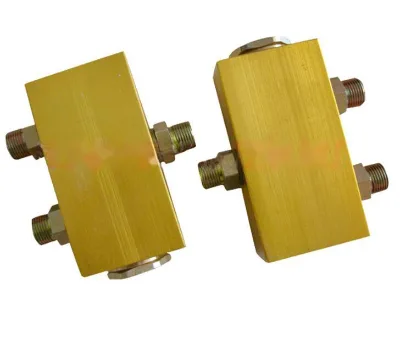
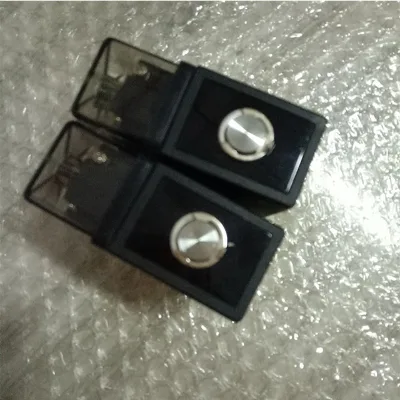
Contact supplier
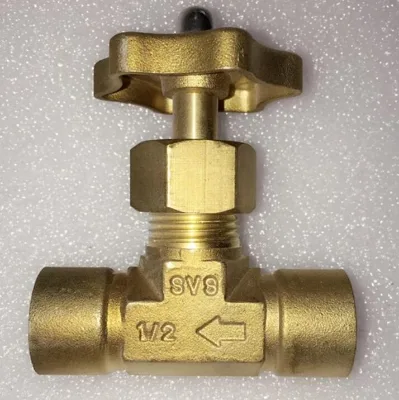
Competitive Price Good Quality Check Valve Solenoid Valve
Contact supplier
Ningbo Fuyite Hydraulic Technology Co., Ltd.
- Verified by SGS
- Combined
- China Zhejiang
- Lead time23 days
- Avg. response≤ 1h
Main productsRelief Valve, Balance Valve, Hydraulic Valve, Hydraulic Lock, Flow Control Valve, Counterbalance Valve, Shuttle Valve, Check Valve, Pilot Operated Check Valve, Sequence Valve
Main marketsDomestic

Stable High Precision Anti-Drop Overcenter Hydraulic Balance Valve with ISO 9001
$90.05 - $109.35
Moq: 1


- Verified by TUVRHEINLAND
- Manufacturer/Factory
- China Zhejiang
- Lead time45 days
- Avg. response≤ 7h
Main productsBrass Ball Valve, Bronze Ball Valve, Water Meter Valve, Pipe Fittings, Radiator Valve, Brass Bibcock, PPR Fittings, Gate Valve, Check Valve, Angle Valve
Main marketsSouth America,Eastern Europe,Mid East,North America,Southeast Asia,Oceania,Western Europe
Wuhan Hongda Hydraulic Pneumatic Equipment Manufacturing Co., Ltd.
- Verified by Intertek
- Manufacturer, Trading Company
- Lead time0 days
Main productsHydraulic Cylinder, Control Valves, Hydraulic Pumps, Hydraulic Power Unit, Pneumatic Cylinder
GO GO Automatic Company Limited
- Verified by TUVRHEINLAND
- Trading Company
- China Zhejiang
- Lead time23 days
- Avg. response≤ 13h
Main productsHydraulic Valve, Hydraulic Accumulator, Hydraulic Pump, Hydraulic Motor, Hydraulic Power Unit, Hydraulic Cylinder, Hydraulic Bladder, Hydraulic Solenoid Coil, Hydraulic Fitting, Oil Cooler
Main marketsSouth America,Africa,Southeast Asia/ Mideast,East Asia(Japan/ South Korea),Europe,Australia,North America

Shenzhen Daxinda Machinery & Electric Equipment Co., Ltd
- Verified by CTI
- Trading Company
- China Guangdong
- Lead time23 days
- Avg. response≤ 1h
Main productsMiniature Gas Mass Flow Controller, Gas Mass Flow Meter, Proportional Solenoid Valve, High Flow Gas Mass Flow Controller, Stainless steel Proportional Valve, Proportional Valve Driver, Digital Display Gas Mass Flow Controller, High Temperature Gas Mass Flow Controller
Main marketsSouth America,Southeast Asia/ Mideast,East Asia(Japan/ South Korea),Europe,North America
Keep Promise Global (Xiamen) Holding Limited
- Verified by TUVRHEINLAND
- Trading Company
- China Fujian
- Lead time30 days
- Avg. response≤ 1h
Main productsWater Valve, Butterfly Valve, Gate Valve, Check Valve, Control Valve, Globe Valve, Balance Valve, Solenoid Valve
Main marketsDomestic


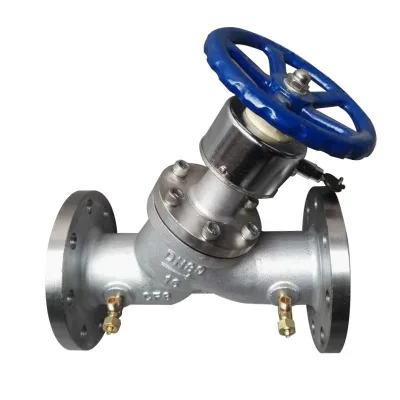
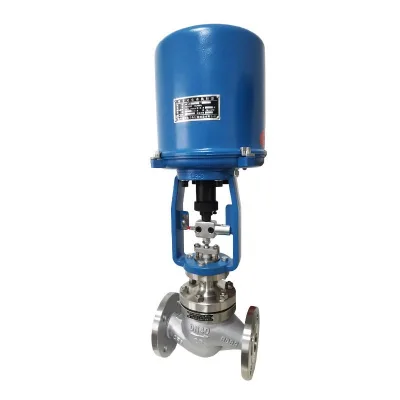
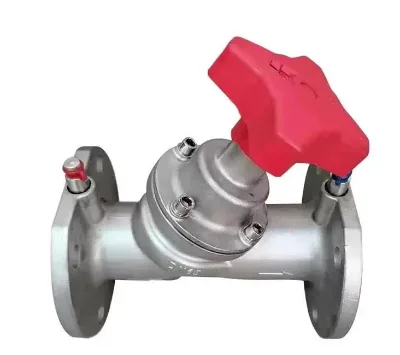


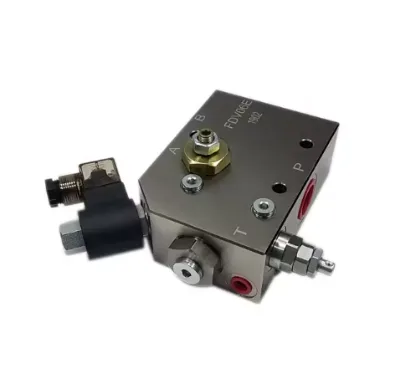
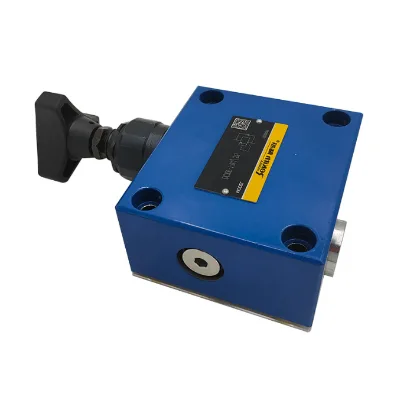


Comprehensive Sourcing Guide
Solenoid Unidirectional Balance Valve Supplier Concentration and Factory Types
The current supplier landscape for solenoid unidirectional balance valves reveals a concentration of manufacturing activity within specific Chinese provinces, with Zhejiang and Shandong emerging as key industrial hubs. Fact-based observations indicate that suppliers in Zhejiang, particularly in Wenzhou, specialize in a diverse range of valve products including brass fittings, ball valves, and control valves, often holding ISO 9001 and ISO 14001 certifications. These manufacturers frequently offer OEM and ODM capabilities, suggesting a robust capacity for custom engineering and brand development. In contrast, suppliers located in Shandong focus on thermal actuators and solenoid valves, often operating as combined entities that blend trading and manufacturing functions. This regional split implies that buyers seeking high-volume production of standard brass components might find more options in Zhejiang, while those requiring specialized pneumatic or electromagnetic control solutions may encounter stronger capabilities in Shandong.
When evaluating the company types available, buyers will encounter a mix of pure manufacturers, trading companies, and combined entities. The data shows that some suppliers operate strictly as manufacturers or factories, while others identify as trading companies that also maintain factory operations. This distinction is critical because a trading company might offer broader product ranges but could have less direct control over the production line compared to a dedicated factory. The presence of combined company types suggests a hybrid model where a single entity manages both the sales interface and the manufacturing process. Buyers should verify the specific nature of the entity they are engaging with, as this impacts the depth of technical support and the flexibility of the supply chain. Understanding whether a supplier is a pure manufacturer or a trading intermediary is essential for aligning expectations regarding customization, quality control, and direct communication with the production floor.
How to Verify Solenoid Unidirectional Balance Valve Suppliers
Verification of supplier credentials requires a rigorous check of system certifications and third-party audit results rather than relying on self-declared claims. Available data indicates that many suppliers in this sector hold ISO 9001 and ISO 14001 certifications, which serve as baseline indicators of quality management and environmental compliance. Some suppliers also display verification badges from recognized agencies like SGS, which adds a layer of external validation to their operational claims. Buyers must confirm that these certifications are current and specifically cover the manufacturing of solenoid unidirectional balance valves, as general factory certification does not guarantee product-specific competence. The presence of CE or SGS standards on product attributes further supports the claim of compliance, but these should be cross-referenced with the supplier's official documentation to ensure authenticity.
Beyond certifications, the response time and verification status of a supplier provide immediate insights into their operational reliability. Observed response times vary significantly, ranging from approximately five hours to over seventeen hours, which can indicate the efficiency of their sales and technical support teams. A faster response time often correlates with a more active and responsive supply chain, whereas slower responses might suggest a larger backlog or less dedicated support staff. Buyers should also look for verified status indicators, such as SGS verification, which signal that the supplier has undergone a physical or documentary audit. It is crucial to request proof of these verifications directly from the supplier, as the presence of a badge on a listing page does not guarantee the current validity of the audit. Combining certification checks with response time analysis helps build a comprehensive profile of a supplier's reliability before initiating any commercial dialogue.
What to Compare Across Solenoid Unidirectional Balance Valve Suppliers
Comparing suppliers requires a systematic evaluation of lead times, minimum order quantities, and pricing structures to ensure alignment with project requirements. Lead times in the current market range from as little as fifteen days to forty-five days, depending on the supplier's location and production capacity. Buyers must weigh these durations against their project deadlines, as a shorter lead time might come with a higher price point or stricter minimum order requirements. Minimum order quantities (MOQ) also vary, with some suppliers offering low thresholds like one unit for specific models, while others require orders of one thousand units. This disparity significantly impacts the total cost of ownership, especially for smaller projects or prototype development phases. Understanding these variables allows buyers to select a supplier that balances cost efficiency with delivery speed.
Pricing and product attributes are equally critical dimensions for comparison, as they directly influence the feasibility of the procurement. Price ranges observed in the market span from approximately one dollar to over one hundred dollars per unit, reflecting differences in material quality, valve size, and complexity. Buyers should compare the price per unit against the specified product standards, such as size ranges from 1/2 inch to 2 inches, and material specifications like steel or brass. Additionally, the availability of customization options, such as OEM branding or specific model modifications, should be factored into the decision. Some suppliers offer standard export packaging, while others use plywood cases or neutral packing, which affects logistics costs. By analyzing these factors together, buyers can identify suppliers that offer the best value proposition without compromising on the technical specifications required for their specific application.
Common Solenoid Unidirectional Balance Valve Sourcing Risks
One significant risk in sourcing solenoid unidirectional balance valves is the potential mismatch between advertised product attributes and actual manufacturing capabilities. Suppliers may claim customization availability or specific model numbers, but the actual production might be limited to standard configurations. For instance, while some listings indicate "Customization: Available," the specific technical requirements for a Solenoid Unidirectional Balance Valve might not be feasible for all manufacturers. Buyers must verify that the supplier has the specific engineering expertise to handle the unique pressure, flow, and electrical requirements of these valves. Relying solely on product keywords or generic descriptions can lead to receiving products that do not meet the precise operational needs of the system, resulting in costly replacements or system failures.
Another critical risk involves the variability in lead times and the potential for delays due to supply chain disruptions. While some suppliers advertise lead times as short as fifteen days, others may require up to forty-five days, and these estimates can fluctuate based on raw material availability or production load. Buyers should not assume that the quoted lead time is guaranteed, especially for custom orders or large volume purchases. The risk of delay is compounded if the supplier is a trading company rather than a direct manufacturer, as they may rely on third-party factories with their own scheduling constraints. To mitigate this, buyers should request a detailed production schedule and confirm the supplier's ability to meet deadlines before placing an order. Understanding these risks allows for better contingency planning and ensures that the procurement process remains on track despite potential external challenges.
Solenoid Unidirectional Balance Valve Regional Sourcing and Logistics
Regional sourcing strategies must account for the specific logistical advantages and challenges associated with different manufacturing hubs in China. Suppliers in Zhejiang, particularly those in Wenzhou, often benefit from established export infrastructure and a dense network of component suppliers, which can streamline the logistics process for valve manufacturing. These regions are known for their expertise in brass and steel valve production, making them ideal for sourcing standard and custom balance valves. Conversely, suppliers in Shandong may offer different logistical benefits, particularly for products requiring specialized thermal or pneumatic components. Buyers should consider the proximity of the supplier to major ports and the efficiency of their local logistics partners when evaluating regional options. The choice of region can significantly impact shipping costs, transit times, and the overall reliability of the supply chain.
Logistics planning also involves understanding the packaging standards and shipping requirements specific to the product type. Product attributes indicate that packaging can range from inner bags and outer cartons to plywood cases, depending on the supplier and the specific valve model. For heavy or large-diameter valves, such as those with flange connections, plywood cases are often necessary to prevent damage during transit. Buyers must ensure that the packaging method aligns with the shipping method and the destination's handling requirements. Additionally, the origin of the product, whether from China Mainland or specific cities like Wenzhou, can influence customs clearance procedures and import duties. By carefully evaluating the regional logistics capabilities and packaging standards, buyers can minimize the risk of damage and ensure that the products arrive in optimal condition for installation.
Solenoid Unidirectional Balance Valve Commercial Terms and Order Planning
Commercial terms and order planning are pivotal for managing the financial and operational aspects of sourcing solenoid unidirectional balance valves. Buyers must carefully review the pricing structures, which can vary widely based on order volume and customization requirements. Some suppliers offer competitive pricing for standard models, while custom orders may incur additional costs. It is essential to clarify whether the quoted price includes all necessary components, such as solenoid coils and control units, or if these are sold separately. Additionally, buyers should negotiate payment terms that align with their cash flow, considering factors like deposit requirements and milestone payments. Understanding the full scope of the commercial terms helps prevent unexpected costs and ensures a smooth transaction process.
Order planning should also account for the minimum order quantities and the flexibility of the supplier to accommodate varying order sizes. While some suppliers have low MOQs, others may require substantial volumes, which can impact inventory management and storage costs. Buyers should assess their projected demand and align it with the supplier's MOQ to avoid overstocking or underutilizing production capacity. Furthermore, the availability of samples and the lead time for sample production should be factored into the planning process. If a supplier offers sample availability, buyers can validate the product quality before committing to a large order. By integrating these commercial and planning considerations, buyers can optimize their procurement strategy and ensure that the supply chain meets their operational needs efficiently.
FAQs
What is a Solenoid Unidirectional Balance Valve used for?
It is used to control water flow in one direction while balancing pressure in hydronic and pump pipeline systems. The solenoid actuator allows electrical control of opening and closing, which supports automatic flow regulation. Buyers typically specify connection type, media, and operating temperature before requesting samples or quotations.
How long is the typical production lead time for balance valves?
Lead times vary by supplier and order size, with published figures ranging from about 15 to 45 days. Products with customization, special materials, or flange connections may take longer than catalog items. Always confirm the quoted lead time in writing before placing an order, and ask whether sample production runs on a faster schedule.
What minimum order quantity should I expect when sourcing balance valves?
Published minimum order quantities range from 1000 pieces for threaded water balance valves to as low as 1 piece for larger flanged differential pressure models. Standard manual valves usually carry the higher threshold. If your pilot project is small, ask suppliers whether sample orders or mixed-product containers can bypass the standard MOQ.
Do balance valve suppliers offer OEM and ODM customization?
Yes, most listed valve manufacturers and combined trading-manufacturing suppliers support OEM, ODM, or their own brand options. Customization covers marking, packaging, and technical parameters such as size standards. Request the customization policy in writing, including tooling costs, drawing approval steps, and how branded packaging affects the quoted unit price and delivery schedule.
Which sizes are commonly available for water balance valves?
Common threaded sizes include 1/2 inch, 3/4 inch, 1 inch, and 2 inch, while flanged static balance valves extend to DN200 and DN300 for larger piping. Confirm that the listed size range matches your project specifications before requesting pricing. Larger diameters usually require flange connections and should be quoted separately from standard threaded models.
What price range can buyers expect for balance valves?
Published listings show wide variation: threaded water balance valves around 4.50 to 6.00 per unit, flanged DN200 to DN300 models around 9.00 to 10.00, and larger differential pressure or solenoid-driven control valves quoted far higher depending on material and actuator. Treat listed prices as reference points and request quotations based on your exact specifications and volume.
Should I work with a manufacturer or a trading company for valves?
Both appear among listed suppliers, and some combine factory production with trading capabilities. Manufacturers often suit repeat volume orders and customization, while trading companies may consolidate mixed valve categories in one shipment. Verify the declared company type, check quality system certifications such as ISO 9001 and ISO 14001, and compare response speed alongside quoted terms.