Source Elastic No Tie Shoelaces for Hiking Boots, Sneakers, Casual Shoes
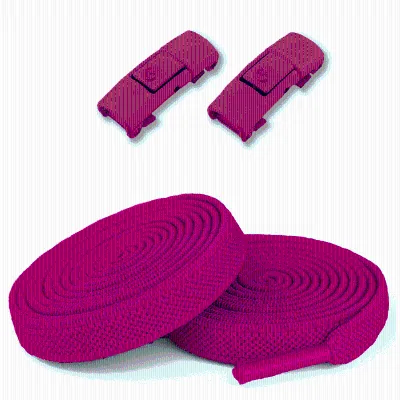
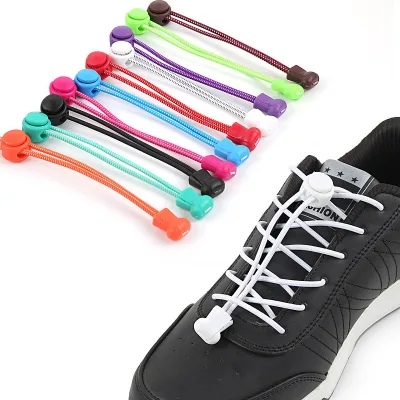
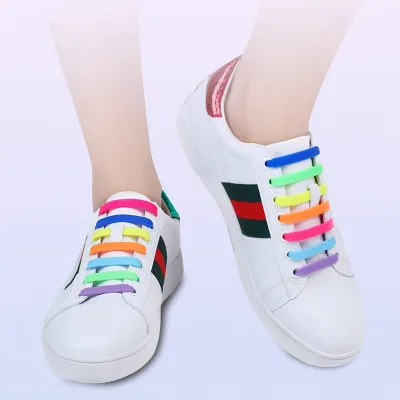
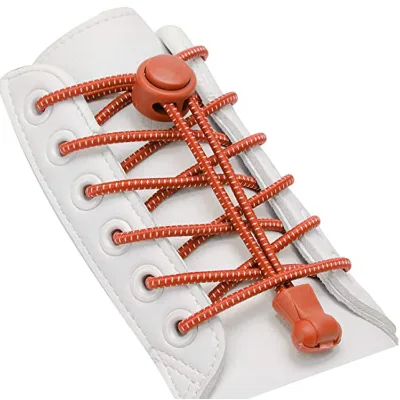
Compare 30 listings for Elastic No Tie Shoelaces featuring flat, round, and elastic styles in polyester and cotton blends. Buyers can evaluate MOQs, sample times, and customization options for hiking boots, sneakers, and casual footwear applications.
Key considerations
Products List


Elastic Shoe Laces No Tie Shoelaces for Kids and Adult Sneakers Shoelace
$0.01 - $0.09
MOQ: 100 Meters


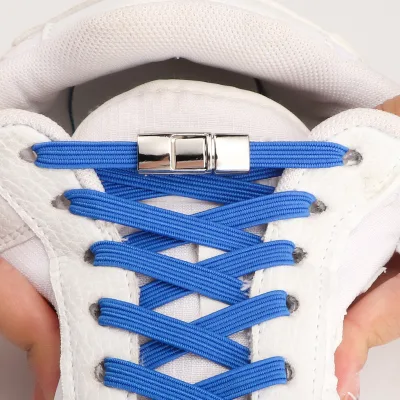
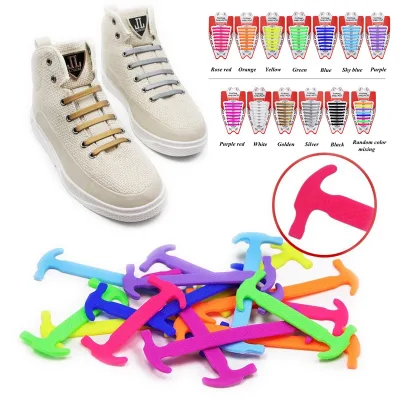
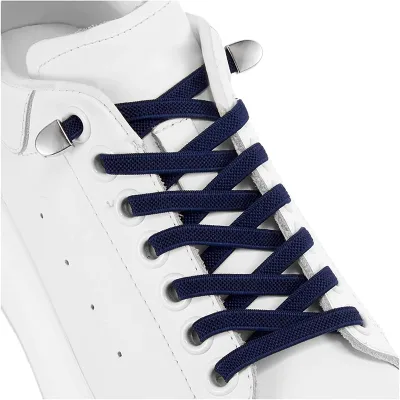
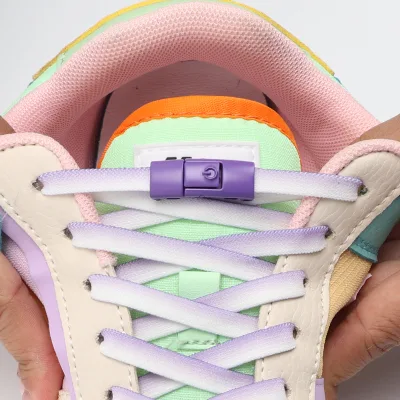


Full Round Extra Elastic Length Adjustable Shoelaces with Clip No-Tie Shoelace
$0.38 - $0.41
MOQ: 500 Pairs




Comprehensive Sourcing Guide
Strategic Sourcing Guide for Elastic No-Tie Shoelaces
Understanding Product Categories and Technical Variations
The market for elastic no-tie shoelaces presents a diverse landscape of materials, geometries, and functional applications. Buyers must first distinguish between the primary product types observed in current supply chains, as these variations dictate performance characteristics and suitability for specific footwear. The core category includes "Elastic No Tie Shoelaces," which are engineered to provide a secure fit without the need for manual knotting. These products often feature a composite construction of cotton and latex, designed to offer high tenacity and abrasion resistance. The material composition is a critical differentiator; while some variants are constructed from 100% cotton, others utilize polyester or a blend of polyester and latex to achieve specific stretch and recovery properties.
Geometry plays a significant role in the selection process. The supply data indicates a clear bifurcation between "Flat" and "Round" profiles. Flat laces, often made from polyester, provide a sleek aesthetic suitable for casual and athletic footwear, whereas round rope shoelaces offer a more traditional, robust appearance. The width of these laces is another technical specification that requires verification, with observed standard widths around 0.3cm. However, buyers should note that customization is frequently available, allowing for specific width and color requirements. The length of the laces is equally critical; standard specifications often cite a straighten length of 120cm, though this can vary based on the shoe size range, which is typically noted as 36-46 in some product listings.
The following table outlines the primary technical variations found in the current market to assist in initial product screening:
| Feature Category | Observed Variant A | Observed Variant B | Key Application Note |
|---|---|---|---|
| Material Composition | Cotton + Latex | 100% Cotton or Polyester | Latex blends offer superior elasticity; cotton offers natural feel. |
| Profile Shape | Flat | Round Rope | Flat suits modern sneakers; Round suits boots and casual shoes. |
| Pattern Style | Solid | Print / Multi-color | Solid is standard for athletic use; Print is common for fashion. |
| Standard Length | 120cm (Straighten) | Variable (36-46 size range) | Verify length against specific shoe eyelet count. |
| Technics | Jacquard | Standard Weaving | Jacquard allows for complex patterns and logos. |
Compliance, Certification, and Material Safety Standards
When sourcing elastic no-tie shoelaces, particularly for children's footwear or products entering regulated markets, compliance verification is paramount. While specific certification names are not universally mandated for all lace types, the material composition must be scrutinized for safety. The presence of latex in the composite structure (Cotton+Latex) requires attention to potential allergen regulations, especially in the European Union where latex sensitivity is a known concern. Buyers should request Material Safety Data Sheets (MSDS) or specific declarations of compliance regarding restricted substances from suppliers.
Furthermore, the manufacturing standards for these accessories often reference specific length and durability metrics. In the observed data, a standard of "120cm" is listed as a product specification, which serves as a baseline for length verification. However, this should not be assumed to be a universal safety standard. Instead, buyers must verify if the supplier adheres to international textile standards such as ISO or specific regional regulations regarding textile safety. The "prod_standard" field in supplier data often lists dimensions rather than safety certifications; therefore, procurement teams must explicitly ask for proof of compliance with REACH (Registration, Evaluation, Authorisation and Restriction of Chemicals) or similar frameworks if the destination market requires it.
Quality assurance in this sector also involves checking for the absence of harmful dyes and ensuring that the "Custom" logo options do not introduce toxic inks. Since customization is available, the printing process (such as Jacquard or other technics) must be verified to ensure the inks used are non-toxic and colorfast. The "Feature" attributes often cited, such as "High Tenacity" and "Abrasion Resistance," are performance claims that should be backed by test reports rather than assumed. Buyers should request third-party test results for tensile strength and color fastness to light and washing to ensure the product meets the durability expectations of the end-user.
Cost Drivers and Pricing Dynamics
The pricing structure for elastic no-tie shoelaces is influenced by several dynamic factors, including material costs, order volume, and customization complexity. The observed price range in the market spans from $0.01 to $1.25 per unit, a wide variance that reflects differences in material quality, production technology, and order quantity. The lower end of this spectrum typically corresponds to basic polyester or cotton laces with standard lengths and no customization. Conversely, prices near the upper limit are associated with complex Jacquard patterns, custom colors, or specialized composite materials like cotton-latex blends that offer enhanced elasticity.
Order Volume is a primary cost driver. The Minimum Order Quantity (MOQ) varies significantly across suppliers, ranging from 100 pieces to 3,000 pairs. Suppliers with lower MOQs, such as those requiring only 100 pairs or 100 pieces, often charge a premium per unit to cover setup costs for smaller batches. Conversely, larger orders of 1,000 or 3,000 pairs typically benefit from economies of scale, resulting in a lower unit cost. Buyers must balance the need for inventory flexibility against the cost benefits of bulk purchasing.
Customization is another significant cost factor. While many suppliers offer "Custom" logos and colors, these services incur additional setup fees and may extend lead times. The "Sample Time" for customized orders is often longer than for stock items, with some suppliers noting a 7-10 day window compared to 7 days for in-stock items. Additionally, the complexity of the pattern, such as moving from a solid color to a printed design, can increase the manufacturing cost. Buyers should request a detailed breakdown of costs, separating the base unit price from setup fees, tooling charges, and customization costs to ensure accurate budgeting.
Typical Applications and Use Cases
Elastic no-tie shoelaces are designed to enhance the user experience across a wide spectrum of footwear applications. The primary use case is in athletic and casual footwear, where convenience and a secure fit are essential. The "Application" field in product data frequently lists "Sneakercasual Shoe" and "Sport Shoes," indicating their suitability for running, gym workouts, and everyday wear. The elastic nature of these laces allows for a dynamic fit that accommodates foot swelling during activity while maintaining tension to prevent the shoe from slipping off.
Beyond athletic use, these laces are increasingly popular in the "Hiking Boots" and "Boots" sectors. The "Feature" attribute of "High Tenacity" and "Abrasion Resistance" makes them ideal for rugged environments where standard laces might fray or break. The "Lazy Shoelaces" or "No-Tie" design is particularly beneficial for individuals with mobility issues, children who are learning to tie laces, or athletes who require quick entry and exit from footwear. The "Composite" nature of the product, often involving fabric and elastic components, ensures that the laces can withstand the stress of outdoor activities without losing their shape.
The versatility of these products is further demonstrated by their application in "Garment Accessory" categories. While primarily designed for shoes, the elastic properties can be adapted for various closure systems in apparel. The "Pattern" options, ranging from solid to print, allow for aesthetic customization that aligns with fashion trends. Buyers should consider the specific end-user demographic when selecting the product type; for instance, "Round Rope Shoelaces" may be preferred for a more traditional boot look, while "Flat Polyester Shoelaces" might be better suited for modern, low-profile sneakers.
Supplier Evaluation and Operational Capabilities
Selecting the right supplier requires a thorough evaluation of their operational capabilities, production capacity, and reliability. The "Advantage" attributes often cited by suppliers include "Factory, Shop, 30 Year Experience," suggesting a level of established expertise. However, buyers should verify these claims through site audits or by requesting references from existing clients. The location of the supplier, such as "Jiangsu, China," is a common origin for textile products, but it is essential to assess the specific factory's capacity to handle large orders and maintain consistent quality.
Sample availability is a critical component of supplier evaluation. Most suppliers offer samples, often described as "Free, Except Delivery Charge," which allows buyers to physically inspect the product before committing to a large order. The "Sample Time" is another key metric; a 7-day turnaround for in-stock items is standard, but customized samples may take 7-10 days. Buyers should use this period to test the laces for elasticity, color fastness, and overall durability.
Communication and responsiveness are also vital. Suppliers that offer "Customization" options must have the technical expertise to execute complex requests, such as specific widths or unique patterns. The "prod_packing" and "prod_prop.Packing" details, which range from "OPP Bag" to "Carton," indicate the level of packaging sophistication. Buyers should ensure that the packaging meets their logistical requirements, especially for international shipping where protection against moisture and damage is crucial. Finally, the "Selling Units" (Single Item) suggest flexibility in purchasing, but buyers should clarify if bulk discounts are available for larger quantities to optimize their procurement strategy.
Quality Control and Long-Term Procurement Strategy
Implementing a robust quality control (QC) strategy is essential for maintaining product integrity in the elastic no-tie shoelace market. Given the wide range of materials and production methods, buyers should establish clear acceptance criteria before production begins. This includes verifying the "Width" (e.g., 0.3cm), "Length" (e.g., 120cm), and "Color" consistency. The "Feature" attributes like "Elastic" and "High Tenacity" must be validated through physical testing to ensure they meet the stated specifications.
Long-term procurement considerations involve building a sustainable supply chain. Buyers should look for suppliers who demonstrate a commitment to continuous improvement and quality consistency. The "Customization" capability should be leveraged to create unique product offerings that differentiate the buyer in the market. However, reliance on a single supplier for all customization needs can pose risks; diversifying the supplier base can mitigate potential disruptions.
Lead time management is another critical aspect. While some suppliers offer "7days(in Stock)" for standard items, customized orders may require longer lead times. Buyers should factor in these timelines when planning inventory levels to avoid stockouts. The "MOQ" constraints, ranging from 100 to 3,000 pairs, must be aligned with the buyer's sales forecast to prevent overstocking or understocking.
Finally, the "Composite" nature of the product requires ongoing monitoring of material performance. Over time, the elasticity of the latex component may degrade, or the fabric may show signs of wear. Regular quality audits and feedback loops with the supplier can help identify and address these issues proactively. By maintaining a disciplined approach to quality control and supplier management, buyers can ensure a steady supply of high-quality elastic no-tie shoelaces that meet the evolving needs of their customers.
FAQs
What materials are used for Elastic No Tie Shoelaces?
Materials typically include polyester, 100% cotton, or a cotton and latex composite. The specific composition determines elasticity and durability, with latex blends offering superior stretch for athletic use while cotton provides a natural feel.
How long is the standard straighten length for these laces?
The standard straighten length is often 120cm, suitable for most shoe sizes. Some listings also reference a size range of 36-46, so buyers should verify the exact length against their specific footwear eyelet count before ordering.
Which shape profiles are available for elastic shoelaces?
Available profiles include flat and round rope shapes. Flat laces are common for modern sneakers, while round rope variants suit boots and casual shoes, with standard widths around 0.3cm that can often be customized.
Can buyers customize the logo and color of the laces?
Yes, customization for logos and colors is available on many products. Buyers should expect potential setup fees and longer sample times, typically 7 to 10 days, compared to 7 days for standard in-stock items.
What is the typical minimum order quantity for these laces?
Minimum order quantities vary significantly, ranging from 100 pairs to 3000 pairs depending on the supplier. Lower MOQs often carry higher unit costs, while larger orders benefit from economies of scale and reduced per-unit pricing.
How long does it take to receive samples for these laces?
Sample times generally range from 7 days for in-stock items to 7-10 days for customized requests. Most suppliers offer free samples excluding delivery charges, allowing buyers to verify quality before committing to bulk orders.