Source Electric Crawler Commercial Pizza Oven for Bakery, Restaurant, Hotel
Explore 30 listings for the Electric Crawler Commercial Pizza Oven, featuring options with timing devices, stainless steel construction, and hot air circulation. Buyers can compare models like LM-12C and XZ-18C based on dimensions, voltage, and capacity for bakery, restaurant, or hotel use.
Key considerations
Products List


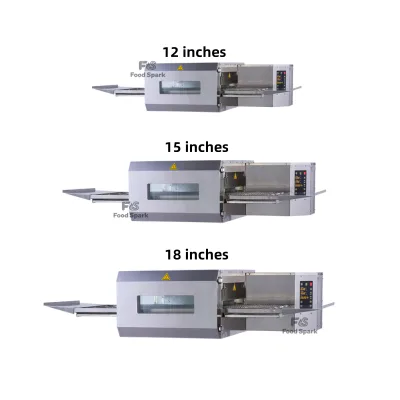
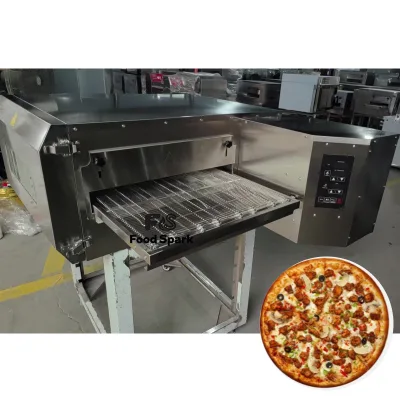
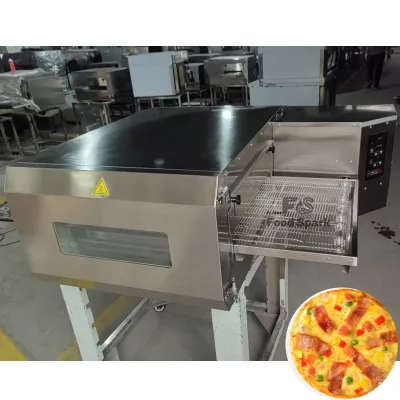
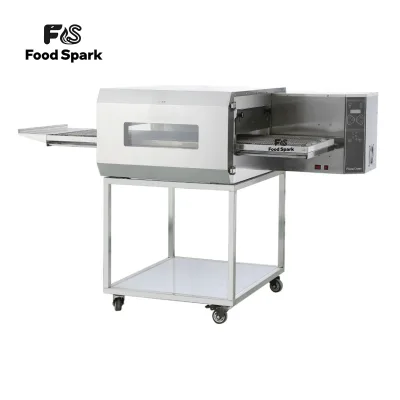
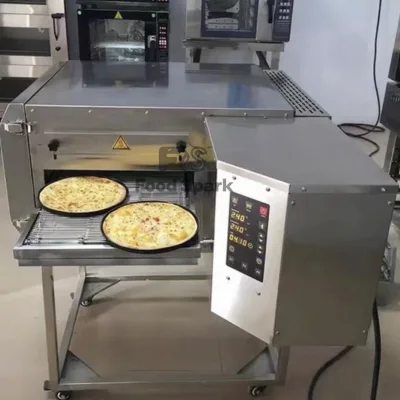


Commercial Electric Pizza Oven with Ce
$130.00 - $300.00
MOQ: 1 Pieces
Guangzhou Junjian Kitchen Appliances & Refrigeration Equipment Co., Ltd.


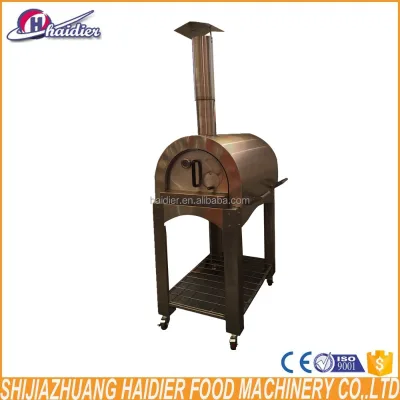


Commercial Electric Black Color Pizza Oven Baking Oven Bakery Equipment
$712.00 - $774.00
MOQ: 5 Pieces


Comprehensive Sourcing Guide
Strategic Sourcing Guide for Electric Crawler Commercial Pizza Ovens
Understanding the Core Technology and Operational Mechanics
When sourcing an Electric Crawler Commercial Pizza Oven, buyers must first distinguish this equipment from traditional deck or conveyor ovens. The defining characteristic of a crawler oven is its internal conveyor system, which utilizes a continuous belt to transport products through a heated chamber. This mechanism is specifically engineered for high-volume throughput while maintaining consistent baking quality. The observed product data indicates that these units often employ a "Hot Air Circulation System" as their primary heating method. This technology ensures that heat is distributed evenly throughout the chamber, reducing hot spots and ensuring that pizzas, breads, and cakes bake uniformly regardless of their position on the belt.
The operational efficiency of these units is heavily influenced by their timing capabilities. High-confidence facts from the market data show that these ovens are equipped with timing devices, with specific models offering a timing range of 0-99 minutes. This flexibility allows operators to adjust baking durations precisely based on the thickness of the dough or the desired crust texture. Furthermore, the presence of a memory function in several observed models suggests that operators can save specific baking profiles. This feature is critical for commercial environments where consistency is paramount; it eliminates the need for manual re-entry of settings after every power cycle or shift change. The maximum temperature observed in these units reaches 320°C, with some models specifying a range of 65-300°C. This wide thermal window is essential for processing diverse products, from delicate biscuits requiring lower temperatures to thick-crust pizzas needing intense heat.
Technical Specifications and Configuration Analysis
Evaluating the technical specifications is the most critical step in the procurement process, as these parameters directly dictate the oven's capacity and physical footprint. The market data reveals a variety of configurations, with model numbers such as LM-12C, LM-18C, LMR-4DH, and XZ-18C. These alphanumeric codes often correlate with specific dimensions and capacities. For instance, the "18" in models like LM-18C and XZ-18C frequently indicates a capacity for 18-inch pizzas, though some units are designed to accommodate two 9-inch pizzas simultaneously.
Physical dimensions vary significantly based on the model. Observed standard dimensions include 15801050450mm and 19851015450mm (L * W * H). Buyers must carefully map these dimensions against their kitchen floor plans. The width of the grate is another crucial specification, with data points showing a width of 535mm and a conveyor belt size of 485*1350mm (W * L). These measurements determine the maximum pizza diameter and the speed at which products can be moved through the oven.
Weight is a significant logistical factor. The net weight of these units ranges from 95kg to 130kg, with some specific models weighing 115kg. The gross weight, often around 140kg, accounts for the packaging, which is typically described as a wooden package or export packing. This heavy construction is necessary to maintain thermal stability and durability in a commercial setting. The material composition is consistently noted as stainless steel, with specific references to "Food Grade Stainless Steel." This material choice is non-negotiable for food safety compliance and ensures resistance to corrosion and high-temperature degradation.
Compliance, Certification, and Electrical Standards
In the commercial food service industry, regulatory compliance is not merely a formality but a prerequisite for operation. The observed product data highlights that these ovens typically carry CE certification, which is a mandatory conformity mark for products sold within the European Economic Area. The data also notes that manufacturers can produce other certificates as required, suggesting that buyers should explicitly request documentation for their specific target market, such as UL for North America or GS for Germany, if CE is insufficient.
Electrical specifications vary by region and model. While many units operate on a standard 220V supply, others are rated for 220/380V, indicating compatibility with three-phase power systems often found in larger commercial kitchens. The power consumption is a key cost driver, with observed ratings of 10kW. Buyers must verify that their facility's electrical infrastructure can support this load without requiring expensive upgrades. The voltage and power requirements should be cross-referenced with local building codes and electrical standards before finalizing a purchase.
| Specification Category | Observed Data Points | Verification Requirement |
|---|---|---|
| Certification | CE, Others as required | Confirm specific regional compliance (e.g., UL, ETL) |
| Voltage | 220V, 220/380V | Match with local grid supply (Single vs. Three-phase) |
| Power | 10kW | Verify circuit breaker capacity and wiring gauge |
| Material | Stainless Steel, Food Grade | Request mill certificates for food-grade verification |
| Temperature | 65-300°C, Max 320°C | Calibrate sensors against independent thermometers |
Cost Drivers and Procurement Economics
The price range for electric crawler commercial pizza ovens is extensive, spanning from $1 to $4,240 USD. This wide variance is not indicative of quality differences alone but reflects the diversity in specifications, brand positioning, and included features. The Minimum Order Quantity (MOQ) also varies, ranging from 1 unit to 750 units. For a single commercial kitchen, an MOQ of 1 is standard, but buyers looking to equip multiple locations or distribute equipment may encounter higher volume requirements.
Several factors drive the final cost. First, the complexity of the control system, such as the inclusion of memory functions and precise timing devices, adds to the manufacturing cost. Second, the size of the unit and the quality of the stainless steel used directly impact material expenses. Third, the origin of the product, with Guangzhou and Guangdong, China, being prominent sources, influences logistics and tariff costs. Buyers should also consider the "After-Sales Guarantee," which is observed as a 1-year standard warranty. A longer warranty period or more comprehensive coverage often correlates with a higher initial purchase price but reduces long-term risk.
Packaging costs are another hidden driver. The standard "Wooden Package" or "Export Packing" adds weight and volume to the shipment, increasing freight charges. Buyers should factor in the cost of unpacking and disposal of the wooden crate, as well as any potential environmental compliance fees associated with wood packaging materials in their destination country.
Typical Applications and Operational Versatility
The versatility of electric crawler ovens makes them suitable for a wide array of commercial applications. The observed usage data lists Bread, Pizza, Cake, and Biscuit as primary applications. This flexibility allows a single piece of equipment to serve multiple functions within a bakery or restaurant, optimizing kitchen space and reducing the need for specialized ovens for each product type.
The application fields are diverse, ranging from commercial use, bakeries, restaurants, and hotels to household and outdoor settings. The "Hot Air Circulation System" is particularly effective for baking items that require a crispy exterior and a soft interior, such as artisanal breads and thin-crust pizzas. The ability to bake multiple sizes simultaneously, such as two 9-inch pizzas or one 18-inch pizza, enhances throughput during peak hours.
For high-volume operations, the conveyor belt system allows for continuous production without the need to manually load and unload individual trays. This is ideal for pizza chains or large-scale bakeries where speed and consistency are critical. The temperature range of 65-300°C also supports the baking of delicate pastries and cakes that require lower, more controlled heat, as well as the high-temperature searing needed for pizza crusts.
Supplier Evaluation and Quality Assurance Protocols
When evaluating suppliers, buyers should focus on the consistency of the product attributes provided. The data indicates that while some models are labeled as "Customized" or offer "Customization" options, not all listed products may satisfy every attribute simultaneously. Buyers must verify that the specific model they are purchasing matches their required specifications, such as the exact dimensions, voltage, and temperature range.
Quality control should begin with the material verification. The consistent mention of "Food Grade Stainless Steel" is a positive indicator, but buyers should request material certificates to ensure the steel meets the necessary food safety standards. The construction quality, particularly the sealing of the oven chamber and the durability of the conveyor belt, should be assessed through visual inspection or video verification if a physical site visit is not possible.
The "After-Sales Guarantee" of 1 year is a standard benchmark. Buyers should inquire about the scope of this guarantee, including whether it covers parts, labor, and on-site service. The availability of spare parts, such as heating elements, conveyor belts, and control boards, is crucial for minimizing downtime. Suppliers with a strong track record in Guangzhou and Guangdong, China, often have established logistics networks, but buyers should confirm lead times and shipping methods to ensure timely delivery.
Long-Term Procurement and Lifecycle Management
Long-term success with electric crawler ovens depends on effective lifecycle management. The initial purchase is just the beginning; ongoing maintenance and energy efficiency are key to total cost of ownership. The electric power source, while clean and easy to control, requires regular inspection of heating elements and electrical connections to prevent failures. The memory function and timing devices reduce the likelihood of human error, but regular calibration of temperature sensors is necessary to maintain accuracy over time.
Buyers should also consider the scalability of their equipment. As business grows, the ability to add more units or upgrade to higher-capacity models becomes important. The modular nature of some crawler ovens allows for expansion, but buyers must ensure that the electrical infrastructure can support additional units. Finally, the environmental impact of the equipment, including energy consumption and the recyclability of the stainless steel and wooden packaging, should be factored into the procurement strategy, especially for businesses with sustainability goals.
In conclusion, sourcing an Electric Crawler Commercial Pizza Oven requires a meticulous approach that balances technical specifications, compliance requirements, and economic factors. By carefully analyzing the observed data and verifying claims through direct supplier communication, buyers can secure equipment that meets their operational needs while ensuring long-term reliability and efficiency. The diversity of models available, from the LM-12C to the XZ-18C, offers solutions for various scales of operation, provided that the buyer conducts thorough due diligence on each specific unit's capabilities and certifications.
FAQs
Can this oven bake multiple pizza sizes at once?
Yes, specific models like XZ-18C can bake one 18-inch pizza or two 9-inch pizzas simultaneously. This capacity depends on the grate width of 535mm and the conveyor belt size of 485 by 1350mm.
What is the maximum temperature this electric oven reaches?
The maximum temperature reaches 320 degrees Celsius, with some models offering a range of 65 to 300 degrees Celsius. This wide thermal window supports diverse products from delicate cakes to thick-crust pizzas.
How long is the after-sales guarantee for this equipment?
The standard after-sales guarantee is one year for the Electric Crawler Commercial Pizza Oven. Buyers should verify if the warranty covers parts, labor, and on-site service for their specific model.
Which certifications are available for these commercial ovens?
CE certification is standard, and manufacturers can produce other certificates as required by the buyer. This flexibility allows compliance with specific regional standards like UL or GS upon explicit request.
What materials are used to construct the oven body?
The oven body is constructed from stainless steel, specifically food-grade stainless steel for safety. This material ensures resistance to corrosion and high-temperature degradation in commercial kitchen environments.
Can the oven be customized for specific production needs?
Yes, customization is available for the Electric Crawler Commercial Pizza Oven to meet specific requirements. Buyers should confirm the exact dimensions, voltage, and temperature range needed for their facility.
What is the typical net weight of these commercial units?
The net weight varies by model, ranging from 95kg to 130kg, with some units weighing 115kg. The gross weight is typically around 140kg when packed in a wooden package for export.