Source Electric Deer Pulling Snow Sledges for resorts, farms, and roads
Compare 30 listings of Electric Deer Pulling Snow Sledges designed for snow removal on roads, fields, and mountain paths. Buyers can evaluate specifications like working width, weight, and power to find suitable units for resorts, farms, and commercial properties.
Key considerations
Products List
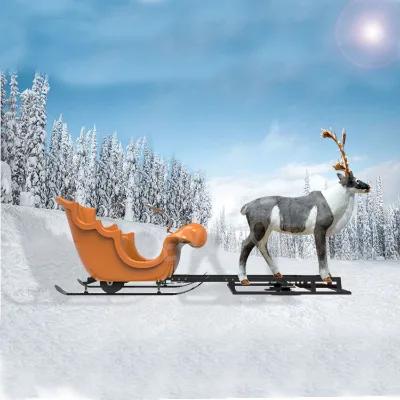


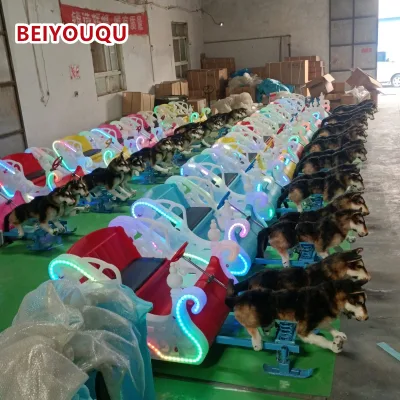
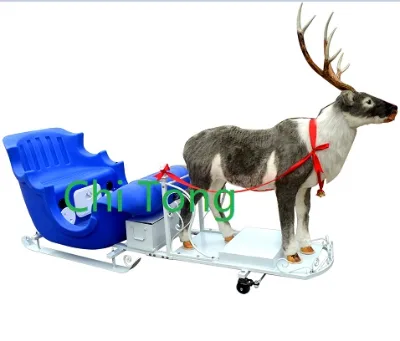
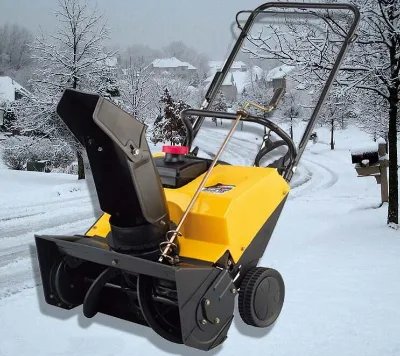
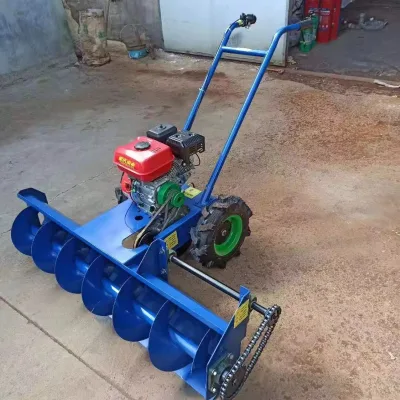
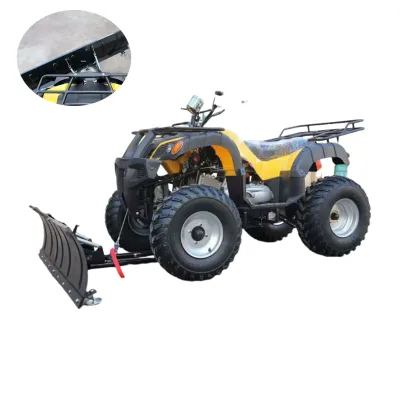
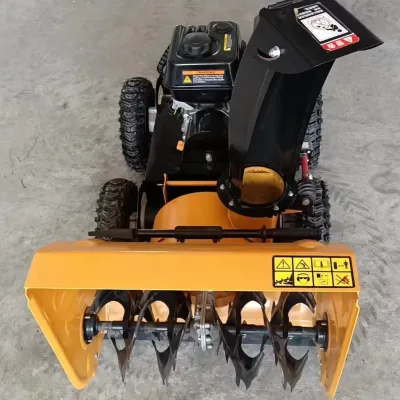
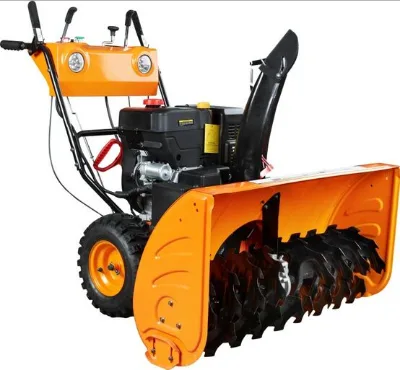
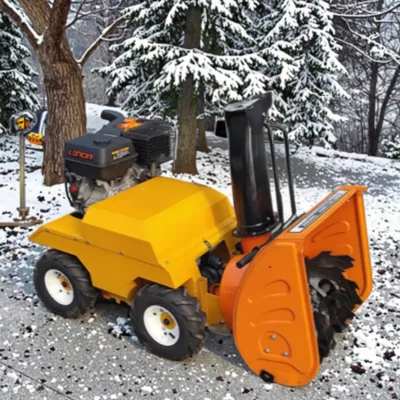


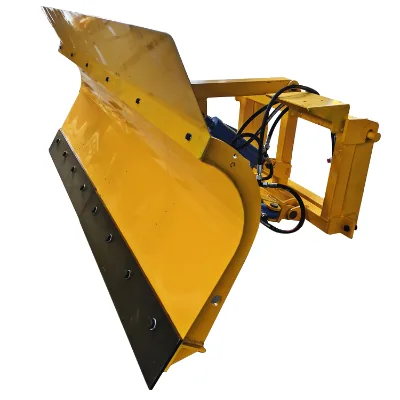
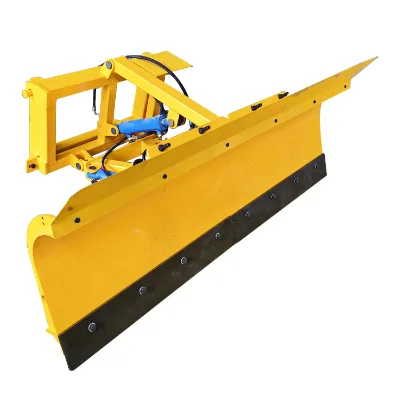
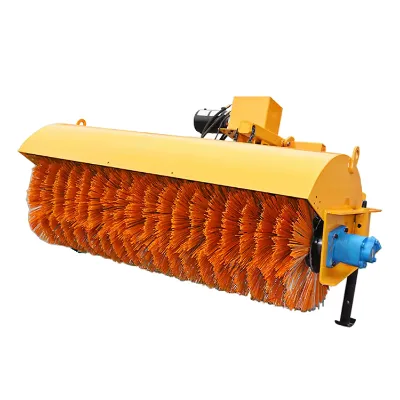
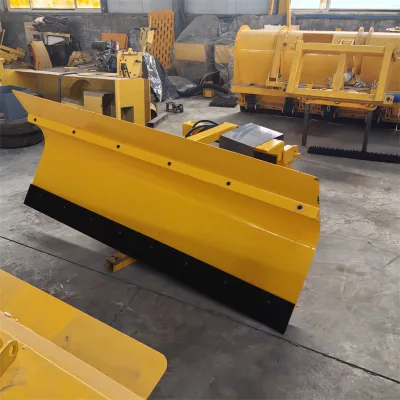
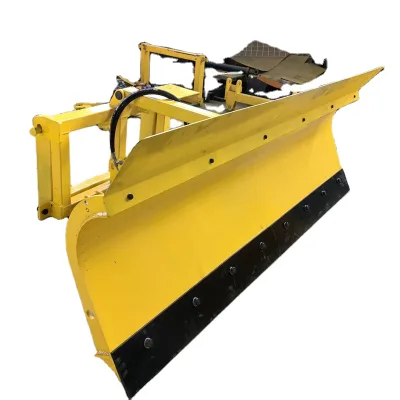
China Factory Direct Multifunctional Snowplow Snow Sweeper Low Price Sale
$4500.00 - $7500.00
MOQ: 1 Minimum
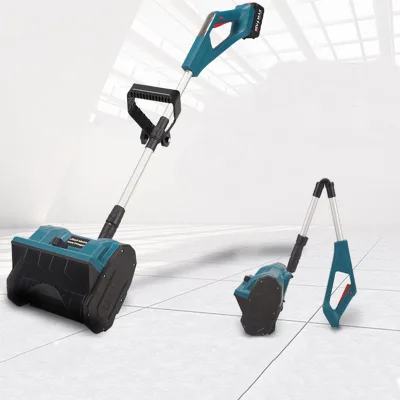

Household Snow Blower, Snow Sweeper, Electric Snow Thrower with Adjustable Handle (EST003)
$10.00 - $11.00
MOQ: 300 Pieces


1300W Electric Mini Snow Blower, Snow Sweeper, Snow Thrower (EST002-A)
$25.30 - $28.70
MOQ: 300 Pieces


1300W Power Shovel Electric Snow Thrower Garden Mini Snow Plow (EST002-B)
$33.00 - $43.00
MOQ: 500 Pieces
Comprehensive Sourcing Guide
Strategic Sourcing Guide for Electric Deer Pulling Snow Sledges
Understanding Product Definitions and Technical Variability
When initiating a procurement strategy for Electric Deer Pulling Snow Sledges, buyers must first navigate the complex landscape of product definitions and technical specifications. The core keyword suggests a specialized piece of equipment designed for snow removal in environments where traditional heavy machinery is impractical, such as residential areas, resorts, or specific agricultural settings. However, the available market data reveals a significant divergence in product attributes that directly impacts sourcing decisions. The observed product range includes items explicitly labeled as "Snow Removal Tool" and "Snowplow," yet the power sources vary considerably. While the target keyword specifies "electric," the supplied product facts indicate a mix of power sources, including "feet" (manual), "6.5HP" engines, and "7.5 hp" drive horsepower units. This discrepancy necessitates a rigorous verification process to ensure the supplier provides the specific electric configuration required, rather than a gas-powered alternative that might appear in generic search results.
The technical specifications for these units are highly variable. Dimensions observed in the market range from compact units measuring 1028476 cm to larger industrial models with dimensions of 2900 x 1300 x 1200 mm. Weight is another critical differentiator, with observed values spanning from 82 kg to 150 kg. Buyers must determine the appropriate working width for their specific application, as the data shows working widths ranging from 62 cm to 1400 mm. The maximum working thickness capability is also a vital specification, with some units rated for up to 52 cm of snow depth. Furthermore, the mechanism of operation varies; some products utilize a "Pull-operated start" method, while others are described as "Hand-push/self-propelled auger type." The maximum snow throwing distance is another performance metric that fluctuates, with observed ranges of 0-12 meters. Understanding these technical variances is the first step in filtering the 30 observed products to find those that truly match the "electric deer pulling" requirement.
Compliance, Certification, and Safety Standards Verification
In the B2B procurement of snow removal equipment, compliance and safety standards are paramount, particularly when the equipment involves electric motors and heavy mechanical components. The supplied product facts mention "Core Components" such as "Engine" and "Motor," indicating that the internal architecture of these machines is a primary area of focus for quality assurance. However, the data does not explicitly list specific international certifications like CE, UL, or ISO standards for the electric variants. This absence requires the buyer to actively verify compliance rather than assuming it based on the product listing.
Buyers should request documentation proving that the electric motors and battery systems (if applicable) meet the electrical safety standards of the destination country. For products originating from China, specifically from locations like Shanghai and Shandong as noted in the supply data, verifying that the manufacturer adheres to local export regulations and international safety norms is essential. The "Video outgoing-inspection: Provided" feature mentioned in the data is a valuable tool for remote quality assurance, allowing buyers to visually inspect the assembly and safety features before shipment. However, this should be supplemented with third-party testing reports for electrical safety, particularly regarding insulation, grounding, and overload protection.
Additionally, the "Warranty" period observed is consistently listed as "1 Year" or "One year." While this provides a baseline for after-sales support, it does not replace the need for compliance verification. Buyers must ensure that the warranty covers not just mechanical failure but also electrical component integrity. The "Core Components" list includes the engine or motor, which are the most critical parts for safety. If the product is intended for commercial use in "shopping mall" or "resort hotel" environments, the equipment must likely meet stricter occupational safety standards than those required for "home" or "residential" use. The buyer must explicitly ask suppliers for certification documents specific to the intended application environment to mitigate liability risks.
Cost Drivers and Pricing Structure Analysis
The pricing structure for snow removal equipment is influenced by a multitude of factors, including material composition, power source, and manufacturing complexity. The observed listed price range in the market data is extensive, spanning from 3.8 USD to 7500 USD. This wide variance indicates that the category encompasses everything from simple manual tools to complex, high-capacity electric snowplows. The "Selling Units" are listed as "Single item," suggesting that the pricing is typically per unit rather than per batch, though the "MOQ range" of 1-500 implies that bulk purchasing can significantly alter the unit cost.
Material composition is a primary driver of cost. The data lists materials such as "PE," "Alloy," "plastic," and "Aluminum." Units constructed primarily with high-grade aluminum and alloy components will generally command a higher price point than those relying heavily on plastic or lower-grade metals. The weight of the unit, ranging from 82 kg to 150 kg, often correlates with the amount of material used and the robustness of the frame, which directly impacts the manufacturing cost. Furthermore, the power source is a critical cost determinant. While the target keyword specifies "electric," the market data shows a prevalence of gas-powered units with "6.5HP" and "7.5 hp" engines. Electric motors with high torque capabilities and integrated battery systems (if not just electric motors) are typically more expensive to manufacture than standard combustion engines.
The "Fuel tank capacity" of 3.6 L noted in the data applies to gas-powered models, which may have different cost structures compared to electric units that require battery management systems. Buyers should be aware that the lower end of the price range (around 3.8 USD) likely corresponds to basic, non-motorized, or low-specification tools, whereas the higher end (up to 7500 USD) likely represents heavy-duty, self-propelled, or high-capacity electric models. The "Color" attribute, which can be "Customer Required" or "Blue," suggests that customization adds to the cost. Similarly, the "Logo" customization with "ChiTong" or "KRD" branding may involve additional tooling or setup fees. Understanding these cost drivers allows buyers to negotiate more effectively and set realistic budget expectations based on the specific technical requirements of their project.
Typical Applications and Operational Scenarios
The versatility of snow removal equipment is evident in the diverse "Applications" listed in the product data. These include "Snow removal on roads, fields, mountain roads, etc.," as well as specific venue types such as "home, resort hotel, School, commercial, shopping mall, residential." This broad spectrum of applications dictates the necessary specifications for the equipment. For instance, a "resort hotel" or "shopping mall" environment may require a machine with a wider working width (up to 1400 mm) and a higher throwing distance (up to 12 meters) to clear large paved areas efficiently. In contrast, a "home" or "residential" application might prioritize maneuverability and a smaller footprint, aligning with the 1028476 cm dimensions observed in some models.
The "Sweeping Method" is another factor that influences application suitability. The data indicates "Hand-push/self-propelled auger type" options. Self-propelled units are ideal for large commercial areas or fields where operator fatigue is a concern, while hand-push models may suffice for smaller residential driveways or paths. The "Working Efficiency" of 9 hm/h (hectares per hour) is a key metric for commercial buyers who need to clear large areas within a specific timeframe. For "mountain roads" or "fields," the "Maximum working thickness" of 52 cm becomes critical, as these environments often accumulate deep, heavy snow that requires robust machinery.
The "Snow outlet rotation angle" of 190 degrees is a specific feature that enhances operational flexibility, allowing the operator to direct snow away from obstacles or into specific disposal areas. This feature is particularly valuable in "commercial" settings where space is limited and precise snow placement is necessary. The "Fuel tank capacity" and "Drive Horsepower" (7.5 hp) noted in the data suggest that some units are designed for prolonged operation in demanding conditions. Buyers must match these operational capabilities to their specific use cases to ensure the equipment can handle the expected snow volume and terrain conditions without frequent downtime or mechanical failure.
Supplier Evaluation and Origin Verification
Evaluating suppliers for snow removal equipment requires a careful analysis of their location, brand consistency, and production capabilities. The supplied data indicates that products originate from "Shanghai, China" and "Shandong, China." These regions are known for their manufacturing hubs, but the presence of multiple origin points suggests a fragmented supply chain. Buyers should verify the specific factory location to ensure it aligns with their logistical preferences and to assess the local regulatory environment. The "Place of Origin" is listed as "sahndong china" in some instances, which appears to be a typo for "Shandong," highlighting the need for buyers to verify the accuracy of all product information provided by the supplier.
Brand consistency is another critical factor. The data lists multiple brand names, including "Chi Tong," "ChiTong," and "KRD." This variation suggests that some suppliers may be trading under different brand names or that the market includes both OEM and ODM products. Buyers should clarify whether they are purchasing a branded product or a generic unit that can be rebranded. The "Logo" attribute confirms that customization is possible, which is a common practice in B2B procurement. However, buyers must ensure that the supplier has the legal right to use the specified brand names and that the branding does not infringe on existing trademarks.
The "Video outgoing-inspection: Provided" feature is a significant indicator of supplier transparency. It allows buyers to conduct a visual audit of the production process and final product quality before shipment. This is particularly useful for verifying the "Core Components" and ensuring that the "Engine" or "Motor" matches the specifications promised. Buyers should also evaluate the supplier's capacity to handle the "MOQ range" of 1-500. A supplier capable of fulfilling small orders (MOQ 1) may be suitable for pilot testing, while a supplier with a higher MOQ capacity might offer better economies of scale for large-scale deployments. The "Warranty" of one year is standard, but buyers should inquire about the supplier's after-sales support network, including the availability of spare parts and technical assistance in the buyer's region.
Quality Control and Long-Term Procurement Considerations
Quality control is essential for ensuring the longevity and reliability of snow removal equipment. The "Material" composition, including "PE," "Alloy," "plastic," and "Aluminum," plays a crucial role in the durability of the machine. Buyers should request material certificates to verify the grade and quality of the metals and plastics used. The "Weight" of the unit, ranging from 82 kg to 150 kg, can be an indicator of build quality, but it must be balanced against the "Working Width" and "Maximum working thickness" to ensure the machine is not over-engineered or under-built for its intended purpose.
Long-term procurement considerations extend beyond the initial purchase price. The "Warranty" period of one year is a baseline, but buyers should negotiate extended warranty terms or service level agreements (SLAs) for critical components like the "Motor" or "Engine." The "Packaging" method, described as "Thin film packaging," is standard but should be evaluated for its ability to protect the equipment during long-distance shipping, especially given the "Packaging Dimensions" of 15001450950 mm. Proper packaging is vital to prevent damage to the "Snow outlet" and other sensitive mechanical parts.
Buyers should also consider the "Function" of the equipment, which is listed as a "Snow Removal Tool." This broad classification requires specific verification of the "Starting Method" and "Drive Horsepower" to ensure the machine can start reliably in cold conditions. The "Maximum snow throwing distance" of 0-12 meters is a performance metric that should be tested in real-world conditions to confirm its accuracy. Finally, the "Color" and "Logo" customization options should be aligned with the buyer's corporate identity and branding requirements. By focusing on these quality control and long-term factors, buyers can secure a reliable supply chain for their snow removal needs, ensuring that the equipment performs effectively over multiple seasons and minimizes downtime.
Comparative Analysis of Product Specifications
To facilitate a clear comparison of the available options, the following table summarizes the key technical specifications observed in the market data. This comparison highlights the diversity in dimensions, power, and capacity, aiding buyers in selecting the most suitable unit for their specific requirements.
| Specification | Model A (Compact) | Model B (Mid-Range) | Model C (Heavy Duty) |
|---|---|---|---|
| Model Number | TRi-200 | KRD-PXJ16 | KRD-ZZS |
| Dimensions (LWH) | 1028476 cm | 15001450950 mm | 2900 x 1300 x 1200 mm |
| Weight | 82 kg | 82 kg | 150 kg |
| Working Width | 62 CM | 102 cm | 1400 mm |
| Max Working Thickness | N/A | 52 CM | N/A |
| Power Source | Feet (Manual) | 6.5HP (Engine) | 7.5 hp (Drive) |
| Drive Horsepower | N/A | N/A | 7.5 hp |
| Snow Throwing Distance | N/A | 0-12 meters | N/A |
| Snow Outlet Rotation | N/A | 190 degrees | N/A |
| Working Efficiency | N/A | 9 hm/h | N/A |
| Core Component | N/A | Engine | Motor |
| Material | PE, Alloy | PE, Alloy | PE, Alloy |
| Color | Customized | Blue | Blue |
| Warranty | 1 Year | 1 Year | One year |
| Place of Origin | Shanghai, China | Shandong, China | Shandong, China |
This table underscores the importance of matching specific technical parameters to the buyer's operational needs. The variation in dimensions and power sources necessitates a detailed review of the product data sheet before finalizing any procurement decision. By carefully analyzing these specifications, buyers can ensure they select a snow removal solution that offers the optimal balance of performance, durability, and cost-effectiveness for their specific application.
FAQs
What power sources are available for snow removal tools?
Available power sources include manual foot power, 6.5HP engines, and 7.5 hp drive horsepower units. Buyers must verify if the specific listing matches the required electric configuration, as many observed products are gas-powered rather than electric.
Which working widths are offered for snow plows?
Observed working widths range from 62 cm to 1400 mm depending on the model. Larger units like the KRD-ZZS offer a 1400 mm width suitable for commercial roads, while compact models suit residential driveways.
Can I customize the logo and color of the machine?
Yes, customization is available for both logos and colors. Buyers can request specific colors like blue or custom requirements, and logos such as ChiTong or KRD can be applied to the equipment surface.
Where are these snow removal machines manufactured?
Products originate from manufacturing hubs in Shanghai and Shandong, China. Buyers should verify the specific factory location to ensure accurate shipping details and compliance with local export regulations.
What is the warranty period for these snow plows?
The standard warranty period is one year for both mechanical and electrical components. This coverage typically applies to the engine or motor core components but excludes damage from improper operation.