Source Electric Cream Filling Machine for Bread Cake Ice Cream
Explore 30 electric cream filling machines available for sourcing, featuring options for bread, cake, and ice cream applications. Buyers can compare specifications like voltage, power, and capacity to find the right equipment for their production needs.
Key considerations
Products List


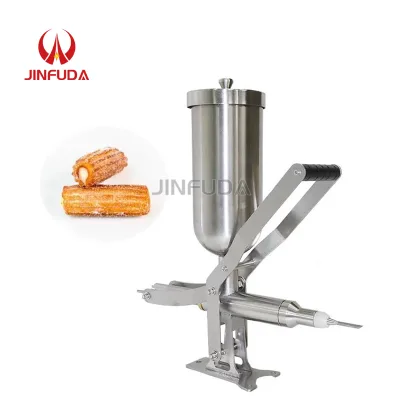
Cream Puff Injection Cupcake Decorating Cream Covering Filling Machine
$100.00 - $230.00
MOQ: 1 pieces
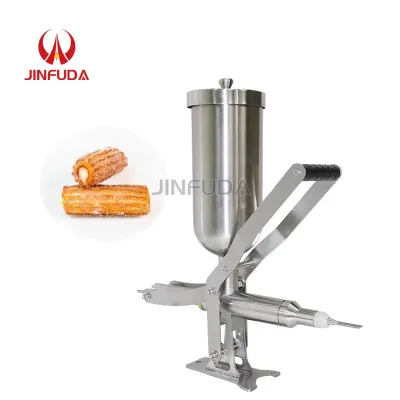
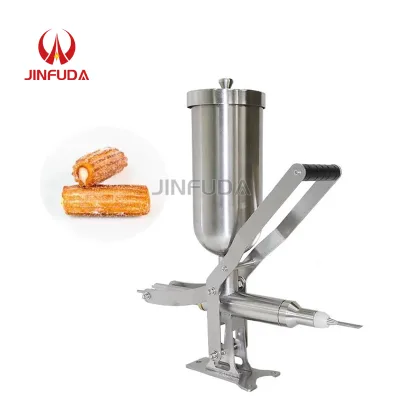
Factory New Stainless Steel High Rigidity Digital Control Size Filling Machine
$100.00 - $230.00
MOQ: 1 pieces


$10000.00 - $50000.00
MOQ: 1 Pieces


High-Precision Cream and Oil Liquid Filling Machine for Efficient Production
$2000.00 - $8000.00
MOQ: 1 Pieces

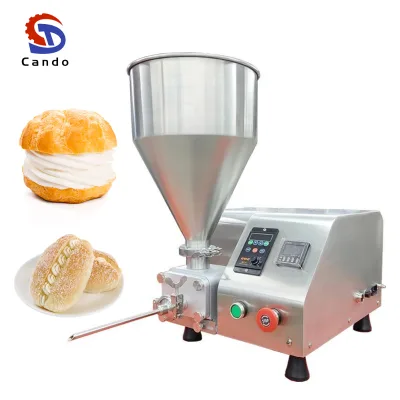
Comprehensive Sourcing Guide
Strategic Sourcing Guide for Electric Cream Filling Machines
Selecting the right Electric Cream Filling Machine is a critical decision for food processing operations aiming to optimize production efficiency while maintaining product integrity. The market offers a diverse array of automated solutions, ranging from compact units suitable for artisanal production to high-speed linear systems designed for industrial-scale output. This guide synthesizes observed market data and technical specifications to provide a structured framework for procurement professionals. By focusing on verified attributes such as voltage requirements, material composition, and operational capacity, buyers can navigate the complex landscape of food packaging machinery with confidence. The following sections detail the essential technical parameters, compliance considerations, and cost factors that define a successful procurement strategy for electric cream filling equipment.
Technical Specifications and Operational Capabilities
The core functionality of an Electric Cream Filling Machine is defined by its mechanical design, power requirements, and throughput capacity. Based on current market observations, these machines typically operate on a standard voltage of 220V and utilize an electric power source, ensuring compatibility with standard industrial power grids in many regions. The power consumption for specific models, such as the MH-F3000, is observed at 650W, indicating a relatively efficient energy profile for medium-duty applications. However, buyers must verify the specific wattage requirements for their intended production volume, as high-speed linear systems may demand significantly higher power inputs.
Material construction is paramount for food safety and machine longevity. The majority of high-quality units are fabricated from Stainless Steel 304, a grade widely recognized for its corrosion resistance and suitability for food contact surfaces. This material choice is essential when processing dairy products like cream, yogurt, or ice cream, which can be corrosive or require frequent sanitation. The structural design often features a linear configuration, allowing for smooth product flow and easy integration into existing production lines. For instance, specific models like the HT-GTJ1000 are designed with dimensions of 200011002200mm, highlighting the substantial footprint required for high-capacity units.
Capacity and speed vary significantly depending on the machine's configuration. Observed data indicates that some units operate at a rate of 30-80 pieces per minute, while others, such as the HT-ZXJ80, can achieve filling speeds of 1000-1200 bottles per hour. The filling range is another critical specification; certain machines are optimized for a volume of 100-1000ml, making them versatile for various container sizes. The injection number, which refers to the number of filling nozzles, typically ranges from 2 to 6 heads, directly influencing the machine's output rate. Furthermore, the dosing mechanism often employs a capacity cup or a pressure-based filling principle to ensure accuracy. For paste-like materials, the feed cylinder structure may utilize a multi-room feeding system to prevent clogging and ensure consistent flow.
Compliance, Certification, and Safety Standards
Navigating the regulatory landscape is a non-negotiable aspect of sourcing industrial food machinery. While specific certification statuses can vary by manufacturer, buyers should prioritize equipment that adheres to recognized international standards. Observed listings for certain models, such as the HT-GTJ000, indicate compliance with CE certification, which is a mandatory conformity mark for products sold within the European Economic Area. Additionally, some units may carry ISOCE certification, suggesting adherence to specific quality management or safety protocols. It is crucial for procurement teams to verify the validity of these certifications with the supplier, as the presence of a certification mark does not automatically guarantee that every unit in a batch meets the standard.
Beyond formal certifications, the machine's design must align with food safety hygiene standards. The use of Stainless Steel 304 is a primary indicator of compliance with general food processing regulations, as it resists rust and is easy to clean. The packaging material for the machine itself, often a fumigation-free wooden case or plywooden crate, is also relevant for export compliance, particularly when shipping from origins like Shanghai, China, or Henan, China. These packaging standards ensure that the machinery does not introduce pests or contaminants during transit. Buyers should also inquire about the air pressure requirements, which typically range from 0.4 to 0.8 mpa, to ensure that the facility's compressed air supply is sufficient for pneumatic lifting structures and other automated functions.
Cost Drivers and Pricing Dynamics
The pricing of electric cream filling machines is influenced by a complex interplay of factors, including automation level, material quality, and production capacity. The observed price range in the market is extensive, spanning from $100 to $500,000 USD. This wide variance reflects the difference between small-scale, semi-automatic units and fully automated, high-speed production lines. A machine with a capacity of 30-80 pieces per minute will naturally command a different price point than a linear system capable of 1000-1200 bottles per hour.
Weight and physical dimensions are also significant cost drivers. Heavier machines, such as those weighing 230kg, often incorporate more robust internal components and higher-grade materials, contributing to a higher unit cost. The complexity of the control system, such as the inclusion of a timing device, adds to the engineering cost but provides greater precision in the filling process. Additionally, the customization level affects pricing; while some models are available as non-customized standard units, others offer customized configurations to meet specific production needs. Buyers should be aware that the initial purchase price is only one component of the total cost of ownership. Factors such as the energy type (electric), the specific application (e.g., ice cream vs. chocolate), and the required process (frozen and chilled) can all impact the final investment.
Typical Applications and Process Compatibility
Electric cream filling machines are designed to handle a variety of viscous and semi-viscous products, with a primary focus on dairy and confectionery applications. Observed usage data highlights suitability for products such as bread, cake, ice cream, chocolate, milk, yogurt, milk powder, and cheese. The versatility of these machines allows them to adapt to different product consistencies, from liquid milk to thick pastes. The filling principle, often based on pressure or capacity cup mechanisms, ensures that the product is dispensed accurately without introducing air bubbles or causing splashing, which is critical for maintaining the texture of delicate items like ice cream.
The process requirements for these machines can vary. Some units are specifically engineered for frozen and chilled processes, requiring specialized temperature control to maintain product integrity during filling. The packaging container lifting structure, often pneumatic, allows for quick changeovers between different bottle or carton sizes. For applications involving box molding, the forming species must be compatible with the machine's output. The ability to handle multiple product types, such as switching between chocolate and yogurt, depends on the ease of cleaning and the flexibility of the dosing device. Buyers should ensure that the machine's filling range and speed align with their specific production schedule and product mix to maximize operational efficiency.
Supplier Evaluation and Origin Verification
When evaluating potential suppliers, buyers must scrutinize the origin of the machinery and the reputation of the manufacturer. The observed product origins include major manufacturing hubs such as Shanghai, China, Henan, China (Mainland), and Jiangsu, China. These regions are known for their industrial capabilities, but the specific location can impact logistics, lead times, and after-sales support. For example, a machine originating from Henan may have different shipping constraints compared to one from Shanghai.
Supplier reliability is further assessed through their product specifications and documentation. A reputable supplier will provide clear details on the product model, such as MH-F3000, HT-ZXJ80, or MCW02, along with precise dimensions and weight. The presence of a standard product model number indicates a level of standardization and quality control. Buyers should also verify the packaging standards, ensuring that the machine is shipped in a fumigation-free wooden box or case to meet international import regulations. Additionally, the availability of customization options, whether "Customized" or "Non-Customized," should be clearly stated to avoid misunderstandings regarding the final product configuration.
Quality Control and Long-Term Procurement Considerations
Ensuring the long-term reliability of an Electric Cream Filling Machine requires a robust quality control strategy. Buyers should verify the structural integrity of the machine, paying attention to the feed cylinder structure and the multi-head filling valve configuration. The use of high-grade materials like Stainless Steel 304 is a baseline requirement, but the quality of the welding and surface finish is equally important for hygiene. Regular maintenance of the timing device and pneumatic lifting structures is essential to prevent downtime and ensure consistent filling accuracy.
Long-term procurement considerations also include the availability of spare parts and technical support. The complexity of the machine, with its linear structure and multi-room feeding systems, necessitates a supply chain for replacement parts. Buyers should inquire about the lead time for critical components and the supplier's ability to provide training for operating and maintaining the equipment. The energy efficiency of the machine, indicated by its power rating and electric type, should be evaluated in the context of long-term operational costs. Finally, the ability to adapt the machine to future production needs, such as changing filling ranges or container types, is a key factor in the total cost of ownership. By focusing on these quality and sustainability factors, buyers can secure a reliable asset that supports their production goals for years to come.
Comparative Analysis of Machine Models
To assist in decision-making, the following table summarizes key observed specifications for representative models in the market. This comparison highlights the diversity in capacity, dimensions, and application focus, aiding buyers in selecting the most appropriate unit for their specific needs.
| Product Model | Origin | Power Source | Capacity/Speed | Material | Application Focus | Dimensions (Approx.) |
|---|---|---|---|---|---|---|
| MH-F3000 | Shanghai, China | Electric | 30-80 pcs/min | Stainless Steel 304 | Bread, Cake | N/A |
| HT-ZXJ80 | Henan, China | Electric | 1000-1200 bottles/h | Stainless Steel 304 | Paste, Cream | 18008001380mm |
| HT-GTJ1000 | China | Electric | High Speed | Stainless Steel 304 | Ice Cream, Chocolate | 200011002200mm |
| MCW02 | China | Electric | 33kg/300W | Stainless Steel 304 | Milk, Yogurt | N/A |
| WIP2 | Jiangsu, China | Electric | N/A | Stainless Steel 304 | Box Molding | 335x585x420mm |
This table illustrates that while all models share common traits like electric power sources and stainless steel construction, their specific applications and physical footprints vary widely. Buyers must match these specifications to their production requirements to ensure optimal performance.
FAQs
What voltage do electric cream filling machines typically use?
These machines typically operate on a standard voltage of 220V to ensure compatibility with industrial power grids. This specification is consistent across observed models like the MH-F3000, allowing for straightforward integration into existing facilities without requiring special transformers.
Which material is used for food contact surfaces on these machines?
High-quality units are fabricated from Stainless Steel 304 to ensure corrosion resistance and food safety. This material is essential for processing dairy products like cream and yogurt, as it resists rust and facilitates easy cleaning and sanitation protocols.
Can these machines handle frozen and chilled processes?
Yes, specific models are engineered to handle frozen and chilled processes like ice cream and chocolate filling. These units maintain product integrity during the filling operation, often utilizing specialized temperature control and pneumatic lifting structures for delicate items.
What is the typical filling speed range for these machines?
Filling speeds vary significantly, with some units operating at 30 to 80 pieces per minute and others reaching 1000 to 1200 bottles per hour. The exact speed depends on the machine configuration, such as the number of heads and the specific model selected for your production line.
Which certifications are available for these electric filling machines?
Certain models carry CE certification, which is mandatory for products sold within the European Economic Area. Some units may also feature ISOCE certification, indicating adherence to specific quality management or safety protocols required for international trade.
How are these machines typically packaged for international shipping?
Machines are commonly shipped in fumigation-free wooden cases or plywooden crates to meet export compliance standards. This packaging ensures the machinery does not introduce pests during transit and protects the equipment, which often weighs around 230kg, from damage.
What customization options are available for these filling machines?
Customization is available for specific production needs, though some models are sold as non-customized standard units. Buyers can request tailored configurations for dimensions, filling ranges, or automation levels to match their specific operational requirements and product types.