Source Electric Flameless Roller Stir-frying Machine for Sauce, Nuts, Chili
Compare 30 electric flameless roller stir-frying machines from verified suppliers. These units support cooking sauce, roasting nuts, and preparing chili with features like induction heating and stainless steel construction.
Key considerations
Products List
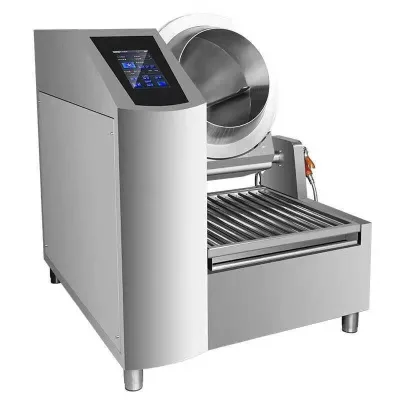
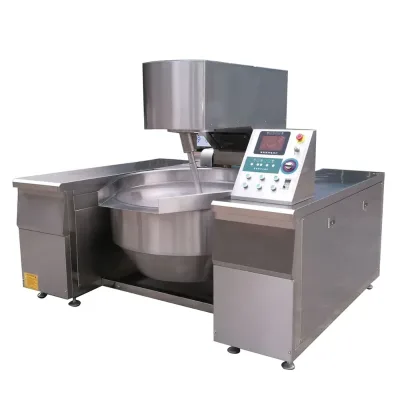
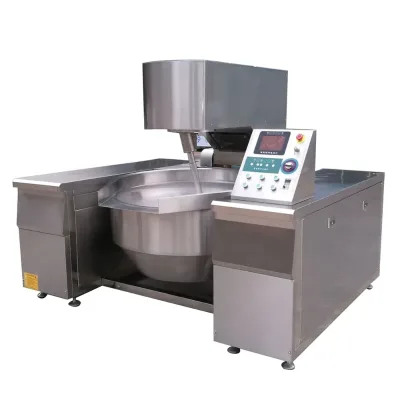
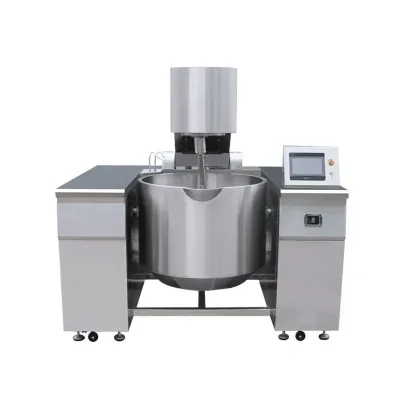
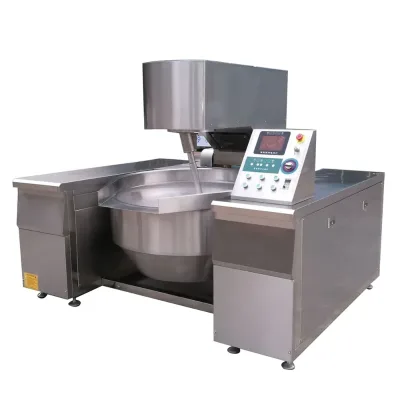
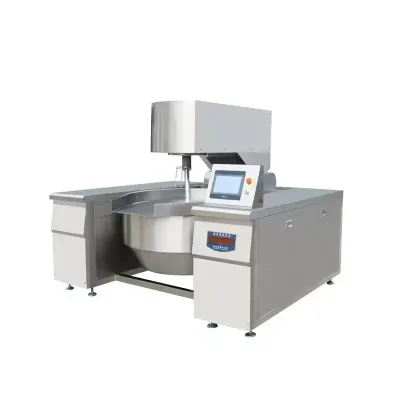
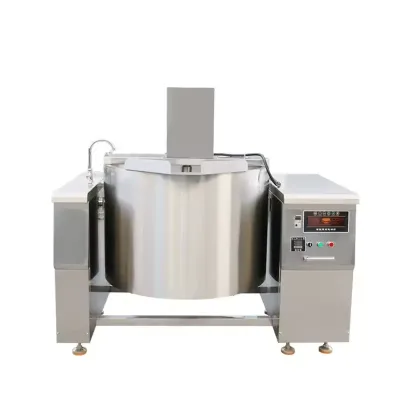
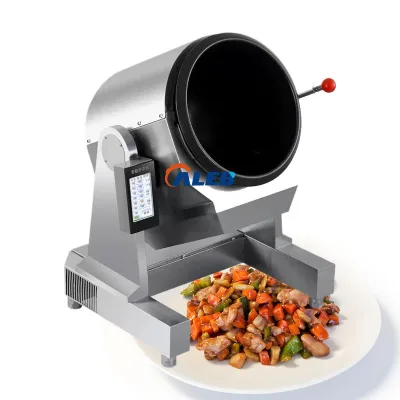
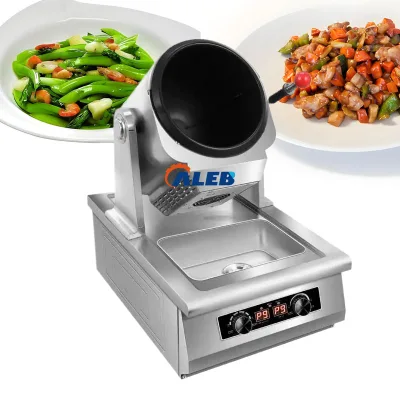


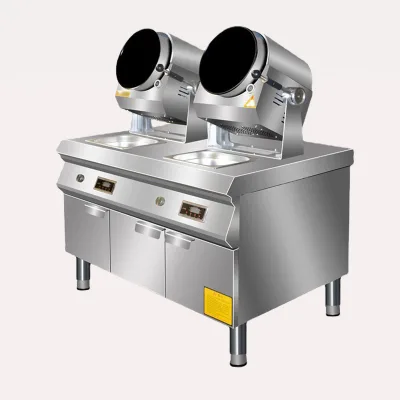



Intelligent Multifunction Gas Electric Automatic Stir Frying Machine Auto Rotation Cooking Drum
$4800.00 - $11000.00
MOQ: 1 Pieces

Food Processing Equipment Electric Cooking Kettle Machine with Scrapers
$5800.00 - $15000.00
MOQ: 1 Pieces

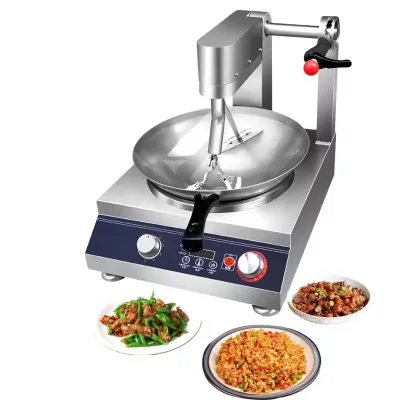
Wholesale Fried Rice Cooking Machine Pasta Automatic Stir Fry Robot Rotation Wok
$4800.00 - $11000.00
MOQ: 1 Pieces

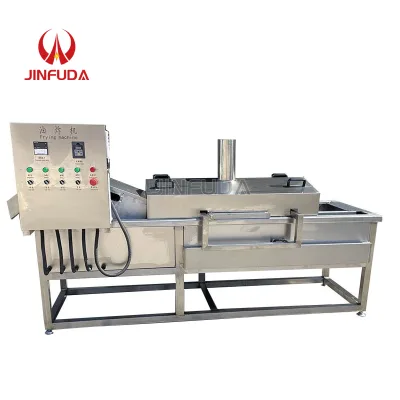


300L 500L 304 Stainless Steel Electric Cooking Machine Automatic Frying Machine
$3600.00 - $5500.00
MOQ: 1 set

Comprehensive Sourcing Guide
Sourcing Guide for Electric Flameless Roller Stir-Frying Machines
Understanding the Technology and Core Specifications
The electric flameless roller stir-frying machine represents a significant evolution in industrial food processing, designed to replace traditional open-flame cooking methods with precise, controllable thermal energy. These machines utilize electromagnetic induction heating or similar electric heating sources to generate heat without direct combustion. This approach eliminates the need for gas lines or fuel storage, offering a cleaner operational environment and reducing the risk of fire hazards associated with open flames. The core mechanism typically involves a rotating drum or roller system that ensures uniform heat distribution and continuous mixing of ingredients.
Based on observed market data, these units are frequently powered by electricity, with voltage requirements often standardized at 380V/50HZ for industrial applications. This three-phase power supply is essential for handling the high wattage demands of industrial-scale cooking. The power consumption for such machinery can be substantial, with observed specifications reaching up to 30KW for heavy-duty models. The heating mode is a critical differentiator; many modern units employ electromagnetic induction heating, which provides rapid heat-up times and precise temperature control compared to traditional resistance heating elements.
The construction of these machines prioritizes durability and hygiene. The primary material observed in high-quality units is Stainless Steel, specifically SUS 304 grade, which offers excellent corrosion resistance and is compliant with food safety standards. The structural integrity of the machine is often supported by a robust frame, with dimensions varying significantly based on capacity. For instance, large industrial models may measure approximately 2130mm in length, 1750mm in width, and 1980mm in height, while other configurations might extend to 2241mm by 1930mm by 1790mm. The weight of these machines is considerable, with some units weighing up to 1000kg, necessitating a reinforced factory floor and professional installation.
Compliance, Certification, and Safety Standards
When sourcing electric flameless roller stir-frying machines, verifying compliance with international and local safety standards is paramount. While specific certification labels vary by manufacturer and region, buyers must ensure that the electrical components meet relevant safety regulations for industrial equipment. The machinery test report is a crucial document to request; observed listings indicate that reputable suppliers often provide these reports to validate the performance and safety of the core components, such as the motor and heating elements.
Safety features should be explicitly verified during the evaluation process. Since these machines operate at high voltages and temperatures, the presence of thermal overload protection, emergency stop mechanisms, and proper grounding is non-negotiable. The material composition, specifically the use of SUS 304 stainless steel, is a key indicator of compliance with food hygiene regulations. Buyers should confirm that all food-contact surfaces are made from food-grade materials that do not leach harmful substances under high-heat conditions.
Furthermore, the warranty terms provide insight into the manufacturer's confidence in their product's compliance and durability. Observed warranty periods range from 1 to 2 years, covering defects in materials and workmanship. A longer warranty period often suggests a higher standard of quality control and adherence to safety protocols. It is essential to clarify what specific components are covered under the warranty, particularly the motor and heating systems, which are the most critical and failure-prone parts of the machine.
Cost Drivers and Pricing Dynamics
The pricing of electric flameless roller stir-frying machines is influenced by several factors, including capacity, material quality, automation level, and brand reputation. The observed price range in the market is extensive, spanning from approximately $168.4 to $25,000. This wide variance reflects the difference between smaller, semi-automatic units and large, fully automated industrial systems with advanced features.
The primary cost driver is the heating technology. Machines utilizing electromagnetic induction heating generally command a higher price due to the complexity of the technology and the efficiency of energy transfer. Additionally, the capacity of the machine, often measured in volume (e.g., 200 liters) or processing weight (1-20kg per batch), significantly impacts the cost. Larger machines with higher power ratings, such as the 30KW models, require more robust electrical components and heavier structural materials, driving up the price.
Material costs also play a significant role. The use of high-grade SUS 304 stainless steel is more expensive than lower-grade alternatives but is essential for longevity and food safety. Buyers should be wary of prices that seem too low, as they may indicate the use of inferior materials or reduced safety features. The minimum order quantity (MOQ) is another factor to consider; observed MOQs range from 1 to 10 units, allowing for flexibility in procurement for small to medium-sized enterprises. However, bulk purchases may offer better pricing structures, though specific discount tiers are not universally standardized.
Typical Applications and Operational Versatility
Electric flameless roller stir-frying machines are designed for a wide array of food processing applications, making them versatile assets for various industries. The primary function of these machines includes stir-frying, roasting, mixing, and planetary blending. This versatility allows them to handle diverse ingredients, from grains and nuts to sauces and pastes.
Specific applications observed in the market include the processing of peanuts, sunflower seeds, sesame, rice, chili, tea leaves, and various grains. The machines are particularly effective for roasting nuts and seeds, where uniform heat distribution is critical to prevent burning and ensure consistent flavor development. Additionally, they are suitable for cooking sauces, fillings, and tomato paste, where the planetary mixing action ensures thorough blending without overheating sensitive ingredients.
The ability to perform multiple functions in a single unit reduces the need for separate machinery, streamlining the production process. For example, a single machine can roast cashew nuts and then switch to stir-frying chili sauce, depending on the production schedule. This flexibility is particularly valuable for facilities that produce a variety of products or operate in seasonal markets where product lines change frequently. The application scope extends to making popcorn and other snack foods, highlighting the machine's adaptability to different culinary requirements.
Supplier Evaluation and Technical Support
Selecting the right supplier is critical for ensuring the long-term success of the procurement. Buyers should evaluate suppliers based on their technical expertise, after-sales service capabilities, and the availability of spare parts. One of the key indicators of a reliable supplier is the provision of video technical support. This service allows buyers to receive remote assistance for installation, troubleshooting, and operational training, which is invaluable for facilities with limited on-site technical expertise.
The brand name and reputation of the manufacturer should also be considered. While specific brand names like "XY Best" or "Awisy" appear in the market, buyers should focus on the overall track record of the supplier rather than just the brand label. It is essential to verify the supplier's ability to provide a machinery test report, which serves as evidence of the machine's performance and reliability.
Maintenance and ease of cleaning are also important factors in supplier evaluation. Machines designed with easy cleaning features reduce downtime and labor costs. Suppliers who offer detailed maintenance guides and training programs demonstrate a commitment to customer satisfaction. Additionally, the availability of core components, such as the motor, should be confirmed to ensure that repairs can be conducted quickly if necessary.
Quality Control and Long-Term Procurement Considerations
Implementing a robust quality control process is essential when sourcing electric flameless roller stir-frying machines. Buyers should conduct thorough inspections of the machine's construction, focusing on the quality of the stainless steel welds, the alignment of the roller system, and the integrity of the electrical connections. The dimension and weight specifications should be verified against the supplier's documentation to ensure the machine fits the intended facility layout and floor capacity.
Long-term procurement considerations include the machine's energy efficiency and maintenance requirements. Machines with high efficiency ratings will result in lower operating costs over time. Buyers should also consider the lead time for delivery and the availability of spare parts. A supplier with a strong inventory of spare parts and a quick response time for technical support can minimize production downtime.
The warranty period is a critical factor in long-term planning. While observed warranties range from 1 to 2 years, buyers should negotiate terms that cover critical components for the longest possible duration. Regular maintenance schedules should be established to ensure the machine operates at peak efficiency and to extend its lifespan. By focusing on these aspects, buyers can make informed decisions that balance initial costs with long-term operational value.
Comparison of Key Machine Attributes
To assist buyers in comparing different models, the following table summarizes key attributes observed in the market for electric flameless roller stir-frying machines. This comparison highlights the variations in specifications that may influence the purchasing decision.
| Attribute | Model A (Example) | Model B (Example) | Model C (Example) |
|---|---|---|---|
| Heating Mode | Electromagnetic Induction | Electric Resistance | Induction |
| Voltage | 380V/50HZ | 380V | 380V/50HZ |
| Power | 30KW | Variable | High Capacity |
| Material | SUS 304 Stainless Steel | Stainless Steel | SUS 304 |
| Dimensions (LWH) | 213017501980mm | 220017502090mm | 224119301790mm |
| Weight | 690kg | 1000kg | High |
| Capacity | 1-20kg | 200L Volume | Industrial |
| Functions | Stir fry, Roasting, Mixing | Roasting & Stir frying | Cooking, Mixing |
| Warranty | 2 Years | 1 Year | Variable |
| After-Sales | Video Technical Support | Standard Support | Video Support |
This table illustrates the diversity in specifications available in the market. Buyers should carefully match these attributes to their specific production needs, ensuring that the selected machine meets their capacity, power, and functional requirements. By understanding these variations, buyers can make more informed decisions that align with their operational goals and budget constraints.
FAQs
How is the heating mode of this machine configured?
The machine utilizes electromagnetic induction heating for rapid and precise temperature control. This electric heating source eliminates open flames, ensuring a safer operational environment while maintaining high efficiency for industrial cooking tasks.
What material is used for the machine construction?
The machine is constructed from SUS 304 stainless steel to ensure durability and food safety compliance. This material offers excellent corrosion resistance and meets hygiene standards required for processing diverse food items like nuts and sauces.
Which voltage specifications are required for operation?
The equipment operates on a 380V/50HZ three-phase power supply to handle high industrial wattage demands. This standard voltage ensures stable performance for heavy-duty applications such as stir-frying and planetary mixing in commercial facilities.
Can the machine perform multiple cooking functions simultaneously?
Yes, the unit supports stir-frying, roasting, mixing, and planetary blending in a single setup. This versatility allows users to process various ingredients including peanuts, chili sauce, and tomato paste without needing separate machinery for each task.
What warranty coverage is provided for the equipment?
Warranty periods typically range from one to two years depending on the specific model and supplier. This coverage protects against defects in materials and workmanship, offering buyers assurance regarding the longevity and reliability of the core components.
How much does the machine weigh for installation?
Unit weights vary significantly, with observed specifications ranging from 690kg to 1000kg for large industrial models. Buyers must ensure their facility floor can support this substantial weight during professional installation and daily operations.
What after-sales support is available for buyers?
Suppliers provide video technical support to assist with installation, troubleshooting, and operational training. This remote assistance ensures that facilities with limited on-site expertise can maintain efficient production schedules and resolve technical issues quickly.