Source Electric Assist Road Wheel Set for Mining, Marine, and Off-Road
Find 30 verified listings for the Electric Assist Road Wheel Set suitable for mining excavators, marine vessels, and off-road vehicles. Buyers can compare specifications, certifications, and customization options to select the right components for their industrial or automotive needs; compare the available evidence and request quotations based on your requirements.
Key considerations
Products List


Four Wheels off Road Electric Scooter Provide a Better Driving Experience
$65.00 - $80.00
MOQ: 50 Pieces


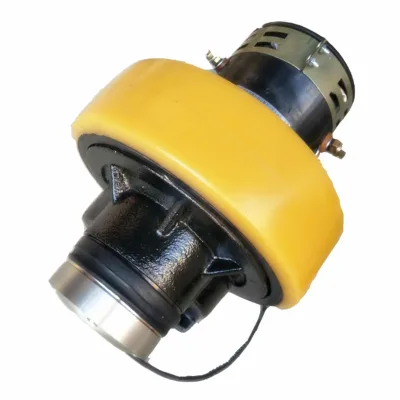
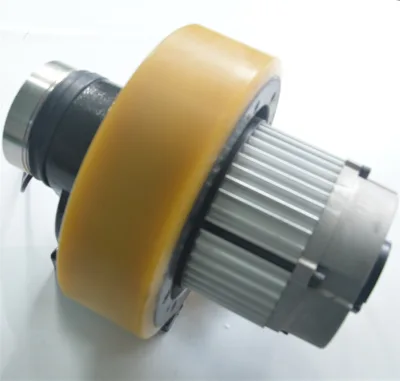
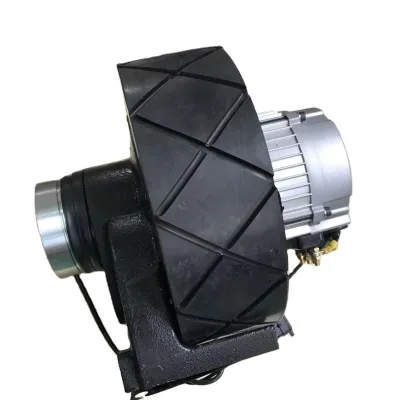


Power Wheelchair That Handles Every Road Condition
$380.00 - $420.00
MOQ: 5 Pieces
Shanghai Hubang Intelligent Rehabilitation Equipment Co., Ltd

Electric Wheelchair Designed for Durability and Control
$380.00 - $420.00
MOQ: 5 Pieces
Shanghai Hubang Intelligent Rehabilitation Equipment Co., Ltd


Comprehensive Sourcing Guide
Electric Assist Road Wheel Set Sourcing Guide
Sourcing electric assist road wheel sets requires a nuanced understanding of the intersection between mechanical durability and electronic integration. Buyers must recognize that these components are not merely passive rolling elements but active systems that often house motors, sensors, and power management interfaces. The observed market data indicates a wide variance in product models, ranging from standard industrial casters to specialized off-road configurations, suggesting that "electric assist" can refer to various levels of automation and power delivery. Procurement teams should first define whether the requirement is for light-duty mobility aids, heavy-duty industrial transport, or recreational off-road vehicles, as this distinction dictates the necessary technical specifications and compliance standards.
The supply chain for these specialized wheels is heavily concentrated in specific manufacturing hubs, with China emerging as a primary source for both standard and customized units. Suppliers often offer customization options for size, material, and finishing, which can significantly impact lead times and unit costs. Buyers should be prepared to engage in detailed technical discussions early in the sourcing process to ensure that the selected wheel set aligns with their specific voltage requirements, load capacities, and environmental operating conditions. Understanding the origin and customization capabilities of potential suppliers is crucial for managing expectations regarding production schedules and product compatibility.
Product Scope and Observed Listing Signals
The current market landscape for electric assist road wheels exhibits a broad spectrum of product types, from simple light casters to complex off-road wheel hubs. Observed listings include items classified as light casters with polyurethane wheels, as well as robust alloy rims designed for four-wheel-drive vehicles. This diversity highlights the importance of precise keyword filtering during the sourcing phase, as generic searches may yield irrelevant results. Buyers should look for specific indicators such as motor location, voltage ratings, and maximum speed capabilities to distinguish true electric assist systems from passive mechanical components. The presence of features like Bluetooth displays or specific drive wheel configurations further narrows the field to advanced, integrated solutions.
Pricing and minimum order quantities (MOQ) vary significantly across different product categories, reflecting the complexity of the underlying technology. While some basic caster units may have lower entry points, specialized off-road wheels with custom finishes and specific hub diameters often command higher prices and stricter MOQs. The observed data suggests that buyers can find options with MOQs as low as fifty pieces, which is advantageous for prototyping or small-batch production runs. However, larger orders may unlock better pricing tiers, making it essential to forecast demand accurately before committing to a supplier. Understanding these commercial signals helps buyers align their procurement strategy with their budgetary constraints and inventory requirements.
Technical Specifications to Verify
Verifying technical specifications is critical to ensuring that the Electric Assist Road Wheel Set meets operational demands. Key parameters to confirm include the wheel size, which can range from standard inch measurements to larger off-road dimensions, and the hub diameter, which must match the vehicle’s axle or mounting interface. Buyers should also verify the material composition, such as steel or alloy, as this affects weight, durability, and corrosion resistance. Additionally, the bearing type, whether ball bearing or otherwise, plays a significant role in the smoothness of operation and the overall lifespan of the wheel under load. These mechanical attributes must be cross-referenced with the electrical specifications to ensure holistic compatibility.
Electrical specifications are equally important and often overlooked in traditional wheel sourcing. Buyers must confirm the voltage and power rating of the integrated motor, as well as the maximum speed achievable under load. The location of the motor, whether front-wheel or rear-wheel drive, impacts the vehicle’s handling and stability characteristics. Furthermore, features such as braking systems, or the lack thereof, must be clearly defined to ensure safety and regulatory compliance. Customization options for color and style are often available, but these should not compromise the structural integrity or electrical performance of the unit. Detailed specification sheets from suppliers should be reviewed meticulously to avoid mismatches in the final assembly.
Compliance and Safety Documentation
Compliance with international standards is a non-negotiable aspect of sourcing electric assist road wheels, particularly when they are intended for use in regulated industries or consumer markets. Certifications such as CE, ISO9001, TUV, VIA, and DOT are frequently cited in product listings, indicating adherence to specific safety and quality benchmarks. Buyers must verify that these certifications are valid and applicable to the specific product model and its intended application. For instance, DOT certification is crucial for road-legal vehicles, while CE marking is essential for products sold within the European Union. Relying on unverified claims can lead to significant legal and safety risks, so documentation should be requested and validated before purchase.
Beyond certifications, buyers should inquire about the testing procedures and quality control measures implemented by the supplier. Understanding how the supplier validates the performance of the electric assist mechanism under various conditions can provide insight into the product’s reliability. Documentation should also cover any relevant standards for electromagnetic compatibility (EMC) and electrical safety, especially given the integration of motors and electronic displays. Ensuring that the supplier provides comprehensive compliance documentation not only facilitates smoother customs clearance but also builds trust with end-users who prioritize safety and regulatory adherence. This due diligence is essential for mitigating liability and ensuring long-term product success.
Cost Drivers and Commercial Terms
Several factors influence the total cost of ownership for electric assist road wheel sets, including material costs, manufacturing complexity, and customization requirements. The use of premium materials like alloy or specialized polyurethane can increase unit prices, while complex electronic integrations add to the manufacturing overhead. Buyers should also consider the impact of packaging and shipping, as items packed in pallets or individual cardboard boxes may incur different logistics costs. Understanding these cost drivers allows for more accurate budgeting and negotiation with suppliers, ensuring that the final price reflects the true value and quality of the product.
Commercial terms, including payment conditions and lead times, are critical components of the sourcing agreement. Suppliers may offer flexible MOQs, but larger orders often come with better pricing and potentially shorter lead times due to economies of scale. Buyers should negotiate clear terms regarding warranty, return policies, and after-sales support, especially for electronic components that may have a higher failure rate. Additionally, understanding the supplier’s production capacity and inventory levels can help in planning for peak demand periods. Transparent communication about these commercial terms helps in building a sustainable and reliable supply chain, reducing the risk of disruptions and unexpected costs.
Supplier Qualification and Quality Control
Qualifying suppliers for electric assist road wheel sets requires a thorough assessment of their manufacturing capabilities and quality control processes. Buyers should verify the supplier’s production facilities, including their equipment for machining, assembly, and testing. The presence of specialized processes, such as double edging or specific finishing techniques, can indicate a higher level of craftsmanship and attention to detail. Additionally, suppliers should have robust quality management systems in place, certified by recognized bodies, to ensure consistent product quality. Engaging with suppliers who demonstrate a commitment to quality through transparent processes and documented standards is essential for long-term success.
Quality control measures should extend beyond final inspection to include incoming material checks and in-process monitoring. Buyers should inquire about the supplier’s procedures for testing electrical components, such as motor performance and battery integration, to ensure reliability. Sampling and third-party inspections can provide additional assurance of product quality before shipment. Furthermore, suppliers should have clear protocols for handling defects and returns, ensuring that any issues are resolved promptly and fairly. By prioritizing suppliers with strong quality control practices, buyers can minimize the risk of receiving substandard products and maintain high standards of customer satisfaction.
Long-Term Procurement Checks
Long-term procurement success depends on establishing a continuous improvement loop with suppliers, focusing on performance monitoring and feedback. Buyers should track key performance indicators such as defect rates, delivery times, and responsiveness to issues. Regular audits and performance reviews can help identify areas for improvement and ensure that suppliers remain aligned with the buyer’s evolving needs. Building a collaborative relationship with suppliers fosters innovation and allows for joint problem-solving, which can lead to better product designs and more efficient supply chain operations. This proactive approach helps in maintaining a competitive edge and ensuring product quality over time.
Additionally, buyers should stay informed about technological advancements and regulatory changes that may impact the sourcing of electric assist road wheel sets. Keeping abreast of new materials, electronic components, and compliance requirements can help in making informed decisions and adapting to market shifts. Regularly reviewing and updating sourcing strategies ensures that the procurement process remains efficient and effective. By maintaining a strategic focus on long-term partnerships and continuous improvement, buyers can secure a reliable supply of high-quality electric assist road wheel sets, supporting their business goals and customer satisfaction.
FAQs
What certifications do the electric assist road wheel sets have?
The products hold CE, ISO9001, TUV, VIA, and DOT certifications. These standards ensure safety and quality for mining, marine, and special excavator applications. Buyers can verify these documents directly with the manufacturer to confirm compliance with international regulations before placing orders.
Can I customize the size and specifications of the wheels?
Yes, customization is available for various specifications including sizes ranging from 1.5 to 40 units. Buyers can request specific dimensions like 16 to 20 inches for wheel hubs. The manufacturer supports custom-made requests to meet unique project requirements and operational needs.
What is the minimum order quantity for these wheel sets?
The minimum order quantity is 50 pieces for standard orders. Some suppliers may accept lower quantities starting from one unit depending on the specific product model. Buyers should confirm the exact MOQ with the vendor to ensure their order meets the production threshold requirements.
Where are these electric assist road wheel sets manufactured?
The products originate from China, specifically from regions like Shandong and Nanchang in Jiangxi. Factories in these locations produce steel and alloy wheels with various finishing options. Buyers can request detailed location information to assess logistics and shipping costs for their specific destination.
What materials are used to construct the wheel accessories?
Materials include steel, alloy, and PU for different wheel types and applications. The finishing process often involves black coating for durability and aesthetic appeal. Buyers can select specific materials based on load requirements, such as the 60kg maximum load capacity for light caster wheels.
How are the products packaged for international shipping?
Packaging options include cartons, independent cardboard boxes, and pallets depending on the product type. Specific dimensions like 69 by 70 by 20 cm are used for certain models. Buyers should verify packaging details to ensure safe transport and efficient storage upon arrival at their facility.