Source electric off-road vehicle for farms, trails, and worksites
Explore 30 listings of electric off-road vehicle options featuring varying power outputs, battery capacities, and terrain capabilities. Buyers can compare specifications like speed, range, and braking systems to find the right model for utility or recreational use.
Key considerations
Products List
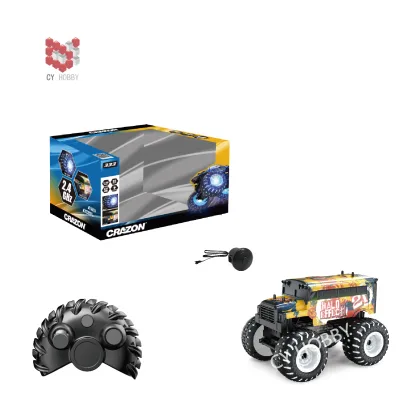


3000W Sports Electric off-Road Vehicle with Large Loading Fast Charging
$599.00 - $999.00
MOQ: 80 Pieces


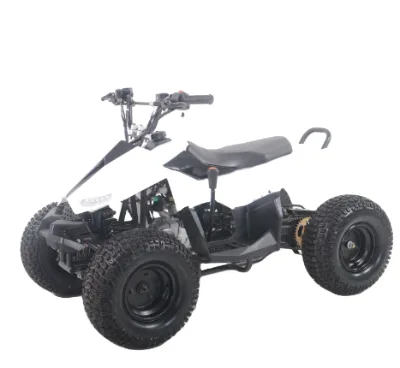

Electric Utility Vehicle Farm Utility Vehicle off-Road Utility Vehicle
$4200.00 - $4830.00
MOQ: 1 pieces


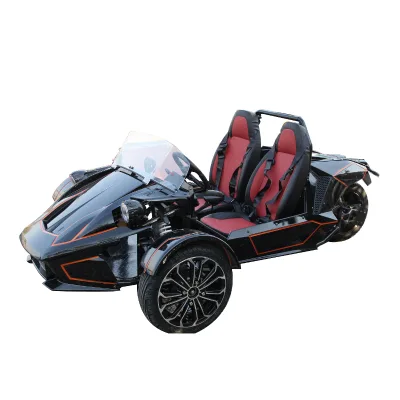
Comprehensive Sourcing Guide
Strategic Sourcing Guide for Electric Off-Road Vehicles
Understanding Technical Specifications and Performance Metrics
When evaluating electric off-road vehicles for procurement, buyers must first establish a clear baseline of technical specifications. The market presents a diverse range of configurations, from compact recreational units to heavy-duty utility vehicles. A critical observation in the current supply landscape involves the variance in power systems. Some units are engineered with high-voltage architectures, such as those operating at 72V, while others may utilize different voltage profiles. The power output is another significant differentiator; high-performance models often exceed 2000W, whereas utility-focused vehicles may be rated at specific kilowatt levels, such as 10KW, to balance efficiency with load capacity.
The propulsion system is central to off-road capability. Modern electric off-road vehicles frequently employ Permanent Magnet Synchronous Motor (PMSM) technology, which offers high torque density and efficiency. Transmission types vary, with automatic systems being common in utility applications to simplify operation for operators with varying skill levels. The controller is a vital component that dictates performance; a controller rated at 80A is often cited for managing high-power demands, ensuring smooth acceleration and braking.
Range and speed capabilities are paramount for operational planning. Buyers should note that maximum speeds can range significantly, with some models reaching up to 80km/h, while others are optimized for lower speeds around 52km/h to enhance safety and battery longevity. Range estimates are equally variable; a single driver might achieve up to 75km on a full charge, depending on terrain and load. Battery capacity is a key specification, with configurations like 72V 140AH providing substantial energy storage. The charging system typically involves an on-board charger, with charge times ranging from 9 to 10 hours, which impacts fleet turnover and scheduling.
Compliance and Certification Verification
Navigating the regulatory landscape is essential for importing electric off-road vehicles. Different markets require distinct certifications to ensure legal operation and safety. In the context of the observed supply chain, products have been identified with CE certification, indicating compliance with European safety, health, and environmental protection standards. Additionally, EEC (European Economic Community) certification appears in product listings, further validating adherence to specific regional regulations. For markets in North America, EPA certification is a critical requirement, ensuring that emissions and environmental standards are met, even for electric vehicles which may have specific battery disposal or manufacturing standards.
Buyers must verify that the specific unit they intend to purchase carries the necessary documentation for their target market. The presence of a certificate does not guarantee universal acceptance; it must be cross-referenced with local import laws. For instance, a vehicle certified for the EEC may require additional modifications or testing to be legally sold in other jurisdictions. It is also important to distinguish between different types of certifications, such as those related to electrical safety versus those related to vehicle roadworthiness. The supply data indicates that customization is available, which can be leveraged to meet specific regional compliance needs, but this must be confirmed with the supplier prior to order placement.
Cost Drivers and Pricing Structure Analysis
The pricing of electric off-road vehicles is influenced by a complex array of factors, resulting in a wide observed range from approximately $7.21 to $65,000. This disparity is not arbitrary but reflects the fundamental differences in vehicle class, power output, and component quality. Entry-level models, often featuring plastic frames and lower power outputs, occupy the lower end of the price spectrum. These units are typically designed for recreational use or light-duty tasks. In contrast, heavy-duty utility vehicles with steel frames, high-capacity batteries, and advanced motor systems command significantly higher prices.
Material composition is a primary cost driver. Vehicles constructed with steel frames offer superior durability and load-bearing capacity compared to those made primarily of plastic, justifying a higher price point. The battery system is another major cost component; a 72V 140AH lead-acid gel battery system represents a substantial investment compared to smaller, lower-capacity alternatives. Furthermore, the inclusion of advanced features such as LED lighting, disc brakes on both front and rear axles, and sophisticated gear systems (e.g., 1 Eco/2 Sports/3 Power/Reversing) adds to the manufacturing cost.
The Minimum Order Quantity (MOQ) also plays a role in the effective unit cost. The observed MOQ range spans from 1 to 100 units. Buyers purchasing single units may face higher per-unit costs compared to those placing bulk orders, which often unlock volume discounts. Packaging requirements, such as full wooden frames or specific wooden packing to prevent damage during transit, also contribute to the final landed cost. Buyers should request detailed breakdowns of these costs to understand the value proposition of each model.
Typical Applications and Operational Use Cases
Electric off-road vehicles serve a variety of applications, ranging from recreational activities to industrial utility tasks. The specifications of the vehicles dictate their suitability for different environments. For instance, models with a maximum speed of 80km/h and a power output exceeding 2000W are often suited for high-speed recreational trails or competitive racing scenarios. These vehicles typically feature a scale of 1:16 and are designed for users aged 8 to 13 years or 14 years and up, indicating a focus on youth and adult recreational markets.
Conversely, utility-focused models are designed for work environments. Vehicles with a dump bed capacity of 150kg and a loading capacity of 300kg are ideal for construction sites, agricultural operations, or large estate management. The ability to handle a 25-degree slope angle makes these vehicles suitable for hilly or uneven terrain where traditional vehicles might struggle. The inclusion of a reversing gear and multiple power modes (Eco, Sports, Power) allows operators to adapt to different work conditions, from fuel-efficient transport to high-torque hauling.
The indoor-outdoor capability of these vehicles adds versatility. While primarily designed for outdoor off-road use, some models can be utilized in large indoor facilities such as warehouses or manufacturing plants, provided the surface conditions are appropriate. The tire size, such as 12-inch or specific dimensions like 25x8-12 for the front and 25x10-12 for the rear, is selected to provide adequate traction and stability across various surfaces, from dirt and gravel to paved paths.
Supplier Evaluation and Origin Considerations
When evaluating potential suppliers, the place of origin is a critical factor. The majority of the observed supply originates from Guangdong, China, a region known for its robust manufacturing ecosystem for electric vehicles and components. This concentration of supply offers buyers access to a wide variety of models and competitive pricing. However, it also necessitates rigorous due diligence regarding the specific factory's capabilities and quality control processes.
Buyers should verify the supplier's ability to provide customization, as this is a stated feature in the product data. Customization can range from branding and color schemes to modifications in battery capacity or frame material. The availability of full wooden packing indicates a commitment to protecting the product during international shipping, which is a positive indicator of logistical competence.
It is imperative to assess the supplier's track record in handling certifications. A supplier that can consistently provide CE, EEC, and EPA certifications demonstrates a commitment to compliance and quality. Buyers should request proof of these certifications for the specific model they are purchasing, rather than relying on general claims. Additionally, the standard of packaging, such as the 1 cubic meter standard or specific dimensions like 19550115CM, should be confirmed to ensure efficient logistics planning.
Quality Control and Inspection Protocols
Ensuring the quality of electric off-road vehicles requires a structured approach to inspection and testing. Key areas of focus include the integrity of the frame material, the performance of the braking system, and the reliability of the electrical components. The braking system, often featuring disc brakes on both the front and rear, must be tested for responsiveness and durability under load. The ability to handle a 25-degree slope is a specific performance metric that should be verified through practical testing or third-party validation.
Battery performance is another critical quality checkpoint. The charge time of 9-10 hours and the rated capacity of 72V 140AH must be verified to ensure the vehicle meets the advertised range of 75km. Buyers should inquire about the battery type, such as lead-acid gel, and its expected lifespan under typical usage conditions. The controller, rated at 80A in some models, should be inspected for heat dissipation and protection against electrical surges.
The assembly state of the vehicle is also important. Products listed as "Ready-to-Go" suggest that they require minimal setup upon arrival, but buyers should still verify that all components are securely fastened and that the original box includes all necessary accessories. The inclusion of LED and bulb lighting systems should be tested for functionality and brightness. Finally, the net weight of 83kg for certain models serves as a benchmark for verifying the vehicle's build quality and material density.
Long-Term Procurement and Maintenance Considerations
Sourcing electric off-road vehicles is not just a one-time transaction but a long-term partnership that involves ongoing maintenance and support. Buyers should consider the availability of spare parts, particularly for critical components like the motor, controller, and battery. The use of standard components, such as 1.5V AAA batteries for controllers, can simplify maintenance, but the main battery system requires specialized handling.
The charging system, typically an on-board charger, should be compatible with the local power grid to avoid the need for additional adapters or converters. The gear system, with its multiple modes, offers flexibility but also introduces mechanical complexity that may require periodic servicing. Buyers should establish a maintenance schedule that includes regular checks of the tires, brakes, and electrical connections.
Furthermore, the customization options available from suppliers can extend the lifecycle of the vehicle. As operational needs change, the ability to upgrade battery capacity or modify the frame can be a significant advantage. However, any modifications must be performed by qualified personnel to maintain safety and warranty coverage. The packaging standard, such as the full wooden frame, ensures that the vehicle arrives in optimal condition, but long-term storage solutions should also be planned to protect the vehicle from environmental degradation. By focusing on these long-term factors, buyers can ensure a reliable and cost-effective procurement strategy for their electric off-road vehicle fleet.
FAQs
What is the maximum speed of the electric off-road vehicle?
The maximum speed reaches 80km/h for high-performance models, while utility variants are capped at 52km/h. Speed depends on the specific motor type and controller rating selected for your operational needs.
Can the vehicle handle steep slopes effectively?
Yes, the vehicle is designed to handle a 25-degree slope angle safely. This capability is supported by the disc braking system and appropriate tire dimensions for traction on uneven terrain.
Which certifications are available for these electric off-road vehicles?
Available certifications include CE, EEC, and EPA to meet various regional regulatory standards. Buyers must verify that the specific unit carries the necessary documentation for their target import market.
How much weight can the vehicle load or carry?
The vehicle supports a total loading capacity of 300kg with a dump bed capacity of 150kg. This makes it suitable for utility tasks in construction or agricultural environments requiring heavy hauling.
What is the battery capacity and charge time for the vehicle?
The battery capacity is 72V 140AH using lead-acid gel technology. It requires 9 to 10 hours to fully charge via the on-board charger system for a single driver range of 75km.
Are customization options available for the electric off-road vehicle?
Customization is available to meet specific regional compliance needs or operational requirements. Buyers should confirm details with the supplier before order placement to ensure modifications are feasible.
Where are these electric off-road vehicles manufactured?
The place of origin is Guangdong, China, a region known for robust electric vehicle manufacturing. Buyers should verify the specific factory's quality control processes due to the concentration of supply in this area.