Source Electric Oil Filling Machine for Bottles, Bags, and Metal
Find and compare 30 Electric Oil Filling Machine options for industrial sourcing. These units feature automatic or semi-automatic grades with rotary or piston structures, supporting vacuum or pressure filling principles for diverse packaging needs; compare the available evidence and request quotations based on your requirements.
Key considerations
Products List


Quantitative Electric Automatic Intelligent Essential Oil Filling Machine
$13000.00 - $19000.00
MOQ: 1 Pieces


New Customizable Automatic Edible Oil Electric Herb Oil Filling Machine
$11000.00 - $14000.00
MOQ: 1 Pieces


Bottle Edible Oil Machine Oil Filling Machine for Liquid Filling Machine
$5500.00 - $6150.00
MOQ: 1 Sets

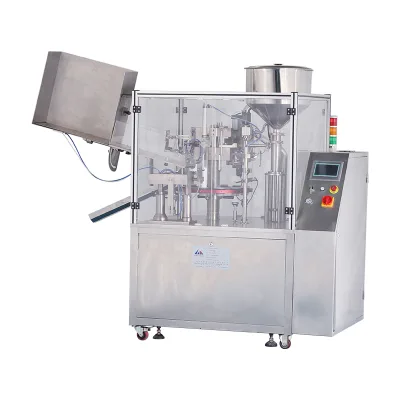


$5000.00 - $20000.00
MOQ: 1 Pieces


Bottle Filling Machine Liquid Filling Machine Oil Filling Machineengine Oil Filling Machine
$2000.00 - $10000.00
MOQ: 1 Pieces


Automatic Engine Oil Filling Machine Vegetable Edible Oil Filling Machine
$20000.00 - $25000.00
MOQ: 1 Pieces
Comprehensive Sourcing Guide
Electric Oil Filling Machine Sourcing Guide
Procurement of electric oil filling machines requires careful evaluation of the specific filling principles observed in the market, ranging from vacuum to pressure systems. Buyers must distinguish between volumetric and piston-based technologies, as the choice directly impacts the viscosity handling and precision required for different oil types. The observed data indicates a mix of single-room and multi-room feeding structures, which dictates the throughput capacity and operational complexity of the unit.
Selection also hinges on the packaging container lifting structure, with options like chute pneumatic combination lifting or simple pneumatic lifting available. These mechanical differences influence the machine's adaptability to various bottle shapes and sizes. Understanding whether the system utilizes a plunger dosing device or a capacity cup is essential for ensuring the final product meets volume accuracy standards without excessive waste or spillage during high-speed operations.
Product Scope and Observed Listing Signals
The market presents a diverse range of models, including specific designations like RGF, PX-BFC850, and GYF-16-5F, each tailored to distinct operational needs. Buyers should note that while some listings specify a rotary structure, others may feature different configurations suitable for semi-automatic or fully automatic grades. The observed price range spans from 68 to 50,000 USD, reflecting significant variations in automation levels, material construction, and included customization features.
Listing signals often highlight the packaging material, with metal and plastic options appearing alongside specific container types like bottles or bags. The presence of customizability is a key signal, allowing buyers to tailor the touch screen interface or specific mechanical components to their production line. However, the variation in packing standards, from export wooden packs to non-fumigation wooden boxes, requires immediate verification to ensure compliance with international shipping regulations and destination country requirements.
Technical Specifications to Verify
Verifying the driving mechanism is critical, as the observed data points to servo driving and electric driven types as primary options for modern efficiency. Buyers must confirm the voltage requirements, noting that 380V is a common specification, to ensure compatibility with existing facility power infrastructure. The automatic grade, whether fully automatic or semi-automatic, determines the level of human intervention required and directly affects the overall labor cost and production speed of the filling line.
The dosing device type, specifically plunger or capacity cup, must be matched to the oil's viscosity and the required fill accuracy. Additionally, the feed cylinder structure, whether single-room or multi-room, dictates the machine's ability to handle continuous flow versus batch processing. Buyers should also inspect the physical dimensions, as some listings provide specific measurements like 12009002200mm, which are vital for planning floor space and integration with upstream and downstream equipment.
Compliance and Safety Documentation
Safety documentation is paramount, with the presence of a frame equipped with an emergency switch being a standard observation across many listings. This feature is essential for immediate operator intervention in case of mechanical failure or unexpected movement, ensuring a safe working environment. Buyers must verify that the machine's design includes robust human protection measures that align with local occupational safety regulations and industry best practices for industrial machinery.
Certification status varies, with CE, ISO, SGS, and UL standards appearing in the observed data, though specific compliance for a particular unit must be confirmed. The standard listed as "CE ISO" or "CE, SGSISO, UL" indicates a general adherence to international norms, but buyers should request specific test reports for the exact model being purchased. Ensuring that the machinery meets the safety standards of the destination country is a non-negotiable step before finalizing any procurement agreement.
Cost Drivers and Commercial Terms
Cost drivers are heavily influenced by the level of customization and the complexity of the filling principle employed. Machines offering custom touch screens or specialized packing solutions often command higher prices, while standard models with fixed configurations may fall into the lower end of the observed price spectrum. The "Factory Price" and "Best Price and Good Quality" claims found in listings should be treated as marketing indicators rather than guaranteed final costs, requiring detailed negotiation to understand the true value proposition.
Commercial terms regarding packaging and shipping are equally critical, as the observed data shows a mix of wooden boxes, carton boxes, and export wooden packs. The origin location, ranging from Shanghai to Jiangsu, impacts logistics costs and lead times, which must be factored into the total cost of ownership. Buyers should clarify whether the quoted price includes the cost of the non-fumigation wooden box or if additional fees apply for specialized export packaging required by the destination port.
Supplier Qualification and Quality Control
Supplier qualification should focus on the availability of after-sales service, particularly the provision of engineers available to service machinery overseas. This capability is a strong indicator of a supplier's commitment to long-term support and their ability to resolve technical issues that may arise during installation or operation. Buyers must verify the specific terms of this service, including response times and travel costs, to ensure that downtime is minimized in the event of a mechanical failure.
Quality control extends to the condition of the machine, with "New" being a standard observation, but buyers should also inspect the manufacturing origin and material type. The use of metal and plastic components in the packaging material and machine structure requires verification of durability and resistance to corrosion, especially for oil filling applications. Confirming the supplier's track record with models like the SKY or cartridge filling machines can provide insight into their consistency and reliability in delivering high-quality industrial equipment.
Long-Term Procurement Checks
Long-term procurement checks must include a review of the machine's condition and the availability of spare parts for the specific model, such as the GYF-16-5F or PX-BFC850. Buyers should establish a clear protocol for maintenance and ensure that the supplier can provide a steady supply of critical components like dosing devices and lifting structures. This proactive approach prevents production stoppages and extends the operational lifespan of the filling machine beyond the initial warranty period.
Finally, buyers should monitor the evolution of standards and certifications, as regulations regarding CE, ISO, and UL may change over time. It is essential to maintain open communication with the supplier to ensure that any future upgrades or modifications to the machine remain compliant with current safety and environmental standards. Regular audits of the machine's performance against the original specifications will help maintain efficiency and ensure that the investment continues to deliver the expected return on investment.
FAQs
What filling principles are available for electric oil filling machines?
Electric oil filling machines typically utilize vacuum or pressure filling principles to ensure accurate dosing. These methods are selected based on the viscosity of the oil and the desired filling speed. The choice between vacuum and pressure depends on the specific application requirements and the type of packaging container being used for the final product.
Can these machines be customized for specific production needs?
Yes, customization is available for electric oil filling machines to meet unique production requirements. Buyers can specify details such as touch screen interfaces, automatic grades, and specific filling valve heads. This flexibility allows manufacturers to tailor the equipment to their exact operational workflows and packaging specifications.
Which certifications are standard for these filling machines?
Standard certifications for these machines typically include CE and ISO standards to ensure safety and quality compliance. Some models may also carry SGS or UL certifications depending on the manufacturer and target market. These certifications verify that the equipment meets international regulatory requirements for industrial machinery operation.
How is the automatic grade defined for these units?
The automatic grade for these units ranges from semi-automatic to fully automatic configurations. Fully automatic models often feature servo driving and rotary structures for high-speed production. Semi-automatic options provide more manual control, allowing operators to adjust settings and monitor the filling process closely during operation.
What packaging structures are supported by these machines?
These machines support various packaging structures including bottle, bag, and metal container formats. The lifting structure often uses chute pneumatic combination or pneumatic lifting mechanisms to handle different container types. This versatility allows the equipment to adapt to diverse packaging materials and shapes used in the oil industry.
Where are these electric oil filling machines typically manufactured?
These machines are typically manufactured in China, with origins in regions like Shanghai and Jiangsu. Manufacturers in these areas provide various models such as RGF or PX-BFC850. The production hubs offer competitive pricing and extensive customization options for international buyers seeking reliable filling solutions.