Source Electric Off-Road Remote Control Tank for Kids, Events, and Training
Compare 30 listings for electric off-road remote control tank options with varying speeds, climbing grades, and customization. Buyers can evaluate travel motors, drive modes, and warranty periods to find suitable units for recreational or educational use.
Key considerations
Products List


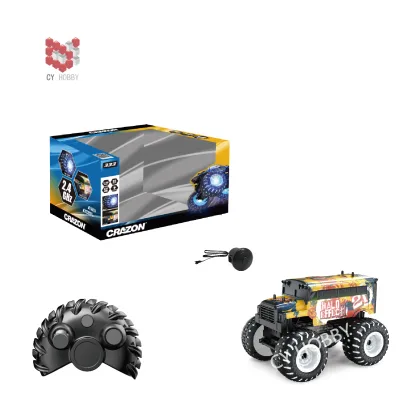
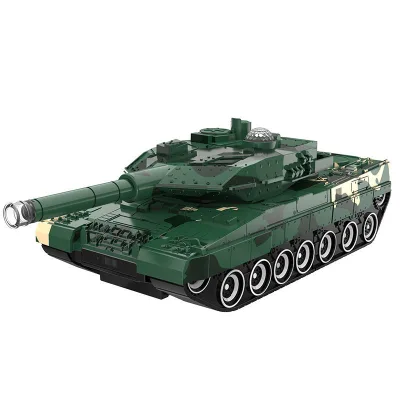
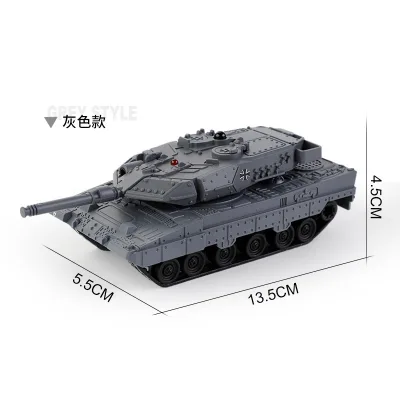
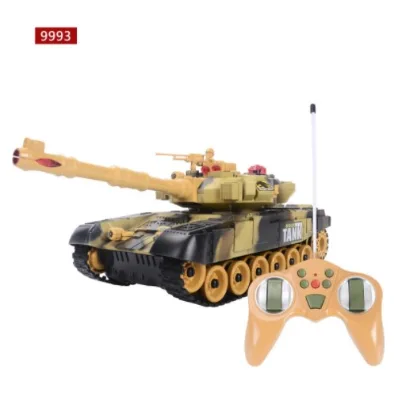

Rotating Turret Light Vehicles Model Toys RC Tank Mini Simulation Remote Control Tank
$9.08 - $9.28
MOQ: 400 Pieces
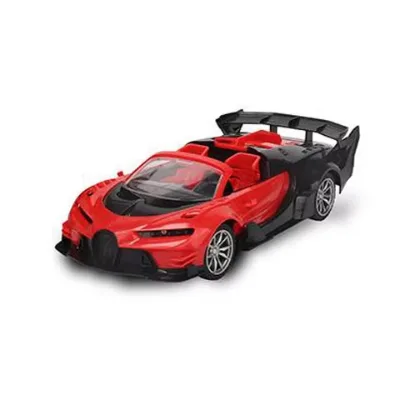
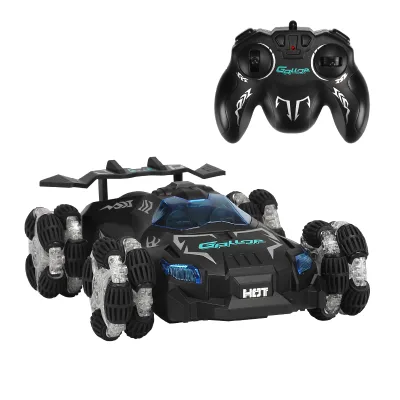
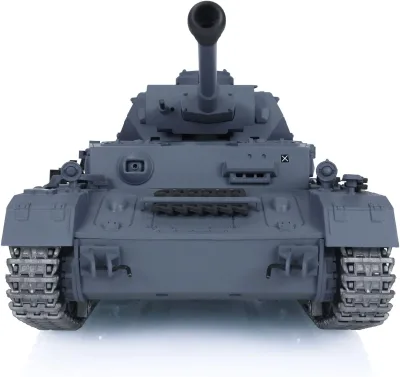
Henglong 1/16 7.0 Rc Tank Remote Control Tanks for Adult (3859 Upgraded Version)
$71.01 - $72.04
MOQ: 20 pieces
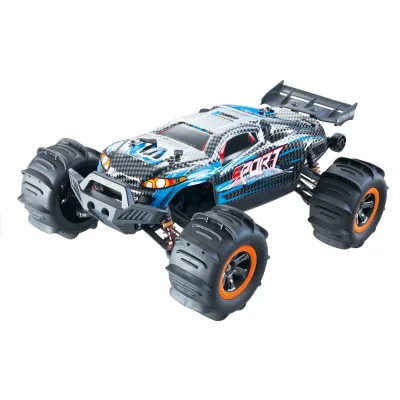
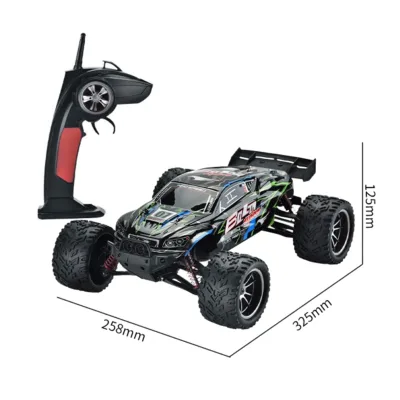
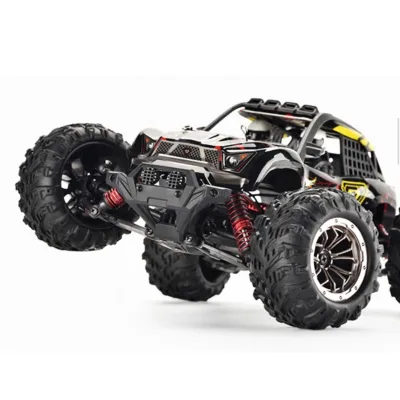


Realistic Tracked Kids Tank with Remote Control & Entertainment Features
$165.71 - $192.85
MOQ: 50 Pieces


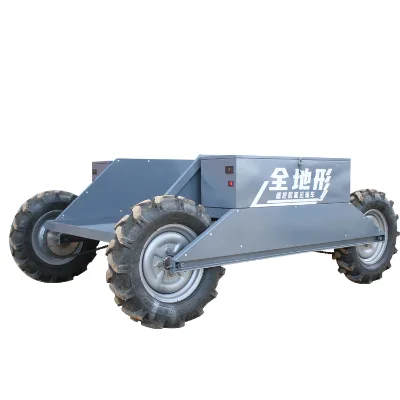
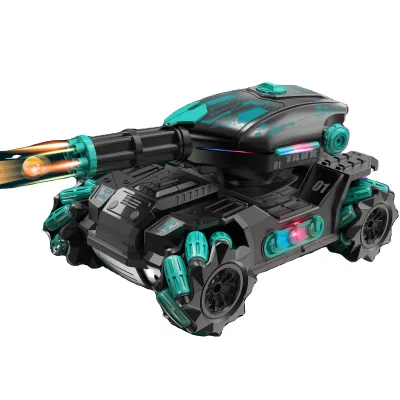
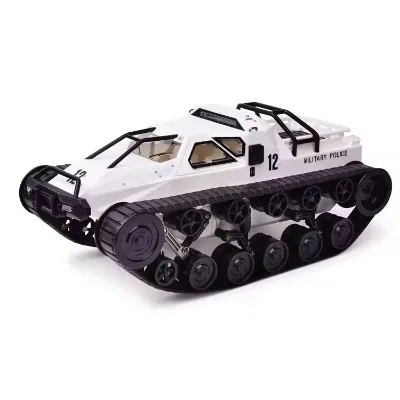

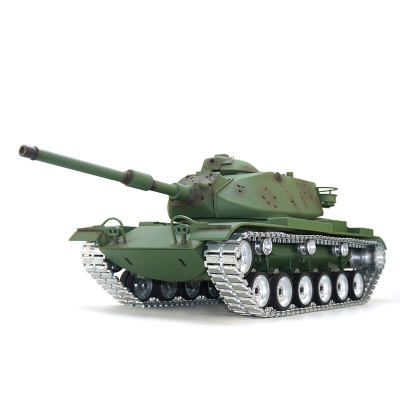
M60A3 USA 1/16 RC Remote Control Tank Model (Camouflage metal upgrade)
$251.00 - $280.00
MOQ: 20 Pieces
Comprehensive Sourcing Guide
Strategic Sourcing Guide for Electric Off-Road Remote Control Tanks
The global market for electric off-road remote control (RC) tanks has expanded significantly, driven by advancements in electric drive systems, durable chassis designs, and the increasing demand for high-performance hobbyist and educational equipment. For B2B buyers, procurement professionals, and institutional purchasers, sourcing these specialized vehicles requires a nuanced understanding of technical specifications, supply chain logistics, and compliance frameworks. This guide provides a disciplined approach to evaluating electric off-road RC tanks, focusing on the critical attributes observed in current market listings while adhering to strict evidence-based sourcing principles.
Technical Specifications and Performance Metrics
When evaluating electric off-road RC tanks, the primary focus must be on the drive system, mobility capabilities, and power management. The core of any off-road vehicle is its ability to traverse difficult terrain. Market observations indicate that electric drive modes are the standard for modern units, offering precise torque control and instant acceleration. A critical specification to verify is the travel motor rated power. Listings for heavy-duty models often cite configurations such as dual motors with a rated power of less than 600W each, totaling a significant output for a compact vehicle. This power level is essential for overcoming resistance on uneven surfaces.
Mobility is further defined by the travel speed and obstacle clearance. Buyers should look for units capable of speeds ranging from 0 to 15 km/h, which provides a balance between control and performance for off-road scenarios. The maximum obstacle height is another vital metric; a capability to clear obstacles up to 80mm is typical for models designed to handle rough terrain, rocks, and debris. Furthermore, the climbing grade is a direct indicator of traction and power. Specifications often cite a maximum climbing grade of 30 degrees, which is a robust benchmark for off-road performance.
The track system is the defining feature of an RC tank. The track width, observed in specific models as 100mm, plays a crucial role in ground pressure distribution and stability. A wider track generally improves flotation on soft surfaces like sand or mud. The wheel type is equally important; options such as nylon, polyurethane, or steel wheels offer different trade-offs between durability, noise reduction, and grip. For off-road applications, the material composition of the wheels and tracks must be verified to ensure they can withstand abrasion and impact without premature failure.
Power Systems and Operational Voltage
The electrical architecture of an RC tank dictates its runtime, charging requirements, and overall safety. The operating voltage is a fundamental specification that must be matched to the intended application. DC48V is a common operating voltage for professional-grade electric tanks, offering a good balance between power output and safety for operators. This voltage level is significantly higher than standard consumer electronics, requiring robust insulation and safety protocols in the design.
Power sources vary, with some units utilizing AC motors for specific high-torque applications, while others rely on DC systems. The controller battery requirements also differ; some models utilize 1.5V AAA batteries for the remote control, while others may require AA batteries. It is essential to verify whether the package includes the necessary batteries or if they must be sourced separately. The remote control distance is another critical operational parameter. Effective off-road use requires a reliable link, with observed ranges extending up to 25 meters. For more demanding environments, buyers should verify the signal stability and potential interference issues.
The scale of the vehicle is another specification that influences the power-to-weight ratio. A 1:16 scale is frequently observed, providing a realistic representation of full-sized military vehicles while maintaining manageable dimensions for indoor and outdoor use. The condition of the product is typically listed as "New," ensuring that the buyer receives a unit with full warranty coverage and un-degraded battery life.
Compliance, Certification, and Safety Standards
Navigating the regulatory landscape is a critical component of B2B procurement. While specific certification statuses for every listed product cannot be universally asserted without direct verification, buyers must be aware of the relevant safety standards. In the toy and hobbyist sector, standards such as ASTM F963-23 and EN71 are often referenced as benchmarks for safety. These standards cover mechanical hazards, flammability, and chemical composition, particularly for products intended for children.
For commercial or industrial applications, the compliance requirements may extend beyond toy safety to include electrical safety standards and electromagnetic compatibility (EMC). The "custom" standard noted in some product attributes suggests that manufacturers may offer tailored compliance solutions. However, buyers should not assume that a product labeled "custom" automatically meets international safety certifications. It is imperative to request specific test reports and certification documents from the supplier before finalizing a purchase.
The age range for these products is a significant compliance indicator. Listings often specify age ranges such as 8 to 13 years, 14 years & up, or 5 to 7 years. This segmentation helps buyers align procurement with the intended user demographic and ensures that the product's complexity and power levels are appropriate. For professional or educational use, the operator skill level is often listed as "Beginner," indicating that the controls are designed to be intuitive, though this does not preclude the need for training in safety protocols.
Cost Drivers and Pricing Dynamics
The pricing of electric off-road RC tanks is influenced by a complex array of factors, including the complexity of the drive system, the quality of materials, and the level of customization. The observed price range in the market is extensive, spanning from $2.68 to $9,981. This wide disparity reflects the difference between entry-level hobbyist models and high-end, heavy-duty industrial units.
Several key drivers contribute to these costs. First, the motor power and battery capacity are primary cost factors. A dual-motor system with a high voltage rating and a large capacity battery will naturally command a higher price than a single-motor, low-voltage unit. Second, the material quality of the chassis and tracks affects durability and cost. Units featuring steel wheels or high-grade polyurethane tracks are more expensive than those with standard plastic components.
Customization is another significant cost driver. Products offering "Customized Package Available" or "Custom Package" options often incur additional fees. This can include branding, specific color schemes (such as Red, Yellow, Green, or Yellow), or tailored technical specifications. The "Custom Package" attribute suggests that packaging can be adapted to specific logistical needs, which may impact the final unit price. Additionally, the inclusion of accessories such as USB cables, original boxes, and remote controllers affects the overall value proposition.
The Minimum Order Quantity (MOQ) also plays a role in the unit cost. The observed MOQ range spans from 1 to 400 units. Buyers purchasing small quantities may face higher per-unit costs due to the lack of economies of scale, while bulk orders can significantly reduce the price per unit. It is crucial to negotiate based on the total volume and the specific customization requirements to optimize the total cost of ownership.
Supplier Evaluation and Geographic Considerations
The geographic origin of the product is a critical factor in supply chain planning. The majority of the observed products originate from China, with specific manufacturing hubs identified in Zhejiang, Hebei, and Guangdong provinces. These regions are known for their robust manufacturing ecosystems, particularly in the electronics and toy industries.
When evaluating suppliers, buyers should prioritize those with a proven track record in the specific niche of electric off-road vehicles. The "After-Sales Service" attribute is a key differentiator. Top-tier suppliers often provide "24/7 Online Support" and "Lifetime Technical Support," which is invaluable for B2B clients who rely on these vehicles for continuous operations. The "Warranty Period" is another critical metric; a standard warranty of 2 years indicates a manufacturer's confidence in their product's durability.
The "Condition" of the product, typically listed as "New," is a baseline requirement. However, buyers should also verify the "State of Assembly." Products described as "Ready-to-Go" offer immediate deployment, whereas those requiring assembly may introduce delays and additional labor costs. The "Single Package Size" and "Single Gross Weight" are essential for logistics planning. For example, a package size of 26x26x33 cm and a gross weight of 2.000 kg must be factored into shipping calculations and storage requirements.
Quality Control and Long-Term Procurement
Ensuring consistent quality is paramount for long-term procurement success. The "Features" of the product, such as "Transformation" or "Rotate," add complexity to the manufacturing process and require rigorous quality control. Buyers should request detailed quality assurance protocols from suppliers, including in-process inspections and final testing procedures. The "Indoor-Outdoor" use capability suggests that the product must be robust enough to withstand various environmental conditions, from dust and moisture to temperature fluctuations.
The "Package Includes" list is a critical component of the quality assurance process. A complete package should contain the original box, batteries, remote controller, and any necessary cables. Missing components can lead to operational delays and increased costs. The "Remote Distance" and "Control Channels" (e.g., 4 channels) are also indicators of the system's reliability. More control channels typically allow for more complex maneuvers and better responsiveness, which is essential for off-road applications.
For long-term procurement, buyers should consider the availability of spare parts and the ease of maintenance. The "Travel Motor Rated Power" and "Operating Voltage" specifications should be consistent across batches to ensure interchangeability of components. Additionally, the "Cab Location" being "Adjustable" in some models offers flexibility for different operational needs, but it also requires a robust design to prevent mechanical failure over time.
Strategic Procurement Considerations
In conclusion, sourcing electric off-road remote control tanks requires a comprehensive approach that balances technical performance, compliance, cost, and supplier reliability. Buyers must carefully evaluate the technical specifications, such as motor power, track width, and climbing grade, to ensure the product meets the intended operational requirements. Compliance with safety standards like ASTM F963-23 and EN71 is essential, particularly for products intended for children or educational use.
The wide price range and MOQ variability necessitate a strategic approach to negotiation and volume planning. Suppliers with strong after-sales support and a 2-year warranty offer the best protection against potential failures. Geographic concentration in China provides access to a vast supply chain, but buyers must verify the specific manufacturing capabilities and quality control measures of each supplier.
By adhering to these evidence-based guidelines and focusing on the verified attributes of the products, B2B buyers can make informed decisions that optimize performance, ensure safety, and maximize the return on investment for their electric off-road remote control tank procurement initiatives. The integration of these factors into a cohesive sourcing strategy will lead to successful outcomes in this dynamic and evolving market.
FAQs
What is the operating voltage for these tanks?
The operating voltage is DC48V for the electric drive systems. This voltage level supports high torque output while maintaining safety protocols for both indoor and outdoor use scenarios.
Can the package be customized for bulk orders?
Yes, a customized package is available for these units. Buyers can request specific packaging solutions like wooden packages or cartons to meet distinct logistical requirements and shipping needs.
What is the maximum obstacle height the tank can clear?
The maximum obstacle height is 80mm for these off-road models. This capability allows the vehicle to traverse rocks, debris, and uneven terrain effectively during operation.
How long is the warranty period for the product?
The warranty period is 2 years for the electric off-road remote control tank. This coverage ensures protection against defects and supports long-term operational reliability for buyers.
Which motor power rating is typical for travel motors?
The travel motor rated power is less than 600W per motor in dual configurations. This power level provides sufficient torque for climbing grades up to 30 degrees on rough surfaces.
What is the minimum order quantity for these units?
The minimum order quantity ranges from 1 to 400 units depending on the supplier. This flexibility allows buyers to procure small test batches or large commercial volumes efficiently.
Where are these products typically manufactured?
These products originate from China, specifically in Zhejiang, Hebei, and Guangdong provinces. These regions offer robust manufacturing ecosystems for electric vehicles and hobbyist equipment.