Source Electric Reciprocating Car Wash Fan for Industrial Use
Find and compare 30 Electric Reciprocating Car Wash Fan options from Chinese manufacturers. Evaluate specifications like 5.5kw and 4kw power ratings, CE certification, and plastic or stainless steel materials to select the right industrial blower for your car wash equipment needs.
Key considerations
Products List


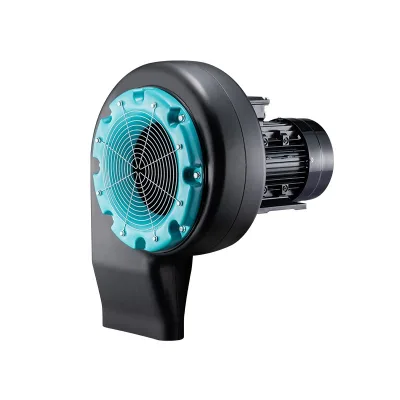
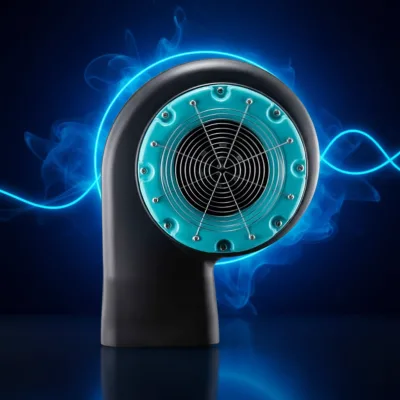
High-Efficiency Centrifugal Fan for Tunnel Car Wash - Red/Blue Options
$96.06 - $214.61
MOQ: 1 Minimum


Comprehensive Sourcing Guide
Electric Reciprocating Car Wash Fan Sourcing Guide
Buyers evaluating electric reciprocating car wash fans must first distinguish between centrifugal airflow designs and other configurations, as the observed product data explicitly lists centrifugal flow direction for several units. This distinction is critical because reciprocating mechanisms typically imply a different mechanical action than the high-efficiency centrifugal blowers currently listed in the market. Procurement teams should verify if the specific unit they intend to purchase actually utilizes a reciprocating piston mechanism or if the listing terminology is being used loosely to describe a high-pressure blower system.
The observed product range includes models with varying power ratings, such as 4kw and 5.5kw options, alongside specific voltage configurations like 220V and 380V. Sourcing decisions must account for these electrical variances to ensure compatibility with the buyer's facility infrastructure. A mismatch in voltage or power requirements can lead to immediate operational failure or the need for costly transformer upgrades, making it essential to cross-reference the specific model number, such as ZM-DX55 or SX-40, against the actual electrical supply available at the installation site.
Product Scope and Observed Listing Signals
The current market listings for car wash equipment in China reveal a diverse scope of products ranging from simple plastic units to heavy-duty stainless steel industrial blowers. Buyers should note that materials vary significantly, with some units constructed from plastic while others utilize stainless steel to withstand harsh chemical environments. This variation directly impacts the durability and suitability of the equipment for specific car wash applications, requiring a careful assessment of the material composition before finalizing any purchase order.
Listing signals indicate that customization is widely available, with options for customer-required colors and OEM support for branding. However, the packaging methods also differ, ranging from wooden boxes and cases to standard cartons, which influences shipping costs and protection during transit. Procurement teams must clarify the specific packaging requirements for their order to prevent damage during long-distance shipping, especially given the varying single gross weights observed, which can reach up to 50kg for certain single-item packages.
Technical Specifications to Verify
Technical verification must begin with the airflow capacity and pressure ratings, as the data shows conflicting observations of both medium and high-pressure capabilities within the same product category. Buyers need to confirm the exact airflow rating, such as the observed 5000 M3/H, to ensure the blower can effectively dry vehicles without leaving moisture behind. Relying on general descriptions without verifying the specific pressure class can result in underpowered equipment that fails to meet the throughput requirements of a busy commercial car wash facility.
Motor construction and power source are equally critical, with some listings specifying 100% copper wire motors and others listing electric blower power sources. The observed power ratings span from 2kW to 5.5kW, and the frequency is consistently noted as 50Hz. Buyers must ensure the motor specifications align with the intended duty cycle, as continuous operation in a car wash environment demands robust motor construction to prevent overheating and premature failure.
Compliance and Safety Documentation
Safety compliance is a primary concern, with observed certifications including CE, RoHS, and CCC, which are essential for market entry in various regions. Buyers must request valid certification documents for the specific model they are purchasing, as the presence of a certification on a general listing does not guarantee that every unit in the batch meets the standard. Verifying the authenticity of these documents is a necessary step to avoid regulatory penalties and to ensure the equipment meets the safety requirements of the destination country.
In addition to electrical safety, the machinery test reports are a crucial component of the compliance package, though the current data indicates that such reports are often not available. Procurement teams should explicitly request these reports from the supplier to validate the performance claims and safety features of the equipment. Without a formal test report, buyers lack independent verification of the product's operational safety, which increases the risk of liability in the event of an equipment malfunction or accident during operation.
Cost Drivers and Commercial Terms
The price range for these units is extensive, spanning from 20 USD to 12,000 USD, driven largely by material differences, power ratings, and customization levels. Buyers must understand that the lowest price points often correspond to basic plastic models with lower power outputs, while higher prices reflect stainless steel construction and advanced motor specifications. It is vital to align the budget with the required performance level to avoid purchasing under-specification equipment that will require frequent replacement or repair.
Commercial terms such as Minimum Order Quantity (MOQ) and warranty periods also significantly influence the total cost of ownership. The observed MOQ ranges from 1 to 300 units, offering flexibility for small businesses while potentially requiring bulk commitments for larger distributors. Furthermore, the warranty period is typically listed as 12 months or 1 year, but buyers should negotiate specific terms regarding motor coverage and spare parts availability to mitigate long-term maintenance costs.
Supplier Qualification and Quality Control
Supplier qualification requires a thorough review of the place of origin, as the data indicates production from multiple Chinese provinces including Guangdong and Zhejiang. Buyers should verify the specific manufacturing location to assess the supplier's logistical capabilities and their familiarity with export requirements for their target market. Different regions may have varying levels of industrial maturity and supply chain stability, which can impact the consistency of the product quality and the reliability of delivery schedules.
Quality control processes must be rigorously defined, particularly regarding the core components like the motor and the overall assembly standards. While some listings mention ISO9001 as a background standard, buyers should not assume this applies to every product without explicit confirmation. Establishing a clear quality control protocol that includes pre-shipment inspections and verification of the motor's copper wire content is essential to ensure that the delivered units meet the agreed-upon specifications and performance expectations.
Long-Term Procurement Checks
Long-term procurement success depends on verifying the availability of spare parts and the supplier's ability to provide ongoing technical support. The core components listed, such as the motor, are critical points of failure, and buyers must ensure that replacement parts are readily available and compatible with the original equipment. A lack of spare parts availability can lead to extended downtime, which is particularly detrimental in a commercial car wash operation where equipment reliability directly impacts revenue.
Buyers should also establish a clear protocol for handling warranty claims and post-sales service. The standard warranty of 12 months covers manufacturing defects, but the scope of coverage for wear and tear or misuse must be clearly defined in the contract. Regular communication with the supplier regarding product updates and potential design improvements can help buyers stay ahead of obsolescence and ensure their fleet of car wash fans remains efficient and compliant with evolving industry standards.
FAQs
What power options are available for the car washer dryer blower?
The product offers multiple power configurations including 2 kW, 3 kW, 4 kW, and 5.5 kW models. These electric blowers are designed for industrial applications and car wash equipment. The motor uses 100% copper wire for durability. Voltage options include 220V or 380V to suit different electrical standards. This flexibility allows buyers to select the exact capacity needed for their specific operational requirements.
Can I customize the color and packaging for this electric blower?
Yes, customization is available for both color and packaging. Buyers can request specific colors to match their brand identity. Packaging options include wooden boxes, cartons, or customized packages depending on the model. The product supports OEM services for tailored manufacturing. This ensures the equipment meets specific logistical and aesthetic requirements for international shipping and installation.
What certifications does the car wash fan equipment hold?
The equipment holds several key certifications including CE, RoHS, ISO, UR, and CCC. These certifications ensure compliance with international safety and quality standards. The CE mark is particularly important for European market entry. RoHS certification confirms the product is free from hazardous substances. Buyers can rely on these documented standards for regulatory compliance and safe industrial operation.
What is the warranty period for the electric car wash blower?
The warranty period is typically 12 months or one year. This coverage applies to core components such as the motor. Buyers should verify specific warranty terms with the supplier during procurement. The warranty ensures protection against manufacturing defects. This standard support period helps mitigate risk for industrial buyers investing in car wash equipment.
Where are these electric blowers manufactured and shipped from?
These electric blowers are manufactured in China, specifically in regions like Guangdong and Zhejiang. The products are shipped from these locations to global buyers. The origin is clearly stated as China for transparency. Buyers should consider shipping logistics and lead times from these specific provinces when planning their supply chain and import schedules.
What is the airflow capacity of the ZM-DX55 model?
The ZM-DX55 model features an airflow capacity of 5000 M3/H. This high-efficiency blower is designed for robust industrial applications. The centrifugal flow direction ensures effective air movement. With a 5.5 kW power rating, it delivers consistent performance. This specification makes it suitable for demanding car wash and drying operations.
What materials are used in the construction of these blowers?
The blowers are constructed using plastic and stainless steel materials. Plastic components are used for specific housing parts, while stainless steel offers durability. The motor utilizes 100% copper wire for efficiency. These material choices balance cost-effectiveness with industrial strength. Buyers can select models based on their preferred material properties for longevity.