Source Electric Recyclable Baby Bottle Warmer for Home, Car, Outdoor
Find 30 Electric Recyclable Baby Bottle Warmer options from verified suppliers. Compare models like HB-010 and RF-110 with features including BPA-free materials, CE certification, and customization for home, car, or outdoor milk warming needs.
Key considerations
Products List


Electric Bottle Cover Baby Milk Bottle Warmer USB Charging Baby Bottle Warmer
$1.47 - $1.91
MOQ: 1000 Pieces

Cheap Price Baby Bottle Warmer Rapid Heating Covers Breast Milk Bottle Heater
$1.85 - $2.80
MOQ: 100 Pieces


Mini Milk Heater Electric Portable Rechargeable Baby Bottle Warmer for Baby Milk
$17.90 - $18.40
MOQ: 500 Pieces


Outdoor Mini Baby Feeding USB Rechargeable Baby Milk Water Bottle Warmer
$22.00 - $24.00
MOQ: 100 Pieces


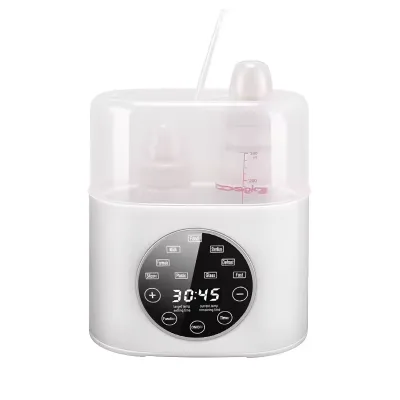
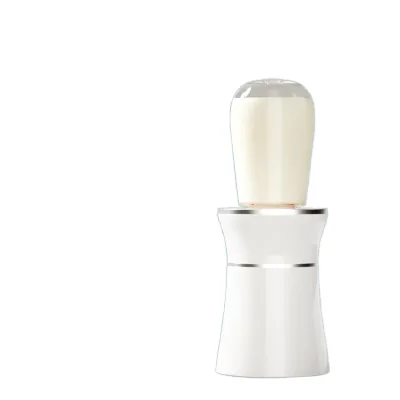


Cost-Effective Mini Milk Heater Electric Portable Rechargeable Baby Bottle Warmer
$17.90 - $18.40
MOQ: 500 Pieces


Quality Guaranteed Baby Electric Milk Bottle Warmer Portable Round Screen
$11.50 - $13.00
MOQ: 100 Pieces
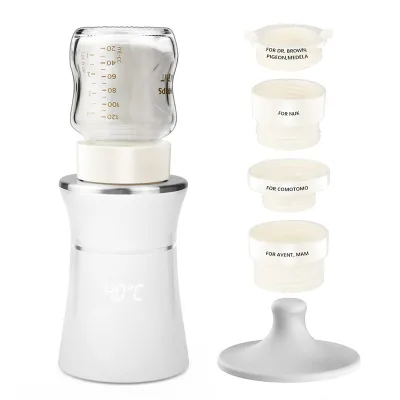
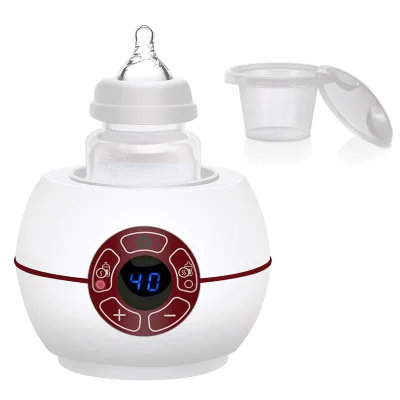
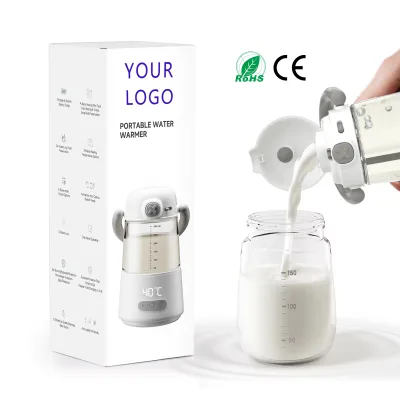

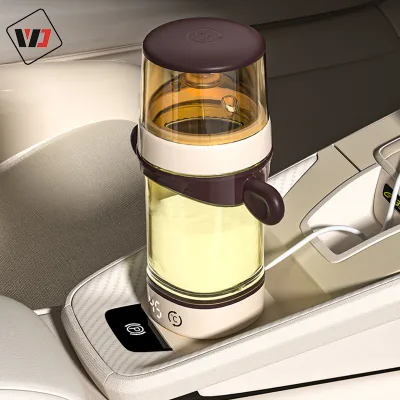

$0.22 - $2.50
MOQ: 1000 Pieces
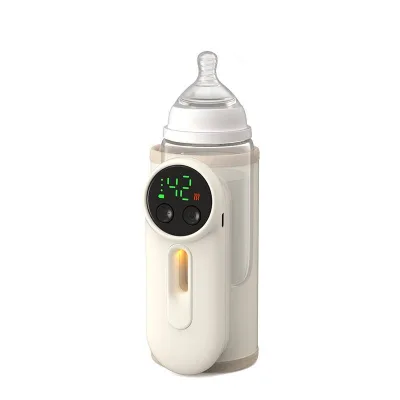
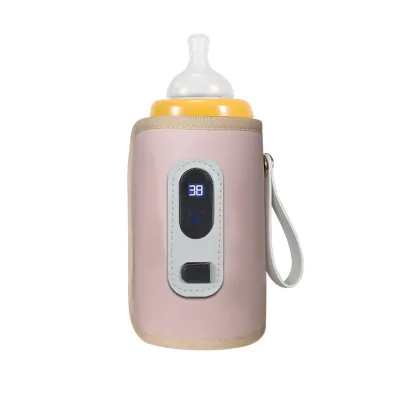
Comprehensive Sourcing Guide
Strategic Sourcing Guide for Electric Recyclable Baby Bottle Warmers
Understanding Product Attributes and Core Specifications
When sourcing an Electric Recyclable Baby Bottle Warmer, buyers must first distinguish between the broad category of bottle warmers and the specific functional attributes observed in the current market. The core product is defined as a Bottle Warmer driven by electric power, specifically designed for the delicate task of milk warming. Unlike general kitchen appliances, these devices often feature specialized heating elements, such as the PTC (Positive Temperature Coefficient) heater, which provides rapid and consistent heat distribution without the risk of overheating the liquid. The observed product models, including identifiers like HB-010, HB-002E-1, and RF-110B, indicate a variety of form factors ranging from small to middle-sized units.
A critical observation in the current supply landscape is the diversity in power sources and voltage requirements. While some units operate on battery power with a voltage of 7.4V, making them suitable for car or outdoor applications, others are designed for home use with a standard voltage range of 220-240V and a power consumption of up to 500W. The power source directly influences the application scope; battery-operated models with a 7.4V rating are ideal for portability, whereas high-wattage electric models are optimized for stationary home use. The material composition is another vital specification, with many units constructed from PP (Polypropylene) that is explicitly BPA Free, Latex Free, Phthalate Free, and PVC Free. This material profile is non-negotiable for infant products to ensure safety. Furthermore, the recyclable nature of the product is a key feature, with specific listings noting the material as recyclable, aligning with modern sustainability goals in procurement.
Compliance, Certification, and Safety Standards
Navigating the regulatory landscape for baby products requires rigorous verification of certifications and standards. The market data indicates a strong presence of European safety standards, with CE, EMC, LVD, and Reach certifications frequently cited as standard compliance markers. These certifications are essential for market access in the European Union and are often a prerequisite for high-quality manufacturing. Some listings also reference CB and GS certifications, which further validate the electrical safety and general product safety of the device. However, buyers must exercise caution; while the data lists these certifications, the actual status of any specific batch or supplier must be verified through official documentation rather than assumed based on general market trends.
The "Ceruncate" standard mentioned in the context appears to be a specific terminology for the compliance suite, likely referring to the collective adherence to CE, EMC, LVD, and Reach. It is imperative for procurement teams to request valid test reports from the supplier to confirm that the specific model, such as the HB-010 or RF-110B, has passed these exact tests. The absence of a specific certification on a listing does not necessarily mean the product is non-compliant, but the presence of a claim requires immediate validation. Additionally, the product origin is noted as Guangdong, China, a major manufacturing hub. Buyers should be aware that while this region produces high volumes of such goods, the density of suppliers means that due diligence on the specific factory's certification history is crucial. The warranty period observed is typically one year, which serves as a baseline for after-sales support expectations.
Cost Drivers and Pricing Dynamics
The pricing structure for electric recyclable baby bottle warmers is influenced by several variables, including the complexity of the heating mechanism, the quality of materials, and the level of customization. The observed price range in the market spans from $0.22 to $26.20, a wide disparity that reflects differences in product tiers, from basic components to fully assembled, branded units. This range suggests that the $0.22 figure likely represents a component cost or a very basic unit, while the $26.20 end of the spectrum covers premium models with advanced features like PTC heaters, custom packaging, and comprehensive certification packages.
Minimum Order Quantity (MOQ) is a significant cost driver in this sector. The data shows an MOQ range from 1 to 1008 units, with a specific high-confidence observation of 1000PCS for certain models. This high MOQ requirement for standard models can impact the initial capital outlay for buyers. However, the market also supports lower volume orders, with some suppliers offering MOQs as low as 1 unit, which is beneficial for testing the market or for small-scale procurement. The supply ability is noted as 4000 pieces per day, indicating that suppliers have the capacity to handle large orders, but lead times will depend on the specific MOQ and customization level. Buyers should calculate the total landed cost, including shipping and potential tariffs, as the unit price alone does not reflect the final cost of goods. Customization, which is available across the board, will inevitably increase the unit cost and may require a higher MOQ to be economically viable.
Typical Applications and Functional Versatility
The application scope of electric recyclable baby bottle warmers is diverse, catering to both domestic and mobile needs. The primary function is milk warming, a critical task for parents who need to prepare formula quickly and safely. However, the product attributes also list "Chopping" as a function, which suggests a multi-functional appliance design, although this may be a data inconsistency or a specific feature of a hybrid model that requires clarification. The usage is primarily categorized as "Home Use," but the existence of battery-operated models with 7.4V power sources expands the application to "Car" and "Outdoor" environments. This versatility is a key selling point for modern parents who are constantly on the move.
The target age range for these products is strictly defined as 0-12 months and 1-2 years, ensuring that the design and safety features are appropriate for infants and toddlers. The packaging details vary, with options including gift boxes measuring 15x15x17.2cm or 14.5x14.5x16.8cm, and outer cartons designed for efficient shipping. The dimensions of the products themselves, such as 8.3x8.3x9.2 inches or 26x21x11cm, indicate a compact design that fits easily into diaper bags or kitchen counters. The plug types also vary, with USB, Qsn, and customizable options available, allowing for integration with various power sources. This adaptability makes the product suitable for a wide range of consumer scenarios, from standard household kitchens to travel and outdoor activities.
Supplier Evaluation and Manufacturing Capabilities
Evaluating suppliers for electric recyclable baby bottle warmers requires a focus on their manufacturing capabilities and service offerings. The data indicates that the majority of suppliers offer OEM (Original Equipment Manufacturer) and ODM (Original Design Manufacturer) services, with the term "Acceptale" appearing as a variation of "Acceptable" for OEM/ODM requests. This flexibility allows buyers to customize the product color, plug type, and branding to meet specific market demands. The supply ability of 4000 pieces per day suggests that suppliers are capable of handling significant volume, but buyers must verify if this capacity is consistent during peak seasons.
The after-sales service is a critical factor in supplier selection. The observed service model includes "Provided Overseas Call Centers," which is a significant advantage for international buyers who need support in their local time zones. This level of support ensures that any issues with the product, such as warranty claims or technical troubleshooting, can be resolved efficiently. Buyers should also verify the supplier's experience with the specific certifications mentioned, such as CE and Reach, to ensure that the products they manufacture are consistently compliant. The availability of customization in color and packaging details further indicates a mature supply chain capable of meeting diverse branding requirements.
Quality Control and Long-Term Procurement Considerations
Implementing a robust quality control (QC) strategy is essential when sourcing baby products. Given the safety-critical nature of items used by infants, buyers must prioritize the verification of material safety. The BPA Free, Latex Free, Phthalate Free, and PVC Free attributes are not just marketing claims but fundamental safety requirements. QC protocols should include random sampling and testing to ensure that the PP material used meets these strict standards. Additionally, the electrical safety of the PTC heater and the overall device must be tested to prevent any risk of overheating or electrical failure.
Long-term procurement considerations involve building a sustainable relationship with suppliers who can maintain consistent quality and compliance. The one-year warranty period observed in the market sets a baseline for product reliability, but buyers should negotiate terms that reflect the actual performance of the product. The recyclable feature of the product adds a layer of sustainability that can be leveraged in marketing, but it must be verified that the recycling process is genuine and that the materials used are truly recyclable. Buyers should also consider the packaging details, ensuring that the gift box and outer carton designs are durable enough to protect the product during shipping while minimizing waste. Finally, the ability to customize the product, including color and plug type, should be integrated into the long-term strategy to adapt to changing market trends and consumer preferences.
Comparative Analysis of Product Models
To assist in decision-making, the following table compares key attributes of the observed product models based on the provided data. This comparison highlights the differences in specifications, certifications, and applications to help buyers select the most suitable option for their needs.
| Attribute | Model HB-010 | Model HB-002E-1 | Model RF-110B |
|---|---|---|---|
| Primary Function | Milk Warming | Milk Warming | Milk Warming |
| Power Source | Electric | Electric | Battery (7.4V) |
| Voltage | 220-240V | 220-240V | 7.4V |
| Power (W) | 500W | 80W | Not Specified |
| Certifications | CE/EMC/LVD/Reach | CE/EMC/LVD/Reach | CE/EMC/LVD/Reach/CB/GS |
| Material | PP (BPA Free) | PP (BPA Free) | PP (BPA Free) |
| Application | Home Use | Home Use | Car, Outdoor |
| Size | Small | Small | Middle |
| Customization | Available | Available | Available |
This table illustrates that while the core function remains consistent across models, the power source and application vary significantly. The RF-110B, with its battery power and CB/GS certifications, is tailored for mobile use, whereas the HB-010 and HB-002E-1 are optimized for home environments with higher power ratings. Buyers should align their selection with their specific use cases and regulatory requirements.
FAQs
What certifications do electric recyclable baby bottle warmers have?
These warmers typically hold CE, EMC, LVD, and Reach certifications. Some models also include CB and GS marks for electrical safety. Buyers must verify specific test reports for each batch to ensure compliance with European standards.
Can I customize the color and packaging of these warmers?
Yes, customization for color and packaging details is available for most models. Suppliers offer options like gift boxes or color boxes with specific dimensions. Customization may require meeting a minimum order quantity to be economically viable.
What is the minimum order quantity for these bottle warmers?
The minimum order quantity ranges from 1 to 1008 units depending on the supplier. Some standard models require 1000 pieces, while others allow smaller trial orders. Buyers should confirm the specific MOQ before placing an order.
How long is the warranty period for these electric warmers?
The standard warranty period observed is one year for these products. This coverage typically includes support for manufacturing defects. After-sales service often includes overseas call centers to assist international buyers with any issues.
Which power sources are used for these baby bottle warmers?
These warmers use either electric power or battery power sources. Electric models operate at 220-240V for home use, while battery models use 7.4V for car or outdoor applications. The power source determines the specific usage scenario.