Source Electric Rooftop Truck Air Conditioner for Car, Room, Van
Compare 30 Electric Rooftop Truck Air Conditioner units with cooling and heating capabilities for cars, rooms, and vans. These DC-powered systems feature remote control, undermount or roof-mounted installation, and operate at low noise levels for heavy-duty trucks and vans; compare the available evidence and request quotations based on your requirements.
Key considerations
Products List


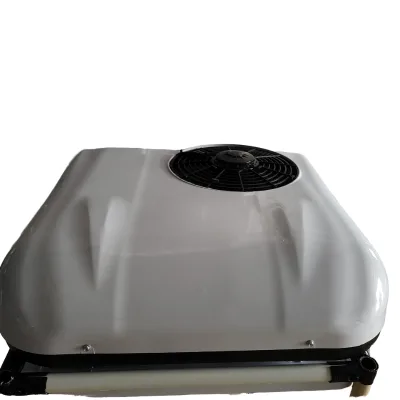
Truck Air Conditioner 12 24V 2500W Parking Air Conditioner Rooftop AC Electric Air Conditioner
$181.00 - $353.00
MOQ: 1 Pieces


Rooftop 12V 24V Truck Sleeper Air Conditioner for Truck and Other Air Conditioning Systems Sell
$181.00 - $353.00
MOQ: 1 Pieces




Comprehensive Sourcing Guide
Electric Rooftop Truck Air Conditioner Sourcing Guide
Procuring electric rooftop truck air conditioners requires a nuanced understanding of the distinct operational environments these units serve. These systems are engineered to provide climate control for heavy-duty trucks and vans, ensuring driver comfort and cargo integrity during parking or transit. The core keyword highlights the power source and installation method, which are critical differentiators from traditional engine-driven or undermount systems. Buyers must recognize that "electric" implies reliance on the vehicle’s battery or auxiliary power, necessitating careful evaluation of electrical compatibility and energy efficiency. This guide focuses on the specific attributes observed in current market listings, providing a framework for evaluating suppliers and products without relying on unverified claims.
The market for these units is characterized by a diverse range of specifications, from compact van-mounted solutions to robust heavy-duty truck systems. Observed listings indicate a price range of $160 to $620 USD, with minimum order quantities (MOQs) typically spanning from 1 to 10 units. This variability suggests a flexible supply chain catering to both individual replacements and fleet-wide upgrades. However, the diversity also introduces complexity in verification. Buyers must navigate between products labeled for "Car" or "Room" usage and those explicitly designated for "Heavy-duty Truck" or "Van" applications. Understanding these distinctions is vital to avoid mismatched installations and ensure that the selected unit meets the specific thermal and spatial requirements of the target vehicle class.
Product Scope and Observed Listing Signals
The product scope encompasses a variety of configurations, primarily distinguished by their installation type and compatible vehicle class. Listings frequently highlight "Roof-mounted" and "Undermount" installation types, with the former being particularly relevant for the core keyword. These units are designed to integrate seamlessly into the roof structure of vans and heavy-duty trucks, optimizing interior space while delivering efficient cooling and heating. The observed data indicates that these systems often support both cooling and heating functions, making them versatile for year-round operation. Buyers should pay close attention to the "Compatible Truck Type" attribute, as units marketed for "Van" applications may differ significantly in capacity and structural design from those intended for "Heavy-duty Truck" use.
Key listing signals reveal important technical details that influence procurement decisions. For instance, the refrigerant type is consistently identified as R134A, a standard choice for many automotive HVAC systems, while the rated voltage varies between 12V and 24V systems. This voltage diversity is critical, as mismatched electrical requirements can lead to system failure or damage to the vehicle’s electrical infrastructure. Additionally, the presence of "Remote Control" and "Digital Panel" control methods suggests a user-friendly interface, enhancing operational convenience for drivers. The observed product weights, such as 34.5kg for certain models, provide insight into the structural robustness and installation complexity. Buyers must verify these signals against their specific vehicle specifications to ensure compatibility and optimal performance.
Technical Specifications to Verify
Verifying technical specifications is paramount to ensuring the selected air conditioner meets the thermal and electrical demands of the application. The cooling capacity is a primary metric, with observed values ranging from 1800W to 2400W, indicating significant variation in performance capabilities. Buyers must match this capacity to the vehicle’s interior volume and insulation quality to avoid underperformance. Similarly, the rated power consumption, observed between 200W and 850W, directly impacts the vehicle’s battery life and fuel efficiency if an auxiliary generator is used. It is essential to confirm the rated current, which can reach up to 60A, to ensure the vehicle’s electrical system can handle the load without tripping breakers or causing voltage drops.
Dimensional constraints are another critical area for verification, as rooftop units must fit within the physical boundaries of the vehicle. Observed dimensions for internal and external units vary, with some models measuring 497x338x130mm for the internal unit and 962x734x175mm for the external unit. These measurements must be cross-referenced with the vehicle’s roof space and mounting points. Furthermore, the noise level is a significant factor for driver comfort, with observed values ranging from less than 23dB for indoor machines to 65dB for external components. Buyers should request detailed technical datasheets that confirm these specifications under standard operating conditions, ensuring that the unit will perform as expected in real-world scenarios.
Compliance and Safety Documentation
Compliance with safety and environmental standards is non-negotiable in the procurement of automotive HVAC systems. The observed listings frequently mention RoHS and CE certifications, which indicate adherence to European standards for hazardous substance restriction and general product safety. These certifications are crucial for buyers operating in regulated markets, as they provide assurance that the product meets baseline safety and environmental requirements. However, buyers must verify the validity of these certifications with the issuing bodies, as mere mention on a listing does not guarantee current compliance. Additionally, the China Energy Efficiency Standard Level Condition is noted as "New," suggesting that the product meets recent efficiency benchmarks, which can be a significant advantage for fleet operators looking to reduce energy consumption.
Safety documentation should also include detailed installation manuals and electrical schematics. These documents are essential for ensuring that the unit is installed correctly, minimizing the risk of electrical faults or structural damage. Buyers should request proof of compliance with relevant automotive standards, such as those governing vibration resistance and thermal performance. The use of specific materials, such as ABS for housing, and refrigerant oils like Poe68, should be documented to ensure compatibility with the vehicle’s existing systems. By rigorously reviewing these documents, buyers can mitigate risks associated with non-compliant products and ensure that the installed units operate safely and efficiently throughout their lifespan.
Cost Drivers and Commercial Terms
Understanding the cost drivers associated with electric rooftop truck air conditioners is essential for effective budgeting and negotiation. The observed price range of $160 to $620 USD reflects variations in cooling capacity, voltage compatibility, and included accessories. Units with higher cooling capacities, such as those exceeding 2000W, typically command higher prices due to the increased complexity of the compressor and heat exchange systems. Additionally, the inclusion of advanced features like remote control or digital panels can influence the final cost. Buyers should analyze the total cost of ownership, including energy consumption and maintenance requirements, rather than focusing solely on the initial purchase price.
Commercial terms, such as minimum order quantities (MOQs) and warranty provisions, also play a significant role in the procurement process. Observed MOQs range from 1 to 10 units, offering flexibility for both small-scale replacements and larger fleet orders. A two-year warranty is commonly offered, providing a baseline level of protection against manufacturing defects. Buyers should negotiate for extended warranty options or comprehensive service agreements, particularly for large orders. Furthermore, the packaging method, whether in a carton, box, or shipping container, can impact logistics costs and product protection during transit. Clear communication regarding these terms ensures that both parties have aligned expectations, reducing the risk of disputes and ensuring a smooth procurement experience.
Supplier Qualification and Quality Control
Supplier qualification is a critical step in mitigating procurement risks, particularly when sourcing from international markets. Buyers should verify the supplier’s manufacturing capabilities, quality management systems, and track record in the automotive HVAC industry. Requesting references from previous clients, particularly those in the trucking or logistics sector, can provide valuable insights into the supplier’s reliability and product performance. Additionally, buyers should assess the supplier’s ability to provide consistent product quality, as variations in manufacturing processes can lead to inconsistencies in cooling performance and durability. Engaging with suppliers who have established quality control protocols ensures that the products meet the specified technical requirements.
Quality control measures should extend beyond the supplier’s internal checks to include independent verification. Buyers may consider third-party inspections or testing services to validate the product’s performance and compliance with stated specifications. This is particularly important for verifying critical attributes such as noise levels, electrical safety, and refrigerant integrity. Establishing clear quality acceptance criteria in the purchase agreement allows buyers to reject non-conforming products and seek remedies. By prioritizing supplier qualification and rigorous quality control, buyers can ensure that the electric rooftop truck air conditioners they procure are reliable, efficient, and suitable for their intended applications.
Long-Term Procurement Checks
Long-term procurement success depends on establishing robust mechanisms for ongoing performance monitoring and supplier relationship management. Buyers should implement a system for tracking the performance of installed units, including metrics such as cooling efficiency, energy consumption, and maintenance frequency. This data can be used to identify potential issues early and inform future procurement decisions. Regular feedback loops with the supplier can facilitate continuous improvement, allowing for adjustments in product design or manufacturing processes based on real-world usage data. By maintaining open communication with suppliers, buyers can ensure that the products remain aligned with evolving industry standards and customer needs.
Additionally, buyers should stay informed about advancements in HVAC technology and regulatory changes that may impact product availability or compliance requirements. This includes monitoring developments in refrigerant regulations, energy efficiency standards, and vehicle electrification trends. Proactive engagement with industry associations and participation in relevant trade shows can provide valuable insights into emerging technologies and best practices. By adopting a strategic approach to long-term procurement, buyers can optimize their HVAC systems, reduce operational costs, and enhance the overall efficiency and comfort of their vehicle fleets. This forward-looking perspective ensures that procurement decisions remain relevant and effective in the face of changing market dynamics.
FAQs
What certifications do these truck air conditioners have?
These units carry RoHS and CE certifications to ensure safety and environmental compliance. The products are manufactured in China and meet standard energy efficiency levels. Buyers can verify these documents before placing orders for heavy-duty trucks or vans.
How is the noise level during operation?
The indoor machine noise is recorded below 23 decibels for quiet operation. However, some roof-mounted models may reach 65 decibels depending on the specific configuration. This variation depends on whether the unit is designed for a van or a heavy-duty truck.
Can the product be customized for specific needs?
Yes, customization is available for various buyer requirements. The units support different installation types like undermount or roof-mounted configurations. Buyers can select specific power sources, either gas or electric, to match their vehicle's existing electrical systems.
What is the warranty period for these units?
The standard warranty period provided for these air conditioners is two years. This coverage applies to the main components including the compressor and electrical control system. Buyers should confirm specific terms with the supplier before finalizing the purchase agreement.
Which refrigerant is used in these systems?
The units utilize R134A refrigerant for efficient cooling and heating performance. This refrigerant is paired with Poe68 oil to ensure proper lubrication and system longevity. The cooling capacity ranges from 1800W to 2400W depending on the specific model selected.
What are the main accessories included in the package?
The package includes essential components such as the condenser, evaporator, and compressor. An electrical control system is also provided to manage the unit's operation. These accessories ensure the system is ready for installation in cars, rooms, or trucks.
How does the power source affect the unit?
The units support both gas and electric power sources for versatile operation. Electric models typically operate at 12V or 24V with rated power between 200W and 850W. This flexibility allows installation in various vehicle types including heavy-duty trucks and vans.