Source Water-Cooled Car Condenser for AC Systems
Find 30 Water-Cooled Car Condenser options for automotive air conditioning, transmission cooling, and industrial heat exchange. Compare specifications like core size and certification to select durable parts for your vehicle or equipment needs; compare the available evidence and request quotations based on your requirements.
Key considerations
Products List


High Efficiency Water Cooled Condenser for Optimized Cooling Performance
$3000.00 - $9500.00
MOQ: 1 Pieces


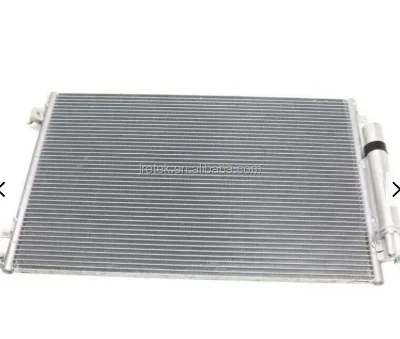


Comprehensive Sourcing Guide
Water-Cooled Car Condenser Sourcing Guide
Procuring water-cooled car condensers requires distinguishing between automotive air conditioning components and industrial cooling units, as the supplied data reveals a mix of automotive parts like AC condensers and refrigeration units for home freezers. Buyers must verify that the specific listing matches the vehicle's thermal management system, noting that observed models include serpentine and parallel types with varying core dimensions such as 532x368x16mm. The presence of glycol cooling fluid specifications suggests compatibility with specific engine cooling loops, while other entries indicate standard air conditioning applications.
Sourcing decisions should prioritize the exact product model number against the vehicle's original equipment specifications to ensure fitment. The observed listings include models like SA-2S65-19710AA and SH-LTA-136, which correspond to specific OE numbers such as 92100-Zs20A. Since the data shows a wide range of applications from automotive to home refrigeration, buyers must explicitly confirm the intended usage environment. Misidentifying a unit designed for a home freezer as an automotive component can lead to catastrophic system failure due to pressure and temperature rating mismatches.
Product Scope and Observed Listing Signals
The market for these components displays significant variation in material composition and construction methods, with aluminum being the primary material observed in the listings. Buyers should expect to encounter tube-fin and round tube fin core types, which influence heat dissipation efficiency and durability under operating temperatures ranging from -40℃ to 120℃. The presence of braze welding as a standard manufacturing method indicates robust structural integrity, yet the specific configuration must align with the vehicle's mounting requirements, such as front or side mount installations.
Listing signals also reveal diverse packaging and customization options, ranging from neutral packing to blister packages and custom requests. The availability of OEM support and customization suggests that suppliers can adapt products to specific brand requirements, but this flexibility requires clear communication of technical drawings and tolerance levels. Buyers must scrutinize the "Item Condition" to ensure units are new, as refurbished or used parts may not meet the strict quality detection standards implied by the "Durable" product quality attribute.
Technical Specifications to Verify
Verification of core dimensions and flow characteristics is critical for ensuring thermal performance matches the vehicle's cooling demands. The observed core size of 532x368x16mm serves as a reference point, but buyers must confirm that the specific unit's physical footprint and internal tube arrangement match the existing radiator or condenser housing. The distinction between parallel and serpentine flow paths affects pressure drop and heat exchange rates, necessitating a review of the specific flow design before finalizing a purchase order.
Cooling fluid compatibility and operating temperature ranges must be validated against the vehicle's service manual to prevent chemical degradation or thermal stress failures. While glycol is listed as a compatible fluid type, the specific concentration and type must be confirmed to ensure it does not corrode the aluminum core or compromise the braze welding integrity. Additionally, the absence of an oil cooler in some listings requires buyers to verify if a separate transmission oil cooler is needed for their specific application, as the functional scope varies between pure air conditioning and combined cooling systems.
Compliance and Safety Documentation
Certification status is a primary indicator of manufacturing quality and regulatory compliance, with ISO and CE marks appearing frequently in the observed data. Buyers should request current certificates to verify that the production facility adheres to international quality management systems, as the presence of IATFISO and RoHS certifications suggests a higher level of adherence to automotive industry standards. The specific combination of certifications like CCC and CE indicates compliance with both Chinese domestic and European safety regulations, which is essential for export markets.
Safety documentation must also cover the operational limits and testing protocols used during production. The "Strict Quality Detector" attribute implies a rigorous internal testing process, but buyers should request specific test reports regarding pressure holding and thermal cycling to validate these claims. Without documented evidence of these tests, the claimed operating temperature range of -40℃ to 120℃ remains an unverified assertion. Ensuring that the supplier provides traceable quality records is vital for maintaining warranty coverage and meeting liability requirements in the automotive sector.
Cost Drivers and Commercial Terms
Pricing for these components varies widely, with observed ranges spanning from 2 to 9500 USD, driven by factors such as core size, material thickness, and certification levels. The high-end prices likely correspond to specialized models with custom packaging or specific OE number matching, while lower prices may reflect generic or smaller units. Buyers must analyze the cost structure relative to the specific technical requirements, as a cheaper unit lacking necessary certifications or custom features may result in higher total cost of ownership due to premature failure or installation issues.
Commercial terms regarding lead times and minimum order quantities significantly impact procurement planning and inventory management. The observed lead times range from immediate stock availability to 25-35 days for production runs, with some listings indicating a 2-3 week window for custom orders. Minimum order quantities vary from 1 to 5000 units, requiring buyers to negotiate terms that balance inventory costs with production schedules. Shipping methods, including sea, air, and express options, further influence the final landed cost and delivery speed, necessitating a clear understanding of the total logistics timeline.
Supplier Qualification and Quality Control
Supplier qualification should focus on their ability to support OEM requirements and maintain consistent production quality over time. The "Shingauto" brand and the mention of OEM support suggest a capacity for custom manufacturing, but buyers must verify the supplier's track record in delivering parts that meet strict automotive standards. The availability of customization options is a positive signal, yet it requires a robust quality control system to ensure that every customized batch maintains the same performance characteristics as the standard models.
Quality control processes must be transparent and documented, with a focus on welding integrity and material consistency. The use of braze welding and aluminum cores requires precise process control to prevent leaks and ensure long-term durability. Buyers should inquire about the specific inspection methods used, such as non-destructive testing or pressure testing, to confirm that the "Durable" product quality claim is backed by empirical data. Establishing a clear communication channel for quality issues is essential for resolving any discrepancies before they impact the final assembly line.
Long-Term Procurement Checks
Sustaining a successful procurement relationship requires regular audits of the supplier's production capabilities and quality assurance systems. Buyers should schedule periodic reviews to ensure that the supplier continues to meet the required ISO and IATF standards, as these certifications can lapse or be revoked if production practices change. The long-term viability of the supply chain depends on the supplier's ability to maintain consistent material quality and adhere to the specified operating temperature ranges and fluid compatibility requirements.
Performance monitoring of the installed components is equally critical for identifying potential systemic issues early. Buyers should track failure rates and warranty claims to assess whether the observed "Excellent" heat dissipation and "Durable" quality attributes hold up in real-world conditions. Establishing a feedback loop with the supplier allows for continuous improvement and ensures that any design or manufacturing issues are addressed promptly. This proactive approach helps mitigate risks associated with supply chain disruptions and ensures the long-term reliability of the vehicle's cooling system.
FAQs
What certifications do water cooled car condensers typically have?
Water cooled car condensers typically hold ISO and CE certifications to ensure quality and safety standards. Some models also feature IATF ISO, RoHS, and CCC certifications. These credentials verify that the manufacturing processes meet international regulatory requirements for automotive components and environmental compliance.
Can I customize the packaging for bulk orders?
Yes, customization is available for packaging requirements. Options include neutral packing, blister packages, or specific carton designs as requested. This flexibility allows buyers to meet their own branding or logistical needs while ensuring the products remain protected during transit and storage.
What is the lead time for production?
Production lead times vary based on stock availability. Items in stock ship immediately, while custom orders typically require 25 to 35 days. Some suppliers offer a lead time of two to three weeks for standard configurations. This ensures timely delivery for both urgent replacements and planned inventory replenishment.
Which materials are used in the condenser core?
The condenser cores are primarily constructed from aluminum to ensure durability and efficient heat dissipation. The core type is often tube-fin, which provides excellent cooling performance. This material choice balances weight reduction with robust thermal management capabilities essential for automotive air conditioning systems.
What is the operating temperature range for these units?
These condensers are designed to operate within a temperature range of -40°C to 120°C. This wide range ensures reliable performance in extreme cold and high-heat environments. The glycol cooling fluid type further supports stable thermal regulation across diverse automotive applications and seasonal conditions.
How is the welding method applied to the condenser?
The condenser components are joined using braze welding techniques. This method ensures strong, leak-proof seals that maintain structural integrity under pressure. The strict quality detection process verifies that each weld meets durability standards, preventing failures and ensuring long-term reliability in vehicle air conditioning systems.