Source Chevrolet Aveo Condenser for AC, Cooling, and Radiators
Find 30 available options for the Chevrolet Aveo Condenser to compare specifications and pricing. Evaluate features such as aluminum construction, direct-flow designs, and various packing methods to select the right component for your automotive aftermarket needs; compare the available evidence and request quotations based on your requirements.
Key considerations
Products List


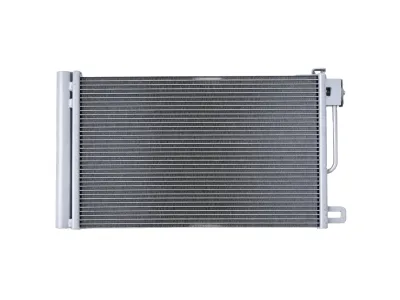
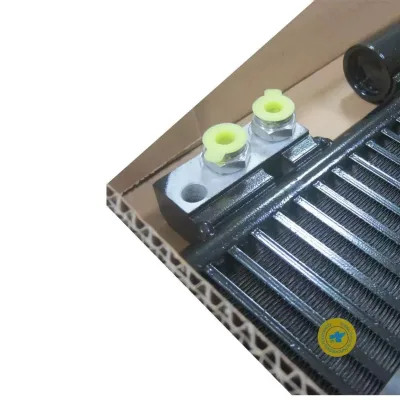
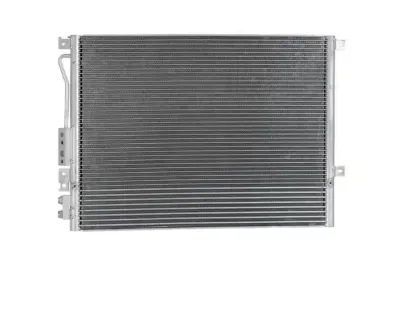
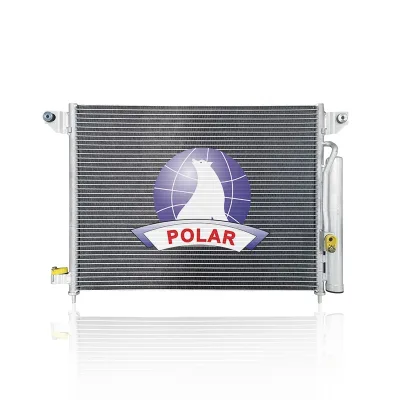
AC & Electricity Air Conditioning Condenser OEM 9052638 for Chevrolet Aveo
$1.00 - $25.00
MOQ: 100 Pieces

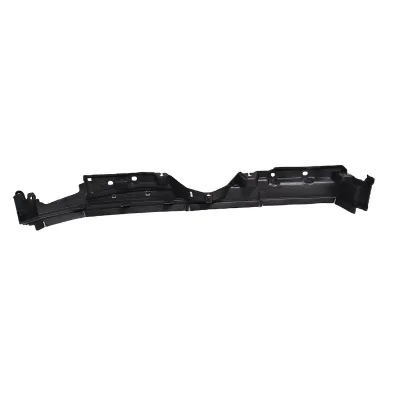
Automotive Cooling System Condenser OEM: 96436393 for Chevrolet Captiva
$1.00 - $25.00
MOQ: 100 Pieces

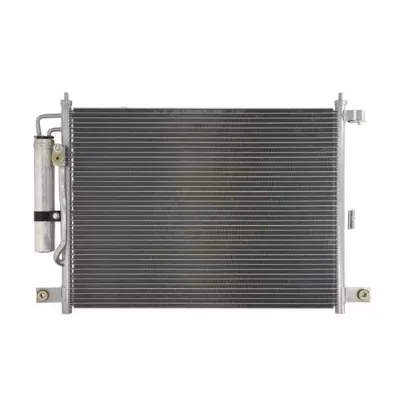
Auto Parts Cooling System Condenser OEM: 96436393 for Chevrolet Captiva
$1.00 - $25.00
MOQ: 100 Pieces

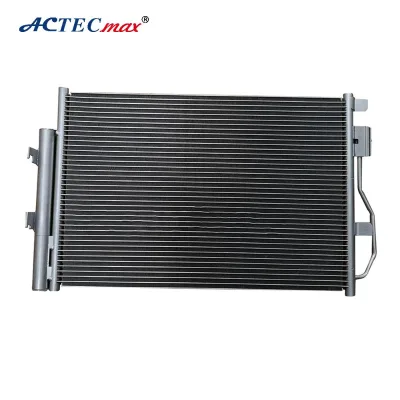
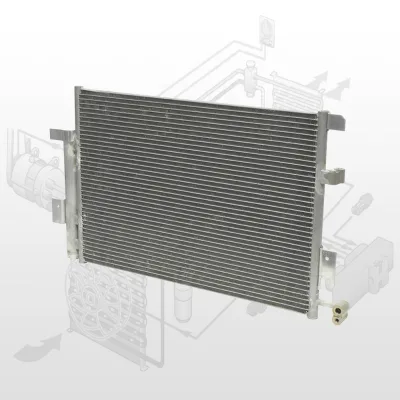
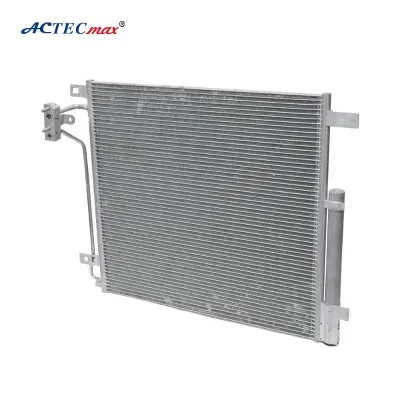
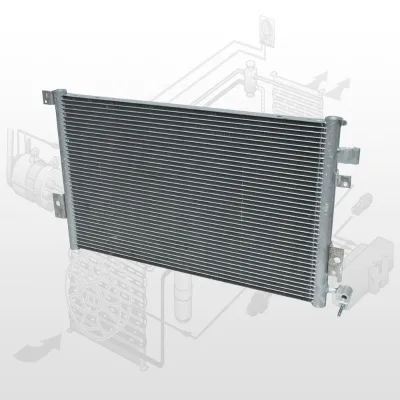
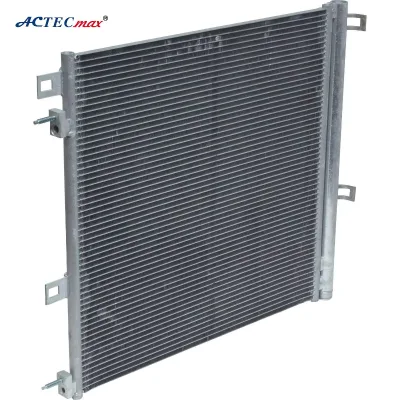

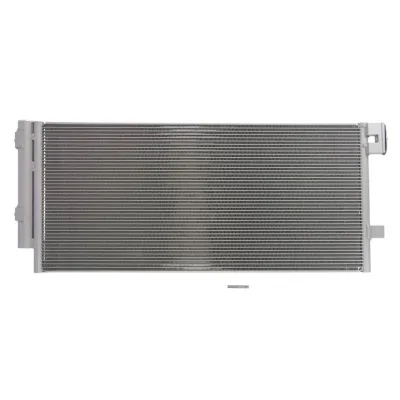


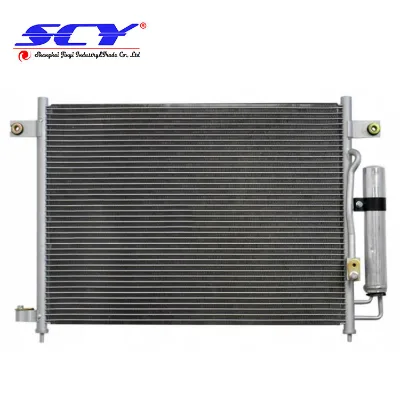


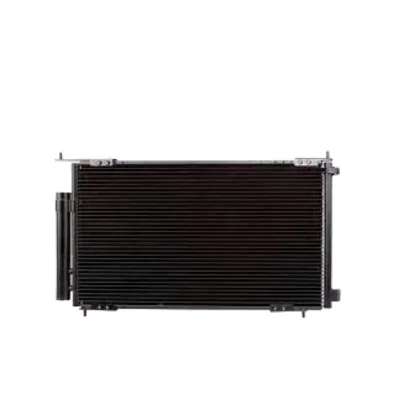
Comprehensive Sourcing Guide
Chevrolet Aveo Condenser Sourcing Guide
Procuring a Chevrolet Aveo Condenser requires a disciplined approach to verifying technical compatibility and supply chain reliability. Buyers must treat the condenser as a critical thermal management component that directly impacts engine performance and vehicle safety. The sourcing process should begin with a clear definition of the specific vehicle model year and engine configuration, as these factors dictate the precise physical dimensions and cooling capacity required. Ignoring these nuances can lead to fitment issues or inadequate cooling performance, resulting in costly returns and operational downtime.
The market for automotive condensers is characterized by a mix of OEM and aftermarket suppliers, each offering different value propositions. Buyers should evaluate suppliers based on their ability to provide consistent quality, transparent documentation, and flexible commercial terms. It is essential to distinguish between generic replacements and application-specific parts, as the latter often offer better fitment and longevity. By focusing on verified specifications and supplier capabilities, procurement teams can mitigate risks associated with component failure and ensure a stable supply chain for their automotive operations.
Product Scope and Observed Listing Signals
The observed product listings indicate a diverse range of condenser types, including both air-cooled and water-cooled variants. While the core keyword targets the Chevrolet Aveo, the broader dataset includes components for various automotive applications, such as the Highlander 2009. This diversity suggests that suppliers often list multiple SKUs under a single category, requiring buyers to filter results carefully. The presence of different cooling fluid types, such as alcohol and glycol, further highlights the need for precise specification matching to ensure compatibility with the vehicle's existing cooling system.
Listing signals also reveal variations in structural forms, including vertical and open-type designs. These structural differences affect installation space and airflow dynamics, which are critical for the Chevrolet Aveo's compact engine bay. Buyers should note that some listings specify "New" condition, while others may imply used or refurbished units, although the data primarily supports new components. Understanding these observed signals helps buyers identify which suppliers specialize in new, high-quality parts versus those offering a mixed inventory, allowing for more targeted outreach and negotiation.
Technical Specifications to Verify
Verifying technical specifications is the cornerstone of successful condenser procurement. Buyers must confirm the core size, which is often listed in millimeters, to ensure the part fits the vehicle's radiator support and surrounding components. For example, specific models may have core sizes ranging from 57037816 mm to 73041816 mm. These dimensions are not interchangeable, and even minor deviations can prevent proper installation. Additionally, the radiator type, whether direct-flow or cross-flow, must match the vehicle's design to maintain optimal coolant circulation and heat dissipation.
Material composition is another critical specification to verify. The data indicates that body materials can be either aluminum or steel, each with distinct thermal properties and corrosion resistance characteristics. Aluminum is generally preferred for its lightweight nature and superior heat transfer efficiency, while steel may be used in specific heavy-duty applications. Buyers should also check the cooling fluid brand and type, as using incompatible fluids can lead to system degradation. Ensuring that the condenser's material and fluid compatibility align with the Chevrolet Aveo's requirements is essential for long-term reliability.
Compliance and Safety Documentation
Compliance documentation serves as a primary indicator of a supplier's adherence to international quality and safety standards. The observed data lists certifications such as ISO, RoHS, CCC, and CE, which are critical for ensuring that the condenser meets regulatory requirements in various markets. Buyers should request copies of these certificates to verify their validity and scope. For instance, ISO certification indicates a robust quality management system, while RoHS compliance ensures the absence of hazardous substances. These documents provide assurance that the product has undergone rigorous testing and meets global safety benchmarks.
Beyond standard certifications, buyers should inquire about specific test reports and quality assurance protocols. While the data does not provide detailed test results, the presence of certifications like CCC (China Compulsory Certification) suggests that the products have passed mandatory safety checks in the Chinese market. For international procurement, buyers must ensure that these certifications are recognized in their target region. Requesting additional documentation, such as material test reports or pressure test results, can further validate the condenser's durability and performance, reducing the risk of receiving non-compliant or substandard parts.
Cost Drivers and Commercial Terms
Understanding cost drivers is essential for negotiating favorable commercial terms. The observed price range of $1 to $100 per unit reflects the variability in condenser complexity, material quality, and supplier margins. Buyers should analyze the cost structure to identify which factors contribute most to the final price. For example, aluminum condensers may command a higher price due to material costs, while steel variants might be more affordable. Additionally, the MOQ (Minimum Order Quantity) ranges from 1 to 100 units, allowing for flexibility in order sizing. Buyers should leverage this flexibility to optimize inventory levels and cash flow.
Commercial terms, such as payment conditions and packing methods, also impact the total cost of ownership. The data indicates that payment terms often involve a 30% deposit with the balance due before shipment, which is a common practice in international trade. Buyers should negotiate these terms to align with their financial planning and risk tolerance. Packing methods, such as neutral packing, blister packing, or wooden pallets, affect shipping costs and product protection. Selecting the appropriate packing method based on the volume and fragility of the condensers can help reduce logistics expenses and minimize damage during transit.
Supplier Qualification and Quality Control
Supplier qualification is a critical step in ensuring a reliable supply chain. Buyers should assess suppliers based on their production capabilities, quality control processes, and track record in the automotive industry. The observed data suggests that suppliers offer customization options, which can be a significant advantage for buyers with specific requirements. However, customization must be balanced with standardization to maintain cost efficiency. Buyers should request samples and conduct on-site audits to verify the supplier's manufacturing processes and quality standards.
Quality control measures should be stringent to prevent defects and ensure consistency. Buyers should inquire about the supplier's inspection protocols, including incoming material checks, in-process inspections, and final product testing. The presence of digital water temperature sensors and switch-type sensors in the data indicates that some condensers come with integrated monitoring features, which require additional quality checks. By establishing clear quality control criteria and maintaining open communication with the supplier, buyers can minimize the risk of receiving defective parts and ensure a smooth procurement process.
Long-Term Procurement Checks
Long-term procurement checks are essential for maintaining a stable and efficient supply chain. Buyers should establish regular performance reviews with their suppliers to monitor quality, delivery times, and cost trends. This ongoing evaluation helps identify potential issues early and allows for timely corrective actions. Additionally, buyers should diversify their supplier base to mitigate risks associated with single-source dependencies. By maintaining relationships with multiple qualified suppliers, buyers can ensure continuity of supply and leverage competitive pricing.
Sustainability and environmental considerations are increasingly important in automotive procurement. Buyers should evaluate suppliers based on their environmental practices, such as waste management and energy efficiency. The use of recyclable materials and eco-friendly packaging can reduce the environmental impact of the supply chain. By incorporating sustainability criteria into their procurement strategy, buyers can align with global environmental standards and enhance their corporate social responsibility profile. This holistic approach to procurement ensures long-term value and resilience in the face of market fluctuations.
FAQs
What certifications do the radiators have?
The radiators hold ISO, RoHS, CCC, and CE certifications. These standards ensure compliance with international safety and quality requirements for automotive components. Buyers can verify these documents before placing orders to confirm product reliability and regulatory adherence for their specific market needs.
Which cooling fluid types are available?
Available cooling fluids include alcohol, glycol, and specific brands like Mobil and Bluestar. The system supports both water-cooled and air-cooled styles depending on the model. Selecting the correct fluid type is essential for optimal heat transfer performance in the specific automotive application.
Can I request custom packaging options?
Yes, customization is available for packaging requirements. Options include neutral packing, Vvo packing, blister packing, brown cartons with foam, or wooden pallets. Buyers should specify their preferred packing method during the inquiry to ensure safe transport and compliance with their logistics standards.
What is the minimum order quantity?
The minimum order quantity is 100 pieces for certain models. Other items may have lower thresholds starting from one unit. Buyers must check the specific product model details to confirm the exact MOQ before proceeding with procurement to avoid order rejection or delays.
Where are these products manufactured?
These automotive condensers and radiators are manufactured in China. The origin is clearly stated for all listed models. Buyers should consider this location when calculating shipping costs and lead times for international delivery to their destination markets.
What payment terms are accepted?
The standard payment term requires a 30% deposit with the balance due before shipment. This structure ensures commitment from both parties while protecting the supplier against non-payment risks. Buyers should arrange funds accordingly to secure their order and schedule timely production.
Which car models are compatible?
Specific models like the Highlander 2009 are compatible with these parts. The product is designed for the automotive industry and aftermarket sectors. Buyers must verify the OEM number and core size against their vehicle specifications to ensure a proper fit and function.