Source Electric Steel Gate Valve for Water, Industrial, and Safety Systems
Find 30 Electric Steel Gate Valve options from China with stainless steel, carbon steel, and ductile iron bodies. Compare specifications including pressure ratings, actuator types, and sealing materials for water and industrial applications.
Key considerations
Products List


Hot Sale Electric Drive Carbon Steel Stainless Steel Flange End Gate Valve
$15.00 - $350.00
MOQ: 1 Pieces

Factory Direct Sale GB Stainless Steel and Flange Connected Electric Gate Valve
$20.00 - $290.00
MOQ: 1 Pieces


China High Quality Manufacturer Direct Supply Certificated Electric Gate Valve
$1.40 - $350.00
MOQ: 1 Pieces


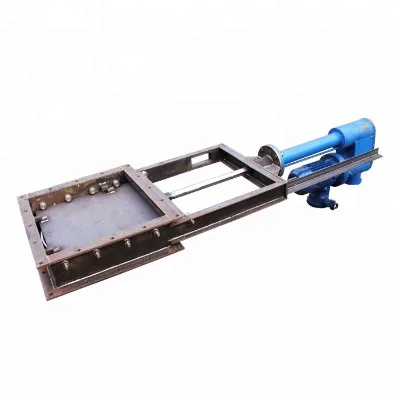


Explosion Proof Electric Stainless Steel Gate Valve for Industrial Pipeline
$80.00 - $350.00
MOQ: 10 Pieces

$15.00 - $1000.00
MOQ: 10 Pieces


Comprehensive Sourcing Guide
Strategic Sourcing Guide for Electric Steel Gate Valves
Understanding Technical Specifications and Operational Parameters
When sourcing electric steel gate valves, buyers must first establish a clear understanding of the technical specifications that define performance and compatibility. The core of the selection process involves identifying the valve's actuation method, pressure rating, and material composition. In the current market, electric actuators are a dominant feature, providing automated control that is essential for industrial processes requiring remote operation or integration into complex control systems. However, it is critical to verify whether the specific unit requires a manual override capability, as some configurations offer a hybrid actuation system combining both manual and electric options to ensure operational safety during power failures.
The pressure and temperature ratings are equally vital for determining the valve's suitability for specific applications. Market data indicates a divergence in product offerings, with some units designed for low-pressure environments while others are engineered for high-pressure applications. Similarly, temperature ratings vary significantly, ranging from ordinary temperature operations to high-temperature and low-temperature environments. Buyers must match these parameters strictly to their process requirements to prevent premature failure or safety hazards. The body material is another primary specification, with stainless steel and carbon steel being the most common options. Stainless steel is often preferred for its corrosion resistance, particularly in water industrial usage or applications involving animal-derived feed processing, whereas carbon steel offers robust structural integrity for general industrial usage.
Furthermore, the internal construction of the valve, specifically the gate and seal materials, dictates its longevity and sealing efficiency. The gate is frequently constructed from ductile iron, often paired with EPDM or NBR seals to ensure a tight closure. The seal surface type, such as the wedge gate valve configuration, plays a crucial role in how the valve handles flow regulation, safety, and emptying functions. Buyers should also scrutinize the thread position of the valve rod, which can be either inside or outside the gate valve body. This design choice affects the valve's protection against external corrosion and its ease of maintenance. Finally, the connection ends must align with the facility's piping standards, with common options including NPT, BSP, BSPT, and various DIN standards.
Compliance, Certification, and Standard Verification
Ensuring that an Electric Steel Gate Valve meets international and regional standards is a non-negotiable aspect of B2B procurement. Compliance verification protects the buyer from liability and ensures that the equipment operates safely within the intended regulatory framework. The supply chain for these valves often references multiple standard bodies, including GB (Guobiao) for domestic Chinese manufacturing and ANSI for American National Standards Institute compliance. Additionally, flange standards vary widely, with options such as PN6, PN10, PN16, PN25, PN40, PN150lb, JIS5K, JIS10K, and AS2129 Table D, E, or F. It is imperative for buyers to confirm that the specific valve model they are purchasing adheres to the flange standard required by their local infrastructure or project specifications.
Certification marks serve as a third-party validation of quality and safety. The CE mark is a frequently observed certification in the market, indicating conformity with health, safety, and environmental protection standards for products sold within the European Economic Area. However, the presence of a CE mark should not be assumed for every listing without explicit verification. Buyers must request valid certification documents for the specific batch or model being procured. Other standards, such as customized product standards, may also apply depending on the specific application requirements. When dealing with specialized industries, such as those involving animal-derived feed or water treatment, additional industry-specific certifications might be necessary to ensure the materials used are safe and compliant with hygiene regulations.
The origin of the product is another critical compliance factor. Many electric steel gate valves originate from China (Mainland), a major manufacturing hub for industrial valves. While this offers competitive pricing and a wide variety of models, it necessitates rigorous due diligence regarding the manufacturer's reputation and quality control processes. Buyers should verify the country of origin explicitly, as "China" and "China (Mainland)" may appear in different listings, and the specific region of manufacture can influence logistics, tariffs, and quality consistency. Furthermore, the coating of the valve body is often customizable, which can impact corrosion resistance and aesthetic requirements. Buyers must ensure that the coating process, whether standard or customized, meets the environmental and durability expectations of the installation site.
Cost Drivers and Pricing Dynamics
The pricing of electric steel gate valves is influenced by a complex interplay of factors, including material costs, actuation complexity, and manufacturing standards. The observed price range in the market is exceptionally broad, spanning from $0.50 to $100,000 USD. This vast disparity reflects the diversity in valve sizes, pressure ratings, and material compositions. A low-cost unit might be a small, low-pressure carbon steel valve with a basic electric actuator, while a high-cost unit could be a large-diameter, high-pressure stainless steel valve with advanced control features and specialized seals. Buyers must avoid assuming that a lower price equates to a lower quality; rather, they should analyze the cost drivers specific to their application needs.
Material selection is a primary driver of cost. Stainless steel valves are generally more expensive than carbon steel or ductile iron alternatives due to the higher raw material costs and more complex manufacturing processes required to maintain corrosion resistance. Similarly, the choice of seal material significantly impacts the price. Seals made from Viton, PTFE, or Silicone are typically more costly than standard NBR or EPDM options, but they offer superior resistance to extreme temperatures and aggressive chemicals. The actuator type also plays a role; electric actuators with advanced features such as position feedback, remote monitoring, or explosion-proof ratings will command a higher price than basic electric motors.
Another significant cost factor is the customization level. While many valves are available in standard configurations, customizations such as specific thread positions, unique coating requirements, or tailored flange standards can increase the unit price and lead time. The packaging method, whether an iron steel box, plywood case, or wooden case, can also add to the overall cost, particularly for international shipments where robust packaging is required to prevent damage. Buyers should request detailed quotes that break down these cost components to understand exactly what they are paying for. Additionally, the minimum order quantity (MOQ) can influence the effective unit price, with ranges typically observed between 1 and 100 units. Larger orders often benefit from economies of scale, reducing the per-unit cost, while single-unit purchases may carry a premium.
Typical Applications and Industry Use Cases
Electric steel gate valves are versatile components utilized across a wide spectrum of industrial sectors. Their primary function is to regulate, isolate, or control the flow of fluids and gases in piping systems. One of the most common applications is in industrial usage, where these valves manage the flow of water, steam, oil, and various chemicals in manufacturing plants. The ability to handle both high and low-pressure environments makes them suitable for diverse process conditions. In water industrial usage, the corrosion-resistant properties of stainless steel valves are particularly valuable, ensuring long-term reliability in water treatment facilities and distribution networks.
The feed processing industry represents another significant application area. Valves designed for animal-derived feed processing often feature specific attributes such as wet expansion methods and crushing-before-mixing technics. These valves must be capable of handling granular materials and maintaining hygiene standards. The application of these valves in feed mills involves controlling the flow of raw materials through various stages of production, from grinding to mixing and pelleting. The use of electric actuators in this context allows for precise control over material flow rates, optimizing production efficiency and reducing waste.
In addition to industrial and feed processing, these valves are employed in systems requiring temperature control, flow control, and safety regulation. The wedge gate valve design is particularly effective for applications where tight shut-off is required, such as in safety systems or emergency drainage scenarios. The ability to operate at ordinary, low, or high temperatures expands their utility to industries like petrochemicals, power generation, and HVAC systems. Buyers should carefully evaluate the specific process requirements of their facility, including the nature of the fluid, pressure fluctuations, and temperature extremes, to select a valve that can withstand the operational demands. The actuator's role in enabling remote operation and automation is especially beneficial in large-scale facilities where manual intervention is impractical or unsafe.
Supplier Evaluation and Quality Assurance
Selecting the right supplier for electric steel gate valves requires a thorough evaluation of their capabilities, reputation, and quality assurance processes. Buyers should prioritize suppliers who provide transparent information about their manufacturing standards, material sourcing, and testing procedures. The presence of certifications such as CE is a positive indicator, but it should be verified through official documentation rather than assumed based on marketing materials. Suppliers should also be able to demonstrate their experience with the specific standards relevant to the buyer's industry, such as GB or ANSI, and provide evidence of compliance through test reports or third-party audits.
Quality control is a critical aspect of the supplier evaluation process. Buyers should inquire about the supplier's internal quality control measures, including material inspection, welding procedures, and final testing protocols. The use of high-quality materials, such as stainless steel for the body and appropriate seal materials like NBR, EPDM, or PTFE, is essential for ensuring the valve's performance and longevity. Suppliers should also be able to provide details about their coating processes, as this can significantly impact the valve's resistance to corrosion and wear. Additionally, the packaging method, whether it is an iron steel box, plywood case, or wooden case, should be robust enough to protect the valve during transit, especially for international shipments.
Lead time and delivery capabilities are also important factors to consider. The observed delivery time for these valves typically ranges from 15 to 25 days, but this can vary based on the level of customization and the supplier's current production capacity. Buyers should confirm the lead time with the supplier and ensure it aligns with their project timeline. Furthermore, the supplier's ability to handle custom orders, such as specific thread positions or flange standards, should be assessed. A reliable supplier will have the flexibility to accommodate unique requirements while maintaining high quality standards. Finally, buyers should evaluate the supplier's after-sales support, including warranty terms, technical assistance, and availability of spare parts, to ensure long-term operational reliability.
Long-Term Procurement Considerations and Maintenance
Sourcing electric steel gate valves is not merely a transactional activity but a strategic decision that impacts long-term operational efficiency and maintenance costs. Buyers should consider the total cost of ownership, which includes not only the initial purchase price but also the costs associated with installation, maintenance, and potential replacements. The durability of the valve, determined by its material composition and seal quality, plays a significant role in minimizing downtime and maintenance expenses. Stainless steel valves, for instance, may have a higher upfront cost but offer superior longevity in corrosive environments, reducing the frequency of replacements.
Maintenance requirements vary depending on the valve's design and application. Valves with electric actuators may require periodic calibration and battery checks, while those with manual overrides need regular lubrication and inspection of the mechanical components. The choice of seal material is particularly important, as seals are often the first component to degrade due to wear and tear. Buyers should select valves with seals made from materials that are compatible with their process fluids and operating conditions to extend the service life of the valve. Additionally, the ease of access for maintenance, influenced by the thread position of the valve rod and the overall design, should be considered to facilitate routine inspections and repairs.
Future-proofing the procurement decision is also essential. As industrial processes evolve, the valves in the system may need to be upgraded or replaced. Buyers should opt for suppliers who offer a range of compatible products and can provide technical support for future upgrades. The availability of spare parts, such as actuators, seals, and gates, is crucial for minimizing downtime in the event of a failure. Furthermore, buyers should stay informed about changes in industry standards and regulations that may affect the performance or compliance of their valve systems. By taking a holistic approach to procurement, buyers can ensure that their electric steel gate valves continue to meet operational needs and regulatory requirements for years to come.
FAQs
What actuator options are available for electric steel gate valves?
Electric actuators are the primary option, though some models offer a hybrid system with manual override. This ensures operational safety during power failures. Buyers should verify if the specific unit includes manual control capabilities alongside the electric drive.
Which pressure ratings are supported by these valves?
Products support both low and high-pressure environments depending on the specific model configuration. Buyers must match the valve's pressure rating strictly to their process requirements to prevent failure. Options range from low-pressure applications to high-pressure industrial systems.
Can I find valves with CE certification and GB standards?
Yes, many listings explicitly state CE certification and compliance with GB standards. However, buyers must verify valid certification documents for the specific batch. The supply chain often references multiple standard bodies including GB for domestic Chinese manufacturing and ANSI for US compliance.
What body materials are commonly used for these valves?
Stainless steel and carbon steel are the most common body materials available. Stainless steel is preferred for corrosion resistance in water usage, while carbon steel offers structural integrity for general industrial applications. Ductile iron is also used for the gate component paired with specific seal materials.
How long is the typical delivery time for these valves?
The standard delivery time ranges from 15 to 25 days for most configurations. This lead time can vary based on customization levels and order volume. Buyers should confirm the specific timeline with the supplier before finalizing the procurement plan.
What packaging options are available for shipping these valves?
Packaging includes iron steel boxes, plywood cases, and wooden cases depending on the product requirements. Robust packaging is often required for international shipments to prevent damage. The specific method can influence the overall cost and logistics planning for the buyer.