Source Electric Start Three Wheeler Engine for Cargo, Passenger, and Leisure
Find 30 listings for the Electric Start Three Wheeler Engine suitable for cargo transport, passenger travel, and leisure activities. Buyers can compare specifications including diesel and gasoline options, single-cylinder configurations, and various body types to match their operational needs.
Key considerations
Products List


E Tricycle, Electric Three Wheeler/ Bike, Motorbike, Passenger Tricycle
$550.00 - $600.00
MOQ: 16 Pieces
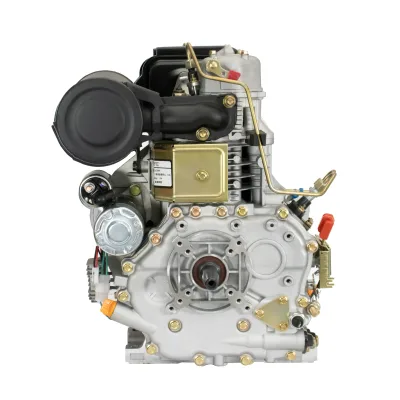


Superior Gradeability Electric Three Wheeler Motorcycle Suitable for Various Terrains
$2571.00 - $5500.00
MOQ: 10 Pieces


Multifunction Electric Tricycle Motor Tricycle Three Wheel Electric Motorcycle
$2000.00 - $3800.00
MOQ: 10 Pieces


DC48/60/72V Electric Three Wheeler 1800W Controller for Brushless Motor
$39.50 - $41.50
MOQ: 10 Pieces

$615.00 - $625.00
MOQ: 68 piece
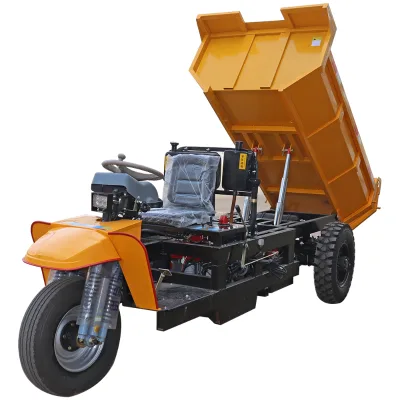
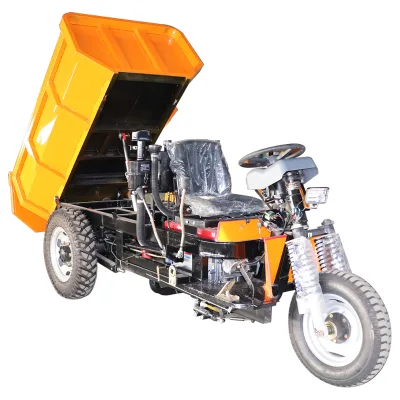


Cheap Tricycle Freight Loader Tricycle Diesel Engine Three Wheel Motorcycle
$3500.00 - $5500.00
MOQ: 1 Pieces


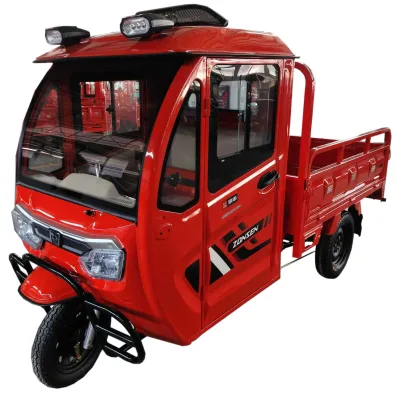
Comprehensive Sourcing Guide
Strategic Sourcing Guide for Electric Start Three-Wheeler Engines
Understanding Core Technical Specifications and Variants
When sourcing an electric start three-wheeler engine, buyers must first distinguish between the specific powertrain architectures available in the market. The observed product data indicates a diverse range of configurations, primarily split between diesel and gasoline power sources. For commercial applications requiring high torque and fuel efficiency, diesel engines are frequently cited, often featuring a single-cylinder design. These units are typically engineered for robustness in heavy-duty scenarios, such as cargo transport. Conversely, gasoline variants are also prevalent, with specific models utilizing 4-stroke engine technology to balance performance and maintenance requirements.
The electric start mechanism is a critical differentiator from manual kick-start systems, offering immediate operational readiness. This feature is often integrated into engines designed for both passenger and cargo utility. Buyers should verify the specific engine model number, as specifications vary significantly between manufacturers. For instance, some listings reference specific model identifiers like QDJ159 for starter motors or KH192F for engine units, indicating that the electric start system must be compatible with the specific engine architecture. The power source is a primary decision point; while diesel engines are noted for their durability in "All Diesel Tricycles," gasoline options are available for lighter duty cycles. The engine cylinder count is another vital specification, with single-cylinder designs being the standard for this vehicle class, offering a compact footprint suitable for three-wheeled chassis.
Furthermore, the transmission and control systems vary. Some engines are paired with CVT (Continuously Variable Transmission) systems, such as the Zongshen CVT125efl, which simplifies operation for drivers in urban environments. The presence of brushless motors in certain configurations suggests a hybrid or fully electric approach in some modern listings, though the core keyword focuses on the engine component. Buyers must ensure that the electric start system is rated for the specific voltage and current requirements of the vehicle's battery, which is often a lead-acid type in traditional models. The compatibility of the starter motor with the engine's flywheel and crankshaft is essential for a successful installation.
Compliance, Certification, and Regulatory Standards
Navigating the regulatory landscape is paramount when importing three-wheeler engines, as non-compliance can lead to shipment seizures or legal liabilities. The observed product data highlights several key certifications that serve as indicators of manufacturing quality and regulatory adherence. The most frequently cited standards include CCC (China Compulsory Certification) and ISO 9001, which appear in conjunction with various product attributes. The CCC certification is particularly critical for products intended for the Chinese domestic market and often serves as a baseline for export quality. ISO 9001 certification indicates that the supplier adheres to international quality management systems, ensuring consistent production processes.
In addition to domestic certifications, international standards such as EPA (Environmental Protection Agency) and DOT (Department of Transportation) are mentioned in the context of specific engine models. These certifications are essential for markets in North America and other regions with strict emissions and safety regulations. The presence of CE marking suggests compliance with European health, safety, and environmental protection standards, although buyers should verify the specific scope of this certification for the engine model in question. RoHS (Restriction of Hazardous Substances) is another relevant standard, ensuring that the engine and its components do not contain restricted hazardous materials, which is increasingly important for global supply chains.
Buyers must also consider the "Craft Standard" and "Prod Standard" referenced in the data. These often refer to National Standards or specific industry benchmarks like "WAw Tricycle parts." It is crucial to verify that the engine meets the specific national standards of the destination country, as these can vary significantly regarding emissions, noise levels, and safety features. The "National Standard Prodution" mentioned implies adherence to a specific set of manufacturing protocols, but buyers should request the exact standard number (e.g., GB/T standards) to ensure full compliance. Furthermore, the "Driving Type: Adult" classification indicates that the engine is designed for adult-operated vehicles, which may have different regulatory requirements compared to child-operated or recreational models.
Cost Drivers and Pricing Dynamics
The pricing of electric start three-wheeler engines is influenced by a complex interplay of factors, including engine type, certification levels, and order volume. The observed price range in the market spans from $0.50 to $5,500, a vast disparity that reflects the difference between individual components, such as starter motors, and complete engine assemblies or specialized high-performance units. This wide range necessitates a clear definition of the scope of supply. A buyer seeking a replacement starter motor will face a different cost structure than one sourcing a complete diesel engine with integrated electric start capabilities.
Volume is a primary driver of unit cost. The Minimum Order Quantity (MOQ) data reveals a range from 1 unit to 68 units, with specific shipping constraints like "16PCS/20gp" or "50pcs/HQ" indicating that economies of scale are significant. Suppliers often offer tiered pricing structures where the unit cost decreases as the order volume increases. For instance, purchasing a full container load (HQ) or a 20-foot container (20gp) can drastically reduce the per-unit cost compared to single-item purchases. The "Selling Units: Single item" option suggests that small buyers can access the market, but they will likely pay a premium per unit.
Other cost drivers include the complexity of the engine design and the level of customization. Engines with advanced features, such as specific transmission types (e.g., CVT) or specialized fuel systems (diesel vs. gasoline), command higher prices. Customization availability is a noted attribute, and while it offers flexibility, it may incur additional tooling or setup costs. The origin of the product, primarily China, influences logistics costs, which are factored into the final landed cost. Buyers should also consider the packaging requirements; options like CKD (Completely Knocked Down) or SKD (Semi-Knocked Down) can affect shipping volume and cost, as well as the assembly requirements at the destination.
Typical Applications and Operational Environments
The versatility of electric start three-wheeler engines makes them suitable for a wide array of applications, ranging from heavy cargo transport to passenger mobility. The observed data explicitly categorizes usage into "Cargo And Passenger," "Passenger," and "Cargo," indicating that these engines are designed to handle diverse operational demands. For cargo applications, the engine must provide high torque at low speeds to navigate loaded vehicles, particularly in challenging terrain. The "Road Condition: Plains/Mountains" specification suggests that these engines are engineered to perform in both flat urban environments and hilly or mountainous regions, requiring robust cooling and power delivery systems.
Passenger applications often prioritize comfort and smooth operation. Engines used in passenger tricycles, such as the "Leisure X3" model, are designed to offer a stable ride with minimal vibration. The "Body Type: Closed" configuration for passenger models implies the need for quieter operation and efficient power delivery to maintain cabin comfort. In contrast, "Body Type: Open" cargo models may prioritize durability and ease of maintenance over noise reduction. The "Usage" attribute also highlights the "Adult" driving type, ensuring that the engine's power output and control systems are appropriate for adult operators who may carry heavier loads or travel longer distances.
The "Applicable Period: 10 Years" suggests a long service life, which is critical for commercial fleet operators who rely on these vehicles for daily operations. The "Range: 50-60km" specification, while potentially referring to electric or hybrid variants, indicates the operational scope of the vehicle. For diesel engines, the range is determined by fuel tank capacity and fuel efficiency, which are key performance metrics for logistics companies. The "Gross Weight: Regular" attribute implies that the engine is designed for standard load capacities, but buyers should verify the specific weight limits for their intended application. The "Rear Shock Absorber Type: Independent Suspension" further supports the use of these engines in passenger vehicles where ride quality is a priority.
Supplier Evaluation and Sourcing Strategy
Evaluating suppliers for electric start three-wheeler engines requires a rigorous assessment of their manufacturing capabilities, quality control systems, and logistical reliability. The "OEM: Yes" attribute indicates that many suppliers are capable of Original Equipment Manufacturing, meaning they can produce engines to specific buyer specifications. This is a valuable capability for buyers looking to brand their own products or integrate engines into unique vehicle designs. However, buyers must verify the supplier's capacity to maintain consistent quality across different batches, especially when dealing with high-volume orders.
The "Manufacturing Process: Casting" and "Surface Treatment: Spray-Paint" are critical indicators of the production methods used. Casting ensures the structural integrity of engine blocks, while spray-painting provides corrosion resistance and aesthetic appeal. Buyers should request evidence of these processes, such as factory audit reports or video tours, to confirm that the supplier adheres to the stated methods. The "Location: China" is a common origin, but buyers should be aware of the specific industrial clusters where these engines are produced, as some regions may have better supply chains for specific components like starter motors or fuel injectors.
Logistical capabilities are another key factor. The "Loading Quantity: 14 Units / Hc40" and "Standard Equipment: Large Tool Kit" details highlight the importance of efficient packaging and shipping. Suppliers who can optimize container loading (e.g., 2320mm×1080mm×1640mm dimensions) can reduce shipping costs and minimize damage during transit. The "prod_packing" options, such as "Ispm 15" or "CKD," offer flexibility in how the products are shipped, which can impact the buyer's assembly and storage requirements. Buyers should also consider the "Lead Time" and "MOQ" constraints, ensuring that the supplier can meet their production schedules without compromising quality.
Quality Control and Long-Term Procurement Considerations
Ensuring the long-term reliability of electric start three-wheeler engines requires a proactive approach to quality control and supplier relationship management. The "Certification: CCC, ISO 9001" standards provide a baseline for quality, but buyers should go further by implementing their own inspection protocols. This includes pre-shipment inspections to verify that the engines meet the specified technical parameters, such as the "Engine Cylinder: Single Cylinder" and "Power: Gasoline" or "Diesel" specifications. Testing the electric start functionality under various conditions is essential to ensure that the starter motor operates reliably in different weather and temperature ranges.
Long-term procurement considerations also involve the availability of spare parts and after-sales support. The "Applicable Period: 10 Years" suggests that the engines are designed for extended use, which necessitates a steady supply of replacement parts. Buyers should verify the supplier's commitment to providing spare parts for the lifecycle of the product. The "Standard Equipment" list, which includes items like a "Large Tool Kit," indicates that some suppliers provide essential maintenance tools, but buyers should confirm if additional specialized tools are required for specific engine models.
Furthermore, the "Customization: Available" attribute offers an opportunity for buyers to tailor the engine to their specific needs, but it also introduces complexity in quality control. Customized engines may require unique testing procedures to ensure that the modifications do not compromise performance or safety. Buyers should establish clear communication channels with suppliers to address any quality issues promptly. The "Brand Name: chenqi" and other specific model references highlight the importance of brand recognition and reputation in the market. While buyers should not rely solely on brand names, established brands often have a track record of reliability and customer support.
In conclusion, sourcing electric start three-wheeler engines involves a careful balance of technical specifications, regulatory compliance, cost management, and supplier evaluation. By understanding the diverse range of engine types, certifications, and applications, buyers can make informed decisions that align with their operational needs. The wide price range and MOQ flexibility offer opportunities for both small and large-scale procurement, but success depends on rigorous quality control and strategic supplier selection.
FAQs
What certifications do electric start three wheeler engines typically have?
Most engines carry CCC and ISO 9001 certifications for quality and safety compliance. Some models also include EPA, DOT, CE, and RoHS marks to meet international environmental and transport standards. Buyers should verify specific certification lists for their target market before ordering.
Can I customize the Electric Start Three Wheeler Engine specifications?
Yes, customization is available for many engine models to meet specific buyer requirements. Suppliers often allow adjustments to engine type, such as diesel or gasoline, and can accommodate different cylinder configurations. Custom orders may require higher minimum quantities or adjusted lead times.
Which engine types are available for electric start three wheeler applications?
Both diesel and gasoline engines are available, with diesel options often featuring single-cylinder designs for heavy cargo use. Gasoline variants typically utilize four-stroke technology for lighter passenger duties. Specific models like the Zongshen CVT125efl offer advanced transmission integration for smoother operation.
What is the typical minimum order quantity for these engines?
Minimum order quantities range from one unit to sixty-eight units depending on the supplier and product type. Some specific listings require sixteen pieces per twenty-foot container or fifty pieces per high-cube container. Buyers should confirm the exact MOQ before finalizing their purchase order.
How long is the expected service life of these engines?
The applicable period for these engines is typically around ten years under normal operating conditions. This longevity is supported by robust manufacturing processes like casting and surface treatments such as spray-paint. Regular maintenance is required to ensure the engine meets this expected service duration.
What packaging options are available for shipping these engines?
Packaging options include Ispm 15, CKD (Completely Knocked Down), and SKD (Semi-Knocked Down) configurations. These methods optimize container loading and protect components during transit. The choice of packaging affects assembly requirements at the destination and overall shipping costs.
Are these engines suitable for mountainous road conditions?
Yes, the engines are designed to handle both plains and mountains effectively. They provide sufficient torque and power delivery for varied terrain including steep inclines. This versatility makes them suitable for cargo and passenger transport in diverse geographical environments.