Source Electric Tricycle Dumper for Construction Farming and Warehousing
Compare 30 Electric Tricycle Dumper options from verified Chinese suppliers. These motorized vehicles feature lead-acid or lithium-ion batteries, steel bodies, and capacities up to 3 tons for construction, farming, and warehouse applications.
Key considerations
Products List


Electric Mini Dumper 3 Wheel Tricycle with Truck Dumper with Platform Structure
$1835.00 - $1845.00
MOQ: 1 Pieces


Electric Mini Cargo Dumper for Construction Site Outdoor Carrier Material Handling
$320.00 - $450.00
MOQ: 1 Pieces
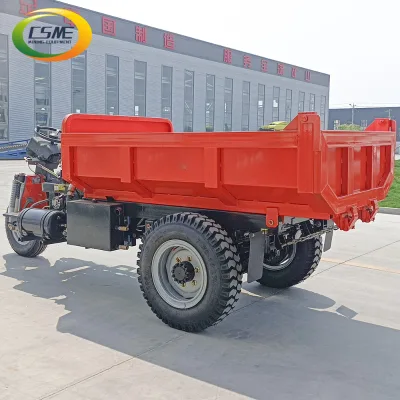
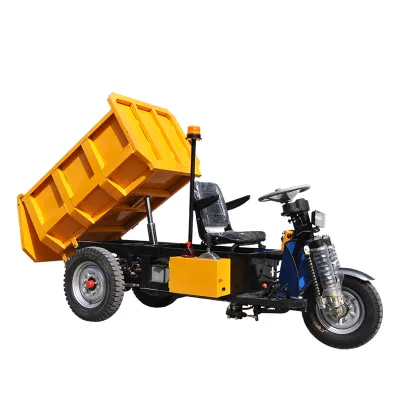
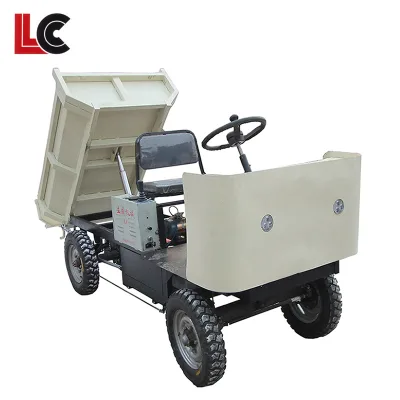
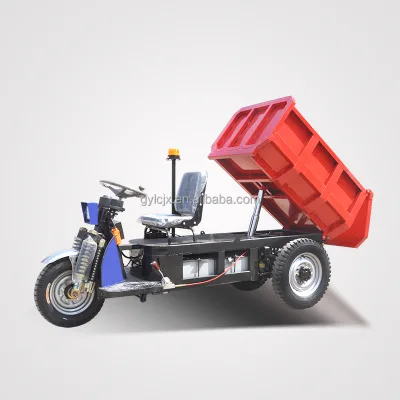
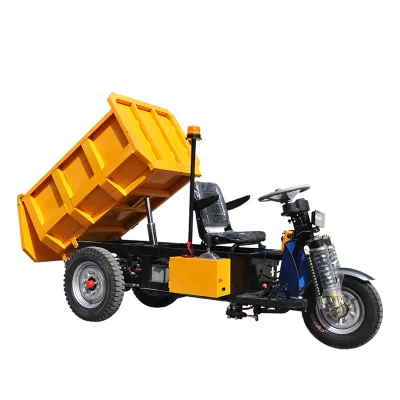
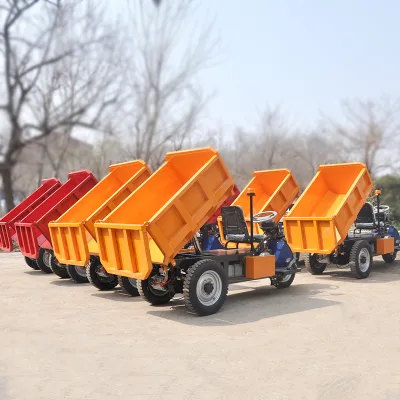
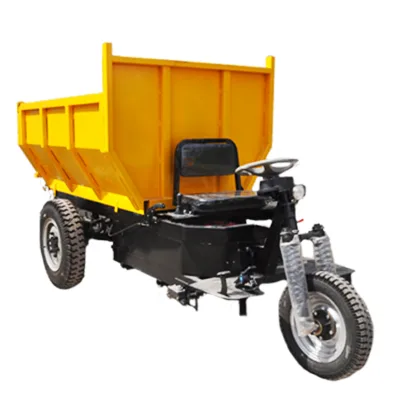


Diesel Tricycle Electric Tricycle Mini Dumper Used for Mining and Construction
$3000.00 - $3600.00
MOQ: 1 Pieces


3 Wheel Electric Tricycles Tipper Mini Dumper 1 Ton Electric Dumper in Pakistan
$1900.00 - $2300.00
MOQ: 1 Sets


Customized Mini Dumper Truck Mini Electric Dumper Loader Tricycle Dumper
$2300.00 - $2400.00
MOQ: 1 Sets

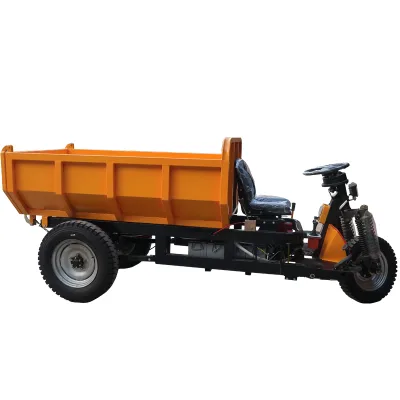
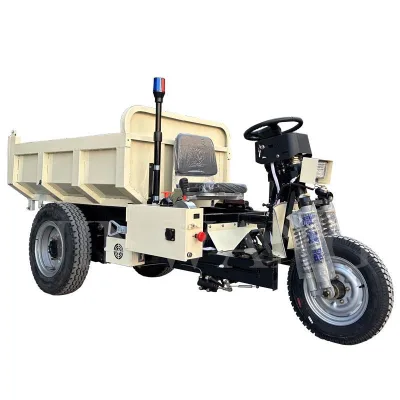

$615.00 - $625.00
MOQ: 68 piece

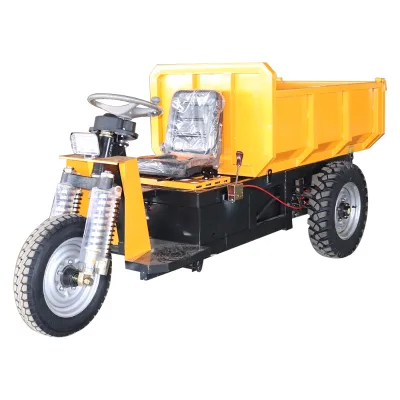
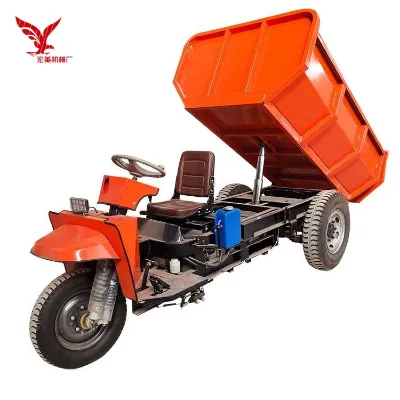
Tricycle for Transport Three Wheel Dumper Tricycle Mining Truck Dumper
$999.00 - $2999.00
MOQ: 1 Pieces


Comprehensive Sourcing Guide
Strategic Sourcing Guide for Electric Tricycle Dumpers
Understanding the Technical Landscape of Electric Dumper Trucks
The Electric Tricycle Dumper represents a specialized category of industrial utility vehicles designed for short-haul material transport in confined or uneven environments. Unlike standard passenger vehicles, these units prioritize torque, load stability, and maneuverability over speed. Based on current market observations, the core technical architecture typically involves a motorized driving system powered by either lead-acid or lithium-ion battery configurations. The choice between these energy storage types is a primary decision point for procurement teams, as it directly influences the vehicle's operational lifespan, maintenance requirements, and initial capital expenditure.
The structural design of these units is predominantly characterized by an open body type, often referred to as a dumper style, which facilitates the rapid loading and unloading of bulk materials such as soil, gravel, or construction debris. The chassis is frequently constructed from steel, providing the necessary rigidity to withstand the stresses of heavy-duty applications. Dimensions vary significantly across different models, with observed specifications including lengths around 223cm and widths ranging from 115cm to 145cm. Height is generally standardized around 110cm to ensure stability during tipping operations. The wheelbase, or wheel distance, is a critical metric for stability; observed data indicates a standard wheel distance of 800mm, which contributes to the vehicle's ability to navigate narrow aisles in warehouses or tight farm plots without tipping.
Performance metrics are equally diverse. While some models are rated for a maximum speed of 25km/h, others may operate at lower speeds to prioritize safety in crowded industrial zones. The motor power is a key indicator of capability, with high-performance units featuring motors rated at 3000W. Braking systems are equally critical for safety; observed configurations include a combination of handbrakes and electric brakes, or front disc and rear disc systems. Speed control is often managed through a three-speed transmission system (Low/Middle/High), allowing operators to adjust power delivery based on terrain and load weight. The ability to handle gradients is another vital specification, with some units demonstrating a grade ability of 25 degrees or more, making them suitable for sloped construction sites or agricultural fields.
Compliance and Certification Verification Protocols
In the B2B procurement of industrial machinery, verifying compliance with international standards is not merely a formality but a risk mitigation strategy. The Electric Tricycle Dumper market is characterized by a variety of certification statuses, and buyers must rigorously validate these claims before finalizing a purchase. Observed data indicates that common certifications associated with these vehicles include CE (Conformité Européenne) and RoHS (Restriction of Hazardous Substances). These certifications suggest that the product meets specific European safety, health, and environmental protection requirements. Additionally, ISO 9001 certification is frequently cited, indicating that the manufacturer adheres to a recognized quality management system.
However, the presence of a certification mark does not guarantee universal compliance for every unit in a catalog. Buyers must treat certification data as observations of specific models rather than blanket claims for an entire supplier's inventory. For instance, while some listings explicitly mention "CE, RoHS" or "CE, ISO 9001: RoHS," others may only list "Eec" or lack specific certification details entirely. The "Eec" designation likely refers to European Economic Community standards, but the exact scope and validity of such markings require direct verification with the supplier.
When evaluating a potential supplier, procurement teams should request copies of the actual test reports and certificates rather than relying solely on marketing materials. It is essential to confirm that the certifications are current and applicable to the specific model number being purchased. For example, a model designated as "NQTF-SL002" may carry different compliance documentation than "NQTF-SL006." Furthermore, buyers should verify if the manufacturer holds authentication for RoHS and CE as distinct attributes, ensuring that the electrical components and battery systems do not contain restricted hazardous substances. In markets where local regulations are stringent, additional certifications such as UL (Underwriters Laboratories) or specific national standards may be required, even if not explicitly listed in the initial product description.
Cost Drivers and Pricing Dynamics
The pricing of electric tricycle dumpers is influenced by a complex interplay of factors, including battery technology, load capacity, customization options, and packaging requirements. The observed price range in the market spans from $320 to $5,500 USD, a significant variance that reflects the diversity in specifications and build quality. The lower end of this spectrum typically corresponds to basic models with lead-acid batteries, minimal customization, and standard packaging. In contrast, the higher price points are associated with advanced features such as lithium-ion batteries, higher load capacities (up to 2 tons or 3 tons), and specialized configurations for specific industries like mining or environmental sanitation.
Battery type is a primary cost driver. Lithium-ion batteries generally command a higher upfront cost compared to lead-acid batteries but offer advantages in terms of weight, charging speed, and cycle life. For buyers operating in high-frequency environments, the long-term savings from reduced battery replacement cycles may justify the higher initial investment. Load capacity is another critical factor; units rated for 800 lbs differ significantly in cost from those capable of handling 2 tons. The structural reinforcement required to support heavier loads increases material costs and manufacturing complexity.
Customization is a significant variable in the final price. Many suppliers offer "Customization Is Available" for body types, colors, and dimensions. While this flexibility allows buyers to tailor the vehicle to specific operational needs, it often incurs additional charges. The standard packaging for these units varies from simple cardboard to hardwood packaging, which is more expensive but offers superior protection during international shipping. Buyers should also consider the impact of the Minimum Order Quantity (MOQ) on unit pricing. The observed MOQ range is 1 to 68 units. Purchasing a single unit typically results in a higher per-unit cost compared to bulk orders, which may benefit from economies of scale. However, suppliers with high MOQs may not be suitable for small-scale operations or pilot projects.
Typical Applications and Operational Environments
Electric tricycle dumpers are versatile machines designed to serve a wide array of industrial and agricultural sectors. The observed application data highlights their suitability for construction, farming, warehouse logistics, and environmental sanitation. In the construction sector, these vehicles are ideal for transporting materials like sand, cement, and bricks within a site where larger trucks cannot easily maneuver. Their compact size and open body type make them particularly effective for loading and unloading tasks in confined spaces.
Agricultural applications are another major use case. The ability to handle gradients of 25 degrees or more makes these vehicles suitable for farm environments with uneven terrain. They are used for transporting crops, fertilizers, and equipment across fields. The "Mini" standard classification often seen in product descriptions suggests that these vehicles are optimized for small to medium-sized farms where maneuverability is more critical than sheer hauling capacity. In warehouse settings, the electric powertrain offers the advantage of zero emissions, making them safe for indoor use where ventilation might be limited. Their low noise levels also contribute to a more pleasant working environment.
Environmental sanitation and mining are additional sectors where these vehicles find application. In mining sites, the robust steel construction and high load capacity allow for the transport of ore or waste material. For environmental sanitation, the vehicles can be equipped with specialized bodies for waste collection and transport. The "Cargo" usage classification underscores their primary function as material handlers. Buyers should assess their specific operational environment to determine the most suitable model. For instance, a warehouse operation might prioritize a model with a smaller turning radius and a lithium-ion battery for frequent charging, while a construction site might prioritize a model with a higher load capacity and a more robust braking system.
Supplier Evaluation and Service Capabilities
Selecting the right supplier is as crucial as selecting the right product. In the Electric Tricycle Dumper market, suppliers often offer a range of service models, including Original Design Manufacturing (ODM) and Original Equipment Manufacturing (OEM). The availability of ODM/OEM services indicates that a supplier is capable of customizing the product design to meet specific buyer requirements, from branding to structural modifications. This flexibility is valuable for buyers looking to create a unique product offering or adapt the vehicle for niche applications.
When evaluating a supplier, buyers should look for evidence of a robust quality management system. The presence of ISO 9001 certification is a strong indicator, but it should be verified alongside the specific product models. Suppliers should also demonstrate a clear understanding of the customization process. For example, if a buyer requires a specific body dimension or a unique color, the supplier must confirm their ability to deliver these customizations without compromising the vehicle's structural integrity or safety standards. The "Customization Is Available" attribute suggests that many suppliers are open to these requests, but the lead time and cost implications must be clarified.
Location is another factor to consider. The observed product origin is China, which is a major hub for the manufacturing of electric utility vehicles. Buyers should be aware of the logistical implications of sourcing from this region, including shipping costs, import duties, and lead times. While the specific lead times are not provided in the observed data, buyers should expect that customized orders may require longer production cycles than standard stock items. Additionally, the supplier's after-sales support, including the availability of spare parts and technical assistance, is a critical consideration. A supplier that offers comprehensive support can significantly reduce the total cost of ownership by minimizing downtime.
Quality Control and Long-Term Procurement Considerations
Ensuring the quality of electric tricycle dumpers requires a multi-faceted approach to quality control (QC). Buyers should implement a rigorous inspection process that covers both the manufacturing stage and the pre-shipment phase. Key areas of focus include the structural integrity of the steel chassis, the reliability of the braking system, and the performance of the battery and motor. For units with a "New" condition status, buyers should verify that all components are genuine and meet the specified standards. The "Hardwood Packaging" option observed in some listings suggests a higher standard of protection, which can be a proxy for the supplier's attention to detail.
Long-term procurement considerations extend beyond the initial purchase price. Buyers should evaluate the total cost of ownership, which includes maintenance, energy consumption, and battery replacement costs. Models with lithium-ion batteries may have a higher upfront cost but lower long-term maintenance expenses compared to lead-acid models. The availability of spare parts is another critical factor; buyers should ensure that the supplier has a reliable supply chain for components like tires, brakes, and batteries. The "Customization" attribute implies that some parts may be unique to the buyer's order, so it is essential to negotiate a long-term supply agreement for these components.
Furthermore, buyers should consider the scalability of their procurement strategy. If the initial order is successful, the ability to scale up production with the same supplier can ensure consistency in quality and specifications. The observed MOQ range of 1 to 68 units offers flexibility for buyers to start small and grow. However, buyers should also be prepared for the possibility of price fluctuations due to raw material costs, particularly steel and battery materials. Establishing a strong relationship with the supplier can help mitigate these risks through long-term contracts and volume discounts.
Summary of Key Specifications and Comparisons
To assist buyers in making informed decisions, the following table summarizes the key specifications observed in the market for electric tricycle dumpers. This comparison highlights the diversity in models and helps identify the most suitable options for specific needs.
| Specification | Model A (NQTF-SL002) | Model B (NQTF-SL006) | Model C (SG-T11) | Model D (NQTF-ST013) |
|---|---|---|---|---|
| Battery Type | Lead-Acid | Lithium-Ion | Not Specified | Not Specified |
| Load Capacity | 2t/3t | 800 lbs | Not Specified | Not Specified |
| Motor Power | Not Specified | 3000W | Not Specified | Not Specified |
| Max Speed | Not Specified | 25km/H | Not Specified | Not Specified |
| Brake System | Not Specified | Handbrake + Electric | Front/Rear Disc | Not Specified |
| Dimensions (L*W) | 230*115cm | 150*80cm | 120*110cm | 145*115cm |
| Certification | CE, RoHS, ISO 9001 | CE, RoHS | Eec | Not Specified |
| Standard | Mini | Mini | Mini | Mini |
| Application | Construction/Farm | Warehouse/Agri | Transport/Mining | Environmental |
This table illustrates that while there is a common thread of "Mini" standards and electric power, the specific configurations vary widely. Buyers must align these specifications with their operational requirements to ensure optimal performance. By carefully analyzing these attributes and adhering to the verification protocols outlined in this guide, procurement teams can successfully navigate the Electric Tricycle Dumper market and secure high-quality vehicles that meet their specific needs.
FAQs
What battery types are available for electric tricycle dumpers?
Both lead-acid and lithium-ion batteries are available for these vehicles. The choice depends on your budget and operational needs, as lithium-ion offers longer life while lead-acid is a cost-effective option for standard usage scenarios.
Which certifications do these electric dumpers typically hold?
Common certifications include CE, RoHS, and ISO 9001 for quality management. Some models may also list Eec compliance, but buyers should verify specific certificates for each model before purchasing to ensure regulatory adherence.
Can I customize the color and dimensions of the dumper?
Yes, customization is available for colors, body types, and specific dimensions. Suppliers often accept OEM and ODM requests, allowing you to tailor the vehicle to your brand or specific site requirements with additional lead time.
What is the maximum load capacity for these electric trucks?
Load capacities vary by model, ranging from 800 lbs to 2 or 3 tons. You must select a specific model based on your heaviest expected load, as structural reinforcement is required to safely support heavier weights.
How fast can these electric dumper trucks travel?
Maximum speeds typically reach up to 25 km/h for high-performance models. Many units feature three-speed controls to adjust power delivery, ensuring safety and stability when navigating uneven terrain or crowded work sites.
What is the typical minimum order quantity for these vehicles?
Minimum order quantities range from 1 to 68 units depending on the supplier. Single-unit purchases are possible but may cost more per unit, while bulk orders often benefit from economies of scale and better pricing.
Which applications are these electric dumpers best suited for?
These vehicles are designed for construction, farming, warehousing, and environmental sanitation. Their compact size and high grade ability make them ideal for transporting materials in confined spaces or on slopes up to 25 degrees.