Source Electric Truck Feed Spreader with Curved Teeth for dairy, poultry, and swine farms
Find 30 Electric Truck Feed Spreader with Curved Teeth models from verified Chinese manufacturers. Buyers can compare specifications like voltage, transmission, and capacity to select the right fodder spreader for livestock feeding operations.
Key considerations
Products List


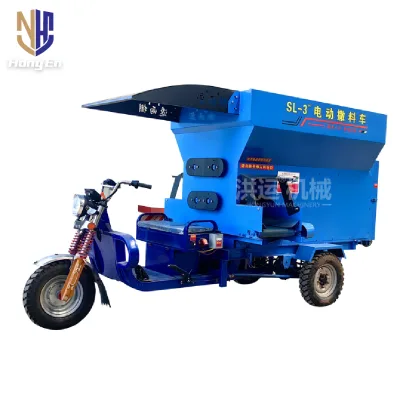
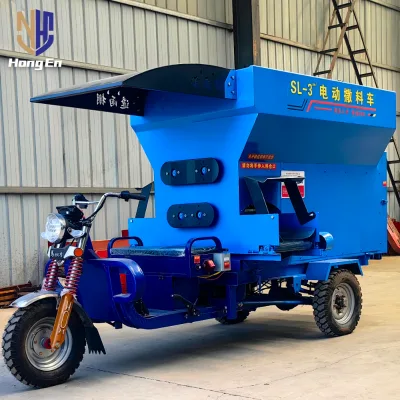
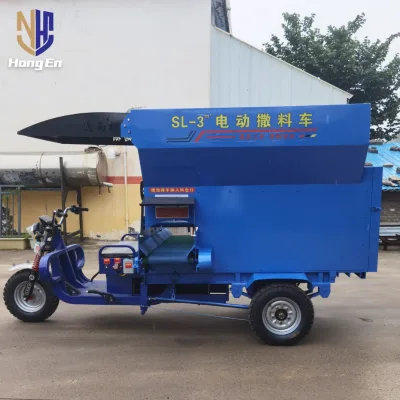
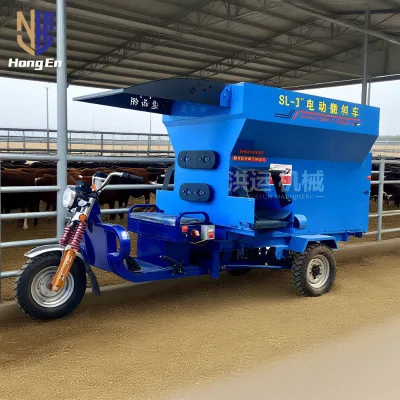
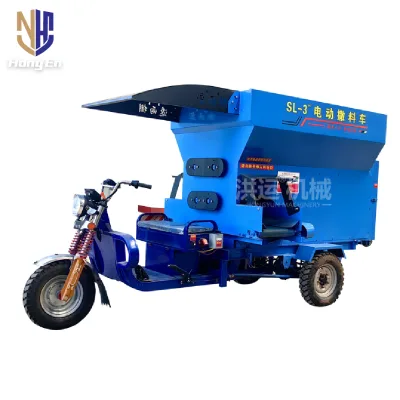
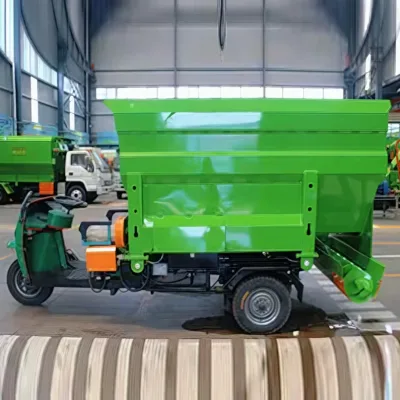
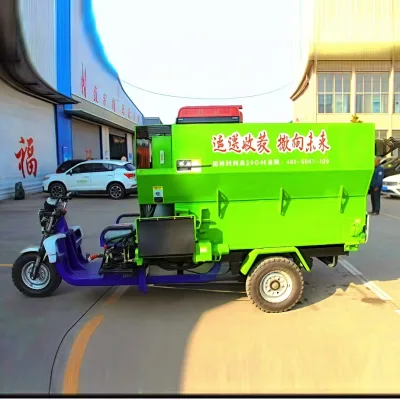
2 Cbm Electric Three-Wheel Handlebar Spreader Truck Tmr Feed Spreader
$1000.00 - $3000.00
MOQ: 1 Pieces


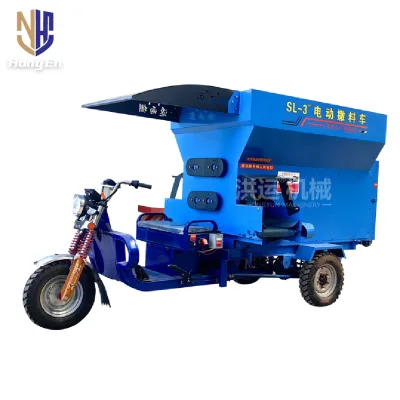
Cattle Breeding Equipment Electric Tmr Feed Distributor Animal Feed Spreader with 3 Wheels Tricycle
$2500.00 - $28000.00
MOQ: 1 Pieces


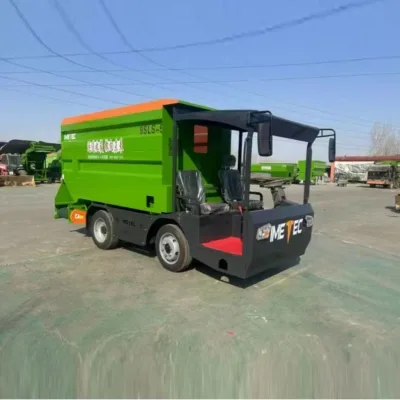
Feed Distributor Animal Feed Spreader Cow Feed Mixer Feed Spread Truck
$2800.00 - $3300.00
MOQ: 1 Sets

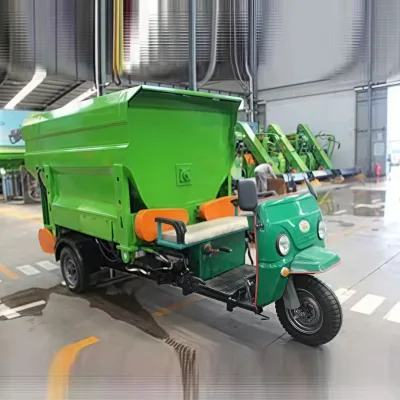
Dairy farm using truck mounted feed spreader for spreading cow cattle fodder
$21999.00 - $69999.00
MOQ: 1 Pieces
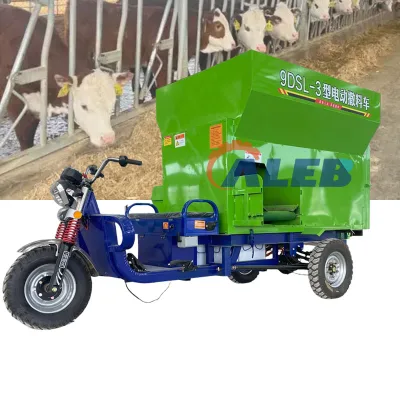
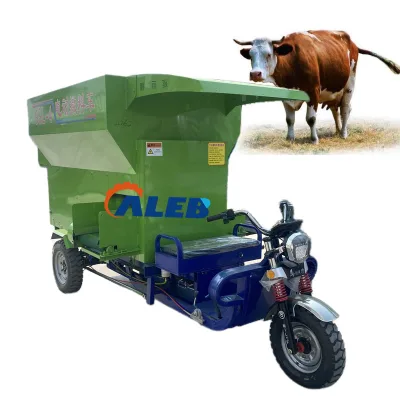
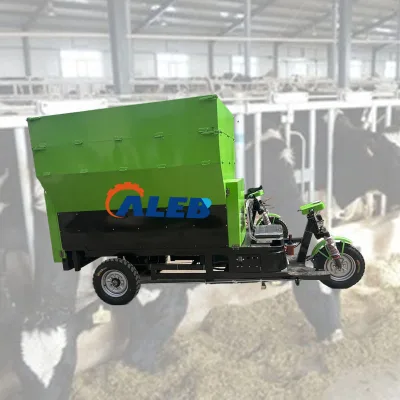
Cheap Feed Spreader Electric Automatic Feeding Tricycle Spreader Mixer Machine
$1980.00 - $2260.00
MOQ: 1 sets
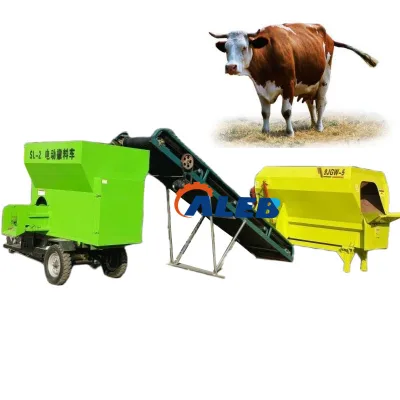
Easy to Operate Electric Three Wheel Corn Straw Forage Feed Spreader Mixing Machine
$1768.00 - $1928.00
MOQ: 1 sets
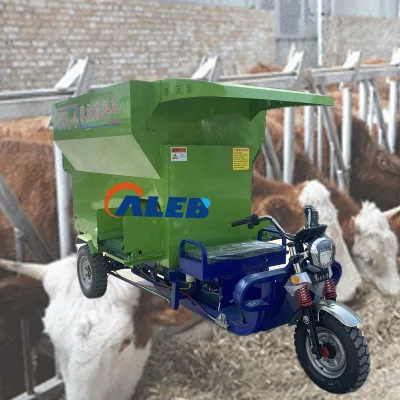
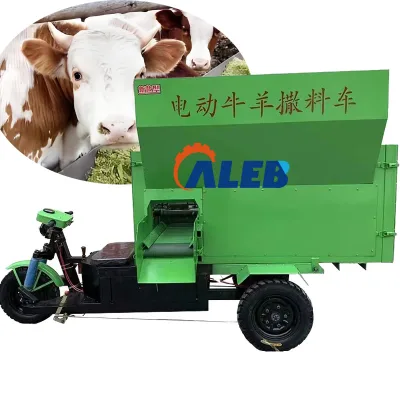
Easy to Operate Three-wheel Drive Grass Cart Silage Feed Spreader Truck
$2299.00 - $2499.00
MOQ: 1 sets

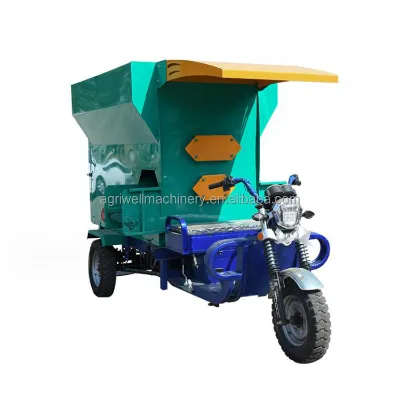
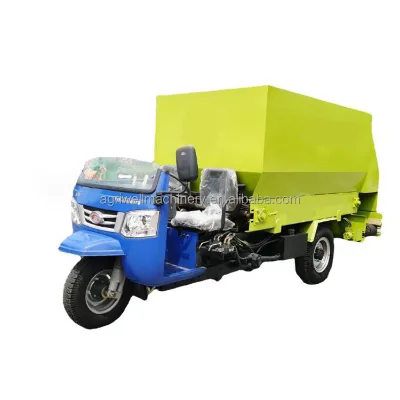
Comprehensive Sourcing Guide
Sourcing Guide for Electric Truck Feed Spreaders with Curved Teeth
Understanding the Technical Profile of Electric Feed Spreaders
When sourcing an electric truck feed spreader equipped with curved teeth, buyers must first establish a clear understanding of the machine's fundamental architecture and operational parameters. The core keyword implies a vehicle designed for agricultural logistics, specifically for the distribution of fodder to livestock. The "electric" designation indicates a power source that differs from traditional diesel or gasoline internal combustion engines, aligning with modern sustainability goals and noise reduction requirements in farming environments. However, the provided data reveals a complex landscape where "Electric" is listed as a power source alongside "Diesel" and various engine emission standards. This suggests that the market offers both fully electric units and hybrid or electric-drive configurations, or that the term "electric" may refer to specific electric components within a broader mechanical system.
The defining mechanical feature of this equipment is the "curved teeth" blade type. This specific geometry is critical for the efficiency of the spreading process. Curved teeth are generally engineered to lift, throw, and distribute feed materials more evenly than straight blades, reducing clumping and ensuring a consistent spread width. The transmission mechanism for these units is often described as a "scrapper" or "chain and scrapper" system, which drives the discharge process. The discharging way is typically a belt system, which works in conjunction with the rotating curved teeth to project the fodder. Buyers should verify if the specific unit they are considering utilizes a belt-driven scrapper system or a direct chain drive, as this impacts maintenance frequency and torque delivery.
The physical dimensions and capacity are equally vital. Specifications found in the market data include models ranging from 2 cubic meters to 3 cubic meters, with some units specified as 22 cubic meters. This variance indicates that "feed spreader" covers a spectrum from small, agile units suitable for confined barns to large-scale mobile vaccination cars or heavy-duty trucks capable of covering vast pastures. The track width for some tracked variants is noted as 1100mm, which is a crucial specification for stability on uneven terrain. The voltage requirements are also a primary consideration, with options listed as 220/380V or customized, necessitating a careful check of the electrical infrastructure at the intended site of operation.
Compliance and Certification Verification
Navigating the regulatory landscape is a non-negotiable step in the procurement of industrial agricultural machinery. The supplied facts highlight several certifications and standards that serve as indicators of quality and compliance. The most frequently observed certifications include CE and ISO9001. The CE mark is essential for products entering the European market, signifying conformity with health, safety, and environmental protection standards. ISO9001 indicates that the manufacturer has implemented a quality management system, which is a strong proxy for consistent production standards.
However, the data presents a nuanced view of certification. One entry lists "ISO9001:Computerized," while another lists "ISO9001:Non-Computerized." This distinction is significant for buyers. It implies that the certification status may vary depending on the level of automation and control systems integrated into the specific model. A buyer seeking a highly automated, computerized feed spreader must ensure that the supplier provides documentation specifically validating the ISO9001 certification for the computerized version of the machine. Similarly, the presence of "ISOCCC" suggests a specific environmental or carbon-related certification, which may be relevant for buyers with strict sustainability mandates.
Emission standards are another critical compliance area, particularly for vehicles that may operate on public roads or in areas with strict environmental regulations. The data lists "Euro Fuel:Diesel" and engine emission standards ranging from Euro 2 to Euro 6. While the core keyword specifies "electric," the coexistence of diesel emission standards in the data suggests that some units may be diesel-powered or that the "electric" designation refers to the drive mechanism rather than the primary fuel source for the chassis. Buyers must explicitly verify the emission standard of the specific unit to ensure it meets local regulations. If the unit is truly electric, it should be free of tailpipe emissions, but the battery disposal and charging infrastructure must also comply with local environmental laws.
Furthermore, the "Mobile Vaccination Car" attribute found in the data indicates that some units in this category are dual-purpose or specialized for veterinary logistics. If the procurement is for general feed spreading, the buyer must ensure the unit does not carry unintended specialized equipment that complicates maintenance or regulatory compliance. The "Fumigation Free Wooden Case" packing standard is also a compliance indicator, ensuring that the shipping materials meet international phytosanitary standards, which is vital for cross-border trade.
Cost Drivers and Pricing Dynamics
The pricing structure for electric truck feed spreaders is influenced by a complex interplay of factors, including capacity, power source, customization, and certification. The observed price range in the market spans from $1,000 to $69,999 USD. This wide disparity is not merely a reflection of brand differences but is driven by the fundamental specifications of the machinery. A unit priced at the lower end of the spectrum likely corresponds to a smaller capacity model, such as the 2cbm or 3cbm variants, with standard configurations and minimal customization. Conversely, the higher price points are associated with larger capacity units, such as the 22m3 models, or those featuring advanced computerized systems and specialized electric drive trains.
Capacity is a primary cost driver. The jump from a 3 cubic meter unit to a 22 cubic meter unit represents a significant increase in material usage, structural reinforcement, and motor power. The "curved teeth" mechanism itself adds cost, as the precision engineering required for tungsten carbide-coated knives and the specific blade geometry increases manufacturing complexity. The "Tungsten Carbide Coated" material specification for the knives is a premium feature that extends the lifespan of the cutting elements but adds to the initial unit cost. Buyers should weigh the long-term savings in blade replacement against the higher upfront investment.
Customization is another significant factor. The data explicitly states that "Customization: Available" is a standard attribute. This flexibility allows buyers to tailor the vehicle to specific farm layouts, load requirements, or electrical infrastructure. However, customization invariably increases the cost and extends the lead time. The "Voltage: 220/380V or Customized" option further illustrates this; a standard voltage unit is cheaper, but a custom voltage configuration requires engineering adjustments. The "Truck brand" options, including FAW, DONGFENG, FOTON, HOWO, and SHACMAN, also influence price. A chassis built on a premium brand platform will cost more than a generic or less recognized brand, even if the spreader mechanism is identical.
The "Condition: New" attribute confirms that the market is dominated by new equipment, which carries a higher price point than refurbished units. The "MOQ: 1 Set" or "1" indicates that buyers can purchase single units, which prevents economies of scale from drastically lowering the per-unit cost for small farms. The "Nude" packing option for some units might reduce shipping costs compared to the "Fumigation Free Wooden Case," but it offers less protection during transit, potentially increasing the risk of damage and associated costs.
Typical Applications and Operational Scenarios
The versatility of electric truck feed spreaders with curved teeth makes them suitable for a wide range of agricultural applications. The primary function, as indicated by the "Truck function: Fodder spreader truck" and "Truck type: Feeding livestock fodder" attributes, is the efficient distribution of feed to livestock. This is particularly valuable in large-scale dairy farms, cattle ranches, and poultry operations where manual feeding is labor-intensive and inefficient. The "Application: Cow" attribute specifically highlights their suitability for bovine farming, where consistent feed distribution is crucial for herd health and milk production.
The "Mobile Vaccination Car" attribute suggests a secondary, specialized application. Some units in this category are designed to serve dual purposes, acting as feed spreaders during feeding times and mobile vaccination stations during disease prevention protocols. This dual functionality is highly advantageous for farms looking to maximize the utility of their equipment. The "Steering: Left/ right hand driving" option further expands the applicability, allowing these trucks to operate in regions with different traffic regulations or specific farm layout requirements.
The "Scrapper" and "Belt" transmission systems make these units ideal for handling various types of fodder, including silage, hay, and mixed rations. The curved teeth ensure that the feed is not just dumped but actively thrown, covering a wider area and reducing waste. This is particularly important in grazing management, where precise feed placement can prevent overgrazing in certain areas and undergrazing in others. The "Electric" power source is particularly beneficial for indoor or semi-indoor applications, such as large barns or feedlots, where noise reduction and the absence of exhaust fumes are critical for animal welfare and worker safety.
The "Track Width: 1100mm" specification indicates that some models are designed for stability on soft or uneven ground, making them suitable for pasture environments where wheeled vehicles might get stuck. The "Inner Design Inside Box: Chain and Scrapper" suggests a robust internal structure capable of handling heavy loads and abrasive materials. For farms with limited space, the "3cbm" or "2cbm" models offer a compact solution, while the "22m3" models are better suited for large-scale commercial operations requiring high-volume distribution.
Supplier Evaluation and Selection Criteria
Selecting the right supplier for an electric truck feed spreader requires a rigorous evaluation process that goes beyond price comparisons. The "Location" data indicates that suppliers are primarily based in China, with specific origins in Shandong and Qingdao. These regions are known for their manufacturing capabilities in agricultural machinery, but buyers must verify the specific capabilities of the supplier. The "Brand name: Caleb" appears in the data, but buyers should not assume this is the only or the best brand available. Instead, they should evaluate the supplier's track record, production capacity, and after-sales support.
The "After-sales Service Provided: Video Technical Support Online Support" attribute is a critical differentiator. Given the complexity of electric systems and the specialized nature of curved teeth mechanisms, access to technical support is essential. Buyers should prioritize suppliers who offer comprehensive online support, including troubleshooting guides, remote diagnostics, and video assistance for maintenance and repair. The "Condition: New" attribute suggests that suppliers should provide warranties and clear return policies, which are standard for new equipment.
Certification verification is another key evaluation criterion. Buyers should request copies of the CE and ISO9001 certificates and verify their validity. The distinction between "Computerized" and "Non-Computerized" certifications should be clarified to ensure the supplier is providing the correct documentation for the specific model. The "Emission Standard" compliance should also be verified, especially if the unit is intended for use in regions with strict environmental regulations.
The "Customization: Available" attribute implies that the supplier should have the flexibility to adapt the machine to the buyer's specific needs. Buyers should assess the supplier's engineering capabilities and their willingness to collaborate on custom specifications. The "MOQ: 1 Set" indicates that the supplier is willing to deal with small orders, which is beneficial for smaller farms, but buyers should also inquire about the lead time for custom orders. The "Packing" options, such as "Wooden Box" or "Fumigation Free Wooden Case," should be evaluated based on the shipping route and the fragility of the equipment.
Quality Control and Long-Term Procurement Considerations
Ensuring the quality of the electric truck feed spreader is paramount for long-term operational success. The "Material: Tungsten Carbide Coated" for the knives is a strong indicator of durability, but buyers should verify the thickness and quality of the coating. The "Curved Teeth" design must be precisely engineered to prevent premature wear and ensure even distribution. The "Transmission Way: Scrapper" and "Discharging Way: Belt" systems should be inspected for robustness and ease of maintenance. The "Inner Design Inside Box: Chain and Scrapper" suggests a complex internal mechanism that requires regular inspection to prevent failures.
Long-term procurement considerations include the availability of spare parts and the ease of maintenance. The "Electric" power source requires specific maintenance protocols, including battery care and electrical system checks. Buyers should inquire about the warranty period for the electric components and the availability of replacement parts. The "After-sales Service Provided: Video Technical Support Online Support" is a positive sign, but buyers should also consider the availability of local service partners or the possibility of on-site support.
The "Standard: 9SLS-3" and "Standard: 9GPS-6" attributes indicate that the units adhere to specific model standards. Buyers should ensure that the supplier can provide documentation confirming that the unit meets these standards. The "Voltage: 220/380V or Customized" option requires careful planning to ensure compatibility with the farm's electrical infrastructure. The "Track Width: 1100mm" and other dimensional specifications should be verified against the farm's physical constraints to ensure the unit can operate effectively.
Finally, buyers should consider the total cost of ownership, which includes not only the purchase price but also maintenance, energy costs, and potential downtime. The "Electric" power source may offer lower operating costs compared to diesel, but the initial investment and battery replacement costs must be factored in. The "Customization" option allows for tailoring the unit to specific needs, which can reduce long-term operational costs by improving efficiency. By carefully evaluating these factors, buyers can make informed decisions that ensure the long-term success of their feed spreading operations.
FAQs
What certifications are available for these machines?
Available certifications include CE and ISO9001, with options for both computerized and non-computerized versions. Some units may also carry ISOCCC certification. Buyers must verify the specific certification status matches their automation requirements before purchasing.
Which power sources are supported for these spreaders?
The primary power source is electric, with voltage options of 220/380V or customized configurations. While some data mentions diesel emission standards, the core electric designation aligns with modern sustainability goals and noise reduction needs in farming environments.
Can I customize the voltage and specifications of the unit?
Yes, customization is available for voltage, specifications, and other parameters. Buyers can request specific voltage setups or model variations like 9SLS-3. Customization increases the initial cost and may extend the lead time compared to standard configurations.
What is the minimum order quantity for these trucks?
The minimum order quantity is one set for most models. This allows single-unit purchases suitable for small farms or pilot projects. The low MOQ prevents economies of scale from drastically lowering the per-unit cost for smaller buyers.
How are these machines typically packed for shipping?
Packing options include wooden boxes, fumigation-free wooden cases, or nude packing depending on the model. Fumigation-free cases meet international phytosanitary standards for cross-border trade. Nude packing may reduce shipping costs but offers less transit protection.
Which truck brands are compatible with the chassis?
Compatible truck brands include FAW, DONGFENG, FOTON, HOWO, and SHACMAN. The choice of chassis brand influences the overall price and durability. Buyers should select a brand that matches their regional availability and operational requirements.