Source Electrical Distribution Box for High-rise Buildings, Power Plants, and Urban Infrastructure
Find 30 Electrical Distribution Box options from Shandong suppliers featuring steel shells, IP65 protection, and 33kV voltage ratings. Buyers can compare specifications for high-voltage applications including fixed board and cabinet structures tailored for industrial and renewable energy sectors.
Key considerations
Products List


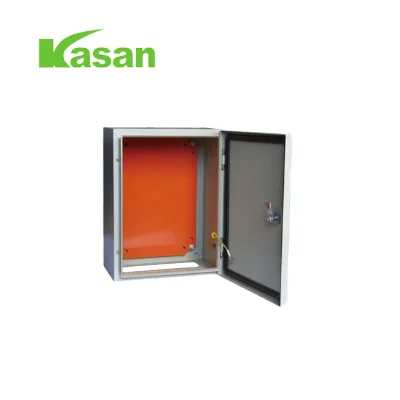


Comprehensive Sourcing Guide
Strategic Sourcing Guide for Electrical Distribution Boxes
Navigating the global market for electrical distribution boxes requires a disciplined approach that balances technical performance, regulatory compliance, and supply chain reliability. For procurement professionals, the core keyword "Electrical Distribution Box" encompasses a wide spectrum of equipment, ranging from simple switchgear to complex, high-voltage power distribution units. The following guide synthesizes observed market data and technical attributes to provide a structured framework for evaluating potential suppliers and products. This analysis focuses on high-voltage and medium-voltage applications, where precision in specification and adherence to international standards are paramount for operational safety and longevity.
Technical Specifications and Core Attributes
The technical landscape of electrical distribution boxes is defined by a complex interplay of voltage ratings, frequency characteristics, and structural configurations. Buyers must first distinguish between the various voltage classes available in the current market. Observed data indicates a significant presence of units operating at 33kV, with specific models rated for 11-33kV and others designed for 12kV applications. These units are predominantly designed for three-phase systems, operating at standard frequencies of 50Hz and 60Hz, which allows for flexibility in international deployment.
When evaluating the physical construction, the shell material is a critical determinant of durability. The market frequently features units constructed from SGCC (Galvanized Steel), Secc (Cold Rolled Steel), or mild steel, providing a robust foundation for high-current applications. The maximum current capacity observed in high-performance models reaches 630A, necessitating careful thermal management. Cooling strategies vary, with Onan (Oil Natural Air Natural) and Onaf (Oil Natural Air Forced) types being common for larger power ratings, such as those reaching 1500kVA.
The internal structure also dictates the application scope. Products are available in fixed board configurations or cabinet structures, with some units utilizing a partly-welded type form. The core design often employs an EI shape for transformers, while advanced systems may utilize a shell-type transformer configuration. Insulation levels are described as high-grade, with specific models employing SF6 gas insulation for enhanced protection in critical environments. The protection level is a vital metric, with observed ratings including IP65 for harsh outdoor conditions and IP40 for controlled indoor environments. These boxes are designed to operate within a working temperature range of -40°C to +60°C, ensuring reliability in extreme climates.
Compliance and Certification Verification
In the realm of high-voltage electrical equipment, certification is not merely a formality but a prerequisite for market access and operational safety. Procurement teams must rigorously verify that suppliers possess valid certifications from recognized bodies. The data highlights the prevalence of CCC (China Compulsory Certification) and ISO standards, specifically ISO 9001 for quality management systems. Additionally, international compliance with IEC (International Electrotechnical Commission) and ANSI (American National Standards Institute) standards is frequently cited as a requirement for global distribution.
Buyers should expect to see specific standard references such as IEC 61439-1 for low-voltage switchgear and controlgear assemblies, though verification of the specific edition and applicability to the product's voltage class is essential. Other certifications like CE, CQC, and CNAS may appear on product documentation, indicating conformity with safety and electromagnetic compatibility requirements. It is crucial to note that while "ISO" and "IEC" are common markers, the specific standard number (e.g., IEC 61439) must be matched to the product category to ensure the equipment meets the necessary safety and performance benchmarks.
Cost Drivers and Pricing Dynamics
The pricing structure for electrical distribution boxes is influenced by a multitude of factors, including voltage rating, current capacity, and the complexity of the internal components. The observed price range in the market spans from approximately $0.80 to $9,999, reflecting the vast difference between small, low-voltage components and large, high-voltage power distribution units. This wide variance underscores the importance of defining precise requirements before requesting quotes to avoid budgetary misalignment.
Several key variables drive the final cost. First, the shell material and protection grade significantly impact pricing; units with IP65 ratings and thick steel plating cost more than basic IP40 cabinets. Second, the inclusion of advanced features such as automatic control, protection, and monitoring systems adds to the complexity and cost. Third, customization plays a major role; while standard models are available, options for custom packing (such as wooden boxes or plywood cases) and tailored specifications can alter the price point. The Minimum Order Quantity (MOQ) also affects unit economics, with observed ranges from 1 to 1000 units. Buyers purchasing in smaller quantities may face higher per-unit costs, whereas bulk orders often unlock more competitive pricing tiers.
Typical Applications and Operational Context
Electrical distribution boxes are integral to a diverse array of industries, serving as the backbone for power distribution in critical infrastructure. The data points to specific application ranges, including high-rise buildings, power plants, urban infrastructure projects, and industrial plants. In high-rise buildings, these units must handle significant loads while maintaining compact footprints and high safety standards. For power plants and renewable energy installations, the equipment must withstand rigorous environmental conditions and provide reliable isolation and switching capabilities.
The versatility of these units is further demonstrated by their usage in distribution, power, and combined transformer applications. Some models are specifically designed for electronic applications, requiring precise voltage regulation and frequency stability. The presence of SF6 insulated models suggests suitability for environments where space is limited and high dielectric strength is required. Furthermore, the inclusion of functions such as earthing protection, opening, and closing protection indicates that these boxes are often deployed in systems where automated safety mechanisms are non-negotiable. Whether for urban infrastructure or industrial plants, the ability to operate in a wide temperature range (-40°C to +60°C) ensures consistent performance across different geographical locations.
Supplier Evaluation and Selection Criteria
Selecting the right supplier requires a multi-faceted evaluation process that goes beyond price comparison. Buyers should prioritize suppliers who demonstrate a clear understanding of the technical specifications, particularly regarding voltage levels, frequency characteristics, and cooling types. The availability of customization options, such as OEM services and tailored packing solutions, is a strong indicator of a supplier's flexibility and customer-centric approach.
Geographic origin is another factor to consider, with Shandong identified as a significant production hub for these products. This concentration of manufacturing capability can influence lead times and logistics costs. When evaluating a supplier, procurement teams should verify their capacity to meet the specific standard requirements, such as IEC or ANSI, and confirm their track record with certifications like CCC and ISO 9001. The ability to provide detailed product models, such as the XGN15-12, and to adhere to specific mathematical models for protection systems is also a sign of technical competence.
Quality Control and Inspection Protocols
Ensuring the quality of electrical distribution boxes requires a robust inspection protocol that covers both pre-production and post-production stages. Buyers should mandate that suppliers adhere to strict quality control measures, including material verification for shell construction (SGCC, Secc, or mild steel) and insulation testing for high-voltage components. The inspection process should verify the accuracy of the protection level (e.g., IP65 or IP40) and the integrity of the sealing mechanisms.
For high-frequency applications, testing the frequency characteristics and the performance of the tap changer (such as the off-circuit tap changer) is essential. Buyers should also inspect the packaging to ensure that the wooden boxes or plywood cases provide adequate protection during transit, preventing damage to sensitive internal components. The presence of a "see below specifications" clause in product documentation suggests that detailed technical sheets should be reviewed to confirm that all attributes, from the winding type to the insulation level, meet the project requirements.
Long-Term Procurement Considerations
Sourcing electrical distribution boxes is not a one-time transaction but a long-term partnership that impacts operational continuity. Buyers should consider the lifecycle costs, including maintenance requirements and the availability of spare parts. The choice of cooling type and insulation level will influence the maintenance schedule and the potential for downtime. Additionally, the flexibility of the supplier to accommodate future changes, such as upgrades to the automatic control or protection systems, is a valuable asset.
The standardization of components, such as the use of IEC or ANSI standards, facilitates easier maintenance and replacement in the future. Buyers should also evaluate the supplier's ability to provide ongoing support, including technical assistance for troubleshooting and configuration adjustments. By focusing on suppliers who offer comprehensive support and adhere to high-quality standards, organizations can ensure the reliability and efficiency of their power distribution infrastructure for years to come.
Comparative Analysis of Product Configurations
To assist in the decision-making process, the following table summarizes key configuration differences observed in the market. This comparison highlights the variations in voltage, protection, and structural types that buyers must consider when selecting a product.
| Feature Category | Configuration A | Configuration B | Configuration C |
|---|---|---|---|
| Voltage Rating | 33kV | 11-33kV | 12kV |
| Protection Grade | IP65 | IP40 | IP65 (Optional) |
| Shell Material | Steel Plate | SGCC/Secc/Mild Steel | Steel Plate |
| Structure Type | Fixed Board | Cabinet | Partly-welded Type |
| Cooling Type | Onan/Onaf | Onan | Onan/Onaf |
| Application Range | High-rise Buildings | Power Plants | Urban Infrastructure |
| Certification | CCC, ISO | CCC, ISO 9001 | CCC, CE, CQC |
| Frequency | 50Hz/60Hz | 50Hz | 50/60Hz |
| Max Current | 630A | 630A | 630A |
This comparison illustrates that while core attributes like maximum current capacity remain consistent, the specific configuration of voltage, protection grade, and structural design varies significantly based on the intended application. Buyers must align these specifications with their project requirements to ensure optimal performance and safety.
Final Procurement Recommendations
In conclusion, sourcing electrical distribution boxes demands a thorough understanding of the technical specifications, regulatory landscape, and supplier capabilities. By focusing on high-voltage and medium-voltage applications, verifying certifications such as CCC and ISO, and carefully evaluating cost drivers and quality control measures, procurement professionals can secure reliable and compliant equipment. The market offers a wide range of options, from standard models to highly customized solutions, allowing buyers to tailor their selections to specific operational needs. Ultimately, the success of the procurement process lies in the ability to balance technical precision with strategic supplier evaluation, ensuring that the chosen distribution boxes meet the rigorous demands of modern power infrastructure.
FAQs
What voltage ratings are available for electrical distribution boxes?
Available voltage ratings include 33kV, 11-33kV, and 12kV for three-phase systems. These units operate at standard frequencies of 50Hz and 60Hz to ensure flexibility for international deployment in various power infrastructure projects.
Which certifications should I verify for high-voltage distribution units?
You should verify CCC and ISO 9001 certifications as primary requirements for market access. Additional compliance with IEC and ANSI standards is frequently cited to ensure the equipment meets necessary safety and performance benchmarks for high-voltage applications.
How does shell material affect the durability of the product?
Shells are constructed from SGCC, Secc, or mild steel to provide a robust foundation for high-current applications. This material choice ensures durability while supporting maximum current capacities up to 630A in demanding industrial environments.
Can I customize the packaging for these electrical distribution boxes?
Yes, customization is available with options for wooden boxes or plywood cases as requested. Buyers can also request tailored specifications, which may influence the final cost and ensure adequate protection during transit for sensitive internal components.
What is the maximum current capacity for high-performance models?
High-performance models feature a maximum current capacity of 630A. This capacity necessitates careful thermal management strategies, such as Onan or Onaf cooling types, to maintain reliability in large power rating applications like 1500kVA units.
Which protection levels are suitable for outdoor environments?
IP65 protection levels are suitable for harsh outdoor conditions requiring high dust and water resistance. For controlled indoor environments, IP40 ratings are commonly observed, ensuring the equipment operates reliably within a temperature range of -40°C to +60°C.