Source Electrical Cover Plates for Machinery, Roads, and Walls
Source Electrical Cover Plates from 30 verified listings. Compare options made from aluminum, resin, and plastic for metal processing machinery, municipal roads, and wall-mounted installations. Evaluate specifications like max pressure, voltage ratings, and surface treatments to find the right fit for your industrial or environmental protection needs.
Key considerations
Products List


Durable Reinforced Electrical Cover Plates for Cable Trench Solutions
$1.99 - $2.89
MOQ: 1 Square Meters
Hengshui Junhan Environmental Protection Equipment Co., Ltd.

Durable Reinforced Electrical Cover Plates for BMC Cable Trench
$1.99 - $2.89
MOQ: 1 Square Meters
Hengshui Junhan Environmental Protection Equipment Co., Ltd.

Versatile SMC/BMC Cover Plate for Power and Telecom Needs
$1.99 - $2.89
MOQ: 1 Square Meters
Hengshui Junhan Environmental Protection Equipment Co., Ltd.


Waterproof Fiberglass Cable Cover Plate for Electrical Construction Site
$10.80 - $27.80
MOQ: 1 Pieces


Electric Board/Waterproof Electrical Box/Waterproof Distribution Board
$10.00 - $500.00
MOQ: 10 Pieces


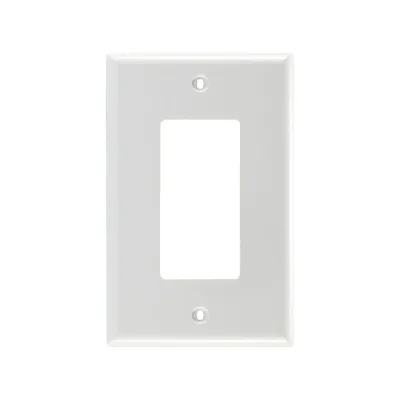


Comprehensive Sourcing Guide
Electrical Cover Plates Sourcing Guide
Buyers must first distinguish between standard residential components and specialized industrial covers when evaluating listings. The observed market includes single-pole, wall-mounted units rated for 220V-250V with current capacities between 10A and 16A, suitable for general building infrastructure. These items often feature multicolor options and rectangle shapes, indicating a broad range of aesthetic and functional requirements for different installation environments.
In contrast, heavy-duty applications demand materials like resin or silicone FRP designed for municipal roads and garden settings. These specialized covers offer anti-corrosion properties, high load-bearing capabilities, and service lives exceeding twenty years. Procurement teams should verify whether the listed product is intended for simple electrical switching or for demanding environmental protection scenarios requiring UV resistance and waterproofing.
Product Scope and Observed Listing Signals
The current market data reveals a wide variance in material composition, ranging from aluminum and plastic to advanced resin composites. Buyers should scrutinize listings that claim customization for size, color, and logo printing, as these features often correlate with higher MOQs or specific production lead times. The presence of "Customized" attributes suggests that many suppliers can tailor products to specific project needs rather than offering only off-the-shelf inventory.
Listing signals also indicate diverse surface treatments, including oxidation and concave patterns, which directly impact slip resistance and durability. Some products explicitly mention diamond or strip anti-slip patterns to ensure safety in wet or high-traffic areas. When evaluating a supplier, confirm if the surface treatment aligns with the specific environmental hazards of the installation site, such as exposure to moisture or heavy mechanical loads.
Technical Specifications to Verify
Electrical safety is paramount, requiring verification of voltage ratings and current limits against local grid standards. Listings specify a maximum voltage of 220V-250V and a current range of 10A-16A, which must be cross-referenced with the intended load to prevent overheating or failure. Buyers should also check for electrical insulation properties, ensuring the material can withstand 10kV voltage without breakdown to protect against electromagnetic interference.
Mechanical performance data is equally critical for long-term reliability, particularly regarding impact strength and load-bearing capacity. Verified specifications indicate an impact strength of at least 20J/Cm² and a lightweight design where a 25mm thick cover weighs only 12.5kg/M². Procurement teams must ensure that the selected product meets these mechanical thresholds to guarantee resistance to physical stress and long-term deformation under pressure.
Compliance and Safety Documentation
Safety certifications are non-negotiable for electrical components, especially those used in public or industrial spaces. Buyers must request proof of flame retardant certification, specifically looking for an oxygen index of 28 or higher as per GB 8924 standards. This documentation confirms that the material will not easily sustain combustion, a vital requirement for installations in enclosed spaces or areas with high fire risks.
Environmental compliance is another key area where documentation must be explicit. Suppliers should provide evidence that materials are 100% recyclable and meet eco-friendly criteria, supporting sustainability goals for modern construction projects. Verify that the product claims regarding anti-oxidation and anti-corrosion are backed by test results, ensuring the cover plates will maintain their integrity over a service life of over twenty years without degrading.
Cost Drivers and Commercial Terms
Pricing in this category is heavily influenced by material complexity and the extent of customization required. Basic plastic or aluminum units may start at very low price points, while specialized resin or FRP covers with custom logos and shapes command significantly higher costs. Buyers should anticipate that the observed price range of 0.08 to 998 USD reflects this disparity between standard components and engineered solutions.
Minimum Order Quantities (MOQ) vary widely, ranging from a single piece to 5000 units, depending on the supplier's production model. Customization requests often trigger higher MOQs, whereas standard items might be available for immediate purchase in small batches. Procurement planners must align their order volume with the supplier's flexibility to avoid unnecessary inventory costs or production delays associated with large batch requirements.
Supplier Qualification and Quality Control
Supplier location and origin play a significant role in logistics and quality assurance consistency. Most observed listings originate from China, with specific mentions of Hebei as a manufacturing hub, which may influence shipping times and import duties. Buyers should verify the supplier's ability to provide samples before committing to large orders, ensuring that the physical product matches the technical specifications and visual descriptions provided.
Quality control processes must be validated through the supplier's adherence to recognized standards like DIN and ISO. The presence of "New" condition tags and specific molding methods suggests a focus on modern manufacturing techniques, but buyers must confirm that these processes are consistently applied across all production batches. Requesting a quality assurance plan that details surface treatment checks and mechanical property testing is essential for maintaining product integrity.
Long-Term Procurement Checks
Sustainability and lifecycle management are critical factors for ongoing procurement strategies. Buyers should prioritize suppliers who demonstrate a commitment to environmental friendliness, such as using 100% recyclable materials and offering products with a service life exceeding twenty years. This focus ensures that the initial investment yields long-term value by reducing the frequency of replacements and minimizing waste disposal costs.
Finally, ongoing performance monitoring is necessary to validate the durability claims made during the sourcing phase. Features like anti-fatigue properties and high load-bearing capacity must be maintained over time, even under continuous pressure. Establishing a feedback loop with the supplier to report any field performance issues will help identify potential quality drifts and ensure that the supply chain remains reliable for future project needs.
FAQs
What materials are used for Electrical Cover Plates?
Electrical Cover Plates are commonly manufactured from aluminum, resin, plastic, and silicone FRP. These materials are selected for their durability and specific application requirements. Aluminum and plastic options are widely available for general use, while resin and silicone FRP provide enhanced properties such as anti-corrosion and high load-bearing capacity for specialized industrial environments.
Can Electrical Cover Plates be customized for branding?
Yes, customization is available for size, color, and logo printing. Suppliers offer full support for any surface design or logo application. This allows buyers to tailor the aesthetic and functional aspects of the cover plates to match specific project requirements or brand identity standards effectively.
What is the minimum order quantity for these products?
The minimum order quantity starts at 1 piece. This low MOQ allows buyers to order samples or small batches for testing. It facilitates easy procurement for initial projects without requiring large inventory commitments, making it suitable for both small-scale and large-scale industrial applications.
Are Electrical Cover Plates flame retardant?
Yes, certain models feature flame retardant properties with an oxygen index greater than 28. This certification ensures safety in industrial and environmental protection applications. The material meets specific standards to prevent fire hazards, providing reliable performance in settings where electrical safety is critical.
What is the expected service life of these covers?
The service life is typically over 30 years for high-quality models. The materials are designed to be anti-fatigue and resistant to deformation under long-term pressure. This longevity ensures cost-effectiveness and reliability for municipal roads, gardens, and industrial machinery parts over extended periods.
How are Electrical Cover Plates packaged for shipping?
Packaging options include OPP bags, inner boxes, outer boxes, and pallets. Some items are packed in cartons or bulk on pallets. This flexible packaging ensures safe transport and protection against damage during logistics, accommodating various shipping requirements and handling conditions for international buyers.