Source Sun Protection Baby Baseball Hat for Beach, Travel, and Outdoor Play
Find 30 Sun Protection Baby Baseball Hat options from China suppliers. Compare adjustable cotton styles, embroidery techniques, and packaging details for newborns and children. Source reliable headwear for casual and sports use.
Key considerations
Products List


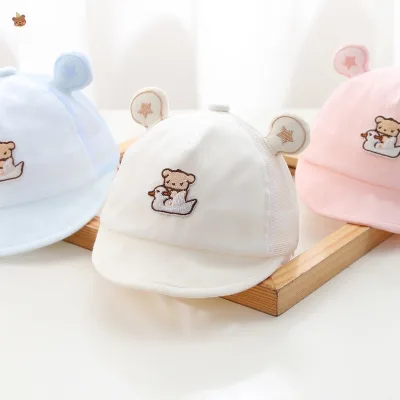
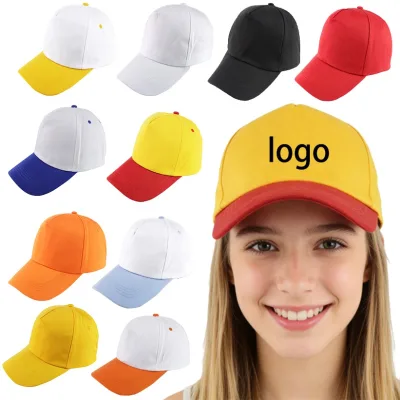
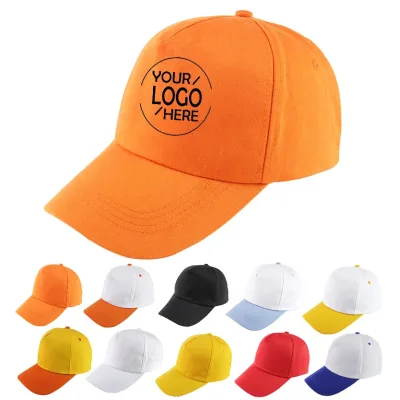
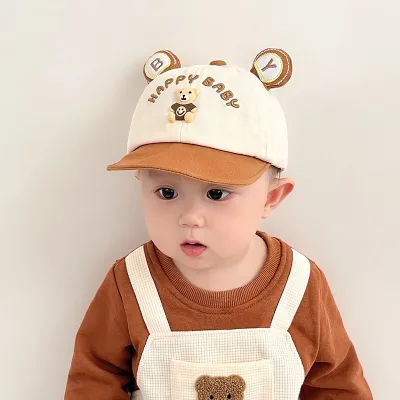
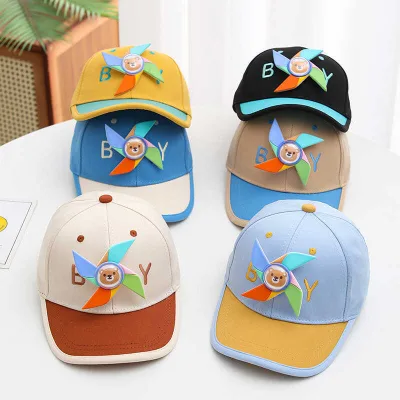


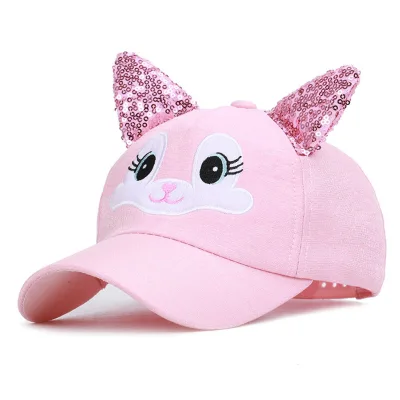


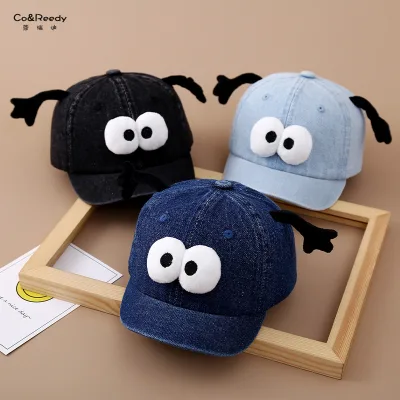


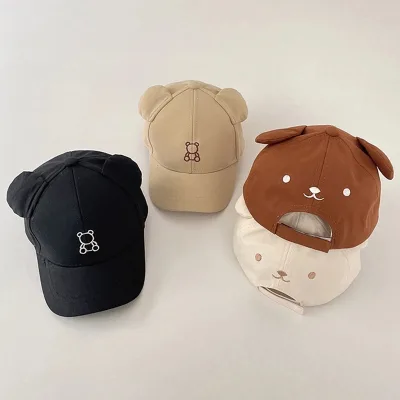
Comprehensive Sourcing Guide
Sun Protection Baby Baseball Hat Sourcing Guide
Sourcing sun protection baby baseball hats requires a careful balance between functional UV defense and the specific comfort needs of infants and young children. The market offers a diverse range of styles, from adjustable caps designed for newborns to sporty models suitable for toddlers engaging in outdoor activities. Buyers must prioritize products that explicitly state their material composition, as natural fibers like 100% cotton are frequently observed in listings for this category, offering breathability essential for preventing overheating during summer or spring use.
When evaluating potential suppliers, it is critical to distinguish between general fashion headwear and items specifically engineered for infant safety. The observed product data indicates a strong presence of unisex designs targeting the newborn and children age groups, with features such as adjustable head circumferences ranging from 48cm to 56cm to accommodate growth. Procurement strategies should focus on verifying that the "sun protection" claim is backed by fabric density and weave quality rather than relying solely on marketing terminology, ensuring the selected hats provide genuine shielding against harmful UV rays while maintaining a soft touch against delicate skin.
Product Scope and Observed Listing Signals
The current market landscape for baby baseball hats reveals a wide spectrum of models, including specific identifiers like H183, H035, and VBN6, which often denote distinct design iterations or size configurations. Listings frequently highlight "Good Quality" and "Nice Designs" as primary selling points, suggesting that aesthetic appeal is a significant driver alongside functional utility. Buyers should note that while some products are marketed for specific seasons like winter or summer, others are positioned as four-season items, indicating a need to verify the actual fabric weight and UV rating for the intended climate of use.
Supply signals indicate that many vendors operate with an "in-stock" model, offering immediate availability with a supply ability of up to 5,000 sets per week and a total available quantity of 10,000 sets. This readiness suggests that suppliers are prepared to handle both sample orders and bulk replenishment, with lead times for samples often supported within seven days. However, the observed minimum order quantities (MOQ) vary significantly, ranging from as low as 2 units to 1,000 units, requiring buyers to align their initial procurement volume with their risk tolerance and inventory turnover expectations.
Technical Specifications to Verify
Material composition is the most critical technical specification for infant headwear, with 100% cotton appearing as a dominant standard in the observed data. Buyers must verify that the fabric is not only cotton but also meets specific softness and breathability criteria to prevent irritation on a baby's scalp. While some listings mention canvas or oxford fabrics for durability, the primary application for newborns and young children often favors pure cotton blends or single-material constructions to ensure hypoallergenic properties and comfort during extended wear.
Construction details such as panel style, closure mechanisms, and embroidery techniques also demand rigorous verification. The market offers 6-panel and 5-panel hat structures, with closures ranging from adjustable straps to other unspecified back mechanisms. Technical due diligence should confirm that the head circumference specifications, such as the 48-50cm or 54-56cm ranges observed, align with the target demographic's growth stages. Additionally, the presence of machine embroidery or screen printing on the front panel and brim should be assessed for potential stiffness or allergen risks, ensuring that decorative elements do not compromise the hat's comfort or safety.
Compliance and Safety Documentation
Safety compliance for baby products extends beyond basic manufacturing standards to include rigorous testing for chemical residues and physical hazards. While specific certification statuses like Oeko-Tex are mentioned in background contexts, buyers must explicitly request current test reports from suppliers to confirm that the cotton fabric and any printed inks are free from harmful substances. It is essential to verify that the product meets the safety regulations of the destination market, particularly regarding flammability and the absence of small parts that could pose a choking hazard for infants.
Documentation regarding the origin of the product is equally vital for establishing supply chain transparency. The observed data points to origins in Shanghai and Zhejiang, China, regions known for textile manufacturing, but buyers should ensure that the supplier can provide a Certificate of Origin and detailed manufacturing records. This verification helps in assessing the consistency of quality control processes and ensures that the "Good Quality" claims are backed by a traceable production history. Without proper documentation, the risk of non-compliance with import regulations increases, potentially leading to customs delays or product recalls.
Cost Drivers and Commercial Terms
Pricing for sun protection baby baseball hats is influenced by a combination of material costs, customization complexity, and order volume. The observed price range of $0.66 to $6.00 USD reflects the variance between basic unbranded items and those featuring advanced printing techniques like sublimation or digital printing. Buyers should understand that higher prices often correlate with added value such as intricate embroidery, specialized fabric treatments, or branded packaging, which can be crucial for retail positioning but may not be necessary for all procurement scenarios.
Commercial terms, including minimum order quantities and packaging details, play a significant role in the total cost of ownership. Suppliers typically offer packaging in OPP bags, with configurations ranging from single sets to bulk lots, which impacts shipping efficiency and storage requirements. The flexibility in MOQ, from 2 to 1,000 units, allows buyers to test the market with small batches before committing to larger orders, but this flexibility often comes with a higher per-unit cost. Negotiating favorable terms requires a clear understanding of the supplier's production capacity and the specific customization requirements, such as logo placement on the brim or front panel.
Supplier Qualification and Quality Control
Evaluating supplier qualification involves assessing their production capabilities and consistency in delivering high-quality goods. The observed supply ability of 5,000 sets per week suggests that many suppliers have the capacity to handle moderate to large orders, but buyers must verify their actual production lines and quality control protocols. It is advisable to request samples that match the exact specifications of the intended order, paying close attention to the finish of the embroidery, the durability of the printing, and the overall construction of the hat.
Quality control checks should extend beyond the final product to include the raw materials and the manufacturing process. Buyers should inquire about the supplier's internal testing procedures for fabric strength, colorfastness, and the integrity of the adjustable closures. Given the target audience of newborns and children, any defects in stitching or loose threads must be identified and rectified before shipment. Establishing a clear quality agreement with the supplier, including acceptance criteria for defects and a process for handling non-conforming goods, is essential for maintaining brand reputation and customer satisfaction.
Long-Term Procurement Checks
Sustaining a successful procurement relationship for baby baseball hats requires ongoing monitoring of supplier performance and market trends. Buyers should regularly review the supplier's ability to maintain consistent quality over time, especially when scaling up orders or introducing new designs. The dynamic nature of the fashion industry means that styles and materials may evolve, so maintaining open communication with suppliers about upcoming trends and potential material substitutions is crucial for staying competitive.
Long-term checks also involve assessing the supplier's responsiveness to changes in demand and their ability to adapt to new compliance requirements. As regulations regarding children's products become more stringent, suppliers must demonstrate their commitment to staying updated with the latest safety standards. Establishing a periodic review process to evaluate the supplier's lead times, communication efficiency, and problem-solving capabilities will help ensure a resilient supply chain. By proactively managing these relationships, buyers can secure a reliable source of high-quality sun protection hats that meet the evolving needs of their customers.
FAQs
What materials are used for these baby baseball hats?
The hats are made from 100% cotton fabric, ensuring softness and breathability for newborns and children. This material choice supports comfort during various seasons, including winter, summer, and spring or autumn. The cotton construction helps maintain skin health for sensitive baby skin while providing the necessary structure for a baseball cap style.
Can I customize the logo on these hats?
Yes, customization is available for these in-stock items. Buyers can choose from machine embroidery, silk screen printing, heat-transfer printing, or digital printing methods. The logo can be placed on the brim, visor, or front panel. This flexibility allows brands to add their unique identity to the unisex baby hats effectively.
What is the minimum order quantity for these hats?
The minimum order quantity ranges from 2 to 1000 sets, depending on the specific model and supplier terms. This flexible MOQ supports both small trial orders and larger bulk purchases. The supply ability is listed as 5000 sets per week, ensuring that larger orders can be fulfilled within a reasonable timeframe for international buyers.
Are these hats suitable for all seasons?
Yes, the hats are designed for four seasons, including winter, summer, and spring or autumn. The 100% cotton material provides breathability for warmer months and comfort for cooler weather. The adjustable size and unisex design make them versatile for casual, sports, or outdoor activities throughout the year for newborns and children.
Where are these baby hats manufactured?
These hats are manufactured in China, with origins in Shanghai and Zhejiang provinces. The production location supports efficient supply chain logistics for international buyers. The items are currently in stock, with a sample order lead time of 7 days, facilitating quick evaluation and faster time-to-market for retailers and distributors.
What sizes are available for these baseball hats?
The hats feature adjustable sizing to fit various head circumferences, such as 48-50cm and 54-56cm. This adjustability ensures a secure and comfortable fit for newborns and children as they grow. The one-size-fits-most approach simplifies inventory management for buyers while accommodating the diverse head sizes of young children.