Source Electrical Hydraulic Orange Peel Grab for Mining, Scrap, and Ports
Explore 30 listings of the Electrical Hydraulic Orange Peel Grab designed for bulk material handling in mining, scrap yards, and ports. Buyers can compare specifications like SWL, dead weight, and delivery times to find suitable suppliers.
Key considerations
Products List


$6000.00 - $7000.00
MOQ: 1 Pieces


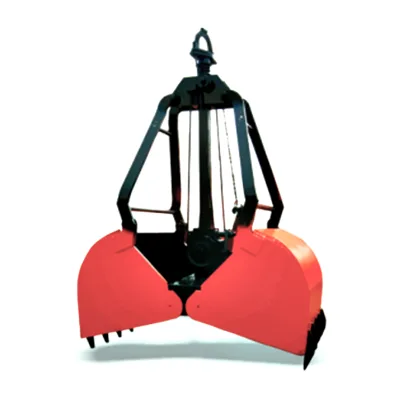
Factory Price Electric Hydraulic Grab Bucket Orange Peel Grab for Overhead Crane
$4000.00 - $5000.00
MOQ: 1 tons


Hydraulic 360 Rotational Orange Peel Grab Suitable for Crane and Truck
$3000.00 - $3200.00
MOQ: 1 Pieces

Comprehensive Sourcing Guide
Strategic Sourcing Guide for Electrical Hydraulic Orange Peel Grabs
Understanding the Technical Architecture and Model Variants
The Electrical Hydraulic Orange Peel Grab represents a specialized class of material handling equipment designed for the efficient loading and unloading of bulk materials such as scrap metal, coal, ore, and wood chips. Unlike mechanical grabs that rely on wire ropes for both opening and closing, these units utilize a hydraulic power source to actuate the peels, offering superior control and higher clamping forces. The core mechanical design typically features a "Nude" or "Bulk Ship" packing configuration, which is standard for heavy industrial machinery to minimize shipping volume and protect critical components during transit.
When evaluating the technical specifications of these units, buyers must distinguish between various model series available in the market. The product landscape includes distinct series such as the GBM series, which often denotes specific hydraulic configurations, and specialized models like the QSHI-EHG, QSHI-GC001, and QSHI-C007. These alphanumeric designations often correlate with specific load capacities and dimensional constraints. For instance, the QSHI-C007 model is associated with a Dead Weight of 6800kg and a Safe Working Load (SWL) of 150t, indicating a heavy-duty application profile. Conversely, other configurations may list a Dead Weight of 5~8t with an SWL of 30t, suggesting a medium-duty variant suitable for less dense materials or smaller vessels.
The physical dimensions and capacity are critical parameters for integration with existing hoisting machinery. Some models, such as the QSGB4, are specified with a standard volume of 3-13 cubic meters, while others like the GBM OPG or GBM-EL-OR-GB004 may be designed for larger capacities up to 30cbm. The "orange peel" mechanism itself is characterized by the number of peels, with a common configuration being 6 peels, which provides a balanced distribution of force for irregular materials. The wire rope diameter is another vital specification; a 26mm diameter is observed in certain configurations, which must be compatible with the winch drum of the host crane. The pulley size, often cited as 560mm, must also align with the rope diameter to ensure proper bending radius and longevity of the wire rope.
Compliance, Certification, and Material Standards
In the global B2B procurement of industrial lifting equipment, compliance with international safety and quality standards is non-negotiable. The supply chain for electrical hydraulic orange peel grabs is heavily concentrated in China, with specific manufacturing hubs identified in Wuxi, Jiangsu, and Shanghai. Buyers must verify that the manufacturer holds valid certifications before proceeding with any order. The observed market data indicates that reputable suppliers typically provide products with CE certification, ensuring compliance with European safety directives, and ISO9001 certification, which validates the manufacturer's quality management system.
Further verification is required for specific market entry requirements. Some product listings include ISO RoHS and GS certifications, which are essential for markets with strict environmental and safety regulations. The material composition of the grab is equally critical for durability. The primary structural material is identified as Steel, which provides the necessary tensile strength to withstand the immense forces generated during the lifting of dense bulk materials. The surface treatment, often described as "Painting as Request," allows buyers to specify corrosion-resistant coatings suitable for harsh environments, such as marine or chemical processing facilities.
The standardization of the product is a key area of focus. While some models adhere to specific industry standards, others are listed with "customized" standards, indicating that the dimensions and capacities can be tailored to the buyer's specific vessel or crane specifications. The standard volume capacities observed range from 1-2-3 CBM for smaller units to 30cbm for large-scale industrial grabs. It is imperative for buyers to confirm that the "standard" listed on the product page refers to the manufacturer's internal design standard or a recognized international norm, rather than a generic description. Additionally, the rope core type, often specified as Hemp Core in certain configurations, influences the flexibility and shock absorption of the lifting assembly, a factor that should be verified against the operational requirements of the site.
Cost Drivers and Pricing Dynamics
The pricing structure for electrical hydraulic orange peel grabs is complex and influenced by a multitude of variables. The observed price range in the market spans from $500 to $10,000,000, a vast disparity that reflects the difference between small, standard units and massive, custom-engineered systems. This range suggests that the cost is not linear but rather exponential based on the Safe Working Load (SWL) and the complexity of the hydraulic system. A unit with an SWL of 30t will naturally command a lower price point than a unit with an SWL of 150t, which requires significantly more steel, larger hydraulic cylinders, and more robust structural reinforcement.
The material cost is a primary driver, given that the primary construction material is steel. Fluctuations in global steel prices will directly impact the final cost of the grab. Furthermore, the customization level plays a significant role. While the "Customization: Available" attribute is standard, the extent of this customization dictates the price. A standard GBM series unit will be more affordable than a fully customized model like the GBM-EL-ORG-001, which may require unique hydraulic circuits or specialized paint finishes. The packing method, whether "Nude" or "Bulk Ship," also affects logistics costs, which are often factored into the final FOB or CIF price.
Lead time is another critical factor influencing the total cost of ownership. The observed delivery times range from 30 days to 45 days. A longer lead time of 45 days may indicate a more complex manufacturing process or a higher volume of customization, which could justify a higher price point. Conversely, a 30-day lead time suggests a more streamlined production process, potentially for standard models. Buyers must also consider the Minimum Order Quantity (MOQ), which is observed as 1 unit in the current market data. This low MOQ allows for flexibility in procurement but may result in higher per-unit costs compared to bulk orders, although the data suggests that even single-unit purchases are feasible.
Typical Applications and Operational Context
Electrical hydraulic orange peel grabs are engineered for a diverse range of applications, primarily within the hoisting machinery sector. The "Application: Hoisting Machinery" designation confirms their integration with cranes, ship-to-shore cranes, and harbor cranes. The specific use cases vary based on the material density and the operational environment. For example, the density range of 0.8-2.8t/Cbm indicates that these grabs are versatile enough to handle materials ranging from lightweight wood chips to dense scrap metal and ore.
The "Type: Excavator Bucket" and "Type: Spring Hook" attributes found in some listings suggest that these systems may be adapted for various lifting scenarios, including those requiring rapid cycle times or specific attachment points. The "Power Source: Pneumatic" and "Power Source: Hydraulic" duality in the market data highlights the need for buyers to clarify the power requirement. While the core keyword specifies "electrical hydraulic," some configurations may utilize pneumatic controls for the hydraulic valves, offering a different control dynamic. The "Fixed Form: Welding Type" attribute points to the structural integrity of the grab's frame, which is crucial for applications involving high-impact loading.
In port operations, the grab's capacity is a determining factor for efficiency. Models with a capacity of 3.0cbm are suitable for smaller vessels or lighter cargo, whereas units with a capacity of 30cbm are designed for large bulk carriers. The "No. of Peels: 6" configuration is particularly effective for materials that require a secure grip to prevent spillage during the lifting cycle. The "Sling Color: Red" and "Lifting Eye Type: Folded Eye" are specific design features that aid in visibility and connection security, respectively. These details are essential for ensuring that the grab integrates seamlessly with the existing lifting gear on the vessel or terminal.
Supplier Evaluation and Geographic Considerations
When evaluating suppliers for electrical hydraulic orange peel grabs, geographic origin is a significant factor. The majority of the observed products originate from China, with specific manufacturing clusters in Wuxi and Shanghai. Wuxi, Jiangsu, China, is a prominent hub for heavy machinery manufacturing, known for its supply chain efficiency and technical expertise in steel fabrication. Shanghai, as a major port city, offers logistical advantages for international buyers, potentially reducing lead times for shipping.
Buyers should prioritize suppliers who can demonstrate a clear track record of exporting to their target markets. The presence of certifications like CE and ISO9001 is a strong indicator of a supplier's commitment to quality. However, buyers must verify these certifications directly with the issuing bodies, as the mere presence of a certification label on a product page does not guarantee current validity. The "Customization: Available" attribute is a key differentiator; suppliers that offer extensive customization options are better equipped to meet the unique requirements of specific projects.
The "Delivery Time" of 30 to 45 days is a standard benchmark, but buyers should inquire about the supplier's ability to expedite orders in case of urgent needs. The "Dead Weight" and "SWL" specifications provided by the supplier must be cross-referenced with the buyer's crane capacity and vessel limitations. A supplier that provides detailed technical drawings and load charts is preferable to one that only offers basic specifications. Additionally, the "Painting: as Request" option allows buyers to ensure that the grab meets the specific corrosion protection requirements of their operating environment, a factor that can significantly impact the longevity of the equipment.
Quality Control and Long-Term Procurement Strategy
Quality control in the manufacturing of electrical hydraulic orange peel grabs is paramount to ensure safety and operational efficiency. The "Nude Packing" and "Bulk Ship" methods indicate that the equipment is shipped in a state that requires minimal assembly, reducing the risk of damage during transit. However, buyers must implement a rigorous inspection protocol upon receipt. This includes verifying the "Wire Rope Diamater" (noted as 26mm in some cases) and the "Pulley" size (560mm) to ensure they match the order specifications exactly.
Long-term procurement considerations should focus on the availability of spare parts and the durability of the materials. The "Material: Steel" and "Material: PE" (for specific components like seals or liners) suggest a need for a robust maintenance plan. Buyers should negotiate service level agreements (SLAs) with suppliers that include the supply of wear parts, such as peels and hydraulic hoses. The "Standard: customized" nature of some products means that spare parts may not be off-the-shelf items, making it essential to establish a long-term supply relationship with the manufacturer.
The "Density: 0.8-2.8t/Cbm" range highlights the importance of selecting the right grab for the specific material being handled. Using a grab designed for low-density materials on high-density ore can lead to premature wear and potential failure. Conversely, using a heavy-duty grab for light materials may result in inefficient cycle times. Buyers should conduct a thorough analysis of their material handling requirements before finalizing the procurement decision. The "Type: Spring Hook" and "Lifting Eye Type: Folded Eye" features should be inspected for signs of fatigue or deformation, as these are critical points of stress in the lifting assembly.
Conclusion and Procurement Best Practices
The procurement of electrical hydraulic orange peel grabs requires a meticulous approach that balances technical specifications, compliance requirements, and cost considerations. The market offers a wide range of models, from the standard GBM series to highly customized units like the QSHI-C007 and GBM-EL-ORG-001. Buyers must carefully evaluate the Dead Weight, SWL, and capacity to ensure compatibility with their existing infrastructure. The observed price range of $500 to $10,000,000 underscores the importance of defining clear requirements to avoid unnecessary expenditure on over-specification or under-specification.
Certifications such as CE, ISO9001, ISO RoHS, and GS are essential markers of quality and safety. Buyers should verify these certifications and ensure that the supplier's manufacturing processes align with international standards. The geographic concentration of suppliers in Wuxi and Shanghai offers opportunities for efficient logistics, but buyers must remain vigilant regarding lead times and delivery schedules. The "Customization: Available" attribute provides flexibility, but it also necessitates clear communication of requirements to avoid delays or misunderstandings.
Ultimately, the success of the procurement depends on a thorough understanding of the operational context and a commitment to quality control. By focusing on the technical details, verifying certifications, and establishing strong supplier relationships, buyers can secure electrical hydraulic orange peel grabs that meet their specific needs and ensure safe, efficient material handling operations for years to come. The data provided serves as a foundation for informed decision-making, but the final selection should always be based on a comprehensive review of the specific project requirements and the supplier's ability to deliver.
FAQs
What certifications are available for electrical hydraulic orange peel grabs?
Products typically include CE and ISO9001 certifications to ensure safety and quality management. Some listings also feature ISO RoHS and GS certifications for stricter regulatory compliance in specific international markets.
Which model series are available for electrical hydraulic orange peel grabs?
Common model series include the GBM series, QSHI-EHG, QSHI-GC001, and QSHI-C007. These models vary in capacity and weight, with some designed for heavy-duty applications up to 150t SWL.
Can buyers customize the specifications of these grabs?
Yes, customization is available for standard dimensions and capacities. Buyers can request specific painting finishes and tailored standards to match their vessel or crane requirements.
What is the typical lead time for delivery?
Delivery times generally range from 30 to 45 days depending on the model and customization level. Standard units may ship within 30 days, while complex configurations often require 45 days.
Where are these electrical hydraulic orange peel grabs manufactured?
Manufacturing is concentrated in China, with specific hubs in Wuxi and Shanghai. These locations offer efficient supply chains and logistical advantages for international shipping.
What is the minimum order quantity for these grabs?
The minimum order quantity is 1 unit, allowing for flexible procurement of single items. This low MOQ supports buyers who need specific models without committing to bulk orders.
How is the product packed for shipment?
Products are typically shipped in Nude or Bulk Ship packing configurations. This method minimizes shipping volume and protects critical components during transit for heavy industrial machinery.