Source EMI Shielding Box for Nuclear Labs, PCBs, and RF Facilities
Compare 30 verified EMI Shielding Box options from Chinese manufacturers. Buyers can evaluate specifications like lead equivalence, ventilation windows, and customization levels for nuclear medicine labs, PCB boards, and RF shielding applications.
Key considerations
Products List

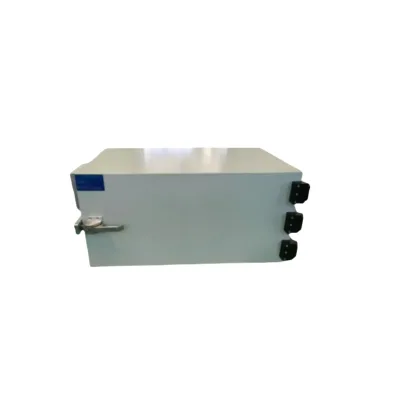
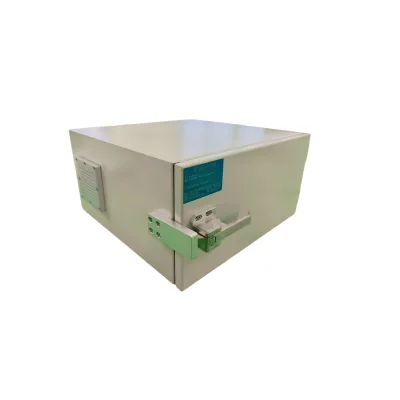


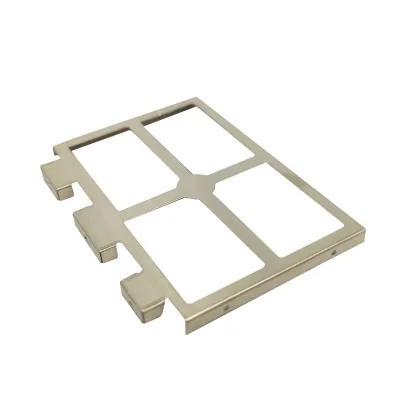
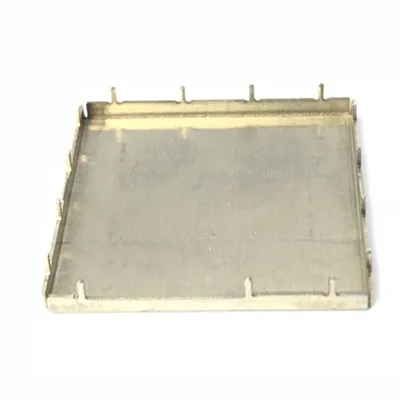
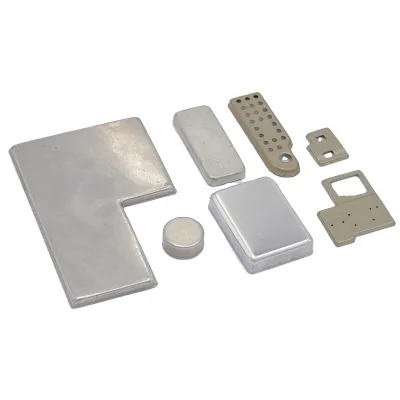
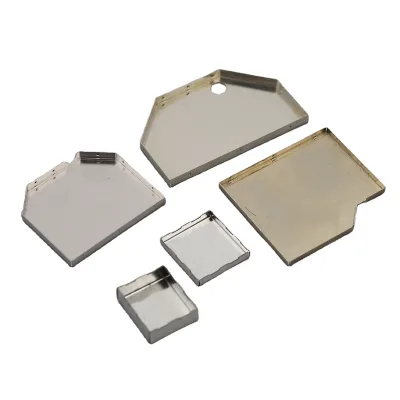
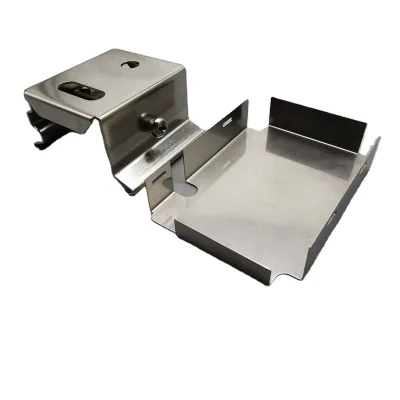
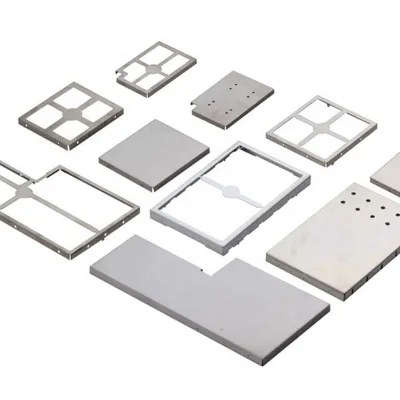
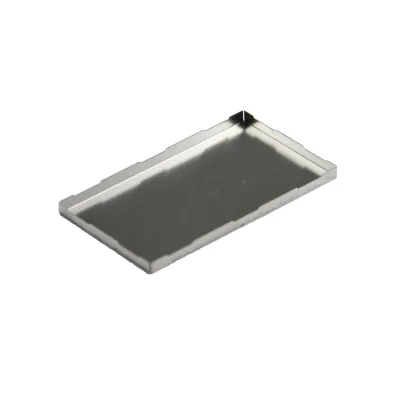
BOSI Small Quantity OEM Service Emi Rf Shield Boxes for PCB Manufacturer
$0.10 - $0.50
MOQ: 1000 Minimum


Comprehensive Sourcing Guide
Strategic Sourcing Guide for EMI Shielding Boxes
Understanding Technical Specifications and Customization Needs
When sourcing an EMI Shielding Box, buyers must first distinguish between general electromagnetic interference protection and specialized applications such as nuclear medicine or high-frequency RF environments. The market offers a diverse range of configurations, from standard enclosures to highly customized solutions. A critical observation in current listings is the prevalence of "Customized" attributes, indicating that off-the-shelf inventory is often insufficient for specialized industrial needs. Buyers should expect to engage with suppliers who offer "Custom Electromagnetic Shielding Solutions for Lab" or similar tailored services.
The physical construction of these units varies significantly based on the intended application. For instance, some units are designed with a "Modern" style and a "Handle" open style, suggesting portability and ease of access for laboratory technicians. In contrast, other configurations prioritize structural integrity for heavy-duty industrial use. A key technical parameter to verify is the shielding effectiveness, often quantified by the Lead Equivalent in specific contexts. While some product data indicates a range of "10-30mm Pb" for radiation-related shielding, this metric is specific to nuclear applications and may not apply to standard RF shielding. For general EMI blocking, the focus shifts to material composition and surface finish. Specifications such as "Nickel Plating/Degreasing" are common to ensure "Anti Corrosion" properties and "Shield Signal" integrity.
Buyers must also scrutinize the "Ventilation Waveguide Window" specifications, which are critical for maintaining thermal management without compromising shielding performance. A specific observation in the market data points to a "300*300mm" window size, but this is not a universal standard. The "Mounting Type" is another variable; while some units are designed for "self assembly," others may require professional installation depending on the complexity of the "EMI Blocking" requirements. The "Tolerance" of the manufacturing process is equally vital, with some listings citing a precision of "+/-0.05mm," which is essential for ensuring a tight seal in high-frequency environments.
Compliance and Certification Verification
Navigating the regulatory landscape for EMI shielding boxes requires rigorous verification of certifications and testing standards. Unlike consumer electronics, industrial shielding components often operate under strict international and national standards. Buyers should not assume that a single certification covers all regulatory requirements. The market data reveals a mix of certifications, including "ISO," "RoHS," and "CE." It is important to note that some listings display combined tags like "ISORoHS," which may indicate compliance with multiple standards simultaneously, but buyers must request separate documentation to confirm the scope of each.
Testing standards provide the most objective measure of a product's performance. Specific standards observed in the current market include "GB12190-2006" and "Bmb3-1999 Standard." These are Chinese national standards relevant to radiation protection and shielding performance. However, for international procurement, buyers must determine if these standards are sufficient or if they require compliance with IEC, IEEE, or MIL-STD specifications depending on the destination market. The "prod_standard" attribute often lists "customized" or "According to product size," which implies that the testing protocol is tailored to the specific order rather than a fixed factory standard.
Buyers must verify the "Quality Control" processes employed by the supplier. Data indicates that some manufacturers perform "100% Inspention" (inspection), which is a strong indicator of quality assurance. However, this should be complemented by third-party testing reports. The "Condition" of the product is typically listed as "New," but buyers should clarify if this refers to brand-new manufacturing or refurbished units, especially when dealing with "OEM Factory" services. The "Manufacturing Date Code," such as "20101217" found in some records, serves as a traceability tool, allowing buyers to assess the age of the inventory and the relevance of the technology used.
Cost Drivers and Pricing Dynamics
The pricing of EMI shielding boxes is highly variable, influenced by a complex interplay of customization, material costs, and order volume. The observed price range in the market spans from $0.01 to $2000 USD, a disparity that reflects the difference between small, single-item components and large, custom-engineered shielding enclosures. This wide range underscores the importance of defining the scope of the project before requesting quotes. A "Single item" selling unit suggests that small-scale purchases are possible, but the unit cost may be significantly higher than bulk orders.
Material composition is a primary cost driver. Units requiring "Lead Equivalent" shielding for nuclear applications will inherently cost more than those designed for general "RF absorber" or "EMI Blocking" purposes. The "Surface Finish" also impacts cost; processes like "Nickel Plating" and "Degreasing" add value but increase the final price. Furthermore, the "prod_packing" method, whether "Wooden Case for Protective Can," "Carton + Wooden," or "Pack as Roll," affects logistics costs and, consequently, the total landed cost.
Order volume plays a decisive role in pricing. The Minimum Order Quantity (MOQ) ranges from 1 to 10,000 units, offering flexibility for different procurement strategies. Small orders are "Accepted," which is beneficial for prototyping or small-scale lab deployments. However, buyers seeking economies of scale should be aware that the "MOQ" can be as high as 10,000 for certain custom configurations. The "Lead Time" is another cost factor; a standard "Delivery Time" of "30 Working Days" must be factored into the project timeline and budget. Rush orders or highly customized "Custom Electromagnetic Shielding Solutions" may incur additional premiums or require extended lead times beyond the standard window.
Typical Applications and Industry Use Cases
EMI shielding boxes serve a broad spectrum of industries, each with unique requirements for signal integrity and environmental protection. The "Application Area" data highlights "Nuclear Medicine Laboratory" as a primary use case, where shielding is critical for protecting sensitive equipment from radiation and ensuring personnel safety. In these environments, the "Function" of the box often includes "Anti-Radiation" capabilities, necessitating materials with high lead equivalence and robust construction.
Beyond medical applications, the "Industry" sector utilizes these boxes for general "EMI Blocking" and "RF Shielding." This includes telecommunications, aerospace, and defense, where preventing electromagnetic leakage is crucial for security and operational reliability. The "Product Name" variations, such as "EMI Shielding Cover for Electronic PCB Board," indicate specific use cases in electronics manufacturing, where protecting circuit boards from external interference is paramount. These units often feature "Anti Static" functions to prevent electrostatic discharge (ESD) damage to sensitive components.
The "Applicable Season" is listed as "All Seasons," suggesting that these products are designed for stable performance regardless of environmental conditions. This is particularly important for "Mobile" units, which may be transported between different locations or used in field operations. The "Series" classification, such as "shielding box," helps buyers categorize products based on their intended function. Whether for "RF absorber" applications or general "Shield Signal" protection, the application dictates the necessary technical specifications, from the "Ventilation Waveguide Window" size to the "Lock" mechanisms, such as "Dual Lock Control," which ensures security and containment.
Supplier Evaluation and Sourcing Strategy
Evaluating suppliers for EMI shielding boxes requires a focus on their manufacturing capabilities and service offerings. The "Service" attribute often lists "OEM Factory," indicating that the supplier can produce custom designs based on buyer specifications. This is a critical factor for buyers with unique requirements that cannot be met by standard inventory. Buyers should verify the "Brand Name" associated with the product, as some listings show "KGI" while others show "EMCfactory." This variation suggests that some suppliers may act as distributors for multiple brands or that the brand name is a secondary attribute to the product's technical identity.
The "Place of Origin" is another key evaluation metric. The data indicates origins in "Liaoning, China" and "Shenzhen, Guangdong." Shenzhen is a major hub for electronics manufacturing, suggesting a high concentration of suppliers with expertise in "EMI Blocking" and "RF Shielding." Liaoning, on the other hand, may be associated with heavier industrial manufacturing. Buyers should assess the logistical implications of these locations, including shipping costs and lead times. The "prod_origin" and "Place of Origin" fields should be cross-referenced to ensure consistency and avoid potential supply chain disruptions.
Supplier reliability can be gauged through their "Quality Control" practices and "Testing Standards." A supplier claiming "100% Inspention" and adherence to specific standards like "GB12190-2006" demonstrates a commitment to quality. However, buyers should request evidence of these claims, such as audit reports or third-party validation. The "Customization" availability is a strong indicator of a supplier's flexibility. Suppliers that offer "Customized" solutions and "Custom Electromagnetic Shielding Solutions" are better positioned to meet complex project requirements than those offering only standard products.
Quality Control and Long-Term Procurement Considerations
Ensuring the long-term reliability of EMI shielding boxes requires a robust quality control framework. The "Tolerance" of +/-0.05mm mentioned in some listings highlights the precision required for effective shielding. Buyers should verify that the supplier maintains this tolerance consistently across production runs. The "Surface Finish" processes, such as "Nickel Plating," must be durable to prevent "Anti Corrosion" issues over time, especially in harsh environments. The "Condition" of the product, typically "New," should be confirmed upon delivery to ensure no degradation has occurred during storage or transit.
Long-term procurement considerations include the availability of spare parts and the scalability of the solution. The "prod_packing" methods, such as "Wooden Case" or "Carton + Wooden," should be evaluated for their ability to protect the product during long-distance shipping and storage. The "Lead Time" of "30 Working Days" should be factored into inventory planning to avoid stockouts. For ongoing projects, buyers should establish a relationship with suppliers who can provide consistent "Customization" and "OEM" services.
The "Standard" of the product, often listed as "customized" or "According to product size," implies that each order may have unique quality requirements. Buyers should develop a clear specification document that outlines the necessary "Testing Standards" and "Certification" requirements before placing an order. This ensures that the final product meets the specific needs of the application, whether it is for a "Nuclear Medicine Laboratory" or a general "Industry" setting. By focusing on these technical and procedural details, buyers can secure high-quality EMI shielding solutions that deliver reliable performance over the long term.
Comparative Analysis of Product Attributes
To facilitate informed decision-making, the following table summarizes key attributes observed in the market for EMI shielding boxes. This comparison highlights the diversity in specifications and helps buyers identify the most suitable options for their specific needs.
| Attribute Category | Specific Observation | Relevance to Buyer |
|---|---|---|
| Model Number | KGI-A011-008, shielding box, HT-SMR001 | Identifies specific product lines and compatibility. |
| Brand Name | KGI, EMCfactory | Indicates manufacturer identity and potential brand reputation. |
| Origin Location | China (Liaoning, Shenzhen, Guangdong) | Influences logistics, lead time, and manufacturing expertise. |
| Certification | ISO, RoHS, CE, ISORoHS | Essential for regulatory compliance and market access. |
| Function | Anti-Radiation, EMI Blocking, Anti Static, RF Shielding | Determines suitability for specific application environments. |
| Customization | Customized, Available, OEM Factory | Critical for meeting unique project requirements. |
| Lead Time | 30 Working Days (Standard) | Affects project scheduling and inventory planning. |
| Packing | Wooden Case, Carton + Wooden, Pack as Roll | Impacts shipping safety and storage requirements. |
| Testing Standards | GB12190-2006, Bmb3-1999 Standard | Validates performance against recognized benchmarks. |
| Tolerance | +/-0.05mm | Indicates precision and quality of manufacturing. |
This comparative view underscores the necessity of detailed specification review. Buyers should not rely on a single attribute but rather evaluate the entire profile of the product against their project requirements. The "Application Area" and "Function" are particularly critical, as they directly impact the effectiveness of the shielding solution in the intended environment. By carefully analyzing these attributes, buyers can make data-driven decisions that align with their technical and operational goals.
FAQs
Can I order small quantities of EMI shielding boxes?
Yes, small orders are accepted for these shielding boxes. The minimum order quantity ranges from 1 to 10,000 units depending on the specific configuration and customization level required for your project needs.
What certifications do these shielding boxes typically have?
Common certifications include ISO, RoHS, and CE for various models. Some listings also display combined tags like ISORoHS, indicating compliance with multiple standards simultaneously for different regional requirements.
How long is the delivery time for custom shielding boxes?
The standard delivery time is 30 working days for most orders. Customized electromagnetic shielding solutions may require extended lead times beyond this standard window depending on the complexity of the design.
What is the lead equivalent for radiation shielding applications?
For nuclear medicine laboratory applications, the lead equivalent ranges from 10 to 30mm Pb. This specification is specific to radiation-related shielding and may not apply to general RF or EMI blocking units.
Where are these EMI shielding boxes manufactured?
Products originate from locations such as Liaoning and Shenzhen in Guangdong, China. Shenzhen is a major hub for electronics manufacturing, while Liaoning is associated with heavier industrial manufacturing capabilities.
Are these shielding boxes suitable for mobile use?
Yes, many models are designed to be mobile and suitable for various environments. They often feature handles for easy access and are built to withstand transport between different locations or field operations.