Source Emergency Tubeless Tire Sealant for Cars, SUVs, and Bicycles
Compare 21 Emergency Tubeless Tire Sealant options from verified suppliers. Buyers can evaluate specifications like volume, certification, and delivery times to find suitable solutions for cars, SUVs, and bicycles; compare the available evidence and request quotations based on your requirements.
Key considerations
Products List


Tubeless Tire Sealant Inner Tire Sealant Tire Repair Sealant for Motorcycle
$1.00 - $1.30
MOQ: 6000 Pieces

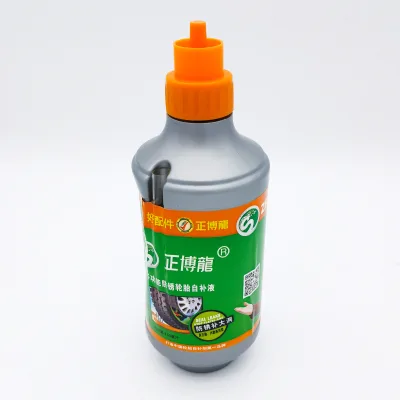
Quickly Repair Liquid Tire Sealant 350ml 500ml Eco Material Tubeless Tire Sealant
$1.00 - $1.30
MOQ: 6000 Pieces



Comprehensive Sourcing Guide
Emergency Tubeless Tire Sealant Sourcing Guide
Procuring Emergency Tubeless Tire Sealant requires a clear understanding of the product’s dual role as both a temporary repair solution and a maintenance aid for various vehicle types. These sealants are primarily designed to function as liquid sealants for tubeless tires, utilizing a base of rubber and glue to effectively plug punctures and maintain air pressure. Buyers must recognize that while these products offer immediate utility for cars, SUVs, bicycles, motorbikes, and even track vehicles, they serve as emergency tools rather than permanent fixes. The core value proposition lies in the ability to restore mobility quickly, allowing users to reach a service center for proper tire repair or replacement.
When sourcing these items, it is critical to distinguish between different product forms and their specific applications. The market offers variations ranging from portable tire pressure gauges to embedded systems, though the primary focus remains on the liquid sealant itself. Buyers should verify the specific fit for their target vehicle categories, ensuring the sealant is compatible with the tire construction and pressure requirements of their fleet or customer base. Understanding the distinction between standard emergency tools and specialized sealant formulations is essential for selecting the right product mix that aligns with operational needs and safety standards.
Product Scope and Observed Listing Signals
The current market landscape for Emergency Tubeless Tire Sealant reveals a diverse range of product listings with varying specifications and packaging options. Observed data indicates a price range of $0.35 to $8.00 USD, with minimum order quantities (MOQs) spanning from 1 to 7,500 pieces. This wide variance suggests that buyers can find options suitable for both small-scale retail distribution and large industrial procurement. The presence of customization options and OEM/ODM services indicates that manufacturers are flexible in adapting products to specific brand requirements, allowing buyers to tailor packaging and labeling to their market needs.
Product attributes observed include volumes of 450ml, 500ml, and 1000ml, with packaging configurations such as 24 pieces per carton or 30 bottles in a carton. The gross weight of these packages typically ranges around 6kg to 9.6kg, which is a crucial factor for logistics planning and shipping cost estimation. Additionally, the shelf life of these products is generally listed as three years, providing a reasonable window for inventory management and distribution. Buyers should carefully review these physical attributes to ensure they align with their storage capabilities and distribution channels, avoiding potential issues related to product expiration or handling difficulties.
Technical Specifications to Verify
Verifying technical specifications is paramount to ensuring the sealant performs as expected in emergency situations. Buyers should confirm the main material composition, which typically includes rubber and glue, to ensure effective sealing capabilities. The liquid color, often observed as green or clear, may indicate specific chemical formulations or additives that affect performance and visibility during application. It is essential to verify the product model numbers, such as VSL-45 or APK-8508, as these identifiers often correlate with specific performance characteristics and compatibility with different tire types.
Packaging standards and dimensions also play a significant role in the technical evaluation of these products. Standard packaging dimensions like 41.22121.5cm or 500ml/bottle should be cross-referenced with the buyer’s logistical requirements. The condition of the product is consistently listed as new, but buyers must verify the integrity of the packaging to prevent leaks or contamination during transit. Additionally, the update method for any integrated digital components, if applicable, should be confirmed to ensure long-term usability and compatibility with modern vehicle systems.
Compliance and Safety Documentation
Compliance with international standards is a critical aspect of sourcing emergency tire sealants, particularly for markets with strict regulatory requirements. Certifications such as ISO, ISO9001, GS, and RoHS are commonly observed, indicating adherence to quality management and environmental safety standards. Buyers must verify the specific certification documents provided by suppliers to ensure they meet the regulatory requirements of their target markets. The presence of RoHS certification is particularly important for products containing electronic components or specific chemical formulations that may be subject to hazardous substance restrictions.
Safety documentation should also include detailed information on the product’s usability and potential hazards. The sealant is designed for use on tubeless tires, but buyers should ensure that the product does not contain harmful substances that could damage tire materials or pose health risks during application. It is advisable to request safety data sheets (SDS) to understand the chemical composition and handling instructions. Additionally, verifying the product’s origin, often listed as Guangdong, China, can provide insights into the manufacturing practices and quality control measures employed by the supplier.
Cost Drivers and Commercial Terms
Understanding the cost drivers and commercial terms is essential for effective procurement planning. The observed price range of $0.35 to $8.00 USD is influenced by factors such as product volume, packaging complexity, and certification requirements. Buyers should consider the total cost of ownership, including shipping, handling, and potential customs duties, when evaluating supplier quotes. The minimum order quantities, ranging from 1 to 7,500 pieces, offer flexibility for buyers with varying demand levels, but larger orders may provide better economies of scale.
Payment terms and delivery times are also significant commercial considerations. Negotiable payment options and delivery times of 20-25 working days or up to 30 days should be clearly defined in the contract. Buyers should assess the supplier’s ability to meet these timelines consistently, as delays can impact inventory levels and customer satisfaction. Additionally, the availability of customization services and OEM/ODM options may incur additional costs, which should be factored into the overall budget. Clear communication regarding these terms can help avoid misunderstandings and ensure a smooth procurement process.
Supplier Qualification and Quality Control
Supplier qualification is a critical step in ensuring the reliability and consistency of emergency tire sealant supplies. Buyers should verify the supplier’s production capabilities, quality control processes, and track record in the industry. The presence of ISO9001 certification suggests a structured quality management system, but buyers should conduct additional due diligence to assess the supplier’s overall reliability. Requesting samples and conducting independent testing can provide valuable insights into the product’s performance and quality.
Quality control measures should include regular inspections of raw materials, production processes, and finished products. Buyers should inquire about the supplier’s testing protocols and any third-party certifications that validate product safety and efficacy. Additionally, assessing the supplier’s ability to provide consistent product quality across different batches is essential for maintaining brand reputation and customer trust. Establishing a strong relationship with a qualified supplier can help mitigate risks and ensure a steady supply of high-quality emergency tire sealants.
Long-Term Procurement Checks
Long-term procurement checks involve continuous monitoring of supplier performance and market trends to ensure ongoing value and reliability. Buyers should establish key performance indicators (KPIs) to evaluate supplier delivery times, product quality, and responsiveness to issues. Regular audits and feedback sessions can help identify areas for improvement and strengthen the partnership. Additionally, staying informed about changes in regulatory requirements and industry standards is crucial for maintaining compliance and avoiding potential disruptions.
Market analysis should also be conducted periodically to assess the competitive landscape and identify emerging trends in emergency tire sealant technology. This includes evaluating new product formulations, packaging innovations, and sustainability initiatives. By maintaining a proactive approach to procurement, buyers can adapt to changing market conditions and secure the best possible value for their organization. Continuous engagement with suppliers and industry stakeholders can provide valuable insights and opportunities for collaboration, ensuring long-term success in the procurement of emergency tubeless tire sealants.
FAQs
What is the shelf life of the Emergency Tubeless Tire Sealant?
The product has a shelf life of 3 years when stored properly. This ensures long-term reliability for emergency repairs on cars, SUVs, and motorcycles. The sealant remains effective within this period to maintain tire pressure and seal punctures efficiently.
Which certifications does the Emergency Tubeless Tire Sealant hold?
The product holds ISO, GS, and RoHS certifications for safety and quality. These standards confirm the material meets international requirements for environmental protection and manufacturing processes. Buyers can verify these credentials to ensure compliance with global regulations.
Can the Emergency Tubeless Tire Sealant be customized for branding?
Yes, customization is available for this Emergency Tubeless Tire Sealant product. Suppliers offer ODM and OEM services to tailor packaging and labeling to specific buyer needs. This allows businesses to create unique branded solutions for their target markets effectively.
What is the typical delivery time for Emergency Tubeless Tire Sealant orders?
The standard delivery time ranges from 20 to 25 working days after order confirmation. Some specific orders may require up to 30 days depending on production schedules. Buyers should plan their inventory accordingly to avoid delays in receiving the sealant products.
How is the Emergency Tubeless Tire Sealant packaged for shipment?
The product is packed in cartons containing 24 bottles per carton or 30 bottles per carton. Each bottle typically holds 450ml or 500ml of liquid sealant. The packaging ensures safe transport and easy handling for bulk orders from international buyers.
What is the minimum order quantity for Emergency Tubeless Tire Sealant?
The minimum order quantity is 3000 pieces for standard orders. However, some suppliers may accept orders starting from 1 piece up to 7500 pieces depending on specific agreements. Buyers should confirm the exact MOQ with the manufacturer before placing an order.
Which vehicles can use this Emergency Tubeless Tire Sealant?
This sealant is usable for bicycles, motorbikes, cars, SUVs, and track vehicles. It functions as a liquid sealant specifically designed for tubeless tires. The product effectively seals punctures to maintain air pressure during emergency situations on various vehicle types.