Source EMI Shielding Silver Fabric for curtains, hospital, and bags
Find 30 EMI Shielding Silver Fabric options with varying shielding effectiveness and compositions. Compare woven silver fiber materials suitable for curtains, hospital linens, and industrial bags with features like anti-static and antibacterial properties.
Key considerations
Products List

Antibacterial Emf Protection Safety EMI Shielding Fabric Silver Fabric
$6.06 - $7.58
MOQ: 1 Square Meters

Faraday Shielding Emf 100 Silver Fiber Anti Radiation EMI Shielding Conductive Fabric
$23.50 - $28.50
MOQ: 1 Square Meters

Emf Shielding 100 Silver Fiber Anti Radiation EMI Shielding Conductive Mesh Fabric
$23.50 - $28.50
MOQ: 1 Square Meters

Emf Shielding Fabric Silver Fiber Anti Electromagnetic Radiation Fabric
$6.06 - $7.58
MOQ: 1 Square Meters


High Quality Silver Fiber Polyester Conductive Safety EMI Shielding Woven Fabric
$23.45 - $27.45
MOQ: 1 Square Meters


Antibactrial Emf Blocking RF Blocking Anti Radiation Silver Fabric
$17.00 - $19.00
MOQ: 100 Square Meters

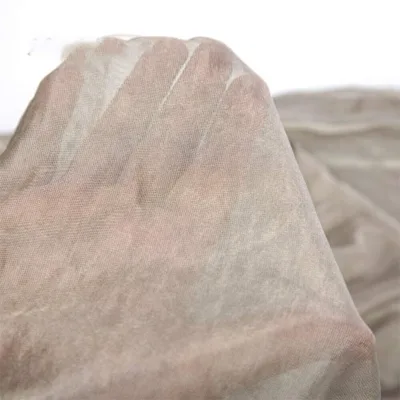
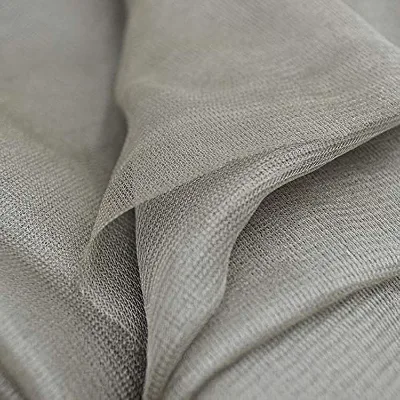
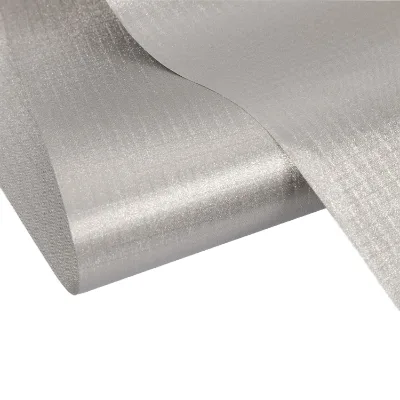
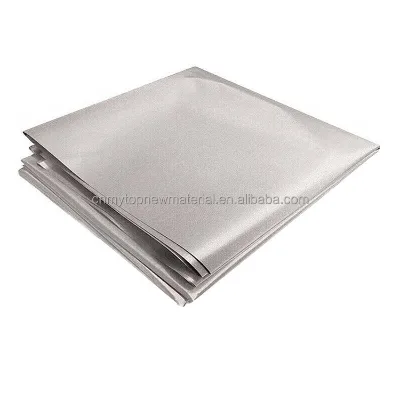
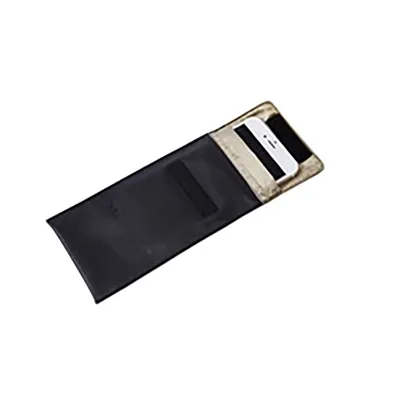
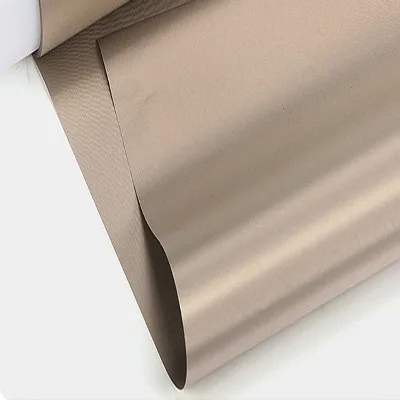
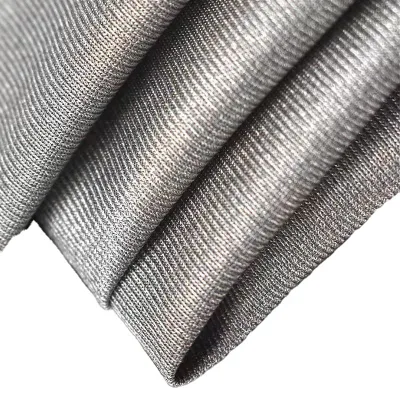
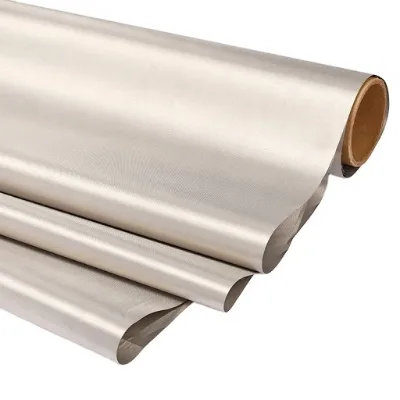
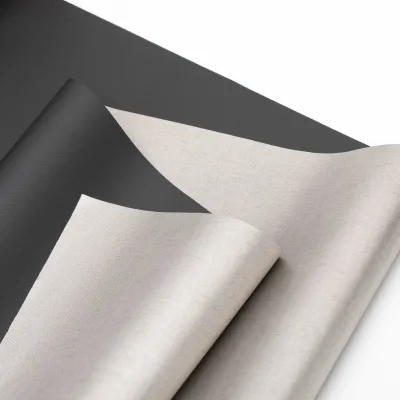

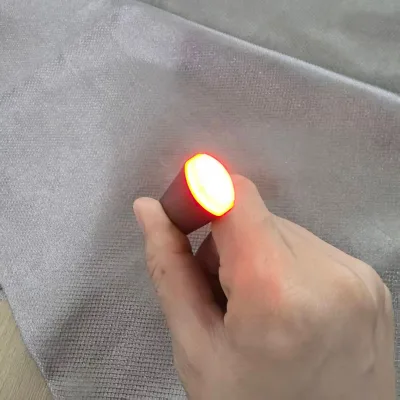
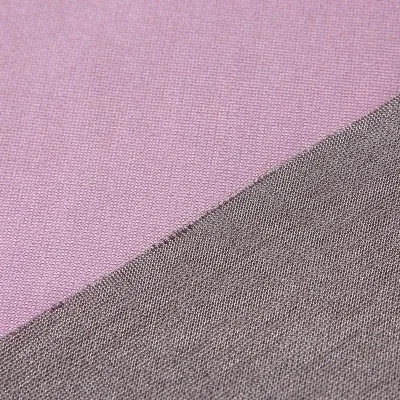
Comprehensive Sourcing Guide
Strategic Sourcing Guide for EMI Shielding Silver Fabric
The procurement of EMI Shielding Silver Fabric represents a specialized segment within the broader electromagnetic compatibility (EMC) and functional textile markets. Buyers seeking this material are typically addressing critical needs in healthcare, high-security environments, and advanced industrial applications where signal integrity and biological protection are paramount. The core material, often described as silver fiber fabric or silver yarn woven textiles, offers a unique combination of conductivity, antimicrobial properties, and radiation shielding. Sourcing this product requires a disciplined approach that moves beyond simple price comparison to a rigorous evaluation of technical performance, supply chain reliability, and compliance with industry standards. This guide outlines the essential factors for buyers to consider when evaluating suppliers and products in this category.
Technical Specifications and Performance Metrics
The fundamental value of EMI Shielding Silver Fabric lies in its ability to attenuate electromagnetic interference across specific frequency ranges. When evaluating product data sheets, buyers must look for precise shielding effectiveness metrics. Available product data indicates that high-performance variants can achieve shielding effectiveness of 60.7dB or greater within the 30MHz to 20GHz range. Other specifications highlight a shielding range of 10MHz to 3GHz with effectiveness of at least 60dB. These figures are critical for determining whether the fabric meets the specific interference profile of the intended application.
Material composition is another primary technical differentiator. The supply chain offers products ranging from 100% silver fiber fabric to blended compositions. For instance, some woven fabrics utilize a blend of 22% silver fiber, 71% viscose, and 7% polyamide to balance conductivity with drape and comfort. Others may rely on a copper nickel and polyester standard or a 70D+40S+30D yarn structure. Buyers should verify the yarn count, such as 40s, and the fabric density, which typically ranges from 190 to 230 g/m². Thickness is also a variable, with some products listed at 0.08mm while others are categorized simply as medium weight. The width of the fabric is a logistical constraint; observed specifications include 1.5 meters and standard widths of 58 to 60 inches. Understanding these physical attributes is essential for calculating yield and waste during the manufacturing process.
Compliance, Certification, and Safety Standards
In the realm of functional textiles, particularly those claiming health and security benefits, verification of claims is non-negotiable. While the product data mentions features such as "Eco-Friendly," "Anti-Bacterial," and "Anti-Static," these attributes require validation against recognized standards. For example, an antibacterial rate of greater than 99% is a specific claim that should be supported by third-party test reports. Buyers must request documentation proving that the fabric meets relevant safety and performance standards before finalizing a purchase.
Compliance checks should extend beyond the fabric itself to the manufacturing process. The origin of the material, often cited as Shenzhen or Jiangsu, China, implies a need to verify that the supplier adheres to international environmental and labor regulations. Although specific certification names are not universally listed in general product descriptions, buyers should ensure that the supplier can provide evidence of compliance with standards governing conductive textiles and radiation shielding. The "Copper nickel+polyester" standard mentioned in some listings suggests a specific metallurgical composition that may need to be cross-referenced with material safety data sheets (MSDS) to ensure it does not introduce hazardous substances into the final product.
Cost Drivers and Pricing Dynamics
The pricing of EMI Shielding Silver Fabric is influenced by several volatile factors, primarily the market price of silver and the complexity of the weaving process. The observed price range for these products spans from approximately $1.98 to $58.30 per unit, reflecting the vast difference between basic blends and high-density, high-purity silver fiber constructions. The cost driver is heavily tied to the silver content; a 100% silver fiber fabric will naturally command a premium over a blend containing 22% silver fiber.
Minimum Order Quantity (MOQ) is another significant cost determinant. The market shows an MOQ range from 1 to 1000 units, offering flexibility for prototyping while imposing volume constraints for large-scale production. Buyers should be aware that lower unit prices are often contingent on meeting higher volume thresholds. Additionally, the supply type, described as "in-Stock Items," can influence immediate costs versus lead-time premiums. Customization is available, which typically incurs additional setup costs but allows for tailored specifications such as specific widths, colors (ranging from silver to dark blue), and patterns (plain or solids).
Typical Applications and Usage Scenarios
The versatility of EMI Shielding Silver Fabric allows it to serve diverse sectors. The primary applications identified include home textiles, security systems, industrial manufacturing, and healthcare facilities. In the medical sector, the fabric is utilized for bedding, hospital linens, and curtains, leveraging its anti-bacterial properties and ability to shield sensitive medical equipment from external interference. The "Anti-Radiation Shading Curtain" application highlights its use in residential and commercial settings to mitigate electromagnetic exposure.
Industrial uses are equally critical, with the fabric employed in the construction of bags, garments, and protective linings. The "Security" function suggests applications in environments requiring signal isolation, such as secure data centers or government facilities. The fabric's suitability for both women's and men's apparel, including bags and garments, indicates its potential for wearable technology integration. Buyers must match the specific shielding range and effectiveness to the application; for instance, a hospital environment may prioritize the anti-bacterial rate and comfort, while a security facility may prioritize the 30MHz-20GHz shielding effectiveness.
Supplier Evaluation and Selection Criteria
Selecting a reliable supplier for EMI Shielding Silver Fabric requires a multi-faceted evaluation strategy. Buyers should prioritize suppliers who demonstrate transparency in their product specifications and are willing to provide free samples, such as the 18x18cm samples noted in the market. The availability of customization is a strong indicator of a supplier's technical capability and flexibility.
When assessing potential partners, buyers should verify the supplier's location and logistics capabilities. Origins in Shenzhen and Jiangsu suggest established manufacturing hubs, but the specific lead times and packing methods (e.g., "Pack as Roll") must be confirmed. A robust supplier will have a clear understanding of the technical nuances, such as the difference between a 100% silver fiber structure and a blended yarn count. It is also vital to confirm the supplier's ability to maintain consistent quality across batches, as variations in density or silver content can significantly impact shielding performance.
Quality Control and Testing Protocols
Quality control in the production of EMI shielding fabrics is paramount to ensure that the shielding effectiveness claims are met consistently. Buyers should implement a rigorous testing protocol that includes verifying the shielding efficiency, which can range from 43dB to 57dB in some configurations, up to 60dB or higher in others. Regular testing of the antibacterial rate, conductivity, and physical dimensions (width, thickness, GSM) is necessary.
The testing process should also account for the fabric's durability and washability, especially for applications in home textiles and garments. While the product data lists features like "Breathable" and "Eco-Friendly," these claims must be validated through repeated testing cycles. Buyers should require suppliers to provide test reports that cover the full range of frequencies relevant to the application, ensuring that the fabric does not degrade over time or under specific environmental conditions.
Long-Term Procurement Considerations
Sourcing EMI Shielding Silver Fabric is not merely a transactional activity but a strategic partnership that requires long-term planning. Buyers should consider the scalability of the supply chain, ensuring that the supplier can handle increased volumes without compromising quality. The availability of raw materials, particularly silver, can impact long-term pricing stability, so contracts that address price fluctuations or material sourcing are advisable.
Furthermore, buyers should plan for the end-of-life management of the product, considering the "Eco-Friendly" attributes and the recyclability of the silver fiber content. As regulations regarding electronic waste and hazardous materials evolve, having a supplier who is proactive about compliance and sustainability will be a significant advantage. Finally, maintaining a relationship with a supplier who offers customization and technical support will enable buyers to adapt their products to future technological advancements and changing market demands. By focusing on these strategic elements, buyers can secure a reliable supply of high-performance EMI Shielding Silver Fabric that meets their specific technical and operational requirements.
FAQs
What is the shielding effectiveness of this fabric?
High-performance variants achieve shielding effectiveness of 60.7dB or greater within the 30MHz to 20GHz range. Other specifications highlight a shielding range of 10MHz to 3GHz with effectiveness of at least 60dB, depending on the specific model selected.
Can I customize the fabric specifications for my project?
Yes, customization is available for this product line. Buyers can request tailored specifications such as specific widths, colors ranging from silver to dark blue, and patterns like plain or solids to meet unique application needs.
What materials are used to make this shielding fabric?
Materials range from 100% silver fiber fabric to blended compositions like 22% silver fiber, 71% viscose, and 7% polyamide. Some standards utilize copper nickel and polyester or specific yarn structures like 70D+40S+30D.
How much is the minimum order quantity for this fabric?
The minimum order quantity ranges from 1 to 1000 units depending on the supplier and product configuration. Lower unit prices are often contingent on meeting higher volume thresholds within this observed range.
Where are these silver fiber fabrics manufactured?
Products originate from established manufacturing hubs in Shenzhen and Jiangsu, China. Buyers should verify specific lead times and logistics capabilities for each supplier location to ensure timely delivery for their projects.
Does this fabric offer antibacterial protection?
Yes, the fabric features an antibacterial rate of greater than 99% according to available product data. This attribute is particularly valuable for applications in hospitals, home textiles, and bedding where hygiene is critical.