Source Enclosed Comfort Gasoline Fuel Tank for Port, Bus Station, Wharf
Find 30 Enclosed Comfort Gasoline Fuel Tank options for port, bus station, and wharf applications. Compare specifications, materials, and prices from verified Chinese suppliers offering customized capacities and warranties; compare the available evidence and request quotations based on your requirements.
Updated
Key considerations
Products List


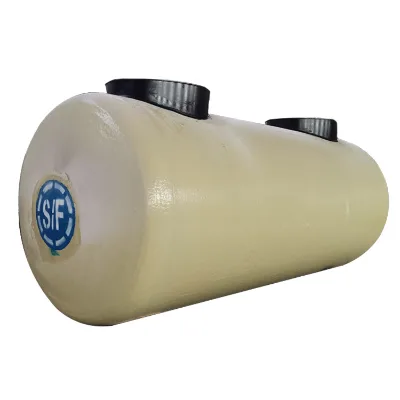
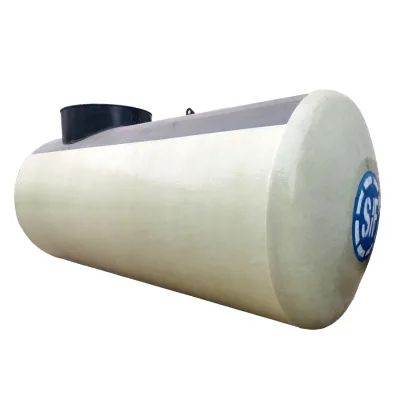
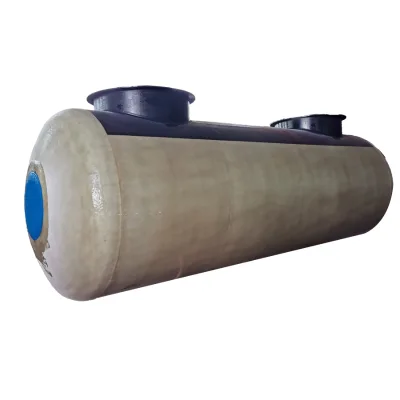
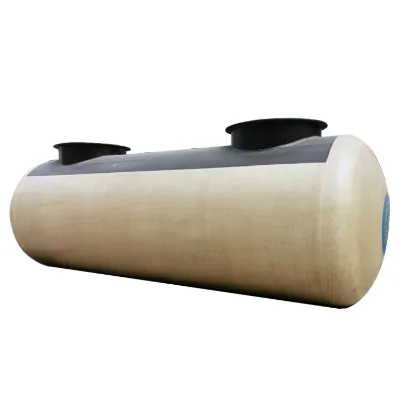
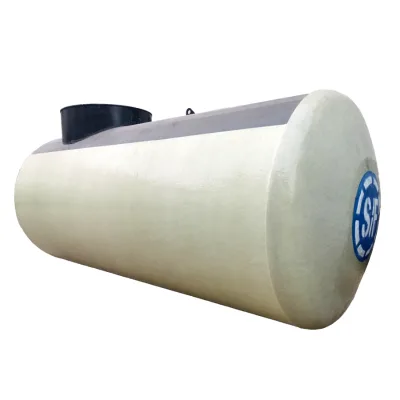


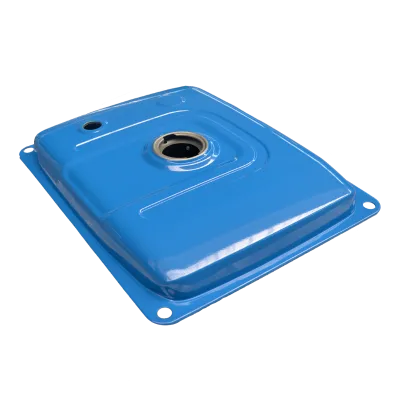
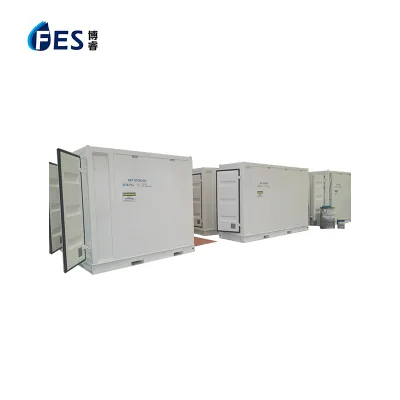
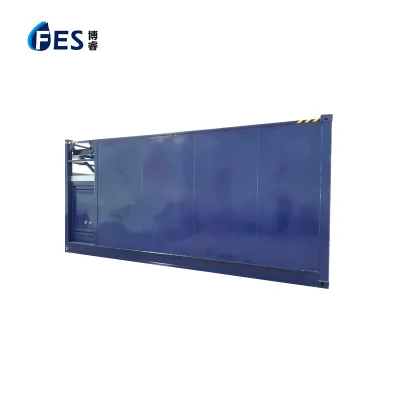
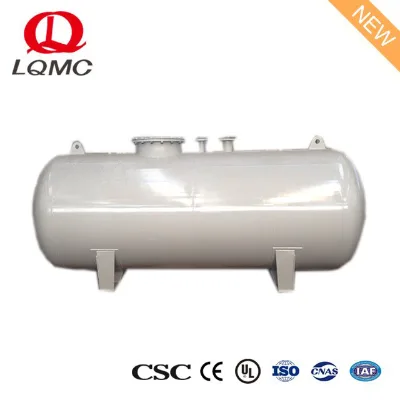
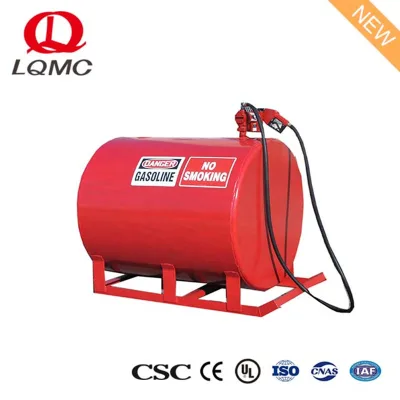
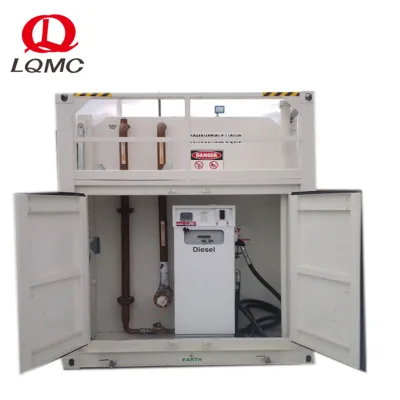
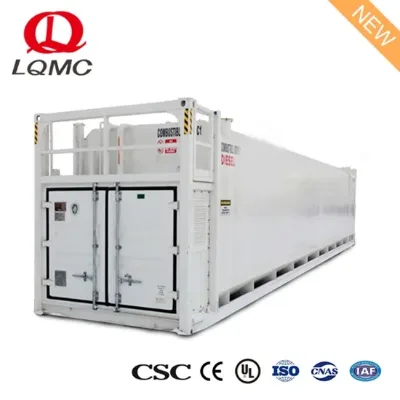
20FT Containerised Fuel Tanks Fuel Storage Tanks Container Double Walled
$7700.00 - $7770.00
MOQ: 1 set




Comprehensive Sourcing Guide
Enclosed Comfort Gasoline Fuel Tank Sourcing Guide
Procuring an Enclosed Comfort Gasoline Fuel Tank requires a disciplined approach to verifying material integrity and operational safety. Buyers must prioritize tanks constructed from stainless steel or carbon steel, as these materials offer the necessary durability for both underground and on-ground installations. The choice between these materials often hinges on the specific environmental conditions of the deployment site, such as exposure to corrosive elements in port or wharf settings. Ensuring the tank meets the required capacity, whether customized or standard, is critical for maintaining consistent fuel supply for generators or heavy machinery.
The term "enclosed comfort" suggests a design that prioritizes both security and ease of maintenance, often featuring horizontal mounting types for stability. Sourcing guides indicate that models like the SHDMS20 or H-S399 represent common configurations in this category, though buyers should verify the exact model number against their technical requirements. It is essential to confirm that the tank’s dimensions, such as the 453371139 mm specification observed in some listings, align with the physical constraints of the installation area. This alignment prevents logistical issues during delivery and ensures the tank fits seamlessly into existing infrastructure without requiring extensive structural modifications.
Product Scope and Observed Listing Signals
The market for enclosed gasoline fuel tanks displays a wide range of specifications, with observed prices varying significantly from low-cost units to high-capacity industrial systems. Listings frequently highlight customization options, allowing buyers to tailor the tank’s capacity, color, and logo to their specific branding or operational needs. The presence of brands like Yongnuo and Hwasdan indicates a competitive landscape where manufacturers offer diverse features, including free spare parts and extended warranty periods. Buyers should carefully review these attributes to ensure they match their long-term maintenance capabilities and budget constraints.
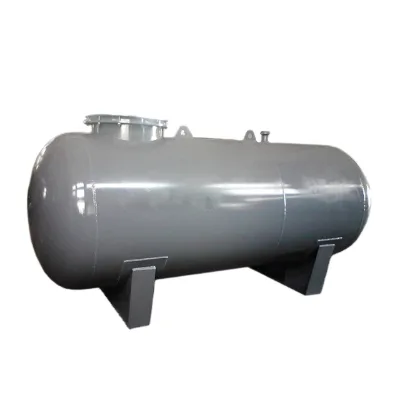
Observed product attributes reveal a strong emphasis on versatility, with tanks designed for applications in ports, bus stations, and wharves. These environments demand robust construction, often featuring spherical or column shapes to optimize space and structural integrity. The availability of both nude packages and shipping container options suggests flexibility in logistics, catering to different supply chain strategies. Additionally, the condition of new products and the inclusion of video technical support highlight the importance of after-sales service in the procurement decision. Buyers must assess whether the supplier’s support infrastructure can adequately address potential operational issues in remote or challenging locations.
Technical Specifications to Verify
Verifying the technical specifications of a gasoline fuel tank is paramount to ensuring safe and efficient operation. Buyers must confirm the engine type compatibility, particularly for gasoline-powered systems, and verify the rated current, such as the 12V/8.3A specification noted in some models. The capacity of the tank, whether it is a small 12.5L unit or a large 12000L system, must align with the fuel consumption requirements of the associated equipment. Mismatched capacities can lead to frequent refueling interruptions or inefficient use of space, impacting overall operational productivity.
The mounting type and position of the tank are critical technical factors that influence installation complexity and safety. Horizontal mounting is commonly observed, providing stability for on-ground installations, while underground positioning requires additional considerations for corrosion resistance and access. Buyers should verify the dimensions of the tank, such as the 6058X2438*2896 mm size for container-sized units, to ensure compatibility with transport and site constraints. Additionally, the material composition, whether stainless steel or carbon steel, must be confirmed to withstand the specific environmental conditions of the deployment site, preventing premature degradation.
Compliance and Safety Documentation
Compliance with international standards is a non-negotiable aspect of sourcing enclosed gasoline fuel tanks. Buyers must request documentation confirming that the product meets relevant safety and quality certifications, such as CE/ISO or ISO9001. These certifications indicate that the manufacturer adheres to rigorous quality management systems and safety protocols, reducing the risk of defects or failures in the field. Without proper certification, buyers may face regulatory hurdles or increased liability in the event of an incident, making verification of these documents a critical step in the procurement process.
Safety documentation should also include detailed information on the tank’s design features, such as pressure relief mechanisms and leak detection systems. Buyers should verify that the tank’s construction complies with local and international regulations for fuel storage, particularly for applications in high-traffic areas like ports and bus stations. The warranty period, often cited as two years or five years in listings, provides an additional layer of protection, but buyers must understand the terms and conditions associated with the warranty. Ensuring that the supplier offers comprehensive after-sales support, including overseas third-party assistance, is essential for maintaining compliance and safety over the tank’s lifecycle.
Cost Drivers and Commercial Terms
The cost of an enclosed gasoline fuel tank is influenced by several key factors, including material quality, capacity, and customization options. Stainless steel tanks typically command a higher price than carbon steel alternatives due to their superior corrosion resistance and longevity. Customization, such as specific color schemes or logo printing, can also add to the overall cost, as it requires additional manufacturing steps. Buyers should carefully evaluate these cost drivers to determine the best value proposition, balancing initial expenditure with long-term operational benefits.
Commercial terms, including minimum order quantities (MOQ) and lead times, play a significant role in the procurement strategy. Observed MOQs range from 1 to 10 units, offering flexibility for both small-scale and large-scale projects. Lead times can vary depending on the complexity of the order and the supplier’s production capacity, so buyers should establish clear communication regarding delivery schedules. Payment terms and shipping arrangements, such as the use of shipping containers or nude packages, should also be negotiated to ensure a smooth transaction process. Understanding these commercial terms helps buyers manage cash flow and mitigate supply chain risks.
Supplier Qualification and Quality Control
Supplier qualification is a critical step in ensuring the reliability and quality of the sourced fuel tanks. Buyers should verify the supplier’s manufacturing capabilities, including their experience in producing tanks for demanding applications like ports and wharves. Checking for relevant certifications, such as ISO9001, provides assurance that the supplier adheres to established quality management standards. Additionally, buyers should assess the supplier’s after-sales service offerings, such as free spare parts and video technical support, to ensure ongoing support is available throughout the product’s lifecycle.
Quality control measures implemented by the supplier are equally important in mitigating the risk of defects. Buyers should inquire about the testing procedures used to verify the tank’s integrity, including pressure tests and leak checks. Requesting sample units or conducting factory audits can provide valuable insights into the supplier’s production processes and quality assurance practices. Establishing a clear quality agreement that defines acceptance criteria and remediation procedures for non-conforming products is essential for maintaining high standards. This proactive approach helps buyers avoid costly delays and ensures that the delivered tanks meet their operational requirements.
Long-Term Procurement Checks
Long-term procurement success depends on establishing robust relationships with suppliers and implementing continuous improvement strategies. Buyers should regularly review supplier performance metrics, such as delivery reliability and product quality, to identify areas for improvement. Maintaining open communication channels with the supplier facilitates the resolution of any issues that may arise during the product’s lifecycle. Additionally, staying informed about industry trends and technological advancements allows buyers to make informed decisions about future upgrades or replacements.
Regular maintenance and inspection of the fuel tanks are essential for ensuring their longevity and safety. Buyers should develop a comprehensive maintenance plan that includes routine checks of the tank’s structural integrity, fuel lines, and safety features. Training staff on proper handling and maintenance procedures can prevent accidental damage and extend the tank’s operational life. By prioritizing long-term procurement checks, buyers can maximize the value of their investment and ensure the reliable operation of their fuel storage systems in demanding environments.
FAQs
What materials are used for enclosed comfort gasoline fuel tanks?
Enclosed comfort gasoline fuel tanks are typically constructed from stainless steel or carbon steel to ensure durability and resistance to corrosion. These materials provide a robust structure suitable for various industrial applications. The choice between stainless steel and carbon steel depends on specific environmental conditions and budget constraints for the project.
Can these fuel tanks be customized for specific capacities?
Yes, customization is available for enclosed comfort gasoline fuel tanks to meet specific capacity requirements. Buyers can request tailored capacities, such as 12000L or smaller units like 12.5L, depending on their operational needs. This flexibility allows for precise integration into different vehicle or stationary systems without compromising structural integrity.
What certifications do these fuel tanks typically hold?
These fuel tanks often hold CE and ISO certifications, ensuring compliance with international safety and quality standards. Some models may also feature ISO9001 certification, indicating a robust quality management system. These certifications provide assurance regarding manufacturing processes and product reliability for buyers in regulated markets.
What is the warranty period for these fuel tanks?
The warranty period for these fuel tanks varies by manufacturer but commonly ranges from two to five years. Some suppliers offer a two-year warranty with free spare parts, while others provide a five-year warranty with video technical support. Buyers should verify the specific warranty terms with the supplier before purchase.
Where are these fuel tanks typically manufactured?
These fuel tanks are primarily manufactured in China, with specific origins noted in cities like Chongqing. The production facilities are equipped to handle large-scale orders and offer various shipping options, including containerized transport. This location allows for competitive pricing and efficient logistics for global buyers seeking reliable industrial components.
What are the standard dimensions for these fuel tanks?
Standard dimensions for these fuel tanks vary, with some models measuring 453x371x139 mm or larger sizes like 6058x2438x2896 mm. Custom sizes are also available to fit specific installation spaces. Buyers should consult technical specifications to ensure the selected tank fits their designated mounting area and operational requirements.