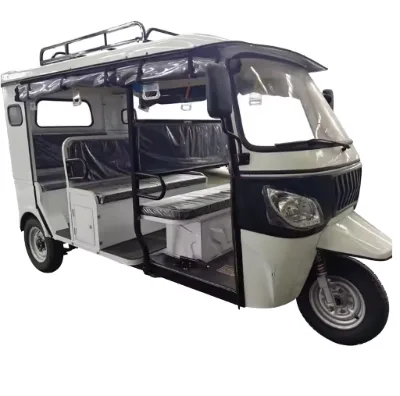
Closed Body Mototaxi Suppliers and Manufacturers in China
Compare 23 verified suppliers offering Closed Body Mototaxi units from Henan and Hebei regions. Review specifications like engine type, certifications, and lead times before requesting quotes for your specific needs; review the available evidence before requesting comparable quotations from suitable candidates.
Suppliers List
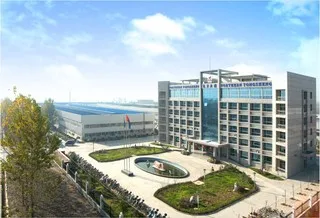
Henan Northern Yongsheng Motorcycle Co., Ltd.
- Manufacturer, Trading Company
- Henan, China
- Lead time30 days
- Avg. response≤ 5h
Main productsElectric Tricycle/Motor Tricycle,3 wheel motorcycle,gasoline tricycle,motorized tricycle,motorcycle engine assembly
Main marketsDomestic Market(60.00%), Africa(20.00%), South Asia(5.00%), Southeast Asia(5.00%), Central America(5.00%), Mid East(5.00%)
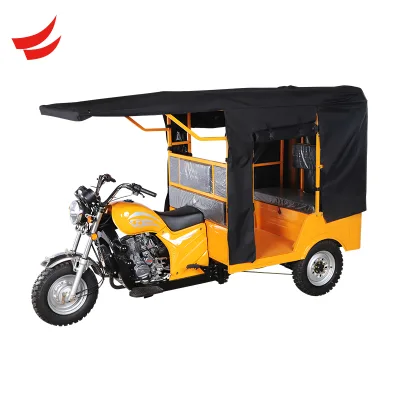
Mototaxi Mototaxi 200cc Engine Auto Rickshaw for Passenger
$900.00 - $1000.00
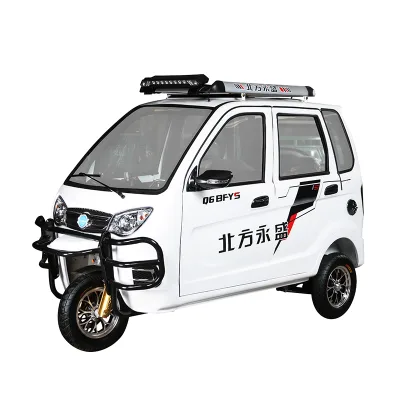
Hot Sale in Peru Three Wheel Mototaxi
Contact supplier
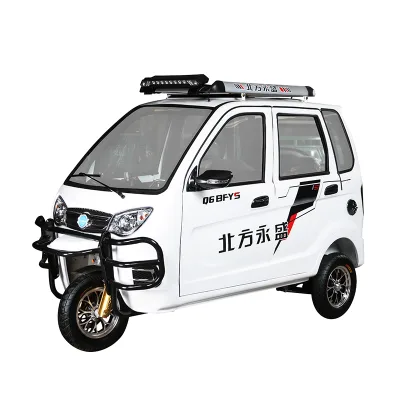

Xianghe Qiangsheng Electric Vehicle Manufacturing Co., Ltd.
- Manufacturer/Factory
- China Hebei
- Lead time15 days
- Avg. response≤ 15h
Main productsElectric Vehicle, Electric Rickshaw, E Scooter, Electric Auto Rickshaw
Main marketsSouth America,Eastern Europe,Mid East,North America,Southeast Asia,Eastern Asia,Oceania,Western Europe,Africa

Chongqing Beiyi Vehicel Co., Ltd.
- Manufacturer, Trading Company
- Chongqing, China
- Lead time10 days
- Avg. response≤ 16h
Main productsElectric Tricycle, Petrol Tricycle, Motorcycles Engine, Motorcycles Parts, Rear Axle Parts
Main marketsDomestic Market(60.00%), Southeast Asia(15.00%), North America(10.00%), Africa(10.00%), South Asia(3.00%), Mid East(2.00%)
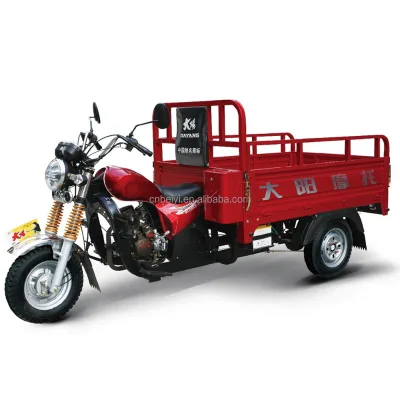
Best-selling Tricycle 150cc Mototaxi Made in China With 1000kgs Loading Capacity
$765.92 - $868.05
MOQ: 1 Minimum
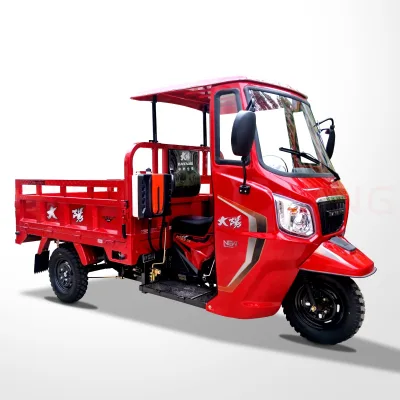
Mototaxi Tricimoto Trike Motorcycle
$1890.00 - $1999.00
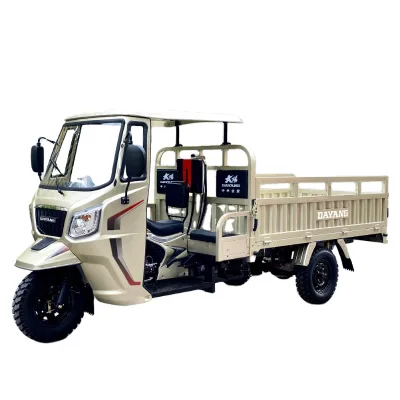
- Trading Company
- Chongqing, China
- Lead time15 days
- Avg. response≤ 5h
Main productsMotorcycle,Motos,Motocicleta,Tricycle,Moped
Main marketsSouth America(70.00%), Western Europe(10.00%), Africa(10.00%), Eastern Europe(5.00%), North America(5.00%)
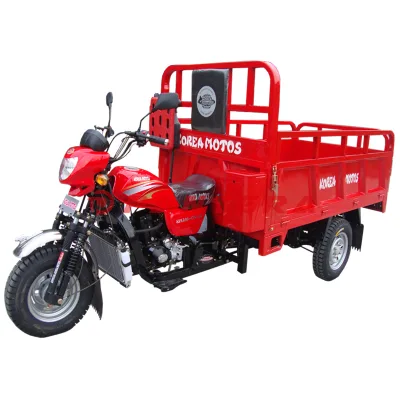
Africa Market 200cc Cheap Motor Tricycle Triciclo Motocar Motocarro Mototaxi
$1184.63 - $1378.66
MOQ: 36 units
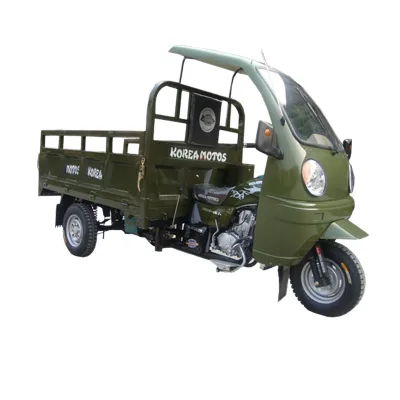

Huaihai Global E-Commerce Co., Ltd.
- Manufacturer, Trading Company
- Jiangsu, China
- Lead time20 days
- Avg. response≤ 5h
Main productselectric scooter,electric kick scooter,Foldable electric scooter,E-scooter,Foldable E-scooter
Main marketsAfrica(19.40%), Southeast Asia(18.20%), South Asia(15.00%), North America(13.80%), South America(7.50%), Western Europe(6.70%), Mid East(5.80%), Eastern Europe(5.50%), Northern Europe(2.30%), Oceania(2.10%), Eastern Asia(1.30%), Domestic Market(1.20%), Central America(1.20%)
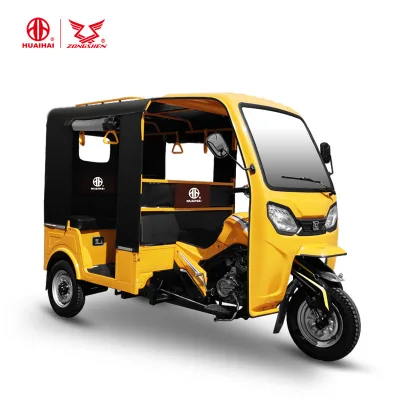
2021Hot Sale Tricycle Vehicle Gas Mototaxi 150CC Three Wheel Motorcycle Motorized Tricycles
$990.00 - $1080.00
MOQ: 39 sets
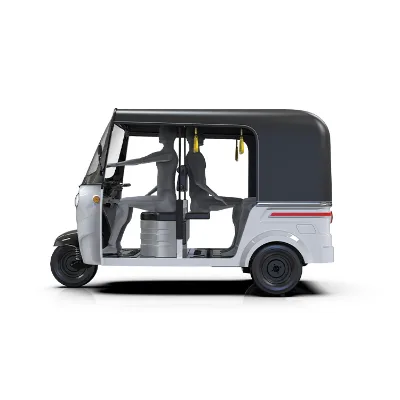
Motorized Auto Rickshaw Large Space 6 Passengers Tricycle Passenger Moto Taxi for Adults
$3000.00
MOQ: 30 Minimum
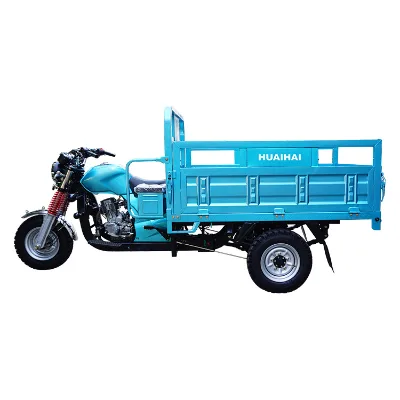
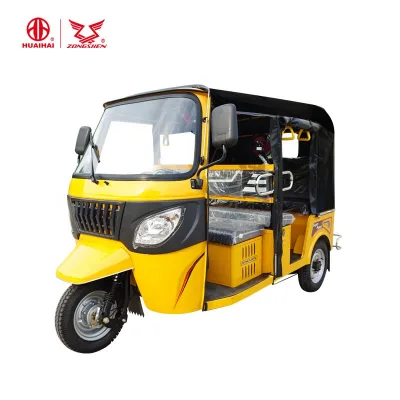
200cc Huaihai Zongshen 2023 Mototaxi Bajaj Motocarro
$1400.00 - $1550.00

Langfang Sandi Electric Tricycle Co., Ltd.
- Verified by SGS
- Combined
- China Hebei
- Lead time30 days
- Avg. response≤ 10h
Main productsElectric Tricycle, Electric Rickshaw, Electric Tuk Tuk, Electric Three Wheel Bajaj, Electric Three Wheels, Electric Three Wheel Motorcycle
Main marketsAfrica,Southeast Asia/ Mideast


Powerful Genuine Quality Battery Operated Electric Passenger Moto-Taxi
$950.00 - $960.00
MOQ: 20 Pieces


Chongqing Kingstorm Mechanical and Electrical Co., Ltd
- Verified by SGS
- Trading Company,Manufacturer/Factory
- China Chongqing
- Lead time45 days
- Avg. response≤ 7h
Main productsTricycle, Cargo Tricycle, Passenger Tricycle, Electric Tricycle, ATV, Tricycle Spare Parts
Main marketsSouth America,Mid East,Southeast Asia,Eastern Asia,Africa

300cc Three Wheeled Motorcycle Mototaxi Trike Cargo Heavy Loading Tricycle
$1000.00 - $1500.00
MOQ: 5 Pieces


Chongqing Dunya Industrial Co., Ltd.
- Trading Company
- China Chongqing
- Lead time30 days
- Avg. response≤ 10h
Main productsTricycle, Three Wheeler Motorcycle
Main marketsSouth America,Africa

Motor Passenger Tricycle with Covered for Bangladesh Gasoline Mototaxi
$3999.00 - $5999.00
MOQ: 40 Sets

Xiaofeilong Motor Passenger Tricycle with Covered for Bangladesh Gasoline Mototaxi for Egypt
$1758.00 - $5999.00
MOQ: 42 Sets


China Three Wheel Vehicle Taxi Tricycle Motorcycle Tuk Tuk Adult Tricycle
$3999.00 - $5999.00
MOQ: 40 Sets


Hebei Hensim Jinhe Motorcycle Co., Ltd.
- Verified by SGS
- Combined
- China Hebei
- Lead time30 days
- Avg. response≤ 2h
Main productsFuel Motorcycle and Its Parts, Electric Bicycle and Its Parts, Electric Three-Wheeled Motorcycle
Main marketsSouth America,Africa,Southeast Asia/ Mideast


Hot Sale Electric Enclosed 4 Seat Three Wheel Passenger Tricycle Passengers Taxi
$1360.00
MOQ: 1 Pieces

Electric Enclosed Four Seat Three Wheel Passenger Tricycle Carrying Passengers Taxi
$1360.00
MOQ: 1 Pieces


Cangzhou Onot Technology Co., Ltd.
- Verified by SGS
- Trading Company,Manufacturer/Factory
- China Hebei
- Lead time15 days
- Avg. response≤ 1h
Main productsMetal Processing Machinery Part, Sheet Metal Part, Custom Metal Fabrication, Garage, Grass Baler Machine
Main marketsSouth America,Eastern Europe,Mid East,North America,Southeast Asia,Eastern Asia,Oceania,Western Europe,Africa

3-Wheel Tvs Tricycle Closed Cabin Moto Taxi with Seat Passenger Tuk Tuk Motorcycle
$1599.00 - $2099.00
MOQ: 2 Pieces

Adult 3-Wheel Tvs Tricycle Closed Cabin Moto Taxi with Seat Passenger Tuk Tuk Motorcycle
$1050.00 - $1250.00
MOQ: 1 Pieces

Comfortable 60V Tuk Tuk Open Body 3-Wheel Gasoline Motorcycle Taxi Vehicle
$1110.00 - $1250.00
MOQ: 1 Pieces

$1599.00 - $2099.00
MOQ: 1 Pieces

Three Wheeler Gasoline Open Body Motorized Passenger Scooter Moto Taxi Tvs Bajaj Tricycle for Adults
$1599.00 - $2099.00
MOQ: 1 Pieces
Foshan Haojun Motorcycle Co., Ltd.
- Manufacturer
- Guangdong, China
- Lead time0 days
- Avg. response≤ 5h
Main productsMotorcycle,electric Motorcycle,Motorcycle parts,Motorcycle engine
Main marketsDomestic Market(50.00%), Mid East(15.00%), Eastern Asia(10.00%), Southeast Asia(5.00%), South Asia(5.00%), Central America(5.00%), Northern Europe(4.00%), Africa(2.00%), North America(1.00%), South America(1.00%), Southern Europe(1.00%), Western Europe(1.00%)
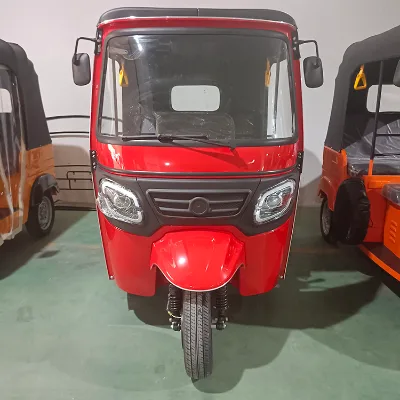
Other Tricycle Taxi Moto Tricycle Passager
$1000.00 - $1750.00
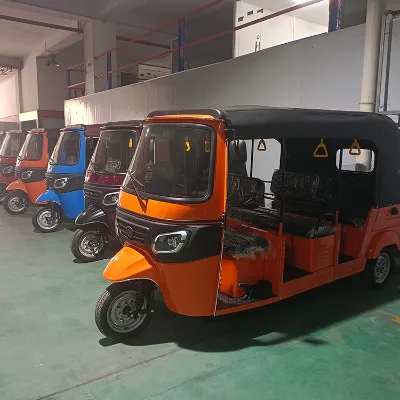

Xuzhou Senka Locomotive Co., Ltd.
- Verified by TUVRHEINLAND
- Combined
- China Jiangsu
- Lead time15 days
- Avg. response≤ 7h
Main productsElectric Tricycle, Electric Car, Vehicle, Passenger Car, Mini Car, Tricycle Accessories, Car Parts, Battery, Cargo Tricycle
Main marketsDomestic
Handan Hi Yan Technology Co., Ltd.
- Trading Company
- Hebei, China
- Lead time20 days
- Avg. response≤ 2h
Main productsElectric tricycle,Gasoline-Powered Tricycle,motor tricycle,Electric motorcycle,Electric Vehicles
Main marketsSoutheast Asia(20.00%), North America(20.00%), South America(15.00%), Africa(15.00%), Northern Europe(10.00%), Eastern Europe(10.00%), Central America(10.00%)
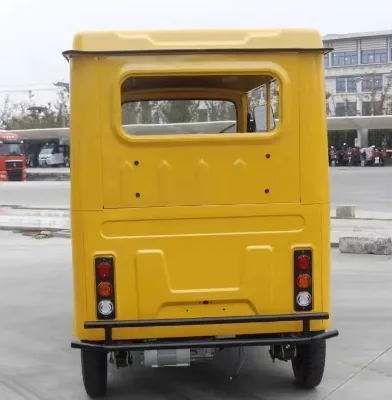
New Manufacturer's 9-Seater Open Body Petrol Tricycle Taxi Motorized Rental Type for Adults
$990.00 - $999.00
MOQ: 2 sets
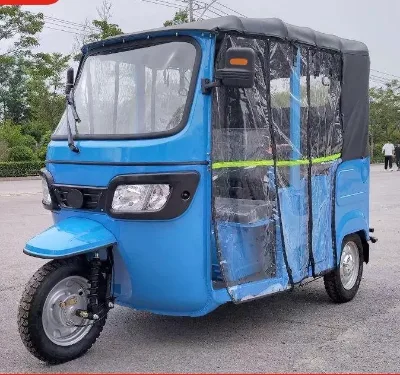
Hot Sales 200cc Water Cooling Gasoline Passenger Motor Taxi Drift Tricycle
$1122.37 - $1132.67
MOQ: 2 sets
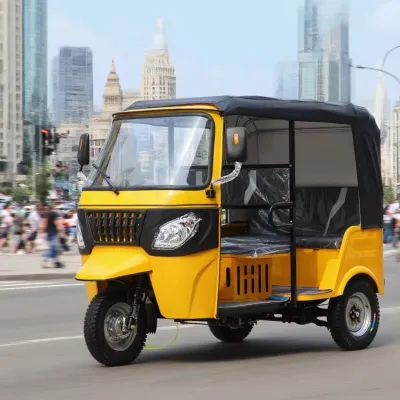
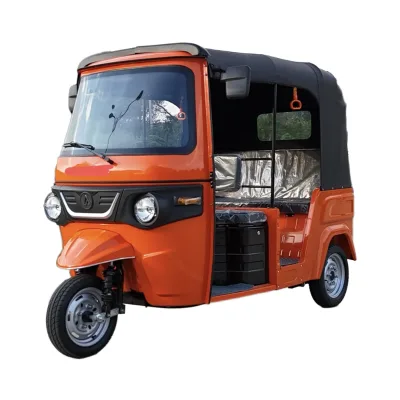
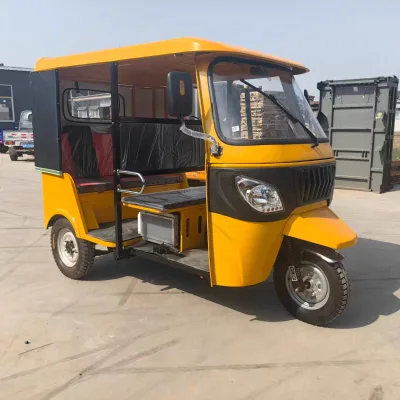
Factory Direct Sell Tuk Tuk Passenger Tricycle Open Body Taxi Vehicle
$1800.00 - $1900.00
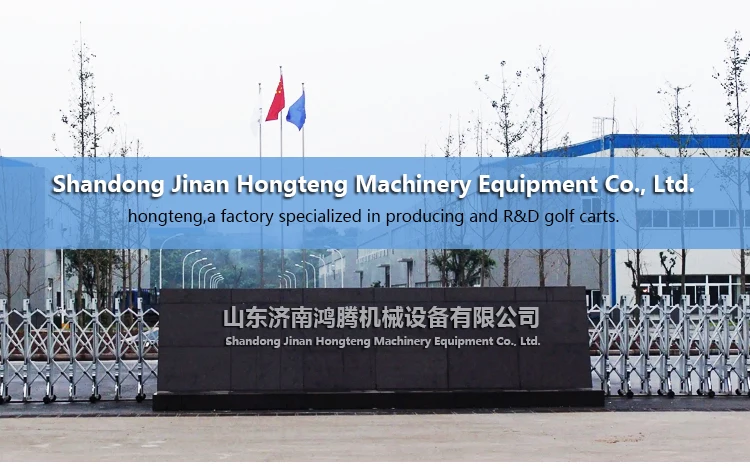
Jinan Hongteng Machinery Equipment Co., Ltd.
- Trading Company
- Shandong, China
- Lead time25 days
- Avg. response≤ 5h
Main productsgolf cart,tricycle,cosmetic raw material,Golf Cart Accessories,GHK-CU
Main marketsMid East(50.00%), North America(30.00%), Southeast Asia(20.00%)
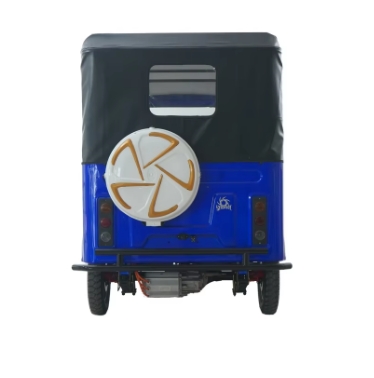
$1355.36 - $2085.73
MOQ: 1 units
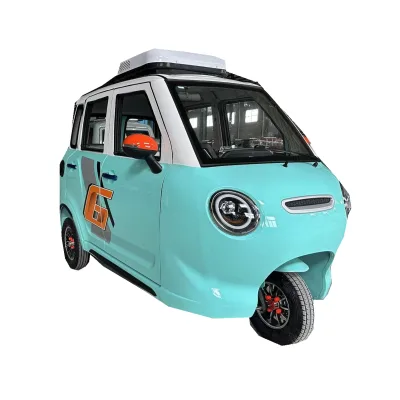
Taxi Motor Tricycle 3-Wheel Gasoline Passenger Trike 200CC Motorcycle
$1599.00 - $1999.00
MOQ: 5 units
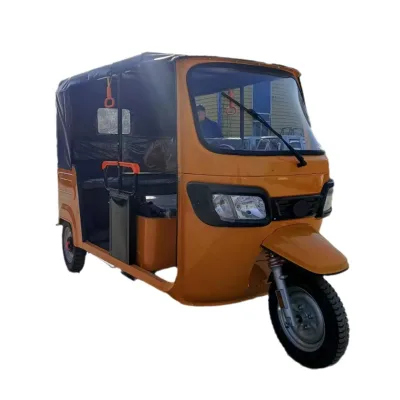
$1331.15 - $2048.47
MOQ: 1 units
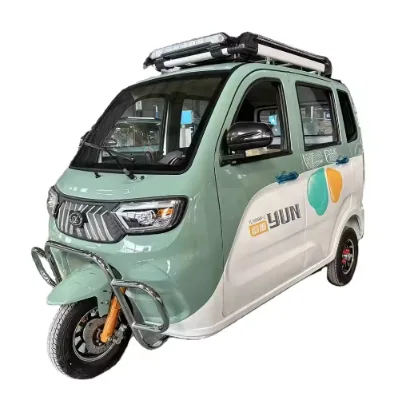
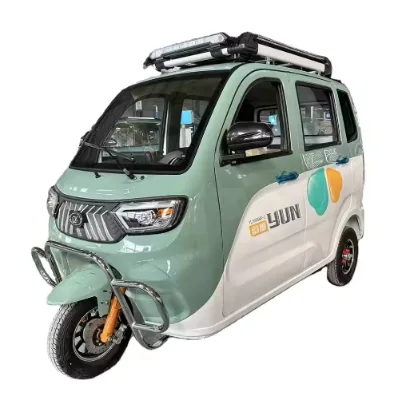
Hebei Chenglang Import And Export Co., Ltd.
- Verified by Intertek
- Trading Company
- Lead time15 days
- Avg. response≤ 3h
Main productsMotorized Tricycle, Electric Tricycle, Golf Cart, Electric Bike, Motorcycle Accessories
Main marketsMid East(28%), Africa(27%), South America(10%)
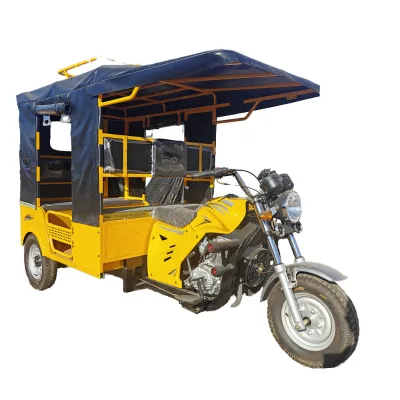
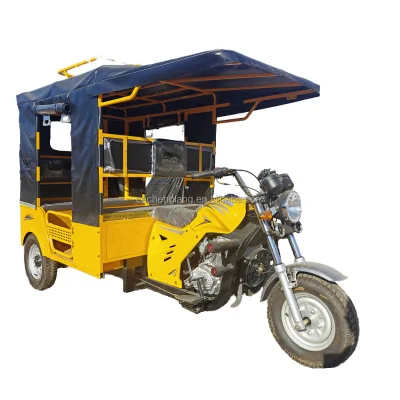
$954.50 - $1058.00
MOQ: 1 units
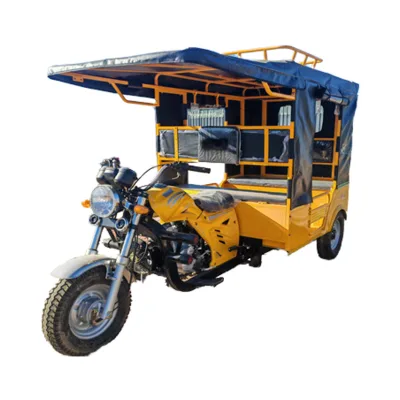
Cute Mini Passenger Tricycle Passenger Taxi Fuel Gasoline Engine Can Carry Six Passengers
$830.00 - $920.00
MOQ: 1 units
Henan Hongxu Weijia Road and Bridge Engineering Co., Ltd.
- Trading Company
- Henan Province, China
- Lead time0 days
- Avg. response≤ 3h
Main productsElectric off-road motorcycles,Electric bikes,Electric tricycles,Gasoline tricycles
Main marketsSouth Asia(20.00%), Central America(20.00%), Mid East(20.00%), Southeast Asia(20.00%), North America(20.00%)

Hebei Diba Motorcycle Co., Ltd.
- Verified by TUVRHEINLAND
- Combined
- China Hebei
- Lead time15 days
- Avg. response≤ 3h
Main productsTricycle, Small Truck, Tuk Tuk, Electric Motorbike, ATV, off-Road Motorcycle, Cargo Tricycle, Passenger Tricycle, Electric Tricycle, Fuel Tricycle
Main marketsDomestic

200cc Water-Cooled Gasoline Motor Taxi Three-Wheel Passenger Tuk-Tuk Tricycle
$1700.00 - $1800.00
MOQ: 1 Pieces


200cc Water-Cooled Gasoline Motor Taxi Three-Wheel Passenger Tuk-Tuk
$1700.00 - $1800.00
MOQ: 1 Pieces
Jiangsu Changyang New Energy Technology Co., Ltd.
- Manufacturer
- Jiangsu, China
- Lead time15 days
- Avg. response≤ 4h
Main productsElectric Tricycle,Road Sweeper,Cleaning Vehicle,Floor Scrubber,Sightseeing Vehicle
Main marketsEastern Asia(35.00%), Western Europe(35.00%), Africa(30.00%)
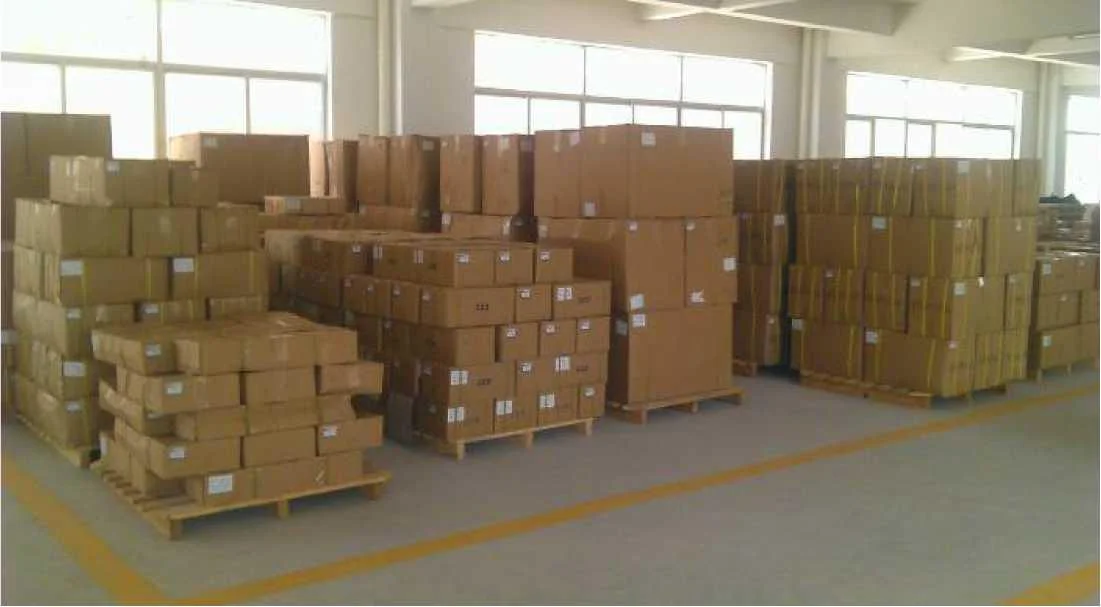
Jinan Uniwise International Limited
- Trading Company
- Shandong, China
- Lead time40 days
- Avg. response≤ 2h
Main productscar and car spare parts,motorcycle and motorcycle spare parts,electric motorcycle,agricultural tyre and industrial tyre,off the road tyre
Main marketsCentral America(40.00%), Southeast Asia(30.00%), Western Europe(20.00%), South America(10.00%)
Shandong keruide Heavy Machinery co.,ltd
- Verified by TüVRheinland
- Manufacturer, Trading Company
- Lead time3 days
- Avg. response≤ 5h
Main productsExcavator, Forklift, Skid Steer Loader, Tricycle, Road Roller
Main marketsDomestic Market(25%), North America(20%), Eastern Europe(20%)
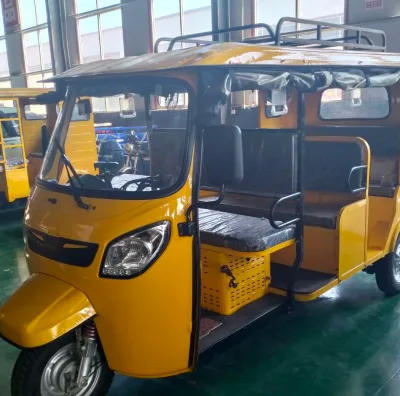
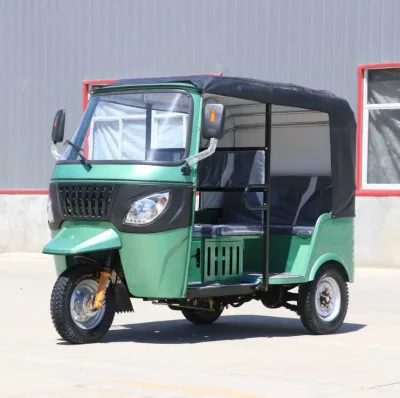
$1318.93 - $1421.97
MOQ: 1 sets
Cangzhou Dongyan Trading Co., Ltd.
- Trading Company
- Hebei, China
- Lead time0 days
- Avg. response≤ 1h
Main productstricycle,Electric tricycle,Fuel powered tricycle,Freight tricycle,Two wheeled electric motorcycle
Main marketsDomestic Market(10.00%), South Asia(10.00%), Northern Europe(10.00%), Central America(10.00%), Eastern Asia(10.00%), Mid East(10.00%), Africa(10.00%), Southeast Asia(10.00%), South America(10.00%), North America(10.00%)

- Verified by SGS
- Trading Company
- China Shandong
- Lead time15 days
- Avg. response≤ 4h
Main productsElectric Cargo Tricycles, Electric Passenger Tricycles, Electric Four-Wheeled Vehicle, Diesel Cargo Tricycle, Diesel Passenger Tricycle
Main marketsAfrica

$906.00 - $1330.00
MOQ: 40 Pieces


Henan Niegui Import and Export Trading Co., Ltd.
- Manufacturer/Factory
- China Henan
- Lead time30 days
- Avg. response≤ 8h
Main productsTricycle, Three Wheeled Motorcycle, Motorcycle, Cargo Three-Wheeled Motorcycle, Three-Wheeled Taxi, Electric Tricycle, Cargo Tricycle, Three-Wheeled Passenger Vehicle, Electric Motorcycle, Electric Vehicle
Main marketsSouth America,Eastern Europe,Mid East,North America,Southeast Asia,Eastern Asia,Oceania,Western Europe,Africa


Latest 2026 9 Passenger Electric Tricycle Taxi with CBS Hydraulic Brakes for Safety
$2660.00 - $2680.00
MOQ: 12 Pieces


Comprehensive Sourcing Guide
Closed Body Mototaxi Supplier Concentration and Factory Types
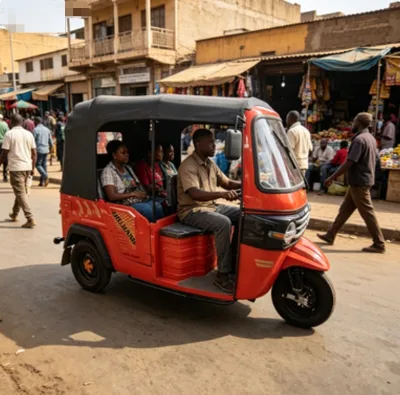
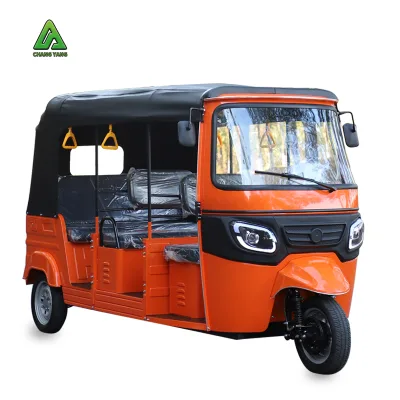
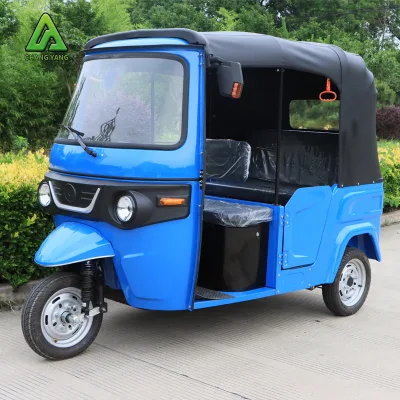
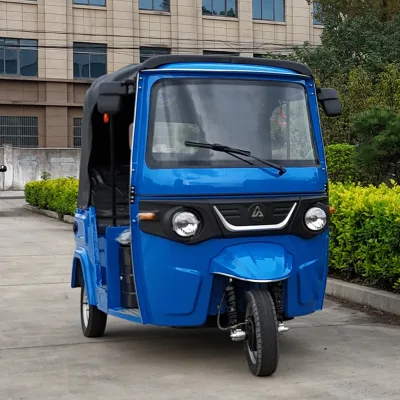
Current data indicates a concentration of manufacturers and trading companies operating from Henan, China, specifically producing motorized tricycles and gasoline-powered mototaxi units. These suppliers list main products including electric tricycles, motorized tricycles, and motorcycle engine assemblies, with specific models like the Mototaxi 200cc Engine Auto Rickshaw originating from this region. The presence of these entities suggests a localized cluster for internal combustion engine vehicles, where supply chains for engines and chassis components are likely established. Buyers should verify if other potential suppliers in different provinces offer similar closed-body configurations, as the current evidence highlights Henan as a primary hub for this specific vehicle type.
In contrast, other results point to facilities in Hebei, China, which focus on electric vehicles, electric rickshaws, and electric auto rickshaws rather than the gasoline-powered closed body units. These Hebei-based entities operate as manufacturers or factories with capabilities for OEM and ODM customization, indicating a distinct manufacturing ecosystem for electric mobility solutions. While the Henan cluster appears specialized in motorized tricycles with specific engine types, the Hebei cluster demonstrates a focus on battery-operated alternatives. Buyers must distinguish between these regional specializations to ensure they are engaging with suppliers who possess the specific technical expertise required for either gasoline or electric closed-body mototaxi production, rather than assuming a single region covers all variations.
How to Verify Closed Body Mototaxi Suppliers
Verification begins by confirming the physical location and operational history of the supplier, as current facts show specific origins in Henan and Hebei provinces. Buyers should request proof of the factory address and cross-reference it with the stated location in the supplier profile to ensure the entity is not merely a trading company without direct manufacturing control. For suppliers claiming to be manufacturers, asking for video tours of the assembly line or recent production footage can validate their capacity to build closed-body mototaxi units. It is critical to distinguish between a trading company that aggregates products and a factory that controls the quality of the engine, chassis, and body assembly, especially given the mix of company types observed in the search results.
Certification verification is another essential step, as some product evidence lists CCC certification for specific models, while others may lack displayed credentials. Buyers must ask for valid CCC certificates that match the specific model number and engine displacement, ensuring the certification applies to the closed-body configuration being ordered. Additionally, checking for system certifications like QC 080000 can indicate a supplier's commitment to quality management systems beyond basic product compliance. Since not all suppliers display every credential, buyers should explicitly request documentation for the specific unit they intend to purchase, rather than relying on general claims about the company's overall portfolio.
What to Compare Across Closed Body Mototaxi Suppliers
When evaluating potential partners, buyers should compare lead times, which currently range from 15 days to 30 days depending on the supplier and product type. A supplier with a 15-day lead time may offer faster delivery for standard electric models, while those producing complex gasoline-powered units might require 30 days for assembly and testing. Response times also vary significantly, with some suppliers showing a response time of 5 days and others taking nearly 15 days, which can impact the speed of negotiation and order processing. Buyers should prioritize suppliers with faster response times to ensure timely communication regarding technical specifications and order status updates.
Minimum Order Quantities (MOQ) and pricing structures are critical comparison points, as some listings show an MOQ of 50 units while others require 122 units. Price ranges observed include figures starting around 600 USD for electric variants and extending to 1000 USD for specific gasoline models, though these figures are subject to change based on order volume and customization. Buyers must compare the total cost of ownership, including the supply ability, which is listed as 10,000 sets per month for some suppliers, to ensure the vendor can meet large-scale demand. Comparing these operational metrics helps identify suppliers who align with the buyer's volume requirements and budget constraints without compromising on delivery schedules.
Common Closed Body Mototaxi Sourcing Risks
One significant risk involves the discrepancy between product specifications and actual delivery, particularly regarding engine type and cooling systems. Some product evidence lists air-cooled engines while others specify water-cooled variants, and buyers must ensure the delivered unit matches the ordered configuration to avoid performance issues in specific climates. Another risk is the variation in payload capacity and curb weight, with some models supporting 300-400kg while others list 200kg or 500kg. Buyers should verify these exact figures against their local regulatory requirements and intended usage to prevent purchasing units that are underpowered or non-compliant with local road safety standards.
Packaging and shipping details also present risks, as some suppliers offer SKD (Semi-Knocked Down) or CKD (Completely Knocked Down) packaging, while others use carton or bubble film packing. The choice of packaging affects the condition of the vehicle upon arrival and the ease of assembly at the destination. If a supplier claims a high supply ability but lacks clear packaging details, there is a risk of damage during transit or delays in local assembly. Buyers should explicitly confirm the packaging method and ensure it protects the closed body structure and sensitive components like the battery or engine during long-distance shipping to avoid costly repairs or replacements upon arrival.
Closed Body Mototaxi Regional Sourcing and Logistics
Logistics planning must account for the specific port of dispatch, which is identified as Qingdao Port for certain mototaxi models originating from Henan. Buyers should calculate shipping costs and transit times based on this specific port, as different suppliers may utilize different ports or inland logistics hubs. The distance from the factory to the port can impact the overall lead time, and buyers should verify if the supplier handles inland transportation or if it is the buyer's responsibility to arrange pickup. Understanding the logistics chain from the factory floor to the port of dispatch is essential for accurate cost estimation and delivery scheduling.
For suppliers located in Hebei, the logistics network may differ, potentially utilizing different ports or inland transport routes. Buyers should confirm the exact shipping terms, such as FOB or CIF, and verify which port the supplier uses for their specific product line. The size of the vehicle, with dimensions ranging from 2730mm to 3000mm in length, affects container loading efficiency and shipping costs. Buyers should request a detailed shipping quote that includes all inland and ocean freight charges to avoid unexpected expenses. Ensuring that the logistics provider is familiar with the specific dimensions and weight of the closed-body mototaxi is crucial for efficient transport and customs clearance.
Closed Body Mototaxi Commercial Terms and Order Planning
Commercial terms should be clearly defined regarding payment methods, escrow usage, and warranty provisions. While some suppliers may offer escrow services to protect the buyer's funds, others might require different payment structures. Buyers should verify if the supplier accepts secure payment methods that offer protection against non-delivery or quality disputes. Additionally, understanding the warranty terms for the engine, battery, and body structure is vital, as these components have different lifespans and failure rates. Buyers should negotiate clear warranty periods and service support arrangements before finalizing the order to mitigate post-purchase risks.
Order planning must consider the supply ability and production capacity to ensure timely delivery. With some suppliers claiming a supply ability of 10,000 sets per month, buyers should confirm if this capacity is available for their specific order size and timeline. Customization options, such as specific body colors or branding, may extend the lead time and require additional planning. Buyers should create a detailed production schedule that accounts for the supplier's response time and lead time to avoid delays. Clear communication regarding order milestones and delivery dates is essential to maintain a smooth procurement process and ensure the closed-body mototaxi units are ready for market launch when needed.
FAQs
What is the price range for Closed Body Mototaxi units?
Closed Body Mototaxi prices typically range from $600 to $1,000 per unit. Specific models vary based on engine type and features. For instance, electric variants start around $600, while gasoline-powered passenger tricycles often cost between $900 and $1,000. Buyers should verify exact pricing based on order volume and customization needs.
Where are Closed Body Mototaxi manufacturers located?
Manufacturers of Closed Body Mototaxi units are primarily located in Henan and Hebei provinces in China. Suppliers in Henan often produce gasoline-powered models, while those in Hebei focus on electric tricycles. These regions serve as key hubs for vehicle and transportation manufacturing, offering diverse sourcing options for international buyers.
What is the typical lead time for mototaxi orders?
Typical lead times for Closed Body Mototaxi orders range from 15 to 30 days. Suppliers in Hebei often report a 15-day production cycle, while Henan-based manufacturers may require up to 30 days. These timelines depend on order quantity and whether the units are shipped as CKD or SKD packages.
What certifications do Closed Body Mototaxi products hold?
Closed Body Mototaxi products commonly hold CCC certification. This standard applies to both gasoline and electric variants listed in current supplier results. Buyers should verify specific certification documents for their target market, as CCC is a Chinese standard. Additional international certifications may be available upon request from specific manufacturers.
What is the minimum order quantity for mototaxi units?
Minimum order quantities for Closed Body Mototaxi units vary by supplier and product type. Some electric tricycle suppliers require a minimum of 50 units, while others may set the threshold at 122 units. Gasoline-powered models often have flexible MOQs. Buyers should confirm specific MOQ requirements directly with suppliers before placing orders.
What engine types are available for Closed Body Mototaxi?
Closed Body Mototaxi units are available with both gasoline and electric powertrains. Gasoline models typically feature 150cc to 200cc engines with air or water cooling. Electric variants use lead-acid batteries and are designed for adult passengers. Buyers can choose based on local fuel availability, maintenance infrastructure, and operational cost preferences.