Source Electric Tricycle Brake Switch for Scooters, E-bikes, and Rickshaws
Find 23 Electric Tricycle Brake Switch options from China. Compare specifications including 48V and 72V models, aluminum alloy construction, and EEC certification for scooters, e-bikes, and electric motorcycles. Evaluate payload capacity, driving mileage, and warranty terms to select the right component for your assembly needs.
Updated
Key considerations
Products List
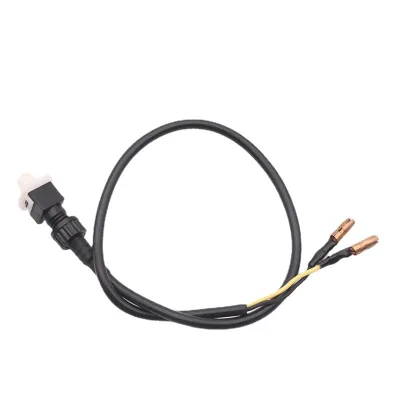
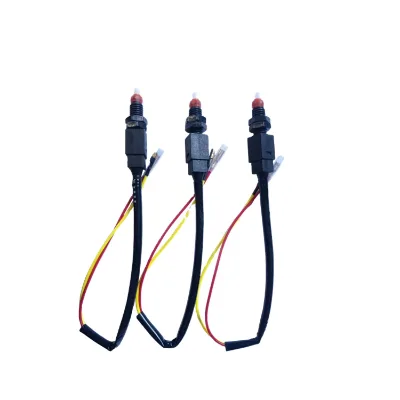
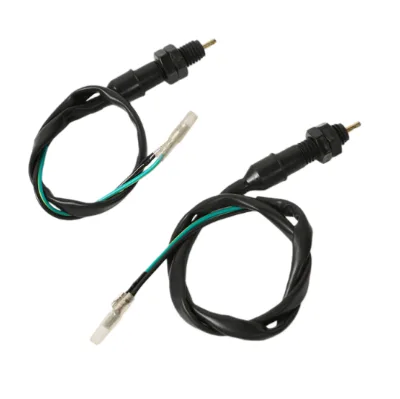
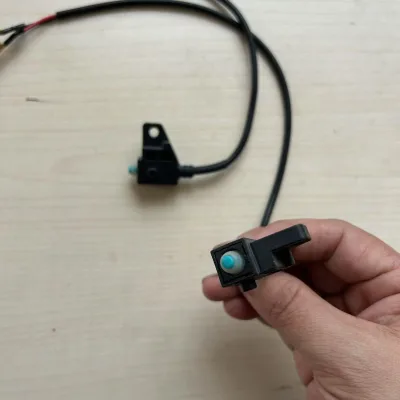
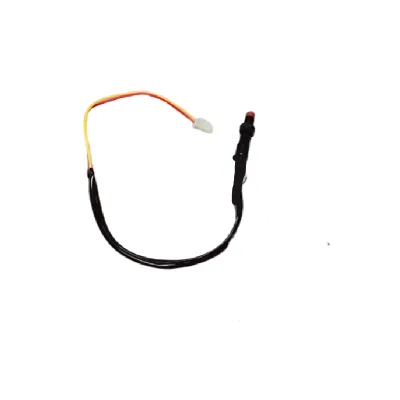
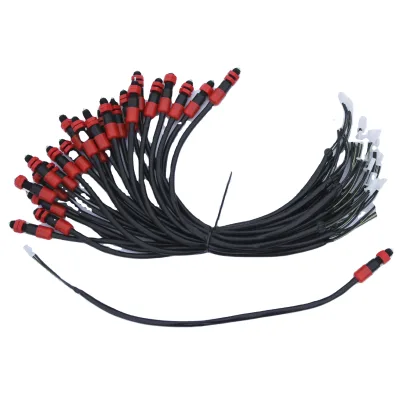
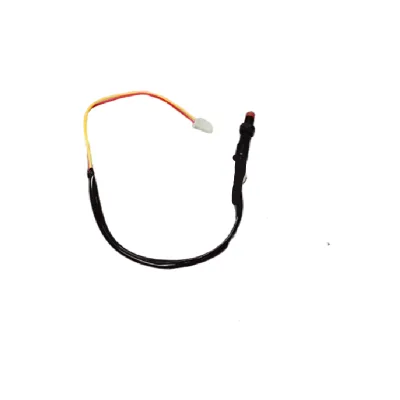
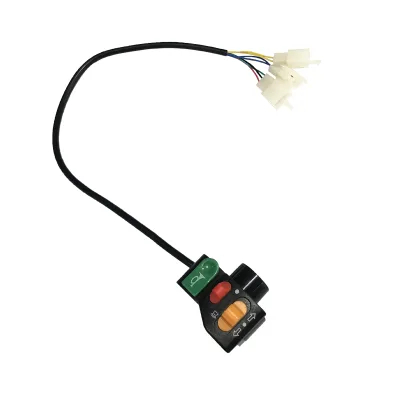
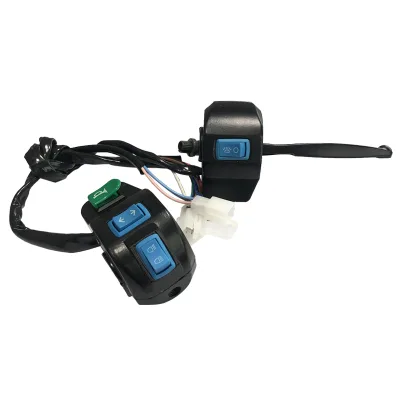
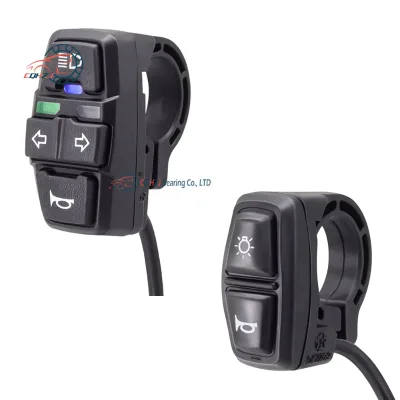
High Quality Electric Rickshaw Brake Handle Horn Headlight Switch for Motorcycle Tricycle
$1.0756 - $1.2402
MOQ: 500 pieces
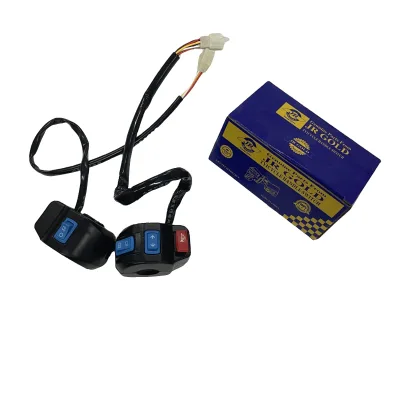
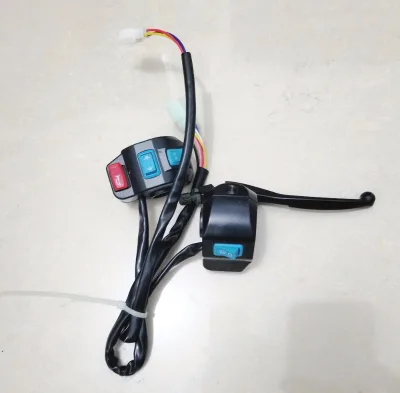
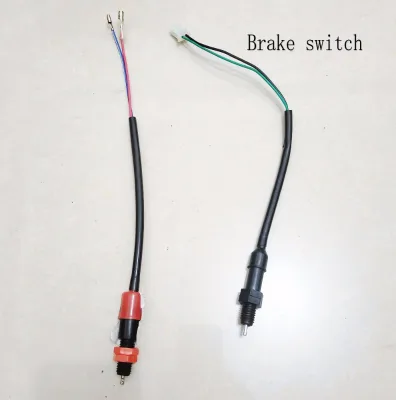

Waterproof Electric Tricycle Combination Switch Three-in-One Switch Part
$1.10 - $2.60
MOQ: 1000 Pieces

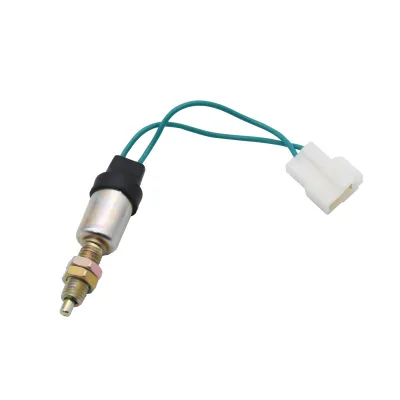
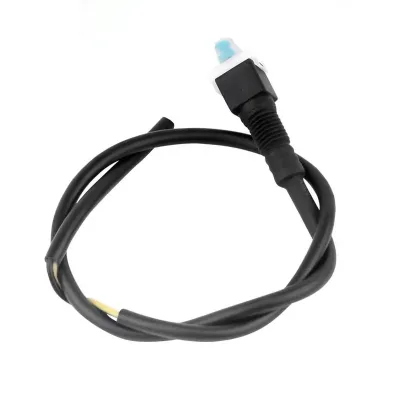
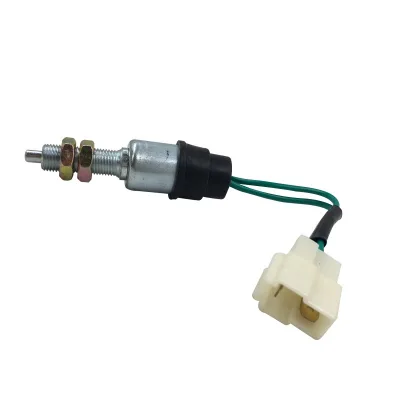
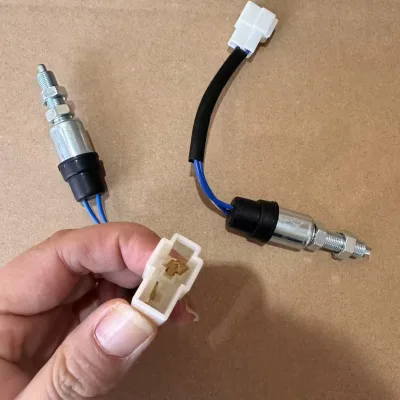



Comprehensive Sourcing Guide
Electric Tricycle Brake Switch Sourcing Guide
Procuring electric tricycle brake switches requires a disciplined approach to align component specifications with vehicle architecture. Buyers must first distinguish between simple power-off switches and complex braking system integrations, as the terminology often overlaps in supplier listings. The core function typically involves cutting power to the motor when brakes are applied, ensuring immediate safety stops. This guide focuses on verifying these critical electrical connections for three-wheeled electric vehicles, where reliability is paramount for both passenger safety and regulatory compliance.
Sourcing decisions should be driven by observed market signals rather than generic assumptions. Current listings indicate a wide variance in voltage ratings, from 48V to 72V, and diverse material compositions, including aluminum alloy and standard switch lines. Understanding these baseline differences allows procurement teams to filter suppliers effectively. By focusing on specific model numbers and brand names like LUKE or LEEK, buyers can trace component lineage and ensure compatibility with existing controller systems, reducing the risk of integration failures during assembly.
Product Scope and Observed Listing Signals
The market for electric tricycle brake switches presents a heterogeneous mix of products, ranging from universal ebike accessories to specialized components for auto rickshaws and closed-body vehicles. Observed listings reveal significant variation in physical attributes, such as curb weights between 200kg and 500kg for the vehicles they serve, and payload capacities exceeding 400kg. These signals suggest that the switch must withstand varying mechanical stresses depending on the vehicle class. Buyers should note that some products are marketed with high-quality claims, while others are listed as neutral-packed items, indicating a spectrum of manufacturing standards.
Voltage and power specifications are critical differentiators in this category. Suppliers offer switches compatible with 48V, 60V, and 72V systems, often paired with brushless motors and sine wave controllers. The observed power range for associated vehicles spans 501–800W, implying that the brake switch must handle corresponding electrical loads without degradation. Additionally, driving mileage expectations, ranging from under 30km to over 90km, influence the durability requirements of the switch. Procurement teams must match these electrical parameters precisely to avoid premature failure or incompatibility with the vehicle’s central controller.
Technical Specifications to Verify
Verifying technical specifications begins with confirming the model number and physical interface. Listings show model numbers such as 7657 or generic identifiers like "power off switch," which can lead to confusion. Buyers must ensure the switch type aligns with the vehicle’s brake system, whether it is a front drum and rear drum setup or a front disc and rear disc configuration. The grade ability, or incline performance, varies from ≤10° to 15-20°, indicating that the switch’s mechanical response must be tested against the specific terrain and load requirements of the target market.
Electrical compatibility is equally vital. The switch must operate seamlessly within the vehicle’s voltage range, typically 48V to 72V, and integrate with the controller’s sine wave control logic. Material composition, often aluminum alloy for durability, should be verified to ensure resistance to environmental factors like moisture and vibration. Furthermore, the switch’s weight, observed around 80g, and its packing method, such as neutral paper boxes, impact logistics and assembly efficiency. Buyers should request detailed wiring diagrams to confirm that the switch’s electrical characteristics match the vehicle’s power-off requirements precisely.
Compliance and Safety Documentation
Safety documentation is non-negotiable for electric tricycle components, particularly those involved in braking systems. Buyers must request evidence of relevant certifications, such as EEC, which is observed in some listings, to ensure the product meets international safety standards. While standards like ISO 4210, EN 15194, and UL 2849 are referenced in broader contexts, buyers should verify if the specific switch model has been tested against these or equivalent regional regulations. Compliance ensures that the vehicle can be legally sold and operated in target markets, avoiding costly recalls or legal liabilities.
Warranty and quality assurance policies provide additional layers of protection. Observed warranty periods of six months indicate a baseline expectation for product reliability. Buyers should inquire about the supplier’s quality control processes, including testing protocols for electrical continuity and mechanical durability. Documentation should also cover the switch’s performance under extreme conditions, such as high humidity or temperature fluctuations. By securing comprehensive safety and compliance records, procurement teams can mitigate risks associated with component failure and ensure that the final vehicle meets all regulatory requirements for passenger safety.
Cost Drivers and Commercial Terms
Cost drivers for electric tricycle brake switches include material quality, voltage complexity, and order volume. The observed price range of $0.03 to $3.95 USD reflects significant variation based on these factors. Higher-priced items often feature durable materials like aluminum alloy and come with established brand names, offering better long-term reliability. Conversely, lower-cost options may be generic or have shorter warranty periods. Buyers should analyze the total cost of ownership, considering potential replacement costs and downtime, rather than focusing solely on the unit price.
Commercial terms, such as minimum order quantities (MOQ) and lead times, also influence procurement strategy. MOQs range from 5 to 5000 units, allowing flexibility for both small-scale trials and large-volume production. Buyers should negotiate terms that align with their production schedules and inventory management capabilities. Additionally, payment terms and shipping costs should be clarified upfront. Understanding these commercial dynamics helps buyers optimize their supply chain, ensuring timely delivery of components while maintaining cost efficiency and quality standards throughout the procurement process.
Supplier Qualification and Quality Control
Supplier qualification is the first step in mitigating procurement risks. Buyers should verify the supplier’s place of origin, with observations pointing to regions like Hebei and Jiangxi in China, known for manufacturing expertise. Assessing the supplier’s production capacity, quality management systems, and past performance is essential. Requesting samples for rigorous testing allows buyers to evaluate the switch’s fit, finish, and electrical performance before committing to larger orders. This due diligence helps identify reliable partners who can consistently meet quality and delivery expectations.
Quality control measures should be integrated into the procurement process. Buyers should establish clear acceptance criteria for the brake switches, including visual inspections, electrical testing, and durability assessments. Implementing a robust inspection protocol, such as pre-shipment inspections, ensures that only compliant products enter the supply chain. Additionally, maintaining open communication with suppliers regarding any quality issues facilitates continuous improvement. By prioritizing supplier qualification and rigorous quality control, buyers can build a resilient supply chain that supports the production of safe and reliable electric tricycles.
Long-Term Procurement Checks
Long-term procurement success depends on continuous monitoring and relationship management. Buyers should regularly review supplier performance metrics, including on-time delivery rates, defect rates, and responsiveness to issues. Establishing key performance indicators (KPIs) helps track these metrics objectively and identify areas for improvement. Regular audits and feedback sessions with suppliers foster a collaborative environment, encouraging innovation and quality enhancements. This proactive approach ensures that the supply chain remains agile and responsive to changing market demands and regulatory requirements.
Adapting to technological advancements is crucial for long-term competitiveness. As electric tricycle designs evolve, brake switch specifications may need to be updated to accommodate new voltage levels, control systems, or safety features. Buyers should stay informed about industry trends and engage with suppliers to explore new product offerings. Additionally, diversifying the supplier base can mitigate risks associated with single-source dependencies. By maintaining a strategic focus on quality, innovation, and supplier relationships, buyers can secure a sustainable supply of electric tricycle brake switches that support their business growth and customer satisfaction.
FAQs
What voltage options are available for electric tricycle brake switches?
Electric tricycle brake switches are available in 48V, 60V, and 72V configurations to match various vehicle electrical systems. These components ensure proper power cutoff during braking. Selecting the correct voltage is essential for compatibility with your specific tricycle model and controller setup.
Which certifications are commonly associated with these brake switches?
Many electric tricycle brake switches carry EEC certification, indicating compliance with specific regional safety standards. This certification helps ensure the product meets regulatory requirements for electric vehicles. Buyers should verify certification documents with suppliers to confirm validity for their target market before placing orders.
Can these switches be used for different electric tricycle models?
Yes, many brake switches are designed as universal accessories compatible with electric tricycles, auto rickshaws, and easy bikes. Their adaptable design allows integration into various vehicle types. However, buyers must verify physical dimensions and electrical connections to ensure proper fitment for their specific application.
What is the typical minimum order quantity for these parts?
The minimum order quantity typically ranges from 5 to 5000 units, depending on the supplier and product specifications. Some vendors offer low MOQs for sample testing, while others require larger volumes for production runs. Buyers should confirm MOQ requirements directly with manufacturers to align with their procurement needs.
How long is the warranty period for these brake switches?
The standard warranty period for these brake switches is usually six months. This coverage protects against manufacturing defects and ensures product reliability during initial use. Buyers should retain purchase records and follow installation guidelines to maintain warranty validity and secure support from the supplier if issues arise.
What material is used to construct these brake switches?
These brake switches are commonly constructed from aluminum alloy, providing durability and resistance to corrosion. The material choice ensures long-term performance in various environmental conditions. Some variants may include black plastic components for housing. Buyers should check specific product listings for detailed material composition and weight specifications.