Source Energy Saving Mini Bar Fridge for Hotels, Offices, and Dorms
Compare 30 Energy Saving Mini Bar Fridge options from verified suppliers. Buyers can evaluate specifications like capacity, power source, and certifications to find suitable units for hotels, offices, and dormitories.
Key considerations
Products List


48L Retro Style Mini Refrigerator Custom Single Door Mini Bar Fridge
$105.00 - $110.00
MOQ: 100 Pieces

Professional Manufacturer Mini Bar Vintage Retro Fridge Mini Bar Refrigerator
$155.00 - $160.00
MOQ: 100 Pieces


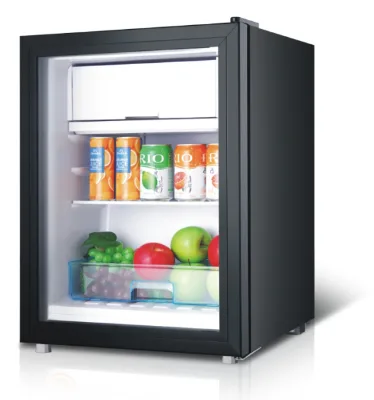

Commercial 225L Mini Beer Bar Display Cooler Energy Drink Small Fridge for Supermarket
$650.00 - $750.00
MOQ: 144 Pieces

Comprehensive Sourcing Guide
Energy Saving Mini Bar Fridge Sourcing Guide
Procuring an energy-saving mini bar fridge requires a strategic approach that balances compact design with thermal efficiency, particularly for hospitality environments where units operate continuously. The market offers a diverse range of models, from single-temperature portable units to larger capacity bars designed for hotel rooms, each presenting unique integration challenges. Buyers must navigate a landscape where power sources vary between gas and electricity, necessitating a clear definition of the installation site's utility infrastructure before selecting a specific model.
The decision-making process hinges on verifying that the observed product attributes align with the intended operational environment. While some units feature auto-defrost capabilities to reduce maintenance, others rely on manual defrosting, which impacts long-term labor costs. Understanding the distinction between these operational modes, alongside the specific volume requirements ranging from 20 to 200 liters, ensures that the selected unit meets both space constraints and cooling performance expectations without unnecessary energy waste.
Product Scope and Observed Listing Signals
The current market inventory for energy-saving mini bar fridges demonstrates a wide spectrum of physical configurations, with observed total volumes ranging from compact 24-liter units to larger 90-liter models suitable for extended storage needs. Listings indicate that these units are frequently categorized as "Compact" or "Hotel Mini Bar" types, featuring single-door designs that optimize floor space while maintaining adequate cooling capacity. The physical dimensions observed in the data, such as a 402mm width or a 450mm depth, suggest that buyers should prioritize precise measurement of the installation cavity to ensure a seamless fit within cabinetry or wall niches.
Power source variability is a critical signal in product listings, with some units designed for gas operation while others rely exclusively on electricity. This divergence requires buyers to confirm the specific power requirements of their facility, as a gas-powered unit may be unsuitable for locations without gas lines, while electric models must match the local voltage standards, such as 220V or 110V systems. Additionally, the presence of customization options and various color finishes like white or black allows for aesthetic integration, but the core energy-saving potential is often tied to the specific climate type and insulation materials used in the construction.
Technical Specifications to Verify
When evaluating technical specifications, the thermostat type and control mechanism are paramount for ensuring consistent temperature regulation and energy efficiency. Buyers should verify whether the unit utilizes an electric or gas thermostat, as this directly influences the control logic and energy consumption profile. The control interface, often rear-mounted in compact models, must be accessible for adjustments without requiring the removal of the unit from its enclosure. Furthermore, the defrost type, whether auto or manual, dictates the maintenance schedule and the unit's ability to maintain optimal cooling performance over time without excessive energy spikes.
Material composition and weight are essential indicators of build quality and thermal retention capabilities. Stainless steel construction is observed in several listings, offering durability and resistance to corrosion, while plastic components may be used for internal shelving or exterior panels to reduce weight. The net and gross weights, ranging from approximately 11.5 kg to 20 kg depending on the model, provide insight into the density of the insulation and the robustness of the compressor system. Buyers must cross-reference these weight metrics with the unit's dimensions to ensure that the cooling capacity, such as the 42-liter or 90-liter volumes, is supported by a sufficiently heavy-duty cooling system.
Compliance and Safety Documentation
Safety and regulatory compliance are non-negotiable aspects of sourcing mini bar fridges, particularly for commercial applications in hotels and hospitality venues. The observed product data highlights certifications such as CE, ETL, and SAA, which indicate adherence to specific regional safety and electromagnetic compatibility standards. Buyers must ensure that the supplier provides valid certification documentation that matches the destination market, as a unit certified for one region may not be legally compliant in another. The presence of ROHS certification further suggests that the product meets restrictions on hazardous substances, which is increasingly important for environmental compliance and waste disposal regulations.
Beyond basic safety certifications, the electrical specifications must align with the local grid infrastructure to prevent operational failures or safety hazards. The voltage ranges observed, such as 220-240V or 100-120V, and frequency requirements of 50-60Hz, must be explicitly confirmed against the facility's power supply. Failure to match these parameters can lead to equipment damage or voided warranties. Additionally, the climate type designation, such as "N" for normal climate conditions, serves as a critical indicator of the unit's operational limits, ensuring it can function efficiently within the ambient temperature range of the intended installation site.
Cost Drivers and Commercial Terms
The pricing structure for energy-saving mini bar fridges is influenced by a combination of capacity, material quality, and certification complexity. Observed price ranges in the market span from approximately $48 to $1,000, reflecting the significant variance between basic portable units and high-end, fully featured hotel bars. The cost is often driven by the inclusion of advanced features like auto-defrost systems, stainless steel exteriors, and multi-voltage compatibility, which add to the manufacturing and testing expenses. Buyers should analyze the price-to-capacity ratio to determine the most cost-effective solution for their specific volume requirements.
Minimum Order Quantities (MOQ) and lead times are significant commercial factors that impact the total cost of ownership and inventory planning. The observed MOQ range of 1 to 375 units suggests flexibility for small-scale procurement but may require bulk ordering to achieve optimal pricing tiers. Packaging standards, typically described as standard carton packaging, must be verified to ensure that the units arrive without damage, as the weight and dimensions of these appliances make them susceptible to shipping impacts. Buyers should negotiate clear terms regarding packaging reinforcement and insurance to mitigate the risk of transit damage, which can significantly increase the effective cost per unit.
Supplier Qualification and Quality Control
Supplier qualification for mini bar fridges requires a rigorous assessment of their manufacturing capabilities and quality assurance processes. Given that the products originate from China, buyers should verify the supplier's ability to maintain consistent production standards across different batches. The presence of multiple certifications like CE, ETL, and SAA indicates a supplier's commitment to meeting international standards, but buyers must request recent test reports to confirm that these certifications are current and applicable to the specific models being ordered. This due diligence helps prevent the receipt of non-compliant or substandard units that could fail during operation.
Quality control measures should extend beyond the initial inspection to include pre-shipment testing and packaging verification. Buyers should insist on a quality control protocol that includes functional testing of the cooling system, thermostat accuracy, and defrost cycles before the units are packed. The observation of specific packing dimensions, such as 450x480x630mm, highlights the need for suppliers to adhere to strict packaging guidelines to prevent damage during transit. Establishing a clear communication channel for quality issues and defining acceptable defect rates in the purchase agreement ensures that any deviations from the expected product specifications are addressed promptly.
Long-Term Procurement Checks
Sourcing an energy-saving mini bar fridge is not a one-time transaction but an ongoing relationship that requires regular performance monitoring and maintenance planning. Buyers should establish a schedule for periodic inspections to verify that the units continue to meet energy efficiency standards and that the cooling performance has not degraded over time. The difference between auto and manual defrost systems should be factored into the long-term maintenance budget, as manual units will require more frequent labor intervention to prevent ice buildup and maintain efficiency.
Future-proofing the procurement strategy involves staying informed about evolving energy standards and technological advancements in refrigeration. As regulations tighten and energy costs fluctuate, the initial selection of a unit with a high energy class, such as Class A, becomes increasingly valuable for reducing operational expenses. Buyers should also consider the availability of spare parts and the supplier's support infrastructure to ensure that any necessary repairs or replacements can be handled efficiently. This proactive approach to long-term management ensures that the investment in energy-saving mini bar fridges delivers sustained value and reliability throughout the product's lifecycle.
FAQs
What is the total volume capacity of the DSG-40b1 model?
The DSG-40b1 model offers a total volume of 42 liters. This compact size fits well in small spaces while providing adequate storage. It features a single door and auto defrost functionality. The unit measures 402 by 450 by 560 millimeters. It is available in white or black colors for versatile integration.
Can the mini bar fridge be customized for specific needs?
Yes, customization is available for these units. Buyers can request specific modifications to meet unique requirements. The product supports both gas and electricity power sources. This flexibility allows for adaptation to different operational environments. Custom options help tailor the fridge to specific hotel or residential settings.
Which certifications do these energy saving mini bar fridges hold?
These units hold CE, ETL, SAA, and ROHS certifications. These standards ensure compliance with international safety and environmental regulations. The certifications provide assurance of quality and reliability for global buyers. This documentation is essential for importing into regulated markets. Buyers can verify these credentials before placing orders.
How much does the BCH-21 model weigh when packed?
The BCH-21 model has a gross weight of 12.5 kilograms. The net weight is approximately 11.05 kilograms. This lightweight design facilitates easier handling and installation. The packing dimensions are 480 by 450 by 420 millimeters. Standard carton packaging is used for safe transportation.
What voltage options are supported by the hotel mini bar?
The hotel mini bar supports 220V at 50Hz and 110V at 60Hz. This dual voltage capability ensures compatibility with various global power grids. The unit consumes 65 watts of power. This efficient energy usage helps reduce operational costs. Buyers can select the appropriate voltage for their specific location.
What is the minimum order quantity for these compact fridges?
The minimum order quantity ranges from 1 to 375 units. This flexible MOQ allows buyers to test the market with small orders. Larger quantities may be available for bulk procurement needs. The price range for these units is between 48 and 1000 USD. Buyers can negotiate terms based on their specific volume requirements.