Source Fresh Cold Beer Dispenser for Restaurants, Hotels, and Weddings
Find 30 Fresh Cold Beer Dispenser units from verified Chinese manufacturers. Compare models like JH-ZP01 and DSL-186BXU with capacities ranging from 50L to 200L, featuring CE and UL certifications for commercial catering and banquet use.
Key considerations
Products List
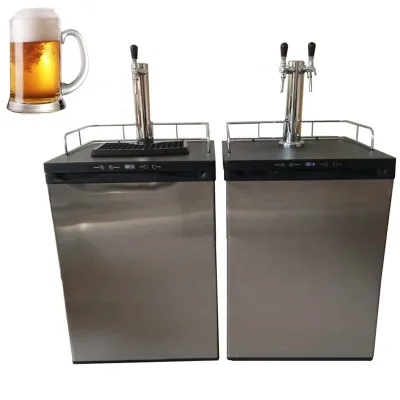
Well Designed Chamber Draft Beer Dispenser
$462.75 - $565.59
MOQ: 1 sets
Henan Jiahuang Mechanical And Electrical Equipment Co., Ltd.
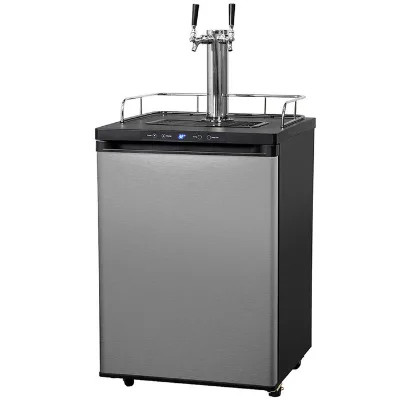
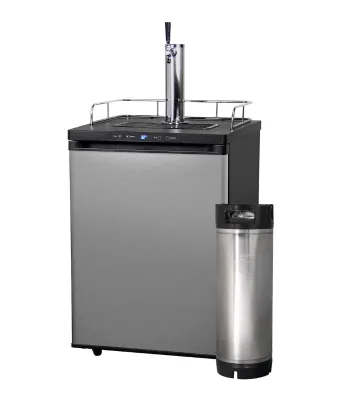
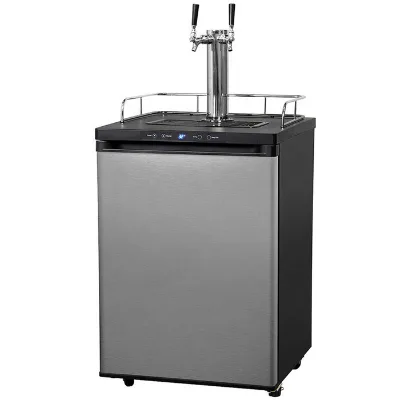
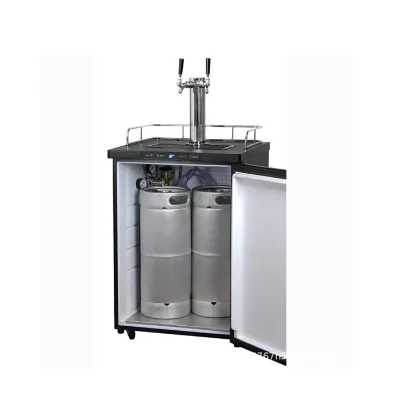
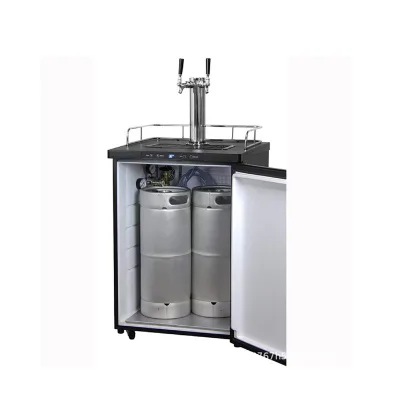


Popular Product Stainless Steel Door Beer Cooler Storage Beer Dispenser
$260.00 - $320.00
MOQ: 132 units


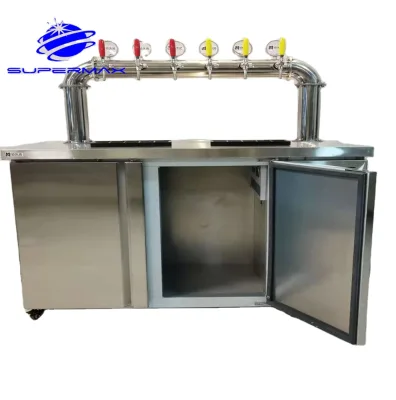


Factory Supplied Beer Tap Dispenser / Beer Fridge Dispenser with Fast Cooling Speed
$420.00 - $1150.00
MOQ: 1 Pieces

Comprehensive Sourcing Guide
Fresh Cold Beer Dispenser Sourcing Guide
Sourcing a Fresh Cold Beer Dispenser requires a nuanced understanding of both mechanical refrigeration systems and beverage preservation technology. These units are not merely storage appliances; they are active systems designed to maintain precise temperature ranges that ensure carbonation stability and flavor integrity. For procurement professionals, the primary challenge lies in distinguishing between simple beverage coolers and true draft beer dispensing systems that integrate keg storage, cooling coils, and gas regulation. The market offers a wide spectrum of solutions, ranging from compact under-counter units suitable for small bars to large-capacity commercial dispensers designed for high-volume banquet halls and hotel ballrooms. Understanding this distinction is critical before initiating supplier outreach, as the operational requirements for a single-tap home setup differ vastly from those of a multi-tap commercial installation.
The procurement landscape for these devices is characterized by significant variability in design philosophy and component quality. Buyers often encounter listings that use generic terminology, such as "beer kegerator" or "beer keg dispenser coolers," which may obscure the actual technical capabilities of the unit. It is essential to look beyond marketing labels and focus on the core mechanical specifications, such as compressor type, insulation quality, and thermostat accuracy. Furthermore, the intended usage environment—whether it be a catering event, a permanent restaurant installation, or a hotel suite—dictates the necessary durability and aesthetic finish. A unit designed for temporary banquet use may prioritize lightweight construction and portability, whereas a permanent restaurant fixture must emphasize long-term reliability, ease of cleaning, and resistance to heavy daily use.
Product Scope and Observed Listing Signals
Current market listings reveal a diverse array of product configurations, with observed price points ranging from approximately $12 to $1,150 USD. This wide variance suggests that the category encompasses everything from basic plastic-cooled containers to sophisticated stainless steel commercial units with advanced digital controls. The minimum order quantities (MOQ) observed range from 1 to 2,000 units, indicating that suppliers cater to both individual boutique buyers and large-scale distributors. Procurement teams must carefully align their volume requirements with supplier capabilities, as high-MOQ suppliers may offer better unit economics but lack the flexibility for small-batch customizations. Conversely, suppliers with low MOQs might charge a premium for customization services, such as logo printing or specific color finishes, which are frequently requested for branded hospitality environments.
The physical attributes of these dispensers vary significantly, with capacities observed from 50 liters to over 200 liters, and weights ranging from 42 kg to 48 kg for specific models. Materials also differ, with some units constructed from durable plastic for economy ranges, while others utilize stainless steel for a more luxurious and hygienic finish. Color options typically include silver, aligning with modern commercial kitchen aesthetics. Buyers should note that "single-temperature" units are common, which limits their versatility to storing only beer, whereas more advanced models might offer dual-zone capabilities. The installation type is predominantly free-standing, which simplifies logistics and placement but requires adequate floor space and ventilation clearance. Understanding these physical constraints is vital for space planning in tight commercial kitchens or small bar areas.
Technical Specifications to Verify
When evaluating technical specifications, the model number and capacity are the primary identifiers, yet they often require deeper verification. For instance, models like JH-ZP01 or DSL-186BXU may share similar external dimensions but differ internally in compressor efficiency or cooling distribution. Buyers must verify the actual cooling capacity against the stated volume, as a 50-liter unit may struggle to maintain temperature if frequently opened or if ambient temperatures are high. The power source is universally electricity, but the voltage and frequency requirements must match the local grid standards of the destination country. Additionally, the temperature control mechanism, whether mechanical or computer thermostat, significantly impacts precision. A computer thermostat offers finer control, which is crucial for preserving delicate beer flavors, whereas mechanical thermostats may have wider fluctuation ranges.
The construction materials and door configurations also play a critical role in performance and maintenance. Stainless steel interiors are preferred for their ease of cleaning and resistance to corrosion, while plastic components may be more susceptible to staining or odor retention. The door type, typically single-door for compact models, must be inspected for seal integrity to prevent cold air loss. Packing dimensions and weights are essential for calculating freight costs and handling requirements; for example, a unit with a gross weight of 46 kg and specific packing dimensions will have different logistics implications than a lighter, bulkier alternative. Buyers should also inquire about the machinery test reports provided by suppliers, as these documents offer objective data on the unit’s performance under stress, ensuring that the cooling system meets the claimed capacity standards.
Compliance and Safety Documentation
Compliance with regional safety and environmental standards is non-negotiable for commercial beer dispensers. Certifications such as CE, RoHS, CB, and EMC are frequently cited, indicating adherence to European safety, electromagnetic compatibility, and hazardous substance restrictions. For markets in North America, UL and CB certifications are critical for insurance and regulatory approval. Buyers must verify that the provided certificates are valid and issued by recognized testing bodies, as counterfeit documentation is a risk in global trade. The presence of a machinery test report further validates that the unit has undergone rigorous safety checks, including electrical insulation and leakage current tests. These documents are not merely administrative hurdles but are essential for ensuring the long-term safety of staff and customers in high-traffic hospitality environments.
In addition to electrical safety, environmental compliance regarding refrigerants is increasingly important. While specific refrigerant types are not always detailed in basic listings, buyers should proactively ask about the type of coolant used and its compliance with local environmental regulations. The warranty terms, typically offering one year or 12 months of coverage, provide a baseline for supplier confidence in product durability. However, buyers should clarify what the warranty covers, particularly regarding compressor failures or cooling performance degradation. Understanding the scope of the warranty and the process for claiming it is vital for managing long-term operational costs. Suppliers that provide comprehensive documentation and clear warranty terms are generally more reliable partners for long-term procurement relationships.
Cost Drivers and Commercial Terms
The cost of a Fresh Cold Beer Dispenser is influenced by several key factors, including material quality, technological complexity, and customization options. Stainless steel models with computer thermostats and advanced insulation will command higher prices than plastic-based economy units. Customization, such as logo printing or specific color finishes, adds to the unit cost but can be valuable for brand consistency in hospitality settings. Buyers should also consider the packaging method, with carton packing being standard, but reinforced packaging may be necessary for international shipping to prevent damage. The volume of the order significantly impacts the unit price, with larger quantities often attracting discounts. However, buyers must balance cost savings with the risk of holding excess inventory, especially for customized items that may not be easily resold.
Freight and logistics costs are a major component of the total landed cost, particularly for heavy units with substantial packing dimensions. The number of units that can fit into a 20-foot or 40-foot container, such as 54 pieces in a 20GP or 108 in a 40HQ, directly affects shipping efficiency. Buyers should work with suppliers to optimize container loading, ensuring that the packing dimensions allow for maximum utilization without compromising safety. Payment terms and lead times are also critical commercial considerations. Suppliers with established production lines may offer faster lead times, while those requiring custom tooling may need longer preparation periods. Clear communication regarding these terms helps in planning inventory replenishment and avoiding stockouts during peak hospitality seasons.
Supplier Qualification and Quality Control
Supplier qualification is a critical step in mitigating procurement risk. Buyers should verify the supplier’s place of origin, with regions like Henan and Guangdong in China being common manufacturing hubs for these units. While the location itself does not guarantee quality, it provides context for the supplier’s supply chain and logistical capabilities. Requesting a machinery test report is a practical way to assess quality control processes, as it demonstrates that the supplier conducts functional testing before shipment. Buyers should also inquire about the supplier’s experience with similar clients, particularly in the catering, restaurant, or hotel sectors, to gauge their understanding of industry-specific requirements. A supplier with a track record in these sectors is more likely to deliver products that meet the durability and performance expectations of commercial users.
Quality control should not end at the point of purchase. Buyers should establish clear acceptance criteria based on the product specifications, including temperature stability, material integrity, and cosmetic finish. Implementing a pre-shipment inspection protocol can help identify defects before the goods leave the factory, reducing the risk of receiving non-conforming products. For customized orders, verifying the accuracy of logos and colors is essential to maintain brand standards. Building a relationship with the supplier based on transparent communication and mutual expectations fosters long-term cooperation. Regular feedback on product performance and any issues encountered can help suppliers improve their manufacturing processes, leading to better quality and reliability in future orders.
Long-Term Procurement Checks
Long-term procurement success depends on continuous monitoring of product performance and supplier reliability. Buyers should track warranty claims and repair frequencies to assess the true durability of the units. A high rate of early failures may indicate underlying quality issues that are not apparent during initial inspection. Additionally, monitoring the availability of spare parts, such as compressors or thermostats, is crucial for minimizing downtime in commercial operations. Suppliers that offer comprehensive after-sales support and readily available parts are more valuable partners for long-term procurement. Buyers should also stay informed about changes in regulatory standards, particularly regarding refrigerants and energy efficiency, to ensure that future purchases remain compliant.
Market trends and technological advancements in beer dispensing equipment should also be considered. As consumer preferences evolve, there may be a growing demand for energy-efficient models or units with smart connectivity features. Buyers who proactively engage with suppliers about these trends can position themselves to adopt new technologies early, gaining a competitive advantage. Regularly reviewing supplier performance metrics, such as on-time delivery rates and product quality consistency, helps in making informed decisions about continuing or diversifying the supplier base. By maintaining a strategic approach to procurement, buyers can ensure that their fresh cold beer dispensers continue to meet operational needs and customer expectations over time.
FAQs
What is the warranty period for the beer kegerator?
The warranty period is 1 Year or 12 Months for the listed units. This coverage applies to the core components and ensures operational reliability for catering and restaurant applications.
Which certifications do the beer dispensers hold?
The products hold CE, EU, RoHS, CB, EMC, and UL certifications. These standards confirm compliance with safety and electromagnetic requirements for international markets and commercial use.
How is the temperature controlled in the dispenser?
Temperature control is managed via a computer thermostat for precise regulation. This system maintains consistent cooling for single-temperature beverage centers without manual adjustment.
Can the beer kegerator be customized with a logo?
Yes, customization is available including logo printing on the unit. This option allows businesses to brand their equipment for hotels, weddings, and banquet events.
What is the capacity range of the available models?
The capacity ranges from 50L to 200L depending on the specific model. Units like the JH-ZP01 offer 50L capacity while others support up to 200L for larger venues.
Where are the beer kegerators manufactured?
The products originate from Henan and Guangdong provinces in China. This location ensures access to established manufacturing facilities for fermenting equipment and beverage dispensers.