Source Portable Automatic Electric Ice Maker for Household, Commercial, Industrial
Explore 30 listings for the Portable Automatic Electric Ice Maker suitable for household, commercial, and industrial settings. Buyers can compare models like FZB-12Y9A and JY-120F, reviewing features such as air or water cooling, stainless steel construction, and daily capacities ranging from 40kg to 159kg.
Key considerations
Products List


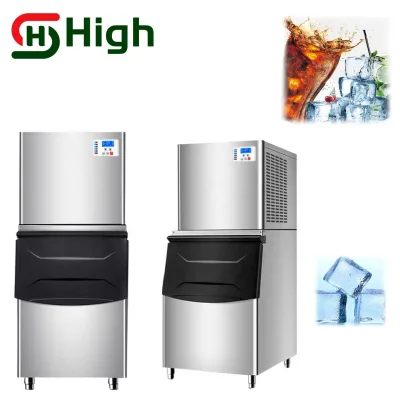

China Top Hot Sale OEM Ice Making Machine Ice Cube Maker Portable Ice Maker Machine
$360.00 - $1700.00
MOQ: 1 Pieces

Hot Sell 200kg Small Capacity Automatic Ice Machine Ice Making Machine Ice Maker
$900.00 - $1050.00
MOQ: 1 Pieces


Comprehensive Sourcing Guide
Portable Automatic Electric Ice Maker Sourcing Guide
Sourcing a Portable Automatic Electric Ice Maker requires careful evaluation of cooling mechanisms and structural design to ensure reliable performance in varied environments. Buyers must distinguish between air-cooled and water-cooled systems, as the choice directly impacts installation complexity and energy efficiency. Air-cooled units, often featuring integral structures, are generally easier to deploy in commercial settings without extensive plumbing infrastructure. Conversely, water-cooled models may offer faster ice production but demand consistent water supply and drainage solutions. Understanding these mechanical differences is the first step in aligning the equipment with your specific operational constraints and facility capabilities.
The market offers a diverse range of models, from small household units to high-capacity commercial machines, each with distinct daily production capabilities. Observed listings indicate daily capacities ranging from 40kg to 159kg, catering to different scales of operation. It is crucial to verify the actual ice shape and temperature output, as these factors influence storage requirements and usage suitability. Automatic cleaning devices and filtering systems are increasingly common features that reduce maintenance burdens, making them valuable considerations for long-term operational efficiency. Procurement teams should prioritize models that balance production speed with ease of maintenance to minimize downtime.
Product Scope and Observed Listing Signals
The current market landscape for portable automatic electric ice makers reveals a wide spectrum of product specifications and packaging standards. Listings frequently highlight features such as automatic control systems and electric operation, which streamline the ice-making process for users. Packaging varies significantly, with options including corrugated boxes, carton boxes, and wooden crates, reflecting the need for robust protection during transit. Buyers should pay close attention to the stated dimensions and weight, as these affect shipping costs and warehouse storage requirements. The presence of customization options suggests that suppliers may accommodate specific branding or functional modifications, which can be advantageous for commercial branding strategies.
Observed product models and standards provide insight into the technical diversity available to buyers. Models such as FZB-12Y9A, HZB-12H, and JY-120F represent different design approaches, with varying dimensions and structural configurations. Some units are described as having small machine sizes, suitable for compact spaces, while others are designed for larger commercial applications. The standard dimensions listed, such as 222294290mm or 560x830x1550mm, help buyers assess spatial fit. It is essential to cross-reference these specifications with actual product datasheets to ensure accuracy, as listed dimensions may sometimes refer to packaging rather than the unit itself.
Technical Specifications to Verify
When evaluating technical specifications, the cooling method is a primary determinant of performance and suitability. Buyers must confirm whether the unit utilizes air cooling or water cooling, as this affects both installation requirements and operational costs. Air-cooled systems are generally more versatile for portable applications, while water-cooled systems may offer superior efficiency in fixed installations. Additionally, the power consumption, typically ranging from 200W to 400W for many models, should be assessed against your facility’s electrical capacity. Verifying the power rating ensures that the unit can operate safely without overloading circuits, particularly in environments with limited electrical infrastructure.
Ice production characteristics, including shape, temperature, and daily capacity, are critical for matching the machine to your operational needs. Cube ice is a common output, with temperatures often ranging from -5℃ to -10℃, ensuring durability and clarity. Daily capacities vary widely, with some units producing 60kg or 40kg per day, while others may reach 159kg. Buyers should verify these figures under standard operating conditions, as real-world performance can be influenced by ambient temperature and water quality. The presence of automatic cleaning devices and filtering systems also enhances reliability, reducing the frequency of manual maintenance and ensuring consistent ice quality over time.
Compliance and Safety Documentation
Compliance with international and regional safety standards is non-negotiable for commercial ice makers. Buyers should verify that the equipment holds relevant certifications, such as CE, CCC, RoHS, and ISO, which indicate adherence to electrical safety and environmental regulations. These certifications provide assurance that the product has undergone rigorous testing for electrical integrity and material safety. It is crucial to request valid certification documents from the supplier and validate their authenticity through the issuing bodies. Failure to ensure proper certification can lead to regulatory penalties and increased liability in the event of equipment failure or safety incidents.
In addition to product certifications, buyers should inquire about the warranty and after-sales service provisions. Most suppliers offer a one-year warranty, covering defects in materials and workmanship. Understanding the scope of this warranty, including what components are covered and the process for claiming repairs, is essential for risk management. Online support is commonly provided, but buyers should assess the responsiveness and technical expertise of the support team. Clear documentation of service procedures and spare parts availability ensures that any issues can be resolved promptly, minimizing operational disruption and maintaining business continuity.
Cost Drivers and Commercial Terms
The cost of a Portable Automatic Electric Ice Maker is influenced by several factors, including production capacity, cooling technology, and material quality. Stainless steel construction is often preferred for its durability and hygiene, but it may increase the unit’s price compared to plastic alternatives. Higher daily capacities and advanced features, such as automatic cleaning and filtering systems, also contribute to higher costs. Buyers should request detailed quotations that break down these components to understand the value proposition. Comparing prices across multiple suppliers, while ensuring that specifications are comparable, helps in identifying fair market rates and avoiding overpayment for unnecessary features.
Minimum order quantities (MOQ) and payment terms are significant commercial considerations that affect procurement strategy. Observed MOQs range from 1 to 1000 units, offering flexibility for both small businesses and large enterprises. Buyers should negotiate terms that align with their inventory management capabilities and cash flow constraints. Payment terms, such as deposits and balance payments upon shipment, should be clearly defined in the contract. Additionally, shipping costs and lead times can vary based on the supplier’s location and the chosen shipping method. Understanding these commercial terms helps in planning the total cost of ownership and ensuring a smooth procurement process.
Supplier Qualification and Quality Control
Supplier qualification is a critical step in mitigating procurement risks. Buyers should assess the supplier’s manufacturing capabilities, quality control processes, and track record in the industry. Factories located in regions like Zhejiang, China, often have established supply chains and expertise in producing ice makers. Verifying the supplier’s production capacity and quality assurance protocols ensures that they can meet your volume and quality requirements. Requesting factory audits or third-party inspection reports can provide additional confidence in the supplier’s reliability and consistency. A qualified supplier should demonstrate a commitment to quality through standardized production processes and rigorous testing procedures.
Quality control measures should be integrated into the procurement process to ensure product conformity. Buyers should specify acceptance criteria for key attributes, such as ice production rate, cooling efficiency, and material integrity. Pre-shipment inspections are recommended to verify that the products meet these specifications before they leave the factory. Clear communication of quality expectations and regular feedback loops with the supplier help maintain high standards. Additionally, establishing a process for handling non-conforming products, including returns or replacements, protects the buyer from receiving defective units. A robust quality control framework ensures that the purchased ice makers perform as expected in real-world applications.
Long-Term Procurement Checks
Long-term procurement success depends on continuous monitoring of supplier performance and product reliability. Buyers should establish key performance indicators (KPIs) to track metrics such as delivery times, product defect rates, and after-sales service responsiveness. Regular reviews of these metrics help identify potential issues early and facilitate corrective actions. Maintaining open communication with the supplier allows for collaborative problem-solving and continuous improvement. Additionally, staying informed about industry trends and technological advancements ensures that your procurement strategy remains competitive and aligned with evolving market demands.
Sustainability and energy efficiency are increasingly important considerations in long-term procurement. Buyers should evaluate the energy consumption of the ice makers and explore options for more efficient models. Energy-efficient units not only reduce operational costs but also contribute to environmental sustainability goals. Assessing the recyclability of materials and the supplier’s environmental practices can also enhance your brand’s reputation. By prioritizing sustainable procurement practices, buyers can create value beyond immediate cost savings, fostering long-term relationships with suppliers who share their commitment to responsible business practices.
FAQs
How much ice can a Portable Automatic Electric Ice Maker produce per day?
Daily output varies by model, with listed units ranging from around 40 kg to 159 kg per day, and some commercial units reaching 60 kg or more. Choose capacity based on your peak daily demand, then allow headroom of roughly 20 percent so the machine is not running at its limit during busy periods.
What cooling options are available for these cube ice machines?
Listed models come with either air-cooled or water-cooled condensing systems, and some machines support both air cooling and water cooling. Air-cooled units are easier to install where water access is limited, while water-cooled designs can suit hotter environments. Confirm the cooling way for the exact model you plan to order before purchasing.
Which certifications do the listed ice makers carry?
Certifications shown on the product pages include CE, CCC, RoHS, and ISO, though the specific certificates held depend on the individual model. Always request the actual certificate documents from the supplier for the model and production batch you intend to buy, since certification coverage can differ between variants of the same product family.
Can I order a customized Portable Automatic Electric Ice Maker?
Yes, customization is listed as available for these products. You can typically discuss requirements such as capacity, dimensions, packaging, or control options directly with suppliers before committing. Note that customized orders may involve different minimum order quantities and longer production lead times than standard stock models, so confirm these terms in writing early.
What materials and ice shapes do these machines use?
The cube ice making machines are listed with stainless steel construction, which supports hygiene and durability in commercial settings. The ice output is cube-shaped ice, produced at temperatures between minus 5 and minus 10 degrees Celsius. Integral unit structure keeps the ice maker compact, with some models sized small enough for household or light commercial use.
How are the ice makers packed and shipped?
Packing options shown for listed models include corrugated boxes, carton boxes, and wooden crates, with wood crating generally used for larger or heavier units. Confirm the packing method that applies to your chosen model and quantity, since packaging affects freight protection. Also verify whether the listed dimensions include the packing box or refer to the bare machine.
What after-sales support is provided after purchase?
The listed products state that online support is provided as after-sales service, and warranty service within one year is also noted. This means troubleshooting and guidance are handled remotely rather than through on-site visits. Before ordering, clarify exactly what the warranty covers, how replacement parts are supplied, and what documentation or videos the supplier can provide for installation.
Can one machine serve household, commercial, and industrial applications?
The listed application range covers household, commercial, and industrial use, so several models are designed to span these settings. In practice, the right choice depends on daily capacity and machine size: small automatic units with lower output fit homes and cafes, while larger integral cube ice machines with higher daily output suit busy commercial or industrial operations.