Source Energy Saving Quartz Magnetic Separator for Mining, Cement, and Food
Compare 30 verified Energy Saving Quartz Magnetic Separator options featuring carbon steel and stainless steel builds. Buyers can evaluate specifications like magnetic field strength, voltage, and warranty terms from Henan-based manufacturers.
Key considerations
Products List


High-Performance Limonite Magnetic Separator for Superior Mineral Processing
$10000.00 - $50000.00
MOQ: 1 Pieces


High Magnetic Intensity Separator for Quartz Material Purification
$10000.00 - $20000.00
MOQ: 1 Pieces

High Magnetic Intensity Iron Remove Separator for Quartz Material Purification
$10000.00 - $20000.00
MOQ: 1 Pieces


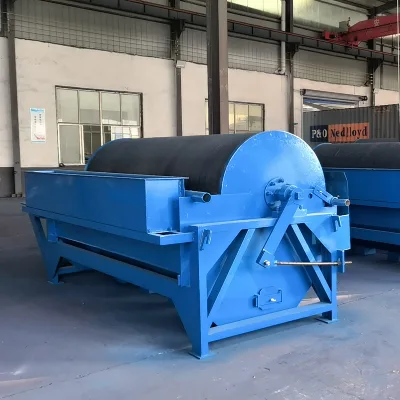


Zircon Monazite Zircon Monazite Ore Processing Magnetic Separator Machine
$5000.00 - $20000.00
MOQ: 1 Pieces


Three-Disk Electromagnetic Separator Zircon Sand Dry Magnetic Separator
$8900.00 - $13600.00
MOQ: 1 Sets
Comprehensive Sourcing Guide
Strategic Sourcing Guide for Energy Saving Quartz Magnetic Separators
Understanding the Core Technology and Energy Efficiency
The procurement of an energy-saving quartz magnetic separator requires a deep understanding of the underlying separation mechanics and how they translate into operational efficiency. In the context of mineral processing, particularly for quartz, the primary objective is the removal of iron impurities to enhance the purity of the final product. The technology relies heavily on the magnetic field intensity generated by the separator, which is often driven by permanent magnetic materials such as NdFeB (Neodymium Iron Boron). This material choice is critical because permanent magnets eliminate the need for continuous electrical power to generate the magnetic field, thereby significantly reducing energy consumption compared to electromagnetic separators that require constant current.
When evaluating potential units, buyers must look for specific design features that contribute to energy savings. The working principle of these devices often involves a permanent magnetic separator configuration where the magnetic field is static. The efficiency of the separation process is directly linked to the cavity magnetic field strength. Observed specifications in the market indicate field strengths ranging from 0.45T to 0.6T for specific models, which are sufficient for many dry-type mineral powder processing applications. The energy-saving aspect is further realized through the drive power requirements. While some units may operate with a total power of 45kw for larger processing capacities, the core magnetic separation mechanism itself does not consume electricity. Instead, the energy draw is limited to the mechanical drive system that rotates the drum or moves the material.
The material composition of the separator also plays a pivotal role in its longevity and energy profile. Units constructed with stainless steel materials for the cylinder offer superior corrosion resistance, which is essential when processing quartz in various environmental conditions. This durability ensures that the separator maintains its performance characteristics over time without degradation that could lead to increased energy usage or maintenance downtime. Furthermore, the customization of the cylinder size allows buyers to tailor the equipment to their specific throughput needs, preventing the inefficiency of oversized machinery that consumes more power than necessary for the volume of material being processed.
Technical Specifications and Operational Parameters
Selecting the right technical specifications is paramount to ensuring the magnetic separator meets the specific demands of quartz processing. The physical dimensions and processing capacity are often the first variables to consider. Specifications such as the model number (e.g., 600*900 or HPD-300) provide a baseline for the unit's scale. However, buyers should verify that the processing capacity aligns with their production lines. Data indicates that some units are designed for a processing capacity of 0.5t to 0.8t, while others may have capacities that depend entirely on the specific type selected. It is crucial to match the input voltage and phase requirements to the facility's power infrastructure. Common input voltages include AC 380V 50Hz, Three-Phase Four-Wire, which is standard for industrial applications in many regions.
The magnetic field intensity is a critical performance metric. For effective quartz purification, the magnetic field must be strong enough to capture ferromagnetic impurities but not so intense that it causes unnecessary power draw or mechanical stress. The market offers customizable magnetic field intensities ranging from 1000 to 10000 GS (Gauss). This wide range allows for precise tuning based on the specific mineralogical composition of the quartz ore. Additionally, the coil height, observed at 380mm in certain configurations, influences the depth of the magnetic field and the residence time of the material within the separation zone.
Material features such as heat resistance and oil resistance are also significant technical considerations. Quartz processing often involves high temperatures or the presence of lubricants in the surrounding machinery. Selecting a separator with material features that are heat resistant and oil resistant ensures that the equipment can withstand these conditions without compromising the integrity of the magnetic elements or the structural components. The weight of the unit is another factor; observed weights range from less than 1 ton to 2 tons, which impacts the foundation requirements and the logistics of installation. Buyers must ensure that their facility's floor can support the specific weight of the chosen model, whether it is a lightweight unit or a heavy-duty 2-ton separator.
Compliance, Certification, and Safety Standards
Navigating the regulatory landscape is a non-negotiable aspect of B2B procurement. When sourcing an energy-saving quartz magnetic separator, verifying compliance with international and national standards is essential for ensuring safety, quality, and market acceptance. The most frequently observed certifications in the supply chain include CE and ISO9001. The CE mark indicates conformity with health, safety, and environmental protection standards for products sold within the European Economic Area, while ISO9001 certification demonstrates that the manufacturer adheres to a recognized quality management system. It is important to note that certification status can vary by specific product condition; for instance, some units are certified under the condition of being "New," which implies that the certification applies to the manufacturing process of new equipment rather than refurbished units.
Beyond general certifications, buyers should verify adherence to specific product standards. The supply data references "National standard" as a compliance benchmark for certain models. This suggests that the equipment meets the regulatory requirements of the country of origin, which is China. However, for international buyers, it is imperative to confirm that these national standards align with or exceed the safety and performance regulations of the buyer's local jurisdiction. The standard dimensions and specifications, such as the 216020804150mm footprint for certain units, should also be cross-referenced with the buyer's facility layout to ensure physical compliance and safe installation.
Safety is further reinforced through the warranty and spare parts availability. A warranty period of 1 to 2 years is common in the market, providing a buffer against manufacturing defects. Additionally, the availability of spare parts for the lifecycle of the machine is a critical compliance and operational safeguard. This ensures that the equipment can be maintained in accordance with safety standards throughout its operational life. Buyers should explicitly request documentation proving that the spare parts are compatible with the original specifications and that the manufacturer supports the product for its entire lifecycle. This documentation serves as proof of the manufacturer's commitment to long-term compliance and safety.
Cost Drivers and Pricing Dynamics
The pricing of energy-saving quartz magnetic separators is influenced by a complex interplay of factors, including material costs, customization levels, and technical specifications. The observed price range in the market is substantial, spanning from 500 to 400,000 USD. This wide variance is not arbitrary but reflects the differences in scale, complexity, and material quality. At the lower end of the spectrum, units may be smaller, non-customized, and constructed with standard carbon steel. These models typically have lower processing capacities and simpler drive systems, resulting in a more affordable price point. Conversely, the higher price points are associated with large-scale, customized units featuring stainless steel cylinders, advanced magnetic field intensities, and comprehensive warranty packages.
Material selection is a primary cost driver. Stainless steel is significantly more expensive than carbon steel due to the raw material costs and the more complex manufacturing processes required to achieve the desired corrosion resistance and durability. Units specified with stainless steel materials will inherently command a higher price. Similarly, the level of customization plays a major role. While some products are listed as "Non-Customized," others offer "Customized" options. Customization involves additional engineering, tooling, and production time, all of which contribute to the final cost. Buyers must weigh the benefits of a tailored solution against the budget constraints of their project.
The total power and drive power requirements also influence the cost. A unit with a total power of 45kw will generally be more expensive than a smaller unit with lower power consumption, as it requires more robust motors and electrical components. However, the energy-saving nature of the permanent magnetic design means that the operational cost savings over the lifecycle of the machine can offset the higher initial investment. Buyers should calculate the total cost of ownership (TCO) rather than focusing solely on the purchase price. This includes the initial cost, installation expenses, maintenance, and the long-term energy savings achieved by using a permanent magnetic separator instead of an electromagnetic alternative.
Typical Applications and Industry Use Cases
Energy-saving quartz magnetic separators are versatile tools employed across a diverse range of industries where the removal of iron impurities is critical. The primary application is in the mining sector, specifically for the separation of magnetic minerals from non-magnetic ores. In quartz processing, the goal is to produce high-purity silica sand for use in glass manufacturing, foundry applications, and semiconductor production. The magnetic separator effectively removes iron-bearing minerals that would otherwise compromise the quality of the final product. The working principle of the permanent magnetic separator makes it ideal for dry-type mineral powder processing, where moisture control is essential.
Beyond mining, these separators are utilized in the thermal power generation and cement industries. In thermal power plants, magnetic separators are used to remove tramp iron from coal and other fuels to protect turbines and other sensitive equipment. In the cement industry, they ensure the purity of raw materials and finished products, preventing damage to grinding mills and kilns. The food industry also benefits from these technologies, using magnetic separators to remove metal contaminants from grain, flour, and other food products to ensure consumer safety. The application industry list often includes "Thermal Power Generation, Cement, Mining, Food," highlighting the broad utility of these devices.
The specific type of separator chosen depends on the application. For instance, drum magnetic separators are commonly used for iron ore magnetic separation, while dry magnetic separators are preferred for mineral powder processing. The choice between these types is dictated by the physical state of the material being processed and the desired purity level. Buyers should evaluate their specific application requirements to determine whether a dry-type or wet-type separator is more appropriate. The processing capacity must also align with the application; for example, a unit with a capacity of 0.5t to 0.8t may be suitable for small-scale operations, while larger facilities may require units with higher capacities.
Supplier Evaluation and Quality Assurance
Evaluating suppliers for energy-saving quartz magnetic separators requires a rigorous approach to ensure that the purchased equipment meets the specified technical and quality standards. The first step is to verify the supplier's location and origin. Many units in the market originate from Henan, China, a region known for its manufacturing capabilities in mining and mineral processing equipment. However, the origin alone is not a guarantee of quality. Buyers must assess the supplier's track record, production capacity, and adherence to the claimed certifications. The presence of ISO9001 and CE certifications should be verified through official documentation, not just marketing claims.
Quality assurance is further ensured by examining the product's condition and packaging. Products listed as "New" with a warranty of 1 to 2 years indicate a commitment to quality. The packaging method, such as "Standard Container" or "Carbon Steel and Wooden Box," is also a reflection of the supplier's attention to detail. Proper packaging is essential for protecting the equipment during transit, especially for heavy units weighing up to 2 tons. Buyers should request photos or videos of the packaging process to ensure that the equipment will arrive in pristine condition.
The availability of spare parts is another critical factor in supplier evaluation. A supplier that offers spare parts for the lifecycle of the machine demonstrates a long-term commitment to customer support. This is particularly important for energy-saving separators, which may require periodic maintenance to ensure optimal performance. Buyers should inquire about the lead time for spare parts and the supplier's ability to provide technical support. Additionally, the supplier's ability to offer customization should be assessed. A supplier that can tailor the cylinder size, magnetic field intensity, and other specifications to the buyer's needs is more likely to provide a solution that fits the specific application requirements.
Long-Term Procurement and Lifecycle Management
Procuring an energy-saving quartz magnetic separator is not just a one-time transaction but the beginning of a long-term partnership. Buyers must consider the lifecycle management of the equipment to ensure sustained performance and cost-effectiveness. The warranty period, typically ranging from 1 to 2 years, provides an initial safety net, but the long-term value lies in the availability of spare parts and the durability of the materials. Units constructed with stainless steel and heat-resistant materials are designed to last, but regular maintenance is essential to prevent wear and tear.
The customization options available at the time of purchase can significantly impact the long-term usability of the separator. Customizing the cylinder size and magnetic field intensity ensures that the equipment remains relevant as the buyer's production needs evolve. Furthermore, the energy-saving design of the permanent magnetic separator means that the operational costs will remain low over the lifecycle of the machine. This is a key advantage over electromagnetic separators, which require continuous power input and higher maintenance costs.
Buyers should also consider the environmental impact of their procurement decisions. Energy-saving separators contribute to a reduction in carbon footprint by minimizing electricity consumption. This aligns with global sustainability goals and can enhance the buyer's corporate social responsibility profile. By selecting a supplier that adheres to national and international standards and provides comprehensive after-sales support, buyers can ensure that their investment in energy-saving technology yields long-term benefits. The total cost of ownership, including energy savings, reduced maintenance, and extended equipment life, should be the primary metric for evaluating the success of the procurement.
FAQs
How does the magnetic separator save energy during operation?
The device saves energy by using permanent NdFeB magnets that do not require continuous electricity to generate a magnetic field. This design limits power consumption to the mechanical drive system, which typically operates at 45kw or less depending on the model selected.
What certifications are available for new magnetic separator units?
New units commonly hold CE and ISO9001 certifications to ensure safety and quality management compliance. These certifications apply specifically to the manufacturing process of new equipment rather than refurbished models.
Which material features protect the separator in harsh environments?
Separators often feature heat resistant and oil resistant materials to withstand demanding processing conditions. Stainless steel cylinders provide superior corrosion resistance compared to standard carbon steel options for long-term durability.
Can the cylinder size and magnetic field be customized?
Yes, the cylinder size and magnetic field intensity ranging from 1000 to 10000 Gauss are fully customizable. Buyers can tailor these specifications to match specific throughput needs and mineralogical compositions of their quartz ore.
What is the typical warranty period for these magnetic separators?
Warranty periods typically range from one to two years depending on the specific model and supplier terms. This coverage protects against manufacturing defects and ensures operational reliability during the initial phase of use.
How is the processing capacity determined for different models?
Processing capacity varies by model, with some units designed for 0.5t to 0.8t per hour while others depend on the specific type selected. Buyers must match the unit's capacity to their production line requirements.
Where are these magnetic separators typically manufactured and shipped from?
Most units originate from Henan, China, and are shipped in standard containers or wooden boxes for sea transport. The standard dimensions and packaging ensure safe delivery while adhering to national standards.