Source Engine Kill Start Stop Switch for Motorcycles, ATVs, and Generators
Find 30 verified Engine Kill Start Stop Switch options from Zhejiang suppliers. Buyers can compare specifications, certifications, and prices for motorcycle and industrial applications to ensure reliable replacement parts; compare the available evidence and request quotations based on your requirements.
Key considerations
Products List
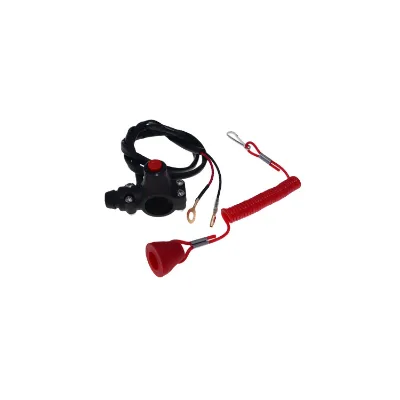


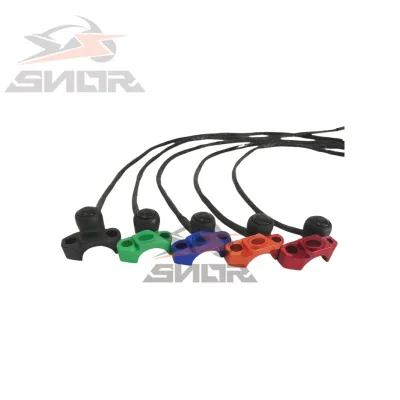


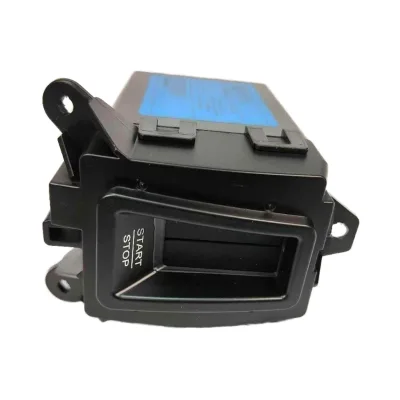

250A Dual Power Automatic Transfer Switch for Start Stop Diesel Generator
$150.00 - $2500.00
MOQ: 1 Pieces


Stop Switch Fit for Gx160 Gx390 Gas Engine
$0.30 - $0.50
MOQ: 1 Pieces
Ningbo Eastar Electromechanical Industrial Trading Co., Ltd.


Comprehensive Sourcing Guide
Engine Kill Start Stop Switch Sourcing Guide
Procuring engine kill start stop switches requires a disciplined approach to verifying technical compatibility and commercial terms. Buyers must treat product listings as initial observations rather than guaranteed specifications, especially when dealing with diverse component types like emergency stop mechanisms or pull cord variants. The primary goal is to ensure that the selected component integrates seamlessly with existing vehicle or machinery systems without compromising safety or operational reliability. This guide outlines the critical steps for evaluating suppliers, validating technical data, and securing favorable commercial terms.
Successful sourcing depends on aligning supplier capabilities with specific project requirements, including volume, customization needs, and delivery timelines. By focusing on verifiable data points such as material composition, electrical ratings, and certification status, procurement teams can mitigate risks associated with non-compliant or defective parts. This structured approach helps distinguish between standard off-the-shelf components and custom-engineered solutions, ensuring that the final purchase decision is based on objective evidence rather than marketing claims.
Product Scope and Observed Listing Signals
The market for engine kill start stop switches encompasses a variety of form factors, including emergency stop switches, pull cord switches, and standard component variants. Listings often indicate applications for motorcycles and specific vehicle makes, such as V-W, suggesting a broad range of compatibility. Buyers should note that product names may vary, with some listings using generic terms like "stop emergence switch" or specific model numbers like gp038 or 5ND959839. Understanding these variations is crucial for mapping supplier inventory to specific technical requirements.
Observed listing signals reveal a mix of standard and customized offerings, with attributes such as "Neutral Packing" or "Paper Box" indicating different logistical approaches. The presence of multiple model numbers, including LR094038 and Xlls-II, suggests that suppliers may offer both generic and brand-specific replacements. Buyers must carefully review these signals to determine whether a supplier specializes in OEM replacements or general-purpose components. This distinction affects lead times, pricing structures, and the level of technical support available during the procurement process.
Technical Specifications to Verify
Technical verification begins with confirming the electrical and mechanical ratings of the switch. Key parameters include contact rating, such as AC380V 5A and DC24V 5A, which must match the system's voltage and current requirements. Buyers should also verify the output mode and quantity, often specified as 2×Spdt, to ensure the switch provides the necessary switching functions. Additionally, the mechanical life, indicated by cycle counts, and electrical life, often exceeding 100,000 times, are critical for assessing long-term durability and maintenance intervals.
Environmental tolerance is another vital specification to verify, particularly for switches used in harsh conditions. Listings may specify ambient temperature ranges, such as -40℃ to 50℃, and relative humidity levels from 0 to 95%. Atmospheric pressure requirements, typically between 80 Kpa and 110kpa, also play a role in determining suitability for high-altitude or pressurized environments. Buyers must cross-reference these environmental specs with their operational context to avoid performance failures. Material composition, such as Aluminum Alloy, should also be confirmed to ensure corrosion resistance and structural integrity.
Compliance and Safety Documentation
Compliance documentation is essential for ensuring that engine kill start stop switches meet international safety and quality standards. Buyers should request evidence of certifications such as CE and ISO, which are commonly listed in supplier profiles. These certifications indicate that the product has undergone rigorous testing and meets specific regulatory requirements for market access. However, buyers must verify the scope and validity of these certifications, as they may apply to specific product lines or batches rather than the entire inventory.
Safety documentation should also include test reports that validate performance under specified conditions. While specific test data may not always be provided in initial listings, buyers should request detailed reports that cover electrical, mechanical, and environmental testing. This documentation helps confirm that the switch can reliably perform its safety-critical function under various operating conditions. Additionally, buyers should check for any additional standards or regulations applicable to their specific industry or region, ensuring full compliance with local legal requirements.
Cost Drivers and Commercial Terms
Cost drivers for engine kill start stop switches include material costs, customization levels, and order volume. Standard components may offer lower unit prices, while customized solutions with specific branding or packaging can increase costs. Buyers should analyze the total cost of ownership, including potential shipping, duties, and installation expenses. The observed price range in USD, from 0.15 to 2500, reflects the wide variation in product complexity and quantity, requiring careful budgeting and negotiation.
Commercial terms, such as payment methods and lead times, significantly impact procurement efficiency. Suppliers may offer various payment options, including TT, PayPal, Western Union, or LC, with some allowing negotiable terms. Lead times can vary, with some suppliers indicating a 30-day turnaround for standard orders. Buyers should clarify these terms upfront to avoid delays and ensure cash flow management. Additionally, understanding the minimum order quantity, which can range from 1 to 500 units, helps in planning inventory levels and negotiating better pricing for larger volumes.
Supplier Qualification and Quality Control
Supplier qualification involves assessing the manufacturer's capability to produce high-quality engine kill start stop switches consistently. Buyers should review the supplier's location, such as Zhejiang, China, and their production techniques, such as press molding, to understand their manufacturing processes. Verifying the supplier's experience in producing similar components and their track record with other clients can provide insights into their reliability and technical expertise. This assessment helps in selecting a partner who can meet specific quality and delivery requirements.
Quality control measures are critical for ensuring that each batch of switches meets the specified standards. Buyers should inquire about the supplier's quality control procedures, including incoming material inspection, in-process checks, and final product testing. Requesting samples for evaluation before placing large orders is a common practice to verify product quality and compatibility. Additionally, buyers should establish clear quality agreements that define acceptable defect rates and remediation processes, ensuring accountability and consistent performance throughout the supply chain.
Long-Term Procurement Checks
Long-term procurement checks focus on maintaining a stable and reliable supply of engine kill start stop switches over time. Buyers should monitor supplier performance metrics, such as on-time delivery rates and quality consistency, to identify any potential issues early. Regular audits of the supplier's production facilities and quality control processes can help ensure ongoing compliance with technical and safety standards. This proactive approach helps in building a resilient supply chain that can adapt to changing market conditions and demand fluctuations.
Strategic partnerships with suppliers can enhance long-term procurement efficiency and cost-effectiveness. Buyers should explore opportunities for collaborative development, where suppliers can provide technical support and customization options tailored to specific needs. Establishing clear communication channels and feedback loops ensures that any issues are addressed promptly and that both parties are aligned on project goals. By focusing on long-term relationships and continuous improvement, buyers can secure a competitive advantage in their procurement efforts.
FAQs
What is an Engine Kill Start Stop Switch used for?
An Engine Kill Start Stop Switch is used to quickly cut or restore engine power for motorcycles and similar equipment, typically for replace or repair purposes. It lets the rider stop the engine in an emergency or during normal shutdown. Listings in this category include emergency stop and pull cord switch variants with different contact ratings and output configurations.
Which certifications should Engine Kill Start Stop Switch suppliers have?
Look for suppliers whose switches carry CE certification, and CE and ISO certification is also listed in this category. Certification indicates the product has been assessed against relevant safety requirements for electrical components. Always request the certificate number and scope from the supplier before ordering, since certification coverage can vary between individual switch models within one supplier's catalog.
Can I order engine kill start stop switches with customization?
Yes, customization is listed as available in this category, and OEM orders are accepted by listed suppliers. You can typically request specific colors, packaging such as neutral packing or a paper box, and customer-specified packing arrangements. Provide drawings, model references such as GP038 or LR094038, and quantity requirements so the supplier can confirm feasibility, tooling costs, and lead time before production.
How long is the lead time for Engine Kill Start Stop Switch orders?
The listed lead time in this category is 30 days, measured from order confirmation. Actual timing can vary with order quantity, customization requirements, and the supplier's current production capacity. Standard component models in stock may ship sooner, so confirm the exact schedule in writing and include it in your purchase contract before confirming payment terms.
What is the typical MOQ for engine kill start stop switches?
The listed MOQ in this category is 50 pieces, though the overall observed MOQ range across listings spans from 1 to 500 units. Smaller trial orders may be possible for standard models, while customized switches usually require higher volumes. Ask suppliers whether free samples are offered, since sample availability is noted in the category, and confirm sample costs separately from bulk pricing.
What material and quality details apply to these switches?
Listed engine kill start stop switches are made of aluminum alloy using press technics, and pull cord switch variants specify ambient temperature from -40 to 50 degrees Celsius with relative humidity from 0 to 95 percent. Electrical life is listed above 100,000 operations, with 2xSPDT output and contact rating of AC380V 5A and DC24V 5A. Warranties of 1 to 24 months are listed.