Source Engine Foot Bracket for Cars, Trucks, and Buses
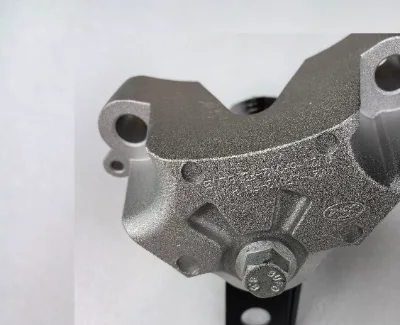
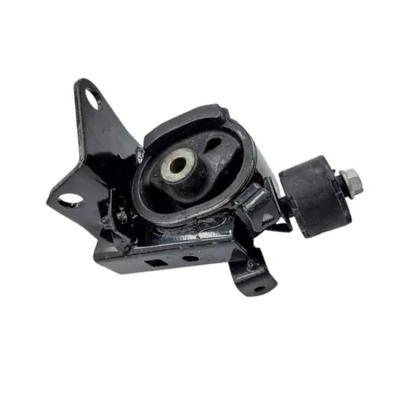
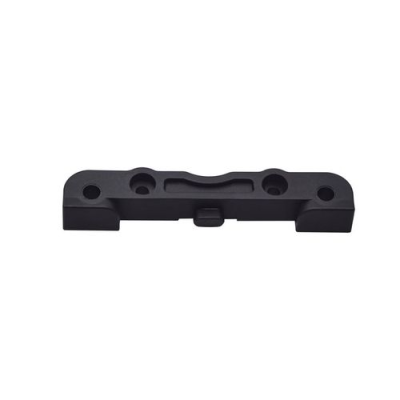
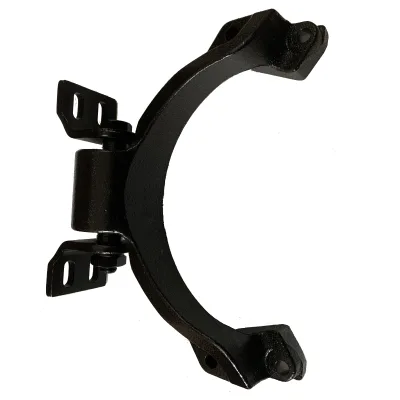
Find 30 Engine Foot Bracket options from Chinese manufacturers. Compare specifications like material, dimensions, and certifications to select the right mount for your automotive repair or upgrade needs. Evaluate weight bearing, hole distance, and surface finish to ensure compatibility with various car brands including Volkswagen, BMW, and Toyota for reliable performance.
Key considerations
Products List









Comprehensive Sourcing Guide
Engine Foot Bracket Sourcing Guide
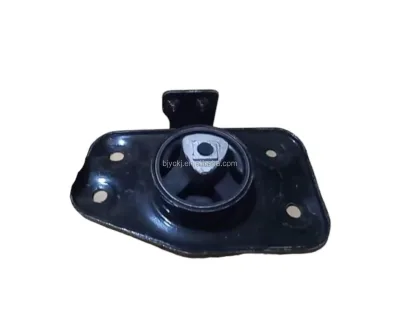
Engine foot brackets serve as critical mounting interfaces that secure powertrain components to vehicle chassis structures, absorbing vibration and maintaining precise alignment under dynamic loads. Sourcing these parts requires identifying suppliers who can deliver components compatible with specific vehicle architectures, ranging from mass-market sedans to commercial utility vehicles. Buyers must distinguish between universal designs and OEM-specific units, as the latter often demand exact dimensional tolerances to ensure proper fitment without modification.
The procurement landscape for these brackets reveals a diverse range of materials and surface treatments, including carbon steel with black electrophoretic coating or plastic composites tailored for specific weight reduction goals. Observations indicate that suppliers frequently offer customization options for dimensions and hole distances, allowing for adaptation to unique retrofit or upgrade scenarios. However, buyers should verify that the selected bracket meets the structural integrity requirements for the intended application, whether it is for standard replacement or heavy-duty performance enhancement.
Product Scope and Observed Listing Signals
Current market listings for engine foot brackets display significant variation in packaging and model identification, with options ranging from wooden boxes to standard cartons depending on the supplier's logistics strategy. Product models such as KEV011438637 and YS3260 appear alongside generic descriptions, suggesting that buyers must cross-reference specific part numbers against their vehicle's original equipment manufacturer specifications to avoid compatibility errors. The observed presence of both single-item and bulk packaging options indicates flexibility in order quantities, though the minimum order quantity can vary from a single piece to larger batches.
Listing signals also highlight the importance of verifying the physical condition and purpose of the component, as some units are explicitly marked for new replacement while others are intended for retrofit or upgrade applications. The observed data suggests that some suppliers provide brackets with specific arm lengths, such as 400mm, which may be critical for maintaining suspension geometry in modified vehicles. Buyers should carefully review the stated purpose and condition to ensure the product aligns with their specific repair or modification needs, rather than assuming all listed items are interchangeable.
Technical Specifications to Verify
Dimensional accuracy is paramount when selecting an Engine Foot Bracket, as the hole distance and overall dimensions directly impact the mounting stability and vibration isolation capabilities of the assembly. Buyers must verify critical measurements such as the 5050/7575/100100mm hole spacing options and the overall dimensions of approximately 16653.5*162mm to ensure a precise fit within the engine bay. The tolerance levels, which can be as tight as 0.01mm for precision-machined parts, are essential for preventing misalignment that could lead to premature wear or catastrophic failure of the powertrain mounting system.
Material composition and surface finish also dictate the longevity and performance of the bracket under various operating conditions. While some units are constructed from carbon steel with a black electrophoretic coating for corrosion resistance, others may utilize metal rubber composites or plastic materials to reduce weight or dampen specific frequency vibrations. The surface processing methods, including painting or polishing, should be evaluated to ensure they meet the environmental exposure requirements of the vehicle's operating location, particularly regarding resistance to road salts, oils, and extreme temperatures.
Compliance and Safety Documentation
Certification status provides a baseline assurance of manufacturing quality and adherence to international automotive standards, with IATF and CE marks appearing as key indicators of compliance in the current market. Buyers should request documentation confirming that the supplier's production facilities hold valid IATF certifications, which are essential for ensuring that the engine foot brackets meet rigorous quality management systems required by major automotive manufacturers. The presence of CE certification further suggests that the product complies with European health, safety, and environmental protection standards, which is often a prerequisite for exporting to regulated markets.
In addition to certifications, warranty terms and safety performance data are critical components of the documentation package that buyers must review before finalizing a purchase. A standard warranty period of 12 months is commonly observed, offering protection against manufacturing defects and providing recourse if the component fails under normal operating conditions. Buyers should also verify that the supplier provides clear instructions for installation and maintenance, ensuring that the bracket is installed correctly to maintain the structural integrity of the vehicle's suspension and engine mounting points.
Cost Drivers and Commercial Terms
The pricing of engine foot brackets is influenced by a complex interplay of material costs, manufacturing complexity, and the level of customization required for specific vehicle models. While observed price ranges can vary significantly from low-cost generic units to premium OEM-specification parts, buyers should focus on the total cost of ownership rather than just the unit price, considering factors such as lead time, shipping costs, and potential rework expenses due to fitment issues. The minimum order quantity, which can range from a single piece to 1000 units, also plays a significant role in determining the per-unit cost and the overall financial feasibility of the procurement.
Commercial terms regarding lead times and sample availability are equally important for managing supply chain risks and ensuring timely project completion. Suppliers typically offer sample lead times within 2-7 days, allowing buyers to validate product quality and fitment before committing to larger orders. However, buyers must be aware that production lead times for customized or high-volume orders may extend beyond these initial sample periods, and they should negotiate clear delivery schedules to avoid production delays that could impact vehicle assembly or repair timelines.
Supplier Qualification and Quality Control
Supplier qualification involves a thorough assessment of the manufacturer's capabilities, including their production capacity, quality control processes, and track record in the automotive industry. Buyers should prioritize suppliers who demonstrate a clear understanding of the specific requirements for engine foot brackets, such as the ability to produce parts with precise tolerances and consistent surface finishes. The presence of a dedicated quality control team and the implementation of rigorous inspection protocols are essential to ensure that every batch of brackets meets the required specifications and performance standards.
Quality control measures should extend beyond final inspection to include raw material verification and in-process monitoring to prevent defects from reaching the customer. Buyers should request evidence of the supplier's ability to maintain consistency in material properties, such as the carbon steel composition or rubber hardness, which are critical for the bracket's durability and vibration damping characteristics. Additionally, suppliers should be able to provide traceability data for each batch of products, ensuring that any quality issues can be quickly identified and addressed without compromising the safety of the end vehicle.
Long-Term Procurement Checks
Establishing a long-term procurement relationship requires regular performance reviews and continuous monitoring of the supplier's ability to maintain quality and delivery standards over time. Buyers should implement a system for tracking key performance indicators such as defect rates, on-time delivery percentages, and responsiveness to quality issues to ensure that the supplier remains a reliable partner for future orders. Regular audits of the supplier's facilities and processes can help identify potential areas for improvement and ensure that the production methods remain aligned with evolving industry standards and customer expectations.
As vehicle technologies evolve, the requirements for engine foot brackets may change, necessitating ongoing collaboration between the buyer and the supplier to adapt to new design specifications and material innovations. Buyers should maintain open communication channels with their suppliers to stay informed about new product developments and potential improvements in manufacturing techniques that could enhance the performance or reduce the cost of the brackets. By fostering a collaborative relationship, buyers can ensure a steady supply of high-quality components that meet the dynamic needs of the automotive market.
FAQs
Which car brands are compatible with this Engine Foot Bracket?
This Engine Foot Bracket is suitable for Volkswagen, WuLing, Benz, BMW, Hyundai, Honda, Toyota, Jeep, Nissan, Ford, Buick, Chery, Chevrolet, Cadillac, Geely, Roewe, Audi, Peugeot, Lexus, Volvo, Mazda, and Kia. It is designed to fit these specific automotive brands for reliable mounting applications.
What is the minimum order quantity for this product?
The minimum order quantity is one piece for some models, while others require a minimum of two pieces. Buyers can select options based on their specific needs, with the lowest threshold allowing for small batch testing or initial procurement without large commitments.
How long does it take to receive a sample order?
Sample lead time is within two to seven days for most orders. This quick turnaround allows buyers to verify product quality and specifications before committing to larger production runs, ensuring the component meets their specific engineering requirements efficiently.
What materials are used to manufacture this Engine Foot Bracket?
The product is manufactured using carbon steel and metal rubber materials. These durable components ensure structural integrity and vibration damping, making them ideal for automobile motor mounting applications where strength and flexibility are critical for long-term performance.
Can this product be customized for specific vehicle models?
Yes, customization is available for this Engine Foot Bracket to meet unique requirements. Buyers can request specific dimensions or features, ensuring the final product aligns perfectly with their vehicle specifications and operational needs without compromising on quality or fitment.
What is the warranty period for this engine component?
The product comes with a twelve-month warranty period covering manufacturing defects. This assurance provides buyers with confidence in the product's reliability and durability, ensuring that any issues arising from material or workmanship are addressed within the specified timeframe.
How is the product packaged for shipping and protection?
The Engine Foot Bracket is packaged in wooden boxes, cardboard boxes, or cartons depending on the specific model. This varied packaging approach ensures safe transport and protection against damage during shipping, maintaining the product's condition until it reaches the buyer's facility.