Source Epoxy Adhesive Cone Crusher Liner for Mining Quarry Crusher
Find and compare 30 Epoxy Adhesive Cone Crusher Liner options from verified Chinese manufacturers. Buyers can evaluate specifications like ASTM standards, alloy materials, and customization options for mining, quarry, and crusher applications.
Key considerations
Products List


Crusher Cone Liner Crusher Mantle and Concave Cone Crusher Spare Parts
$180.00 - $850.00
MOQ: 1 Pieces

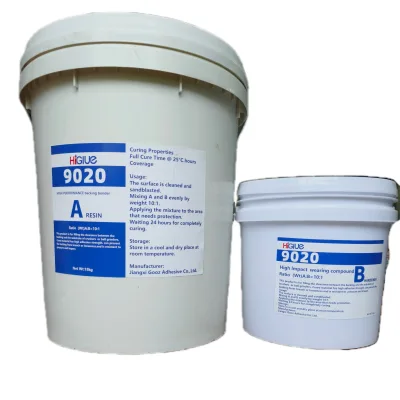
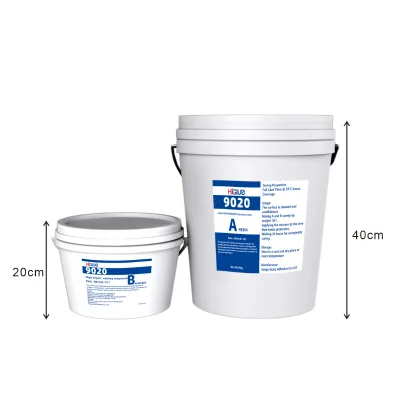
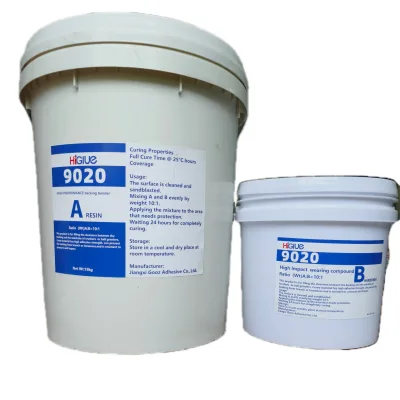
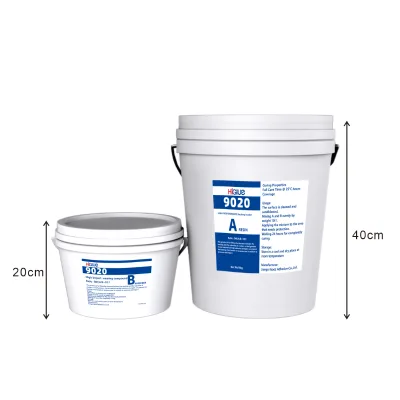
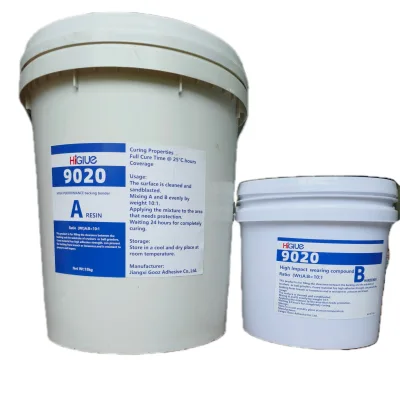


High Performance Two- Part Epoxy Backing Compound Crusher Backing for Cone Crusher
$120.00 - $150.00
MOQ: 50 Sets


Comprehensive Sourcing Guide
Strategic Sourcing Guide for Epoxy Adhesive Cone Crusher Liners
The procurement of epoxy adhesive cone crusher liners represents a critical intersection of materials science and heavy industrial maintenance. Buyers in the mining, quarry, and crushing sectors must navigate a complex supply chain where the performance of the liner directly impacts operational uptime, maintenance costs, and safety. Unlike traditional mechanical liners that rely solely on casting alloys, epoxy-based solutions offer a distinct value proposition through superior wear resistance and the ability to be customized for specific ore types. This guide provides a disciplined, evidence-based framework for sourcing these components, focusing on the specific attributes observed in the current market, including material composition, certification requirements, and quality assurance protocols.
Technical Specifications and Material Composition
Understanding the fundamental composition of the product is the first step in defining technical requirements. The core keyword "Epoxy Adhesive Cone Crusher Liner" implies a composite system rather than a monolithic metal casting. Based on observed product attributes, the main raw materials for these backing compounds typically include aluminum oxide powder, ceramic particles, and an epoxy resin matrix. This formulation creates a double-component adhesive system designed to bond the liner to the crusher shell, providing a cushioning effect that absorbs impact and reduces stress on the crusher frame.
The classification of these products as "Double Components Adhesives" necessitates strict adherence to mixing ratios and application windows. The observed working time for such compounds is approximately 45 minutes, though this parameter is noted as customizable based on specific site conditions. This working window is critical for procurement planning; if the application environment is hot or the logistics are complex, the buyer must verify if the supplier can adjust the curing time. Furthermore, the shelf life of the adhesive is a vital logistical factor, with observed data indicating a standard shelf life of two years. Buyers must ensure that their inventory turnover aligns with this timeframe to prevent material degradation before installation.
The physical specifications of the packaging also play a role in the technical readiness of the shipment. Products are often shipped in standard export wooden boxes or steel pallets, with specific single package dimensions observed around 55x38x38 cm. The weight and volume of these packages must be accounted for in freight planning, particularly when shipping by sea or air as indicated by standard delivery terms. The material properties, such as the "Wear Resistance" advantage, are derived from the ceramic and aluminum oxide content, which significantly outperforms standard steel in abrasive environments.
Compliance, Certification, and Industry Standards
In the heavy machinery and mining sector, compliance is not merely a formality but a prerequisite for operational safety and insurance validity. When sourcing epoxy liners, buyers must verify that the manufacturing process adheres to recognized international standards. The observed market data indicates that suppliers often claim compliance with a broad spectrum of standards, including ASTM, GB, DIN, GOST, JIS, ANSI, BS, ASME, and AISI. However, the presence of a standard in a product listing does not guarantee that every specific SKU meets that standard without verification.
Buyers should specifically request documentation confirming that the epoxy adhesive and the resulting liner assembly meet the relevant ASTM or GB standards for industrial adhesives and wear-resistant materials. Additionally, the manufacturing facility itself should ideally hold ISO 9001 certification, which validates the consistency of the manufacturing process. The observed product attributes highlight "Casting Factory" as a common supplier type, suggesting that while the liner backing is an adhesive, the final assembly or the metal components it bonds to may involve casting processes. This dual nature requires a supplier capable of managing both chemical and metallurgical quality controls.
The "Standard Export Wooden Box" and "Iron Frame" packaging mentioned in product data also serve as compliance indicators for international shipping regulations. Buyers must ensure that the packaging materials meet ISPM 15 standards for wood packaging to avoid customs delays. Furthermore, the "Quality Assurance" section of supplier profiles often lists tools like 2D projectors, height gauges, and micrometers. While these are standard tools, their inclusion in the quality control protocol suggests a commitment to dimensional accuracy, which is essential for the fitment of crusher liners.
Cost Drivers and Economic Factors
The pricing of epoxy adhesive cone crusher liners is influenced by several distinct variables that differ from traditional metal casting costs. The primary cost driver is the raw material composition, specifically the grade and quantity of ceramic particles and aluminum oxide powder used in the epoxy matrix. Higher concentrations of premium ceramics generally increase the wear resistance but also elevate the unit cost. The observed price range in the market spans from $1 to $200,000, reflecting the vast difference between small adhesive kits and full liner assemblies for large-scale industrial crushers.
Minimum Order Quantity (MOQ) is another significant economic factor. Data indicates an MOQ range of 1 to 1,000 units, with specific listings showing an MOQ of 50 sets for backing compounds. For smaller operations or those testing a new supplier, a lower MOQ is advantageous, whereas large mining conglomerates may leverage higher volumes to negotiate better unit pricing. The customization of the product, including specific models like HP400, ch, CS, GP, and HP series, also impacts cost. Customized packaging and specific color options (White, Blue, Grey) may incur additional charges.
Logistics costs are heavily influenced by the delivery method. The standard delivery options of "by Sea or by Air" present a trade-off between speed and expense. Given the heavy nature of crusher liners and the associated packaging (Steel Pallets, Wooden Cases), sea freight is often the most economical choice for large orders, while air freight may be necessary for urgent replacements to minimize downtime. The "Capacity" of the supplier, noted as 10,000 tons per year, suggests that larger suppliers can absorb volume fluctuations, potentially stabilizing prices during peak demand periods.
Typical Applications and Operational Context
The application of epoxy adhesive cone crusher liners is specialized and targets high-abrasion environments. The observed product attributes explicitly list applications in Mining, Quarry, Crusher, Milling Machinery, and Rubber Machinery. The primary use case is "Ore Mining," where the liners are subjected to extreme mechanical stress and abrasive wear from hard rock materials. The "Wear Resistance" advantage of these liners makes them particularly suitable for processing hard ores where traditional manganese steel liners might fail prematurely.
The versatility of the product is further evidenced by the availability of different models and series, such as the 7035800600 specification or the HP400 series. These variations allow buyers to match the liner to the specific geometry and operating parameters of their cone crushers. The "Customization" attribute is crucial here, as different crushing stages (primary, secondary, tertiary) require different liner profiles and adhesive properties. For instance, a primary crusher might require a liner with higher impact resistance, while a tertiary crusher might prioritize wear resistance over impact absorption.
The condition of the product is listed as "New," indicating that these are replacement components rather than refurbished units. This is a critical distinction for buyers, as the performance of a new epoxy liner is significantly different from a re-bonded or repaired unit. The "Video Outgoing-Inspection" feature provided by some suppliers adds a layer of transparency, allowing buyers to visually verify the condition and packaging of the liners before shipment, which is particularly valuable for high-value orders.
Supplier Evaluation and Verification Protocols
Evaluating a supplier for epoxy adhesive liners requires a multi-faceted approach that goes beyond simple price comparison. The "Company Type" is often listed as "China Direct Adhesive Factory," which suggests a direct manufacturing relationship. However, buyers must verify the actual scope of this factory. Does it produce the epoxy resin, the ceramic additives, or only the final adhesive mixture? A factory that controls the entire supply chain from raw materials to final packaging is generally more reliable for quality consistency.
Quality control is a paramount evaluation criterion. The observed attributes mention "100% Inspection" and "100% Inspention" (noting the typo in source data, but the intent is clear). Buyers should request detailed inspection reports that include test results for shear strength, adhesion strength, and chemical resistance. The presence of specific quality assurance tools like 2D projectors and micrometers in the supplier's profile is a positive indicator, but buyers should ask for the calibration records of these instruments to ensure the measurements are valid.
The "Quality Assurance" section also lists specific tools, but the buyer must verify the frequency and scope of these inspections. A "100% Inspection" claim should be backed by a documented procedure that covers every batch. Additionally, the "Video Outgoing-Inspection" service is a valuable tool for remote verification. Buyers should insist on this service for their first order to establish a baseline of quality and to verify that the packaging (Wooden Case, Steel Pallet) meets the agreed-upon standards.
Quality Control and Long-Term Procurement Considerations
Long-term procurement success depends on the consistency of the product and the reliability of the supply chain. The "Shelf life" of two years is a key factor in inventory management. Buyers should implement a "First-In, First-Out" (FIFO) system to ensure that older stock is used before it expires. The "Working Time" of 45 minutes, which can be customized, requires careful coordination between the supplier and the installation team. If the working time is too short for the site conditions, the adhesive may cure before proper application, leading to liner failure.
The "Standard" of the product, such as "Mn18Cr2" or "Bronze," refers to the metal components or the backing material. Buyers must ensure that the epoxy adhesive is compatible with these materials. Incompatible materials can lead to delamination, which is a catastrophic failure mode in crusher operations. The "Customized" nature of the product standard allows for tailoring to specific crusher models, but this requires clear communication of the crusher's specifications to the supplier.
Finally, the "Advantage" of wear resistance must be validated through real-world performance data. While the product attributes claim this advantage, buyers should request case studies or references from similar mining operations. The "Place of Origin" being Jiangxi, China, is a common hub for adhesive manufacturing, but buyers should verify the specific factory's track record. The "Capacity" of 10,000 tons per year suggests a robust supply chain, but buyers should also consider the lead time for custom orders, which may vary based on the complexity of the customization and the current production load.
| Feature | Standard Observation | Buyer Verification Requirement |
|---|---|---|
| Material | Aluminum oxide, ceramic, epoxy | Verify raw material grades and purity |
| Working Time | 45 min (customizable) | Confirm adjustability for site temperature |
| Shelf Life | 2 years | Check batch dates upon delivery |
| Certification | ISO 9001, ASTM, GB, etc. | Request valid certificates for specific batches |
| Inspection | 100% Inspection, Video provided | Review inspection reports and video logs |
| Packaging | Wooden Case, Steel Pallet | Verify ISPM 15 compliance and damage protection |
| Origin | China (Jiangxi) | Confirm factory location and capacity |
By adhering to these evidence-based guidelines, buyers can mitigate risks and secure high-performance epoxy adhesive cone crusher liners that enhance operational efficiency and reduce long-term maintenance costs. The focus must remain on verifying the specific attributes of each supplier rather than relying on general market assumptions.
FAQs
What materials compose the Epoxy Adhesive Cone Crusher Liner?
The main raw materials include aluminum oxide powder, ceramic particles, and epoxy resin. This formulation creates a double-component adhesive system designed for superior wear resistance in mining and quarry applications.
How long is the working time for the epoxy adhesive application?
The standard working time is approximately 45 minutes, though this parameter can be customized based on specific site conditions. Buyers must verify if the supplier can adjust the curing time for their operational environment.
Which certifications do the manufacturing facilities typically hold?
Manufacturing facilities often hold ISO 9001 certification to validate their manufacturing process consistency. Suppliers may also claim compliance with various international standards such as ASTM, GB, DIN, and JIS for their products.
Can the product specifications be customized for specific crushers?
Yes, customization is available for product models like HP400, ch, CS, and GP series. Buyers can also request customized packaging and specific color options such as white, blue, or grey to match their requirements.
What is the shelf life of the backing compound adhesive?
The observed shelf life for the backing compound is two years. Buyers should implement a first-in, first-out inventory system to ensure the material is used before it degrades or expires.
How are the products packaged for international shipping?
Products are typically shipped in standard export wooden boxes, steel pallets, or iron frames. Specific single package dimensions are observed around 55x38x38 cm, which must be accounted for in freight planning.
What quality control measures are applied before delivery?
Suppliers often provide 100% inspection services using tools like 2D projectors, height gauges, and micrometers. Video outgoing-inspection is also provided to allow buyers to visually verify the condition and packaging before shipment.