Source Wool Felt Outdoor Camping Blanket for Hotel, Home, and Travel
Find and compare 30 Wool Felt Outdoor Camping Blanket options featuring modern designs, machine washable care, and durable microfiber or pure wool materials. Evaluate specifications like thickness, size, and printing techniques to select the right supply for your business needs.
Key considerations
Products List


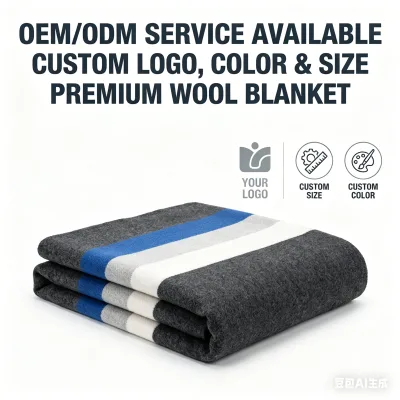


Factory Direct Thickened Woolen Blanket Outdoor Camping Blanket Woolen Blanket
$19.60 - $21.60
MOQ: 500 Pieces


Warm Thick Washable Large Outdoor Wool Blanket for Camping, Sporting Events
$16.20 - $16.70
MOQ: 300 Pieces

Pure Virgin New Wool Blanket, Camping/Travel/Outdoor/Picnic Wool Blanket
$20.90 - $25.00
MOQ: 500 Pieces


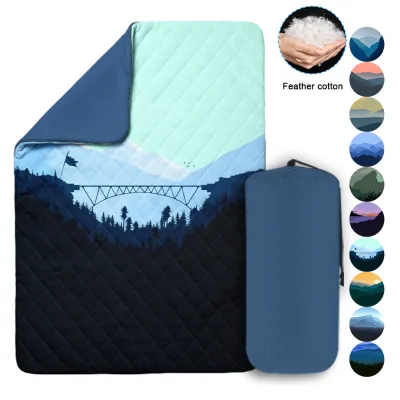


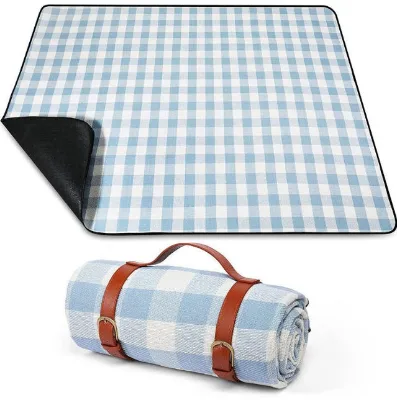


Comprehensive Sourcing Guide
Wool Felt Outdoor Camping Blanket Sourcing Guide
Sourcing wool felt outdoor camping blankets requires a nuanced understanding of material properties, manufacturing techniques, and commercial terms that differ significantly from standard synthetic alternatives. Buyers must navigate a market where "wool" can refer to pure wool, wool blends, or microfiber imitations, each offering distinct performance profiles for outdoor and hospitality applications. The observed product landscape reveals a wide variance in specifications, from machine-woven rugs to pure wool blankets, indicating that precise definition of material composition is the first critical step in procurement. Without clear verification, buyers risk receiving products that fail to meet the thermal or durability expectations required for camping or hotel use.
This guide provides a structured approach to evaluating suppliers and products based on observed market signals and trusted category knowledge. It focuses on technical verification, compliance documentation, and commercial risk management rather than promotional claims. By adhering to the evidence-based criteria outlined below, procurement professionals can mitigate the risks associated with inconsistent product quality, unclear origin, and non-compliant materials. The following sections detail the specific attributes, standards, and verification steps necessary to secure a reliable supply chain for wool-based outdoor textiles.
Product Scope and Observed Listing Signals
The current market listing signals indicate a broad spectrum of product forms, including rugs, blankets, and portable covers, with materials ranging from wool to microfiber fabric. Observed data shows a price range of $0.89 to $29.90 USD, which suggests significant variation in quality, thickness, and intended use. For instance, some listings specify a thickness of 5mm and a model number like YG-CB-045, while others describe pure wool blankets with dimensions such as 160220 cm or 150200 cm. Buyers must carefully distinguish between these variants, as a "wool felt" product intended for outdoor camping may differ substantially from a "machine-woven" rug designed for indoor hotel use.
Usage scenarios observed in the market include outdoor, hotel, home, commercial, bath, travel, hospital, airplane, and picnic settings. This versatility implies that suppliers often market the same or similar products across multiple categories, which can lead to confusion regarding performance standards. For example, a blanket labeled as "waterproof" and "fireproof" may be suitable for specific outdoor conditions, whereas a "plain color" or "plaid" design might be intended for aesthetic hospitality use. Procurement teams should verify that the specific product variant selected aligns with the intended application, particularly when evaluating features like wrinkle resistance, anti-pilling properties, or portability.
Technical Specifications to Verify
Technical verification must begin with material composition, as the term "wool" is frequently used loosely in listings. Buyers should confirm whether the product is made from pure wool, wool blends, or microfiber fabric, as this directly impacts thermal insulation, breathability, and care requirements. Observed specifications include knitting methods such as "machine weaved" and production techniques like "silkscreen heating transfer" printing. These details are crucial for determining the product’s durability and aesthetic longevity, especially for items intended for high-traffic commercial or outdoor environments where frequent washing and exposure to elements are expected.
Dimensional and structural specifications also require rigorous validation. Listings show a variety of sizes, including full, queen, and king dimensions, with specific model codes like 45*45 cm or 145cm x 183cm. Buyers must ensure that the selected size meets the functional requirements of the end-use, whether for individual camping gear or large hotel bedding. Additionally, features such as "wrinkle-resistant," "anti-pilling," and "waterproof" claims should be cross-referenced with physical samples. The presence of "OEM" logo customization and "machine washable" care instructions further indicates that the product is designed for commercial branding and ease of maintenance, which are key considerations for bulk procurement.
Compliance and Safety Documentation
Compliance and safety are paramount when sourcing textiles for outdoor and hospitality use, particularly given the potential for skin contact and varied environmental exposure. Buyers should request documentation related to OEKO-TEX standards, which are widely recognized in the textile industry for ensuring that products are free from harmful substances. Although specific certification status may not be explicitly listed in all observations, verifying adherence to such standards is essential for mitigating health risks and meeting regulatory requirements in target markets. This is especially important for products marketed as "safe" for use in hospitals, hotels, or by adults and children in camping scenarios.
Fire safety and flammability standards are another critical area of verification, particularly for products claiming to be "fireproof." While some listings mention fireproof features, buyers must obtain independent test reports to confirm compliance with relevant national or international safety regulations. Similarly, if products are marketed as "waterproof" or "electric," buyers should verify the integrity of these claims through appropriate testing protocols. Ensuring that all safety documentation is up-to-date and verifiable protects the buyer from liability and ensures that the products meet the stringent requirements of commercial and institutional clients.
Cost Drivers and Commercial Terms
Cost drivers for wool felt outdoor camping blankets include material quality, manufacturing complexity, and customization requirements. The observed MOQ range of 100 to 3000 pieces indicates that suppliers offer flexible order quantities, but higher customization levels, such as OEM logo printing or specific size modifications, may increase the minimum order requirement. Buyers should analyze the cost implications of different material choices, such as pure wool versus microfiber, and how these choices affect the final unit price. Understanding these drivers allows for more accurate budgeting and negotiation, ensuring that the selected product offers the best value for the intended application.
Commercial terms, including packing, lead times, and sample availability, also play a significant role in the procurement process. Observed packing methods range from individual OPP bags to cartons, which can impact shipping costs and storage efficiency. Sample times of 20-25 days suggest that buyers should plan their procurement cycles accordingly to avoid delays in product launch or inventory replenishment. Additionally, the availability of "pure wool" standards and specific model numbers helps in standardizing orders and reducing the risk of miscommunication with suppliers. Clear communication of these terms ensures a smoother transaction and aligns expectations between buyer and supplier.
Supplier Qualification and Quality Control
Supplier qualification involves assessing the manufacturer’s capability to produce consistent, high-quality wool felt products. Buyers should verify the supplier’s production capacity, quality control processes, and history of fulfilling orders similar to the desired product. The presence of "machine weaved" techniques and "silkscreen heating transfer" printing suggests a level of industrial capability, but buyers must confirm that these processes are consistently applied across all units. Requesting references or case studies from previous clients in the hotel, travel, or outdoor sectors can provide additional insight into the supplier’s reliability and product performance.
Quality control measures should include pre-production sample approval, in-process inspections, and final random inspections before shipment. Buyers should establish clear acceptance criteria for attributes such as color consistency, stitching quality, and material integrity. Given the observed features like "anti-pilling" and "durable" claims, it is essential to verify these properties through physical testing or third-party inspection reports. Implementing a robust quality control plan helps to minimize the risk of receiving defective products and ensures that the final goods meet the specified standards and expectations.
Long-Term Procurement Checks
Long-term procurement success depends on continuous monitoring of supplier performance and product quality. Buyers should establish key performance indicators (KPIs) related to delivery times, defect rates, and customer feedback to evaluate supplier reliability over time. Regular audits and periodic re-evaluation of product specifications ensure that the supplier remains aligned with evolving market demands and regulatory requirements. This proactive approach helps to identify potential issues early and allows for timely corrective actions, maintaining the integrity of the supply chain.
Additionally, buyers should stay informed about industry trends and technological advancements in wool felt manufacturing. This includes monitoring changes in material sourcing, production techniques, and sustainability practices. By maintaining a flexible and informed procurement strategy, buyers can adapt to market shifts and secure competitive advantages. Engaging in open communication with suppliers regarding future needs and potential improvements fosters a collaborative relationship that benefits both parties. Ultimately, a focus on long-term partnership and continuous improvement ensures sustained value and reliability in the procurement of wool felt outdoor camping blankets.
FAQs
How can I customize the Wool Felt Outdoor Camping Blanket with my logo?
Customization is available for this product line, allowing you to add your logo via OEM services. The printing methods include silkscreen and heating transfer to ensure durability. You can select from modern or plain color designs to match your brand identity.
What is the minimum order quantity for wool felt outdoor camping blankets?
The minimum order quantity varies by product type, ranging from 300 to 3000 pieces depending on the specific model. Some items require a baseline of 1000 pieces, while others start at 300. Please verify the exact MOQ for your chosen specification before placing an order.
Which materials are used to make these wool felt outdoor camping blankets?
These blankets are crafted from pure wool or microfiber fabric to ensure warmth and durability. The wool variants offer a soft, warm function suitable for winter use. Microfiber options provide a lightweight alternative that is machine washable and resistant to pilling.
Can these wool felt outdoor camping blankets be used in commercial settings?
Yes, these blankets are designed for versatile usage including hotels, commercial spaces, and outdoor environments. They feature wrinkle-resistant properties and are suitable for all occasions. The durable construction supports frequent use in hospitality and travel scenarios.
How are the wool felt outdoor camping blankets packaged for shipping?
Packaging options include individual OPP bags, PE bags, or cartons depending on the specific product model. Each unit is typically packed as one piece per bag to ensure protection during transit. Carton packaging is available for bulk orders to optimize shipping efficiency.
What are the standard dimensions for the wool felt outdoor camping blankets?
Standard sizes include 145cm by 183cm, 160 by 220, and 150 by 200cm to fit various needs. Some models are available in full, queen, or king sizes to accommodate different users. Specific dimensions like 45 by 45 are also offered for smaller applications.
How long does it take to receive a sample of the Wool Felt Outdoor Camping Blanket?
The sample time is estimated at 20 to 25 days for production and delivery. This timeline allows for quality checks and customization if required. Buyers should plan their procurement schedule accordingly to ensure timely receipt of samples.