Source EPE Foam Play Mat for Home Exercise and Balance Training
Find 30 verified EPE Foam Play Mat options from Chinese manufacturers. Buyers can compare sizes, thicknesses, and certifications like EnCE and ASTM to select mats for home use, outdoor activities, and child development exercises.
Key considerations
Products List


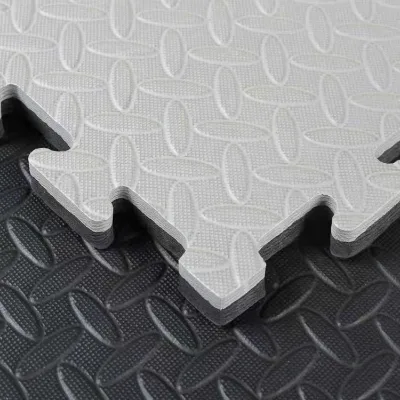
EPE Mat Foam Printed Mat for Baby Exercise and Play Environmental Friendly Non-Toxic
$0.10 - $5.00
MOQ: 1000 Pieces




Comprehensive Sourcing Guide
EPE Foam Play Mat Sourcing Guide
Sourcing EPE foam play mats requires a careful balance between material performance, safety compliance, and commercial viability. These mats are widely used in residential and commercial settings to provide a safe, cushioned surface for children’s activities. The primary value proposition lies in the material’s ability to absorb impact, resist moisture, and offer tactile stimulation, making them suitable for infants and toddlers. Buyers must navigate a market where product attributes vary significantly based on manufacturing processes and design choices. Understanding the distinction between different foam types and their specific applications is the first step in building a reliable supply chain.
The procurement process involves evaluating multiple variables, from the density and thickness of the foam to the complexity of the surface patterns. While the core material remains consistent, the final product’s utility depends on how well it meets specific user needs, such as improving balance, enhancing sensory experiences, or simply providing a clean play area. This guide outlines the critical factors buyers must consider to ensure they select products that align with their quality standards and regulatory requirements. By focusing on verified specifications and robust supplier qualifications, buyers can mitigate risks associated with inconsistent product quality or non-compliant materials.
Product Scope and Observed Listing Signals
The observed market for EPE foam play mats reveals a diverse range of options tailored to different consumer preferences and functional needs. Listings indicate that these products are available in various shapes, including square designs, and feature cartoon patterns that appeal to young children. The materials specified are primarily EPE (Expanded Polyethylene) and XPE (Cross-linked Polyethylene), with some products highlighting a PE plastic type. These materials are chosen for their eco-friendly characteristics and waterproof properties, which are essential for maintaining hygiene in play areas. The style is generally described as modern, with a focus on functionality and aesthetic appeal.
Commercial signals suggest that customization is a key driver in this category, with many suppliers offering OEM and ODM services. This allows buyers to tailor the product to their brand identity, including custom designs and specific packaging requirements. The observed price range is relatively low, indicating a competitive market with high volume potential. However, the minimum order quantities (MOQ) vary, ranging from 50 to 1000 pieces, which impacts the initial investment and inventory management strategy. Buyers should note that while some listings offer free small samples, the actual production quality must be verified through rigorous testing and inspection.
Technical Specifications to Verify
Technical verification begins with the physical dimensions and structural integrity of the play mats. Standard sizes observed include 180x200cm, 180x120cm, and 180x150cm, with thicknesses ranging from 0.5cm to 2.0cm. Some listings also mention larger formats and custom dimensions, which are crucial for covering extensive play areas. The thickness directly correlates with the cushioning effect and impact absorption, so buyers must align these specifications with the intended age group and usage intensity. For instance, thicker mats may be preferred for younger children who are more prone to falls, while thinner options might be suitable for older kids or space-constrained environments.
The manufacturing process also plays a significant role in the product’s durability and safety. The EPE hot press molding process is a common technique, ensuring a uniform density and consistent quality across the mat. Buyers should verify that the foam structure is free from voids or inconsistencies that could compromise safety. Additionally, the surface pattern and texture should be examined for durability and ease of cleaning. Waterproof features are a standard expectation, but the effectiveness of this attribute depends on the material’s density and the quality of the surface finish. Confirming these technical details through sample evaluation is essential before committing to large orders.
Compliance and Safety Documentation
Safety compliance is non-negotiable when sourcing products for children. The observed listings mention certifications such as EnCE and ASTM, which are critical indicators of adherence to international safety standards. Buyers must verify that the supplier can provide valid certification documents for each batch or product line. These certifications ensure that the materials used are free from harmful substances and that the product meets specific safety requirements for physical and chemical hazards. Without proper documentation, the risk of regulatory non-compliance and potential product recalls increases significantly.
In addition to certifications, buyers should request detailed test reports that cover specific safety parameters. While general standards like EN71 and ASTM F963 are referenced in the background, the exact test results for the specific product model must be confirmed. This includes tests for flammability, heavy metal content, and mechanical safety. The supplier’s ability to provide transparent and up-to-date test data is a strong indicator of their commitment to quality and safety. Buyers should also consider the product’s origin, with China being a common source, and ensure that the supplier has a robust quality management system in place to maintain compliance over time.
Cost Drivers and Commercial Terms
The cost of EPE foam play mats is influenced by several factors, including material quality, thickness, size, and customization requirements. Thicker mats and larger sizes naturally incur higher material and shipping costs. Customization, such as unique designs or specific packaging, adds to the production complexity and cost. Buyers should analyze the price-to-quality ratio rather than focusing solely on the lowest price. A slightly higher price may reflect better material density, more rigorous quality control, or superior customer service, which can reduce long-term risks and costs.
Commercial terms, including MOQ and payment conditions, are also critical considerations. The observed MOQ range of 50 to 1000 pieces offers flexibility for different business models, from small startups to large retailers. Buyers should negotiate terms that align with their cash flow and inventory management strategies. Additionally, the availability of free samples is a valuable tool for initial evaluation, but buyers should be aware that sample quality may not always reflect mass production standards. Clear communication regarding lead times, shipping methods, and return policies is essential to avoid misunderstandings and ensure a smooth procurement process.
Supplier Qualification and Quality Control
Supplier qualification is the foundation of a successful sourcing strategy. Buyers should conduct thorough due diligence to assess the supplier’s manufacturing capabilities, quality control processes, and business stability. This includes verifying the supplier’s legal status, production capacity, and history of compliance with international standards. A supplier with a proven track record of delivering high-quality products and meeting deadlines is more likely to be a reliable partner. Buyers should also evaluate the supplier’s responsiveness and willingness to collaborate on custom requirements, as this indicates their flexibility and commitment to customer satisfaction.
Quality control measures should be implemented at every stage of the production process. Buyers should request detailed quality control plans from the supplier, including inspection points for raw materials, in-process checks, and final product inspections. Third-party inspection services can provide an additional layer of assurance, ensuring that the products meet the agreed-upon specifications before shipment. Regular audits and performance reviews can help maintain high standards and identify areas for improvement. By investing in robust supplier qualification and quality control, buyers can minimize the risk of receiving substandard products and protect their brand reputation.
Long-Term Procurement Checks
Long-term procurement success depends on continuous monitoring and evaluation of supplier performance. Buyers should establish key performance indicators (KPIs) to track metrics such as on-time delivery, product quality, and customer satisfaction. Regular feedback loops with the supplier can help address issues promptly and foster a collaborative relationship. Additionally, staying informed about changes in regulations and market trends is essential to ensure that the products remain compliant and competitive. Buyers should periodically review their supplier base to identify opportunities for cost savings or quality improvements.
Sustainability and ethical sourcing are increasingly important considerations in the procurement process. Buyers should assess the supplier’s environmental practices, such as the use of eco-friendly materials and waste reduction initiatives. This not only aligns with growing consumer demand for sustainable products but also mitigates reputational risks. By maintaining a proactive approach to supplier management and staying adaptable to market changes, buyers can build a resilient supply chain that supports long-term business growth. Continuous improvement and strategic partnership development are key to sustaining success in the competitive EPE Foam Play Mat market.
FAQs
What certifications do EPE foam play mats have?
These mats typically hold EnCE and ASTM certifications. Some listings also mention EnCe and Astm compliance. Buyers should verify specific test reports for their target market before ordering.
What materials are used for baby play mats?
Manufacturers primarily use EPE or XPE foam for these products. The material is described as eco-friendly and waterproof. Some options also utilize PE plastic types for specific durability needs.
Can I customize the size and design of the mat?
Yes, customization is available for size, shape, and design. Standard sizes include 180cm by 200cm or 120cm by 180cm. Buyers can request OEM or ODM services for unique patterns like cartoons.
What is the minimum order quantity for these mats?
The minimum order quantity ranges from 50 to 200 pieces depending on the supplier. Some vendors list an MOQ of 50 PCS while others require 200 Pieces. Buyers should confirm the specific threshold before purchasing.
How thick are the available EPE foam play mats?
Thickness options range from 0.5cm to 2.0cm or 6mm to 20mm. Specific models offer dimensions like 180x200x0.5cm or 180x200x1.0cm. Buyers can select the thickness based on safety and comfort requirements.
Where are these foam play mats manufactured?
The products originate from China. Suppliers list China as the production location for these items. Buyers should consider shipping logistics and lead times associated with this origin when planning procurement.