Find Ergonomic Fabric Desk Chair with Cooling for office, gaming, and home use
Source 30 Ergonomic Fabric Desk Chair with Cooling options featuring adjustable backrests, swivel movements, and various base types. Buyers can compare models like MZ-839A and MZ-853A with different cushioning and gas lift classes to suit office, gaming, or home environments.
Key considerations
Products List




Comprehensive Sourcing Guide
Sourcing Guide for Ergonomic Fabric Desk Chairs with Cooling Features
Understanding Product Attributes and Material Composition
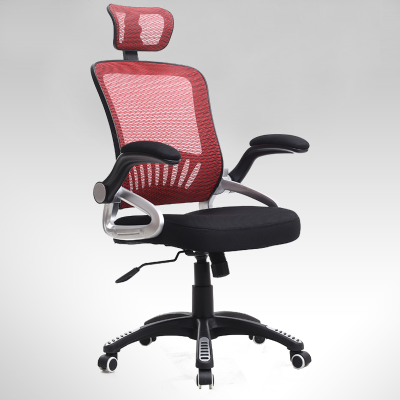
When sourcing an Ergonomic Fabric Desk Chair with Cooling features, buyers must first distinguish between the various material compositions and structural attributes observed in the current market. The core product category involves chairs constructed primarily from metal frames, often reinforced with specific materials like nylon frames with fiberglass to ensure durability and weight-bearing capacity. While the primary request focuses on fabric, the supply data indicates a diverse range of materials, including high-quality breathable mesh and molded foam cushions. The presence of breathable mesh is a critical indicator of cooling capabilities, as this material allows for air circulation that traditional solid fabrics cannot provide.
The market offers chairs with varying fabric and mesh combinations. Some units feature a standard fabric construction, while others utilize a high-quality breathable mesh material for the backrest to enhance thermal regulation. The frame material is frequently specified as a nylon frame with fiberglass, which contributes to the structural integrity required for ergonomic adjustments. Buyers should verify that the specific model they select explicitly lists breathable mesh or fabric types designed for airflow, as "fabric" alone can sometimes imply non-breathable textiles. The cushioning is often described as molded foam, which provides the necessary support while maintaining the chair's shape over time.
Technical Specifications and Adjustment Mechanisms
The technical specifications of ergonomic chairs are defined by their adjustment mechanisms, base components, and movement types. The observed market data highlights several key mechanical features essential for ergonomic functionality. Most units feature a swivel movement type and a tilting mechanism, allowing the user to recline and lock the chair in various positions. The locking mechanisms vary, with some models offering an "Original Locking" system, while others specify a "4 Degree Locking" or "Original Position" mechanism. These variations indicate different levels of resistance and stability when the chair is reclined.
Adjustability is a paramount feature for ergonomic chairs. The data shows models with adjustable backs, including a "5 Degree up Hight Adjustable" backrest, and 3D or 2D headrests that can be customized to fit the user's neck and shoulder alignment. The gas lift is another critical component; specific listings mention a "6 Cm SGS 3 Class" gas lift and a "Class 3 BIFMA-Certified Gas Lift." These certifications are vital for safety, ensuring the lift can handle the intended weight capacity without failure. The base of the chair is typically a five-star PP (polypropylene) feet design, with dimensions ranging from 310mm to 330mm. The castors are often made of PU (polyurethane), which is suitable for various floor types and offers smooth rolling.
| Feature Category | Observed Specifications | Verification Requirement |
|---|---|---|
| Gas Lift | 6 Cm SGS 3 Class; Class 3 BIFMA-Certified | Confirm BIFMA or SGS certification for safety. |
| Base | 310mm PP Feet; 330mm Five Star PP Feet | Verify diameter and material durability. |
| Headrest | 3D Adjustable; 2D Adjustable | Check degrees of freedom for neck support. |
| Backrest | Adjustable Back; 5 Degree up Hight Adjustable | Ensure range of motion meets user needs. |
| Mechanism | Original Locking; 4 Degree Locking | Test lock stability and recline resistance. |
| Weight Capacity | 250lbs | Confirm capacity matches intended user weight. |
Compliance, Certification, and Safety Standards
Compliance with international safety and quality standards is non-negotiable when sourcing ergonomic office furniture. The supply data explicitly mentions several certifications that buyers should look for to ensure product safety and reliability. The most prominent certifications observed include BIFMA, SGS, and ISO9001. BIFMA certification is particularly relevant for the gas lift and overall structural stability, ensuring the chair meets rigorous American standards for office furniture. SGS certification often relates to material safety and performance testing, while ISO9001 indicates that the manufacturer adheres to a recognized quality management system.
Buyers must verify that the specific models they intend to purchase carry these certifications. The data notes a "Class 3 BIFMA-Certified Gas Lift," which is a specific safety tier for gas cylinders used in office chairs. This certification ensures the lift can withstand the weight capacity without sudden failure. Additionally, the presence of a "5-Year Warranty" or "3-5 Yrs" warranty on certain models suggests a manufacturer's confidence in their product's longevity, which often correlates with adherence to these standards. However, warranty terms vary by model, so buyers should not assume all chairs carry the same duration. It is essential to request proof of certification for the specific batch or model being ordered, rather than relying on general supplier claims.
Cost Drivers and Pricing Dynamics
The pricing of ergonomic fabric desk chairs with cooling features is influenced by several factors, including material quality, mechanical complexity, and customization options. The observed price range in the market spans from $9.99 to $150 USD. This wide variance reflects the difference between basic models and those with advanced ergonomic features, such as 3D headrests, BIFMA-certified gas lifts, and high-quality breathable mesh. The lower end of the price spectrum likely corresponds to simpler designs with standard locking mechanisms and basic fabric or mesh, while the higher end includes models with comprehensive adjustability and certified safety components.
Material costs are a significant driver of price. Chairs utilizing high-quality breathable mesh and nylon frames with fiberglass will generally command a higher price than those with standard metal frames and basic fabric. The inclusion of a molded foam cushion and a five-star PP base with PU castors also adds to the manufacturing cost. Customization is another key factor; the data confirms that customization is available for color, with options including white, black, pink, and blue, and some models allow for fully customized colors. Customized orders often involve higher Minimum Order Quantities (MOQ) and potentially higher unit costs due to the setup required for specific color runs or design changes.
Typical Applications and User Scenarios
Ergonomic fabric desk chairs with cooling features are designed for environments where users spend extended periods seated, requiring both comfort and thermal regulation. These chairs are ideal for corporate offices, co-working spaces, and home offices where air circulation is limited. The breathable mesh and fabric materials are particularly beneficial in warmer climates or in rooms with higher ambient temperatures, as they prevent heat buildup against the user's back. The adjustable backrest and headrest make these chairs suitable for a wide range of body types and working postures, from typing at a desk to reviewing documents.
The specific models observed, such as those with the MZ-839A or MZ-853A designations, are tailored for professional settings. The "Modern" and "Simple" style attributes suggest versatility in interior design, allowing these chairs to fit into contemporary office aesthetics. The weight capacity of 250lbs ensures that the chairs can support a broad demographic of users, making them suitable for general office use. The knock-down (KD) structure with an included assembly manual indicates that these chairs are designed for efficient shipping and easy setup, which is advantageous for companies furnishing multiple locations or for individual buyers assembling the furniture at home.
Supplier Evaluation and Quality Control
Evaluating suppliers for ergonomic chairs requires a focus on their ability to meet the specific technical and compliance requirements outlined in the sourcing guide. Buyers should prioritize suppliers who can provide clear documentation regarding the BIFMA, SGS, and ISO9001 certifications. The origin of the products is primarily China, with specific manufacturing hubs noted in Foshan, a region known for its furniture industry. While the location is known, buyers must verify the specific factory capabilities and quality control processes rather than relying solely on the regional reputation.
Quality control should be a continuous process throughout the procurement lifecycle. Buyers should inspect the gas lift certification, the stability of the tilting mechanism, and the durability of the fabric or mesh. The data indicates that some models have a "Standard" packing method, while others specify "1PC/CTN" or "3PCS/CTN" packing. Understanding the packing standards is crucial for logistics planning and ensuring that products arrive without damage. Additionally, the availability of an assembly manual with the KD structure is a quality indicator, as it suggests the manufacturer has considered the end-user experience. Buyers should request samples to test the actual feel of the fabric, the smoothness of the swivel, and the effectiveness of the cooling features before committing to a large order.
Long-Term Procurement Considerations
Long-term procurement of ergonomic chairs involves more than just the initial purchase price; it requires consideration of warranty, maintenance, and scalability. The observed warranty periods range from 3 to 5 years, with some models offering a specific 5-year warranty. This long-term coverage is a strong indicator of the manufacturer's confidence in the product's durability. Buyers should carefully review the warranty terms to understand what is covered, such as the gas lift, castors, and fabric integrity.
Scalability is another important factor. The MOQ ranges from 1 to 150 units, offering flexibility for both small businesses and large enterprises. However, buyers should be aware that customization options, such as specific colors or branding, may increase the MOQ. The lead times and production capacity should be discussed directly with the supplier, as these can vary based on order volume and customization requirements. Finally, buyers should consider the environmental impact and the end-of-life disposal of the chairs, ensuring that the materials used, such as the PP feet and nylon frames, are recyclable or can be disposed of responsibly. By focusing on these long-term factors, buyers can ensure a sustainable and cost-effective procurement strategy for their ergonomic office furniture needs.
FAQs
What certifications ensure safety for the gas lift?
The gas lift is certified by BIFMA and SGS to ensure safety. Some models specifically feature a Class 3 BIFMA-Certified Gas Lift that meets rigorous standards for weight capacity and structural stability during use.
Can I customize the color of the chair?
Yes, customization is available for the chair color. Buyers can select from white, black, pink, or blue, or request fully customized colors depending on the specific model and supplier capabilities.
How long is the warranty period for these chairs?
Warranty periods typically range from 3 to 5 years depending on the model. Some specific listings offer a 5-Year Warranty, while others provide coverage for 3 to 5 years to ensure product longevity.
Which materials are used for the frame and cushion?
Frames are constructed from metal, nylon, or fiberglass for durability. Cushions are made of molded foam, and some models feature high-quality breathable mesh for enhanced cooling and comfort during extended use.
What is the maximum weight capacity of the chair?
The observed weight capacity is up to 250lbs for supported models. This limit ensures the chair can safely accommodate a broad demographic of users in various office environments without structural failure.
How is the chair packed for shipping?
Packing varies by model, often using standard cartons or specific counts like 1PC/CTN or 3PCS/CTN. Some units feature a knock-down structure with an assembly manual included for efficient transport and setup.
Where are these chairs manufactured?
The products originate from China, with specific manufacturing hubs noted in Foshan. Buyers should verify the specific factory location to ensure quality control and logistics planning for their procurement needs.