Source Ergonomic Gaming Keyboard and Mouse Set for Desktops, Laptops, and Workstations
Compare 30 listings for the Ergonomic Gaming Keyboard and Mouse Set featuring wired USB connections, RGB backlights, and mechanical feel switches. Buyers can evaluate specifications like DPI, key counts, and package sizes from suppliers in Guangdong, China.
Key considerations
Products List
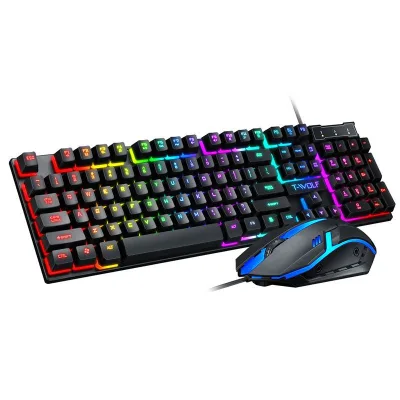
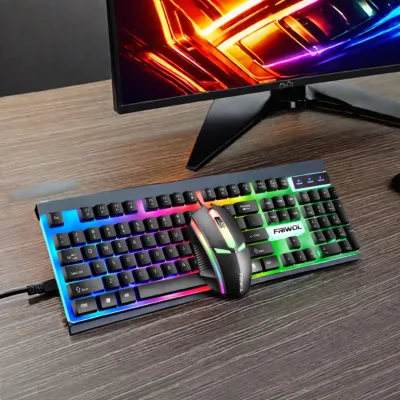
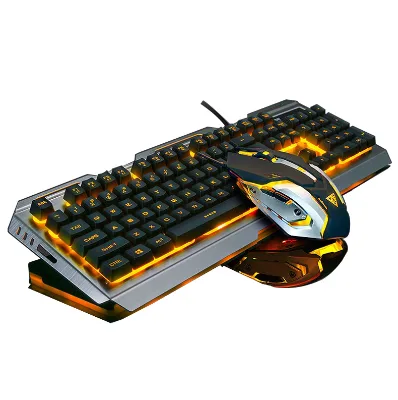
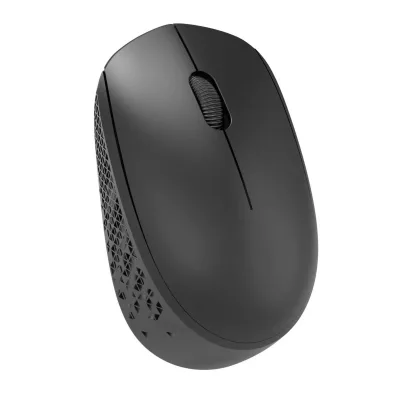
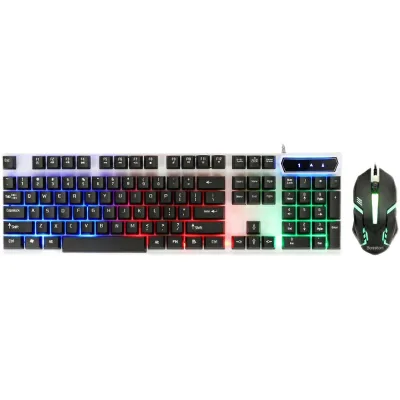
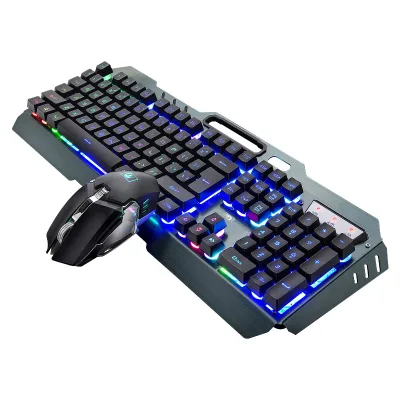
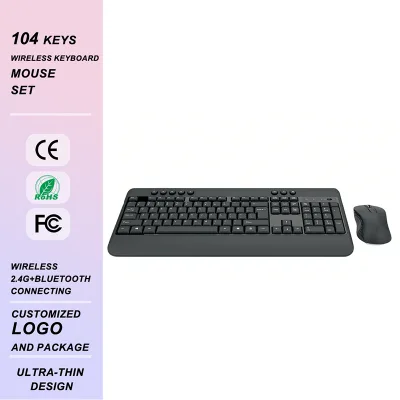


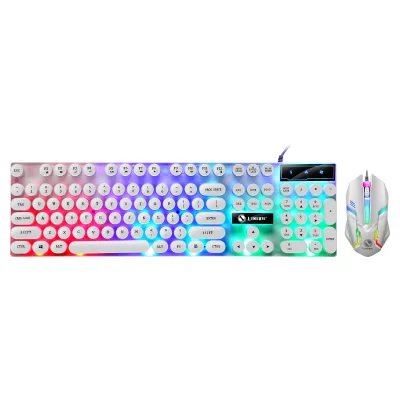
Punk Mixed Color Luminous Wired Gaming E-Sports Computer Laptop Keyboard Mouse Set
$2.82 - $2.86
MOQ: 50 Pieces


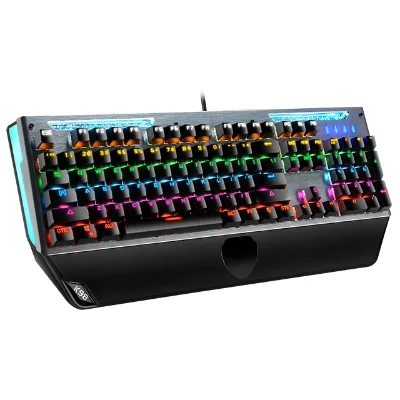
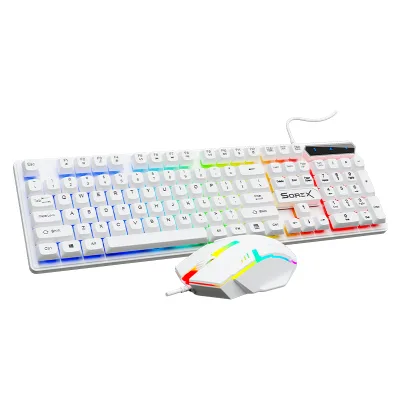
Mechanical Gaming Keyboard Mouse Combos Wired Keyboard and Mouse USB RGB Backlit LED Game Set
$16.50 - $17.20
MOQ: 100 Pieces


Comprehensive Sourcing Guide
Strategic Sourcing Guide for Ergonomic Gaming Keyboard and Mouse Sets
The global market for peripheral hardware has evolved significantly, with ergonomic gaming keyboard and mouse sets becoming a critical component for both professional esports organizations and home office setups. Buyers entering this sector must navigate a complex landscape where "ergonomic" claims often vary between marketing terminology and actual structural design. This guide provides a disciplined framework for sourcing these products, relying strictly on observable product attributes and verified industry standards to mitigate procurement risks. The following sections detail the technical specifications, compliance requirements, cost structures, and supplier evaluation criteria necessary for a successful procurement strategy.
Technical Specifications and Interface Standards
When evaluating ergonomic gaming keyboard and mouse sets, the primary focus must be on the intersection of connectivity, switch technology, and physical dimensions. The supplied data indicates a prevalence of wired interfaces, specifically USB 2.0, which remains the standard for latency-sensitive gaming applications. While some product listings mention wireless capabilities, the core high-confidence data points to "Wired Mouse Keyboard Set" configurations with a drive interface of USB 2.0. Buyers should verify the actual transmission distance and stability, as observed listings cite a transmission distance of 10 meters for wireless variants, though wired connections eliminate this variable entirely.
The keyboard specifications reveal a standard 104-key layout, often described as "full size," which is essential for users requiring a numeric keypad. A critical differentiator in this category is the switch mechanism. The observed market data presents a dichotomy: some units utilize "Mechanical Feel" with "Black Switch" axis bodies, while others are described with "Conductive Rubber" operation styles. True mechanical switches offer distinct tactile feedback and durability, whereas conductive rubber provides a quieter, softer feel often associated with office environments. For a genuine "ergonomic gaming" set, the buyer must confirm whether the product offers true mechanical switches or merely a mechanical-feel membrane, as this dictates the longevity and tactile response.
Mouse specifications further define the set's utility. The data highlights a DPI range of 1000 to 1600, which is a baseline for general gaming. However, high-performance gaming often requires adjustable DPI settings beyond this range. The physical dimensions of the mouse are recorded as 1156535MM, a size that suggests a standard grip profile suitable for average hand sizes. Buyers must verify if the "ergonomic" claim extends to the mouse shape, as the listed dimensions do not explicitly confirm a contoured design for palm or claw grip support. Additionally, the anti-ghosting feature is listed as "Multi Keys," a necessary specification for gaming keyboards to ensure multiple simultaneous key presses are registered correctly.
Compliance, Certification, and Safety Verification
In the B2B procurement of electronic peripherals, compliance with international safety and environmental standards is non-negotiable. The supplied context lists CE, ROHS, and BSCI as background certifications. While these are frequently observed in the industry, they must be treated as verification targets rather than guaranteed attributes of every listed product. Buyers should not assume a product is compliant based solely on a supplier's marketing materials. Instead, the procurement process must include a request for valid, third-party test reports that confirm adherence to these standards.
The CE marking indicates conformity with health, safety, and environmental protection standards for products sold within the European Economic Area. ROHS compliance ensures that the product does not contain specific hazardous substances, such as lead or mercury, which is crucial for environmental regulations in many jurisdictions. BSCI certification relates to social compliance and ethical labor practices within the supply chain. Since the product origin is identified as Guangdong, China, a region with a high concentration of electronics manufacturing, verifying these certifications is essential to ensure the supply chain meets ethical and safety benchmarks.
Furthermore, the product attributes list "Waterproofed" as a potential feature, yet this is not a universal standard for all gaming sets. Buyers must explicitly request water-resistance test results, such as IP rating certifications, if liquid spill protection is a requirement for the intended application. Similarly, the "12 Months" warranty period mentioned in the data should be scrutinized against the supplier's actual terms of service. A warranty is only as valuable as the supplier's ability to honor it, making the verification of after-sales support and replacement policies a critical step in the compliance and risk assessment phase.
Cost Drivers and Pricing Structure Analysis
Understanding the cost drivers for ergonomic gaming keyboard and mouse sets requires an analysis of the components that influence the final price. The observed price range in the market spans from $0.92 to $20.00 USD. This wide variance suggests a segmentation between low-cost, mass-market peripherals and higher-end, feature-rich sets. The lower end of the spectrum likely corresponds to basic membrane keyboards with standard optical mice, while the upper end may include RGB backlighting, true mechanical switches, and advanced ergonomic designs.
Several specific attributes directly impact the cost. The inclusion of "RGB" keyboard backlighting is a significant cost driver, adding complexity to the circuitry and requiring additional software for customization. The "Private Mold" attribute indicates that the manufacturer has invested in custom tooling, which can increase the unit cost but offers unique design differentiation. Conversely, products with "OEM" branding and "OEM Logo Printing" may offer lower costs due to standardized manufacturing processes, though they lack unique branding value.
The Minimum Order Quantity (MOQ) is another critical factor in cost management. The observed MOQ range is 1 to 3000 units. For buyers testing the market, an MOQ of 1 allows for sample acquisition, but the unit price will be significantly higher. As the order volume increases toward the 3000-unit threshold, economies of scale typically reduce the per-unit cost. Buyers must balance the need for inventory against the capital tied up in stock. The "Single package size" of 53.0X15.0X5.0 cm and a "Single gross weight" of 1.500 kg also influence logistics costs. Shipping a single item is inefficient compared to bulk shipments, so optimizing the order quantity to maximize container utilization is a key strategy for reducing total landed cost.
Typical Applications and User Scenarios
The application of ergonomic gaming keyboard and mouse sets extends beyond traditional gaming scenarios. The data explicitly lists "Gaming" and "Desktop" as primary applications, but the "Ergonomic" and "Typewriting" attributes suggest a broader utility. These sets are increasingly adopted in home office environments where users spend extended periods typing, making the ergonomic design a productivity tool rather than just a gaming accessory. The "Conductive Rubber" operation style mentioned in the data is particularly suitable for office settings where noise reduction is a priority, contrasting with the louder "Mechanical Feel" switches preferred by gamers.
The "Wired" nature of the sets, as highlighted in the product name, makes them ideal for fixed workstation setups where cable management is not a primary concern. The "USB 2.0" interface ensures compatibility with a wide range of desktop computers and laptops, including older models that may lack USB 3.0 or wireless connectivity options. The "104 Keys" standard layout supports complex workflows, including data entry and spreadsheet management, which are common in administrative and technical roles.
Furthermore, the "Waterproofed" feature, if verified, adds value for environments where spills are a risk, such as casual gaming cafes or shared office spaces. The "English, Spanish" language support indicates a market readiness for international distribution, allowing these sets to be deployed in diverse linguistic regions without requiring localized firmware or keycaps. The "1.35M" line length mentioned in the attributes provides sufficient reach for most desk setups, reducing the need for extension cables.
Supplier Evaluation and Manufacturing Capabilities
Evaluating suppliers for ergonomic gaming peripherals requires a deep dive into their manufacturing capabilities and quality control processes. The "Place of Origin" is consistently listed as Guangdong, China, a hub known for its electronics manufacturing ecosystem. However, the presence of a specific location does not guarantee quality. Buyers must assess the supplier's capacity for "Private Mold" production, as this indicates a level of investment in custom design and tooling. Suppliers with private molds are often more capable of delivering unique ergonomic shapes and features compared to those relying solely on generic molds.
The "Brand Name" and "Logo" attributes reveal the supplier's flexibility. The presence of "OEM" and "SZADP" suggests that suppliers can offer both white-label solutions and custom branding. For buyers seeking to build their own brand, the ability to provide "OEM Logo Printing" and "Customized Colors" is essential. However, buyers must verify the supplier's ability to maintain consistency across large production runs. The "Products Status" being listed as "New" and "Stock" indicates immediate availability, but buyers should confirm the supplier's lead times for custom orders to avoid supply chain disruptions.
Quality control is paramount in this sector. The "12 Months" warranty implies a confidence in product durability, but buyers should request data on defect rates and return policies. The "Operation Style" and "Axis Body" specifications must be rigorously tested to ensure they match the marketing claims. For instance, a "Mechanical Feel" product must be tested to ensure it does not degrade into a membrane-like feel after extended use. Suppliers should also demonstrate their ability to handle the "Single package size" and "Single gross weight" efficiently, ensuring that packaging protects the product during transit without excessive waste.
Long-Term Procurement and Quality Assurance
Sourcing ergonomic gaming keyboard and mouse sets is not merely a transactional event but a long-term partnership that requires ongoing quality assurance. The "Warranty" period of 12 months sets a baseline for expected product life, but buyers should aim for suppliers who offer extended support or replacement programs. The "Anti-ghosting" and "DPI" specifications must remain consistent over time, as firmware updates or component aging can affect performance.
Buyers should establish a clear protocol for sample testing before committing to large orders. This includes verifying the "USB Interface" stability, the "RGB" lighting functionality, and the "Ergonomic Design" comfort over extended use periods. The "Shell Material" of "ABS Plastic" is common, but buyers should check for brittleness or cracking issues, especially in high-stress areas like the keycaps and mouse buttons.
Finally, the "Selling Units" being listed as "Single item" suggests a flexibility in order sizes, but buyers should negotiate volume discounts for recurring orders. The "Model Number" variations, such as "TF200" and "V1," indicate that suppliers may have multiple product lines. Buyers should ensure that the specific model selected is supported for the long term, avoiding products that are discontinued shortly after purchase. By focusing on these long-term considerations, buyers can secure a reliable supply of high-quality ergonomic gaming peripherals that meet both current and future market demands.
FAQs
What interface type does the ergonomic gaming keyboard set use?
The set uses a USB 2.0 drive interface for reliable connectivity. This wired connection ensures low latency for gaming while supporting standard desktop computers and laptops without requiring additional wireless adapters.
How many keys does the full size keyboard layout contain?
The keyboard features a standard 104-key layout designed for full functionality. This configuration includes a numeric keypad, making it suitable for both gaming and professional typewriting applications on desktop systems.
Can the keyboard support multiple key presses simultaneously?
Yes, the keyboard supports multi-key anti-ghosting to register simultaneous inputs. This feature is essential for gaming scenarios where complex key combinations are required to execute actions without signal loss.
What is the minimum order quantity for these products?
The minimum order quantity ranges from 1 to 3000 units depending on the supplier. Buyers can start with a single item for sampling or place bulk orders to benefit from economies of scale.
Which warranty period is typically offered for these sets?
A standard 12-month warranty is provided for the product set. This coverage ensures protection against defects, though buyers should verify specific after-sales terms with the manufacturer before finalizing the purchase.
What switch type is used in the mechanical feel keyboard?
The keyboard utilizes a black switch axis body to provide a mechanical feel. While this offers tactile feedback, buyers should confirm if the mechanism is true mechanical or conductive rubber based on specific product listings.
How does the mouse DPI compare to standard gaming requirements?
The mouse offers a DPI range of 1000 to 1600 for general gaming tasks. This baseline sensitivity is suitable for standard desktop use, though high-performance gaming may require adjustable settings beyond this fixed range.