Source Ergonomic Industrial Executive Office Chair with Adjustable Armrest for office, home, gaming
Compare 30 Ergonomic Industrial Executive Office Chair with Adjustable Armrest options featuring height adjustment, swivel bases, and mesh or PU materials. These chairs suit office buildings, home offices, and gaming rooms with ISO and BIFMA certified designs.
Key considerations
Products List


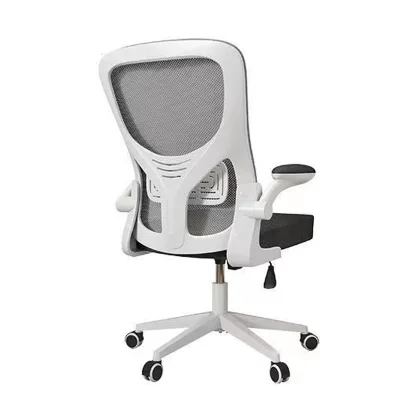
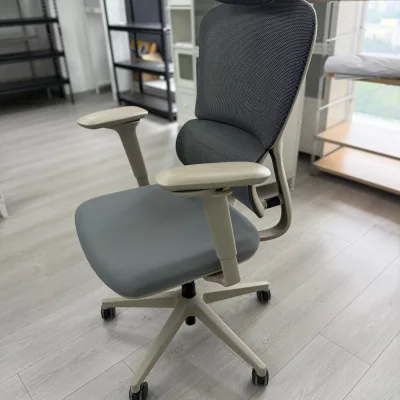
Comfortable MID Back Ergonomic Mesh Office Chair with Armrest Executive Staff Chair
$36.00 - $59.00
MOQ: 100 Pieces



Comprehensive Sourcing Guide
Strategic Sourcing Guide for Ergonomic Industrial Executive Office Chairs
The global demand for ergonomic industrial executive office chairs has surged as organizations prioritize worker health, productivity, and long-term asset durability. Sourcing these specialized seating solutions requires a disciplined approach that balances technical specifications with compliance verification and supply chain reliability. This guide provides a comprehensive framework for buyers evaluating products that feature adjustable armrests, high-back designs, and robust construction suitable for demanding industrial and executive environments. By adhering to strict evidence-based criteria, procurement teams can mitigate risk and ensure the selected furniture meets rigorous operational standards.
Technical Specifications and Structural Integrity
When evaluating an ergonomic industrial executive office chair, the primary focus must be on the structural components that support the user's weight and facilitate movement. The frame material is a critical determinant of longevity. In the current market, frames are frequently constructed from aluminum or aluminum alloy, offering a high strength-to-weight ratio that resists corrosion and fatigue. These materials are often paired with nylon components for specific structural elements, ensuring the chair can withstand the dynamic loads of an industrial setting. The base of the chair is equally vital; options typically include aluminum bases or heavy-duty nylon bases, both designed to distribute weight evenly and support swivel mechanisms.
The seating surface and backrest materials define the user experience and comfort level. Mesh and PU (polyurethane) are the dominant materials observed in high-performance models. Mesh provides superior breathability, which is essential for extended sitting periods in warm environments, while PU offers a sleek, executive aesthetic and ease of cleaning. The design style often leans towards modern, minimalist, or luxury finishes, but the functional design must remain ergonomic. Key features that define the technical specification of a top-tier executive chair include height adjustability, reclining capabilities, and multi-function mechanisms. The presence of a 4D armrest system is a significant differentiator, allowing for adjustments in height, width, depth, and angle to accommodate various user anthropometrics.
| Component | Common Material | Functional Requirement |
|---|---|---|
| Frame | Aluminum, Aluminum Alloy | High load-bearing capacity, corrosion resistance |
| Base | Aluminum, Nylon | Stability, swivel smoothness, floor protection |
| Seat/Back | Mesh, PU | Breathability, durability, aesthetic finish |
| Armrest | 4D Adjustable | Multi-directional support, user customization |
| Castors | PU, Nylon | Floor protection, mobility, noise reduction |
Compliance and Certification Verification
In the industrial and executive sectors, compliance is not merely a formality but a prerequisite for liability management and safety assurance. Buyers must verify that the chairs meet recognized safety and quality standards. The BIFMA (Business and Institutional Furniture Manufacturers Association) certification is a critical benchmark for office furniture in the United States and globally. This certification ensures that the chair has undergone rigorous testing for structural integrity, durability, and safety. Furthermore, management certifications such as ISO (International Organization for Standardization) indicate that the manufacturer adheres to consistent quality management systems.
When sourcing, it is essential to treat certification claims as observations that require validation rather than automatic guarantees. Procurement teams should request current certification documents and verify their validity with the issuing bodies. The absence of specific test data or certification status in a product listing should trigger a deeper inquiry. For industrial applications, the chair must not only meet general office standards but also withstand higher usage frequencies. The "High Back" design often cited in product attributes is a feature that supports the spine, but its efficacy depends on the underlying engineering and material quality verified through these certifications.
Cost Drivers and Pricing Dynamics
The pricing of ergonomic industrial executive office chairs is influenced by a complex interplay of material costs, manufacturing complexity, and supply chain logistics. The observed price range for these products can vary significantly, reflecting differences in component quality and feature sets. Factors such as the use of aluminum alloy versus standard steel, the inclusion of advanced 4D armrests, and the type of castors (e.g., PU vs. standard nylon) directly impact the final cost. Additionally, the complexity of the reclining mechanism and the quality of the mesh or PU upholstery contribute to price variations.
Minimum Order Quantity (MOQ) is another critical cost driver. While some suppliers accept small orders to facilitate trial purchases, others may require higher volumes to achieve economies of scale. The observed MOQ range in the market can extend from single units to over a thousand, depending on the supplier's capacity and the customization level required. Buyers should be aware that lower unit prices often correlate with higher MOQs. Furthermore, packaging requirements, such as mail packing standards, can affect shipping costs and the overall landed price. Understanding these variables allows buyers to negotiate more effectively and align procurement budgets with actual volume needs.
Typical Applications and Usage Scenarios
Ergonomic industrial executive chairs are designed for a diverse range of applications, extending beyond the traditional office desk. The versatility of these chairs makes them suitable for home offices, corporate boardrooms, gaming environments, and even commercial leisure areas. The "Gaming" and "Home Office" applications highlight the chair's ability to support long-duration sitting with high comfort levels, while "Conference chair" and "Executive chair" designations point to their use in formal business settings. The "Reception chair" and "Hotel" applications suggest a need for aesthetic appeal combined with durability.
The specific use cases often dictate the required features. For instance, a chair intended for a "Computer game room" or "Educational play area" might prioritize reclining and swivel features for dynamic movement. In contrast, a "Banker's chair" or "Task chair" used in a "Training center" might emphasize stability and height adjustability. The "Living Room" and "Bedroom" applications indicate a crossover into residential furniture, where the "Luxury" and "Comfortable" attributes become paramount. Buyers must match the chair's design style and functional features to the specific environment where it will be deployed to ensure optimal performance and user satisfaction.
Supplier Evaluation and Operational Capabilities
Selecting the right supplier is as crucial as selecting the right product. Buyers should evaluate potential partners based on their production capabilities, after-sales support, and logistical reliability. The origin of the product, often China for this category, presents opportunities for cost-effective sourcing but requires careful vetting of the supply chain. Key evaluation criteria include the supplier's ability to provide online technical support and free spare parts, which are essential for maintaining equipment longevity. The "Small Orders: Accepted" attribute indicates flexibility, which can be beneficial for initial procurement phases or pilot programs.
Manufacturers with ISO management certifications demonstrate a commitment to quality control processes, reducing the risk of defects. Buyers should also assess the supplier's response time and communication channels. The availability of specific model numbers, such as U400G or P200G+Footrest, suggests a standardized product line, which can simplify the procurement process. However, customization options and the ability to meet specific design styles, such as "Chinese" or "Modern," may require closer collaboration with the supplier. A robust supplier will provide transparent information regarding lead times, packaging, and shipping methods, ensuring a smooth procurement experience.
Quality Control and Long-Term Procurement Considerations
Implementing a rigorous quality control (QC) process is essential to ensure that every chair meets the specified standards before deployment. Buyers should establish clear acceptance criteria based on the product's technical specifications, including material composition, assembly quality, and functional testing. The "Folded: No" attribute for many models indicates a permanent assembly structure, which requires careful handling during shipping to prevent damage. The "Mail Packing: Y" attribute suggests that the product is designed for efficient shipping, but buyers must verify that the packaging protects the chair from impact and environmental factors.
Long-term procurement considerations involve planning for maintenance and replacement. The availability of spare parts and the supplier's after-sales service policy are critical factors. Chairs with "Online Technical Support" and "Free Spare Parts" offer a significant advantage in reducing downtime and maintenance costs. Additionally, the durability of materials like mesh and PU, combined with the robustness of aluminum and nylon bases, ensures that the chairs can withstand years of heavy use. Buyers should also consider the environmental impact and the recyclability of materials, aligning procurement strategies with broader sustainability goals. By focusing on these long-term factors, organizations can maximize the return on investment and maintain a safe, productive work environment.
Finalizing the Procurement Strategy
The successful acquisition of ergonomic industrial executive office chairs with adjustable armrests requires a holistic approach that integrates technical due diligence, compliance verification, and strategic supplier management. By leveraging the detailed specifications and market observations provided, buyers can make informed decisions that align with their organizational needs. The emphasis on high-quality materials, robust certifications, and comprehensive after-sales support ensures that the selected chairs will deliver value over their intended lifespan. As the market continues to evolve, maintaining a disciplined sourcing process will enable organizations to adapt to changing requirements and secure the best possible outcomes for their workforce.
FAQs
What certifications do these chairs meet for safety and quality?
These chairs meet BIFMA and ISO management certifications. Buyers should verify current documents to ensure structural integrity and consistent quality management systems are in place for industrial environments.
Which materials are used for the frame and base construction?
Frames are typically constructed from aluminum or aluminum alloy for high strength. Bases often use aluminum or heavy-duty nylon to ensure stability and support swivel mechanisms effectively.
How do adjustable armrests enhance user comfort and customization?
The chairs feature 4D adjustable armrests allowing height, width, depth, and angle changes. This multi-directional support accommodates various user anthropometrics for extended sitting periods in office settings.
Can small order quantities be accepted for initial procurement trials?
Yes, small orders are accepted by many suppliers to facilitate trial purchases. This flexibility allows buyers to test product quality before committing to higher volumes required for economies of scale.
What after-sales support is available for long-term maintenance?
Suppliers provide online technical support and free spare parts to maintain equipment longevity. This service reduces downtime and ensures the chairs remain functional in demanding industrial or executive environments.
Where are these ergonomic chairs typically manufactured and sourced from?
The products originate from China, offering cost-effective sourcing opportunities. Buyers must vet the supply chain carefully to ensure reliability and compliance with international shipping and packaging standards.