Source Ergonomic Handle Chef Knife for Slicing, Chopping, and Prep
Compare 30 Ergonomic Handle Chef Knife options from verified Chinese manufacturers. Buyers can evaluate blade materials, handle designs, and set configurations for professional or home kitchen use. These listings include stainless steel blades, slip-resistant handles, and various packaging types like sets or single items. Explore models from Yangjiang and Zhejiang to find the right tool for chefs and housewives.
Key considerations
Products List


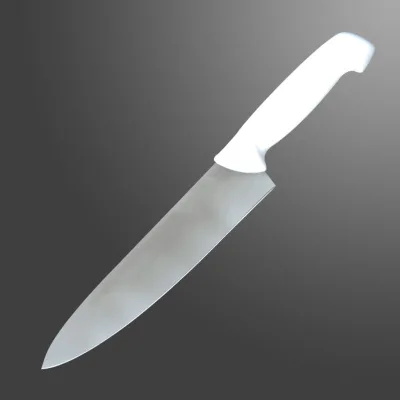
Chef Knife Professional High Carbon Stainless Steel Sharp Blades Ergonomic Wood Handle
$11.20 - $11.60
MOQ: 90 Pieces


$0.60 - $1.00
MOQ: 1000 Pieces


Comprehensive Sourcing Guide
Ergonomic Handle Chef Knife Sourcing Guide
Sourcing ergonomic handle chef knives requires a careful balance between material durability, blade geometry, and user comfort. The provided data indicates a diverse market with origins in Yangjiang and Zhejiang, China, featuring models like ZY-PHK002 and DX013. Buyers must distinguish between standard chef knives and multi-functional utility sets, as the term "chef knife" often overlaps with slicing or bone-chopping capabilities in supplier listings. Understanding these distinctions is critical for aligning product selection with specific culinary needs, whether for professional kitchens or household use.
The observed product range includes stainless steel blades paired with wood or plastic handles, reflecting varied price points and target demographics. High-confidence facts reveal that customization is available, allowing brands to tailor designs for specific market segments. However, the presence of multiple model numbers and packing standards suggests a fragmented supply chain. Procurement teams must verify that the ergonomic claims match the actual handle material and design, ensuring that the "slip-resistant" features mentioned are integral to the product’s safety and usability profile.
Product Scope and Observed Listing Signals
The current market signals show a wide variance in product configurations, with observed prices ranging from $0.41 to $14.96 USD. This broad spectrum suggests that buyers will encounter everything from basic utility knives to premium chef knife sets. The minimum order quantities (MOQ) range from 90 to 3,000 units, indicating flexibility for both small boutique brands and large-scale distributors. It is essential to correlate these commercial terms with the specific product attributes, such as the 7-inch size or 6-piece set standards, to ensure accurate budgeting and inventory planning.
Listing attributes highlight specific functional roles, including slicing, chopping bone, and fruit preparation, which may be combined in single products. The packaging formats vary significantly, from simple PP bags to elaborate color boxes, impacting both shipping costs and retail presentation. Buyers should note that some listings specify "Dark Grey" or "Light Gray" colors, while others offer colored options. These visual and functional details must be cross-referenced with the ergonomic handle requirement, as comfort is often influenced by the handle’s shape, material, and finish rather than just its color.
Technical Specifications to Verify
Verifying blade material is a primary technical step, as the data confirms stainless steel as a common choice for durability and corrosion resistance. Buyers must confirm the specific grade of stainless steel, as this directly impacts edge retention and maintenance requirements. Additionally, blade thickness specifications, such as the observed 1.8mm measurement, provide insight into the knife’s rigidity and suitability for heavy-duty tasks like chopping bone versus delicate slicing. These physical attributes must align with the intended ergonomic design to ensure the knife feels balanced in the hand.
Handle material is another critical specification, with wood and plastic being the primary options identified in the listings. Wood handles offer a traditional aesthetic and natural grip, while plastic handles may provide enhanced durability and easier cleaning. The presence of slip-resistant features is a key ergonomic indicator that must be physically verified. Buyers should request samples to assess the handle’s contour, weight distribution, and connection to the blade, ensuring that the design truly supports prolonged use without causing hand fatigue.
Compliance and Safety Documentation
Safety features are explicitly mentioned in some listings, such as slip-resistant handles, which are crucial for preventing accidents in busy kitchen environments. Buyers must ensure that these features are not merely marketing claims but are substantiated by design and material choices. Documentation should include evidence of how the handle texture or shape contributes to grip stability, especially when wet or oily. This verification process helps mitigate liability risks and ensures that the product meets basic safety expectations for both professional chefs and home users.
While specific certification standards are not detailed in the provided facts, buyers should inquire about food-contact material compliance for both the stainless steel blades and the handle materials. Wood and plastic handles must be treated with non-toxic finishes to ensure they are safe for food preparation. Requesting material safety data sheets (MSDS) or relevant food-grade certifications is a prudent step. This documentation provides assurance that the ergonomic design does not compromise the sanitary integrity of the knife, protecting end-users from potential health hazards.
Cost Drivers and Commercial Terms
The observed MOQ range of 90 to 3,000 sets suggests that pricing is heavily influenced by order volume and customization levels. Buyers should anticipate that higher customization, such as specific branding or unique handle designs, may increase unit costs. The availability of OEM and ODM services indicates that suppliers are flexible, but these services often come with additional setup fees or higher minimums. Understanding these commercial terms is vital for negotiating favorable pricing structures that align with the buyer’s sales volume and margin targets.
Packaging options also play a significant role in total landed cost. The data shows a variety of packaging methods, from single-piece bags to multi-layered box sets. More elaborate packaging, such as the "Knife Tip Set + PP Bag + White Box + Color Box," increases material and labor costs but may enhance retail appeal. Buyers must weigh these packaging expenses against the perceived value of the product. Additionally, the origin locations in Yangjiang and Zhejiang may affect shipping logistics and tariffs, so total cost calculations should include freight and import duties.
Supplier Qualification and Quality Control
Supplier qualification should begin with verifying the place of origin, as the data points to established cutlery hubs in China. Buyers should assess the supplier’s production capacity and quality control processes, particularly for products with complex ergonomic designs. The presence of multiple model numbers, such as ZY-AHK018 and PJY-0226, suggests that suppliers may offer a range of products, so it is important to ensure that quality consistency is maintained across different SKUs. Requesting factory audits or third-party inspections can provide valuable insights into manufacturing standards.
Quality control checks should focus on the integration of the handle with the blade, as this is a common point of failure in chef knives. Buyers should verify that the handle is securely attached and that the ergonomic features do not compromise the knife’s structural integrity. Sampling is essential to test the knife’s balance, sharpness, and comfort during actual use. Establishing clear quality acceptance criteria before production begins helps prevent disputes and ensures that the final products meet the buyer’s expectations for both performance and durability.
Long-Term Procurement Checks
Long-term procurement success depends on maintaining consistent quality and supply chain reliability. Buyers should establish regular review cycles to assess supplier performance, including on-time delivery rates and defect percentages. The availability of customization services suggests that suppliers can adapt to changing market trends, but buyers must ensure that these adaptations do not lead to quality inconsistencies. Building a strong relationship with suppliers can facilitate better communication and quicker resolution of any issues that arise during production or delivery.
Market feedback from end-users is another critical factor for long-term success. Buyers should monitor customer reviews and complaints regarding the ergonomic handles and blade performance to identify areas for improvement. This feedback loop can inform future product development and supplier negotiations. Additionally, staying informed about industry trends and regulatory changes ensures that the sourced knives remain compliant and competitive. Proactive management of these factors helps sustain profitability and brand reputation in the cutlery market.
FAQs
What materials are used for the knife blades?
The knife blades are made of stainless steel to ensure durability and resistance to corrosion during daily kitchen tasks. This material choice supports long-term performance for both chefs and housewives who require reliable cutting tools for various food preparation needs.
Which customization options are available for orders?
Customization is available for buyers seeking tailored solutions for their specific branding or functional requirements. Suppliers can accommodate these requests, allowing businesses to modify designs or specifications while maintaining the core quality standards expected in professional kitchen environments.
How are the knife sets packaged for shipment?
Products are typically packaged as sets including a knife tip, PP bag, white box, and color box for retail readiness. Some individual items may come in a single paper box or bag, ensuring safe transport and presentation for end users in various market segments.
Can I find ergonomic handle chef knives with wood?
Yes, certain models feature wood handles to provide a traditional grip and aesthetic appeal for professional chefs. These handles are designed to be slip-resistant, offering enhanced safety and comfort during extended use in busy commercial or home kitchen settings.
What is the minimum order quantity for these knives?
The minimum order quantity varies by product, with some sets requiring 300 sets while others start at 90 units. Buyers should verify specific MOQs based on the model number and packaging type to ensure their procurement plan aligns with supplier requirements.
Where are these kitchen knives manufactured?
These knives originate from manufacturing hubs in China, specifically Yangjiang and Fenghua, which are known for cutlery production. The Zhejiang region also hosts vendors supplying these products, ensuring a robust supply chain for international buyers seeking quality kitchen tools.
What sizes are available for the chef knife sets?
Available sizes include 7-inch models and sets ranging from 5 to 10 inches depending on the specific product standard. Buyers can select from 6-piece or 7-piece sets to match their specific culinary needs and storage requirements in professional or home kitchens.