Source Ergonomic Vibrating Egg for pleasure, travel, and therapy
Find 30 Ergonomic Vibrating Egg options from verified Chinese manufacturers. Compare silicone materials, rechargeable battery specs, and vibration frequencies to select the right device for personal pleasure, travel convenience, or therapeutic use.
Key considerations
Products List




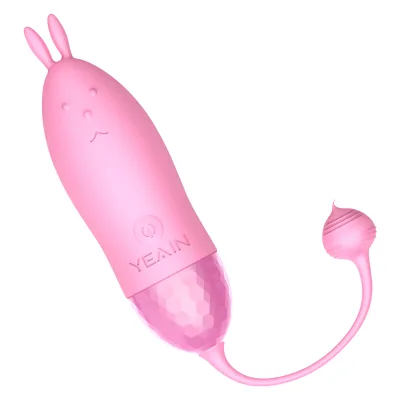
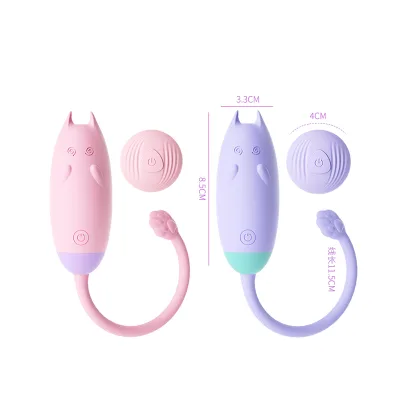

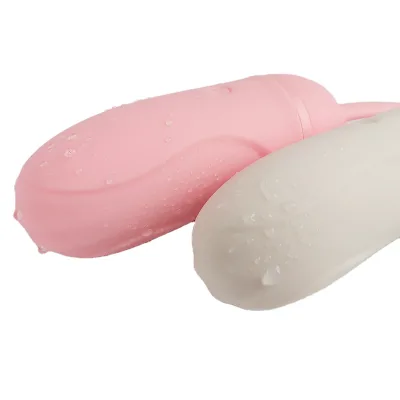


Comprehensive Sourcing Guide
Strategic Sourcing Guide for Ergonomic Vibrating Eggs
Understanding Product Architecture and Technical Specifications
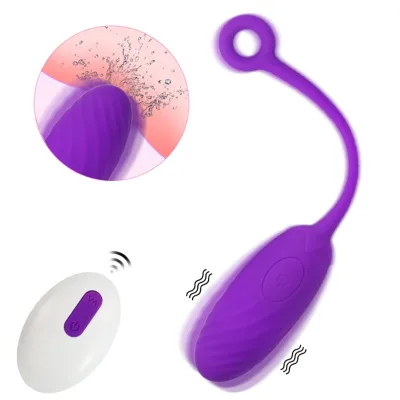
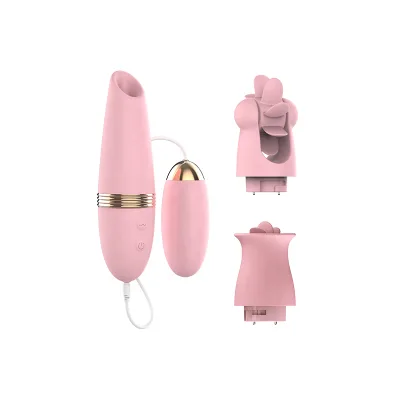
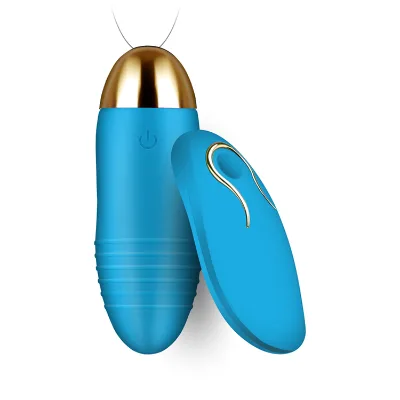
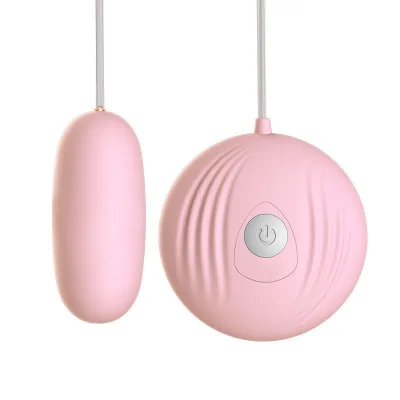
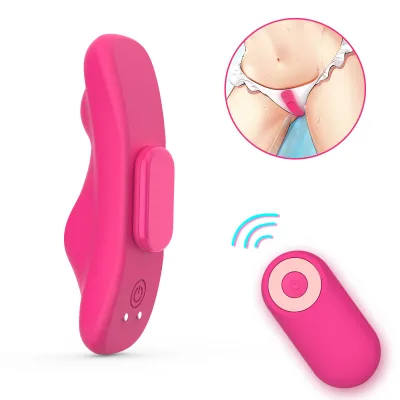
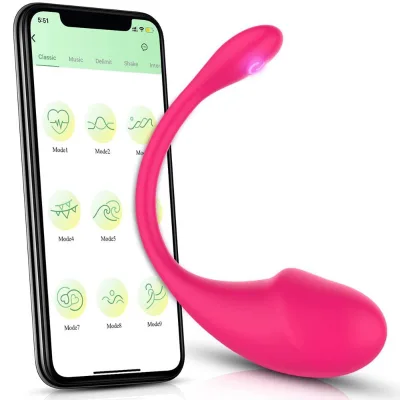
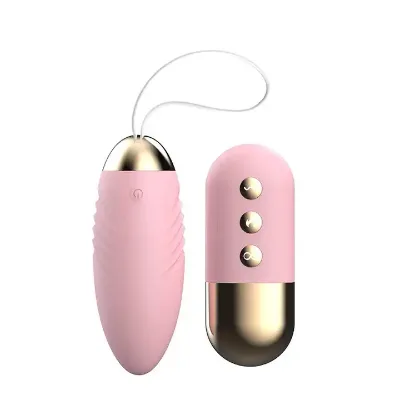
The procurement of ergonomic vibrating eggs requires a precise understanding of the underlying product architecture, as these devices are defined by their compact form factor and specific functional capabilities. In the current market, these items are predominantly categorized as vibrating eggs or clitoral sucking vibrators, designed primarily for female consumers. The core material composition for high-quality units in this category is typically silicone, a choice driven by its body-safe properties, flexibility, and ease of cleaning. Buyers must verify that the material grade aligns with the intended market positioning, ranging from mid-range to high-end toy classifications.
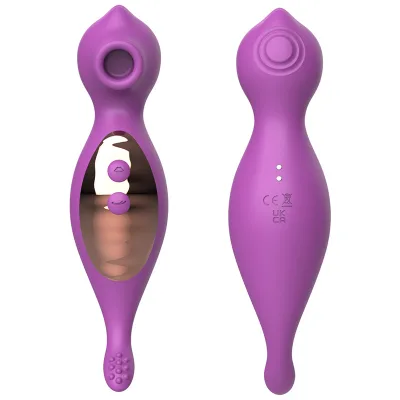
Technical specifications vary significantly across different models, influencing both the user experience and the manufacturing complexity. For instance, specific model numbers such as ET-SLE-022 and ET-STV-011 represent distinct engineering approaches. The ET-SLE-022 model is characterized by a silicone construction with a weight of 80g and dimensions of 195mm in length by 28mm in width. It features a rechargeable lithium-ion battery and offers ten distinct frequency vibration settings. In contrast, the ET-STV-011 model, often classified as a clitoral sucking vibrator, presents a different ergonomic profile with a weight of 110g and dimensions of 105mm by 50mm. This model distinguishes itself with a more complex motor system capable of ten speeds, ten frequencies, and ten panting modes, powered by a built-in Li-ion battery with a working duration of over one hour.
The physical dimensions are critical for ergonomic assessment. The single package size for the ET-SLE-022 is recorded at 15x6x4 cm, while the ET-STV-011 measures 12x6x6 cm. The controller size for specific units is noted at 60x37mm, ensuring a manageable interface for the user. Weight is another pivotal specification; while some units weigh 80g or 110g, other variants in the broader category may weigh up to 260g or as little as 55g. The noise level is a crucial technical constraint, with observed specifications indicating operation below 50dB, which is essential for discreet usage. Power supply mechanisms generally rely on rechargeable lithium-ion batteries, though some listings may reference generic battery types or USB charging capabilities at 3.7V.
Compliance, Certification, and Safety Standards
When sourcing intimate wellness products, compliance with international safety standards is non-negotiable. The primary certification observed in the current supply landscape for these products is the CE mark. This certification indicates that the product meets EU safety, health, and environmental requirements. However, buyers must exercise caution and verify the validity of such certifications on a per-shipment basis, as the presence of a certification label does not automatically guarantee that every unit in a batch adheres to the standard.
Beyond the CE mark, the material safety is paramount. The use of silicone is a strong indicator of quality, but the specific grade must be confirmed. The market data distinguishes between "Mid Toys" and "High-end Toys," suggesting a variance in material purity and manufacturing rigor. High-end classifications typically imply the use of medical-grade or body-safe silicone that is free from phthalates and other harmful additives. Buyers should request material safety data sheets (MSDS) or third-party testing reports to verify that the silicone used is non-toxic and hypoallergenic.
The electrical safety of the rechargeable lithium-ion batteries is another area requiring strict verification. Since these devices are used in close proximity to the body, the battery management system must prevent overheating, overcharging, or short circuits. The observed working time of over one hour for specific models suggests a certain battery capacity, but the actual safety of the charging mechanism depends on the internal circuitry design. Procurement teams should ensure that the power supply components are rated for the specific voltage and current requirements of the device, typically 3.7V for these applications.
Cost Drivers and Pricing Dynamics
The pricing of ergonomic vibrating eggs is influenced by a complex interplay of factors, including material costs, motor complexity, battery capacity, and packaging. The observed price range in the market spans from $0.71 to $25.59 USD, reflecting the vast diversity in product quality and feature sets. The lower end of this spectrum often corresponds to basic models with simpler motor configurations, standard silicone materials, and minimal packaging. Conversely, the higher price points are associated with advanced features such as multi-mode vibration (speed, frequency, and panting), superior silicone grades, and more robust battery systems.
The Minimum Order Quantity (MOQ) is another significant cost driver, with observed ranges spanning from 1 to 100 units. Lower MOQs offer flexibility for new market entrants or those testing specific designs but often come with a higher unit cost due to the lack of economies of scale. Higher MOQs can negotiate better pricing but require a larger upfront capital investment and storage capacity. The single gross weight of the products, ranging from 0.250 kg to 0.350 kg per unit, also impacts logistics costs. Shipping these items internationally involves considerations for weight and volume, which can significantly affect the landed cost.
Packaging plays a dual role in cost and marketing. The standard packaging for these items includes color boxes or package boxes, with specific dimensions like 15x6x4 cm or 12x6x6 cm. Customization options are available for packaging, which can add to the unit cost but enhance brand visibility. The selling units are typically single items, meaning that the pricing structure is per unit rather than per set, simplifying inventory management but requiring careful calculation of per-unit margins.
Typical Applications and Target Demographics
The primary application of ergonomic vibrating eggs is for sexual pleasure, specifically targeting female consumers. The design intent is to provide discreet, portable, and versatile stimulation. The product attributes indicate a focus on "vibrating sex pleasure" and "clitoral sucking" functions, catering to users seeking varied sensory experiences. The target demographic is segmented by age, with specific models aimed at consumers aged 20-30 years old and others targeting the 31-40 years old bracket. This segmentation suggests that marketing strategies should be tailored to the lifestyle and preferences of these age groups.
The consumer group is often described as "Successful People," implying a market positioning that appeals to individuals with disposable income who value quality and discretion. The "Unable" voice attribute indicates that these devices are designed for silent operation, which is a critical feature for users who prioritize privacy. The color options, including pink, purple, and red, allow for aesthetic customization, which can influence purchasing decisions based on personal preference or brand identity.
The ergonomic design is intended to fit comfortably within the body, with dimensions ranging from 105mm to 195mm in length and varying widths. The weight of the devices, from 55g to 260g, ensures that they are light enough for extended use but heavy enough to provide a sense of presence and stability. The application extends beyond simple vibration to include complex patterns like panting, which mimics natural rhythms and enhances the user experience.
Supplier Evaluation and Sourcing Strategy
Evaluating suppliers for ergonomic vibrating eggs requires a multi-faceted approach that goes beyond simple price comparison. The place of origin for the majority of these products is Guangdong, China, a region known for its manufacturing capabilities in electronics and consumer goods. Buyers should verify the supplier's location and ensure that the production facilities adhere to local labor and environmental standards. The presence of customization options, such as customized branding or packaging, indicates a supplier's flexibility and capacity for OEM (Original Equipment Manufacturer) services.
When assessing suppliers, buyers should look for evidence of quality control processes. The ability to provide specific model numbers, such as MN-Z24 or HB B17-2, suggests a level of standardization and traceability. Suppliers who can demonstrate a clear understanding of the technical specifications, including battery life, noise levels, and vibration frequencies, are more likely to deliver consistent product quality. The "Grade" attribute, distinguishing between mid-range and high-end toys, should be used as a benchmark for supplier capability. High-end suppliers should be able to provide detailed information about their material sourcing and manufacturing processes.
It is essential to avoid relying on unverified claims regarding performance or certifications. Buyers should request documentation to support any claims made by the supplier, such as CE certification or material safety reports. The absence of specific supplier names in the data underscores the importance of conducting independent due diligence. Buyers should engage in direct communication with potential suppliers to clarify details about lead times, production capacity, and after-sales support.
Quality Control and Long-Term Procurement Considerations
Quality control is the backbone of a successful procurement strategy for intimate wellness products. Given the sensitive nature of the product, even minor defects can lead to significant reputational damage. Buyers should implement a rigorous quality control protocol that includes pre-production sample approval, in-process inspections, and final random sampling. The focus should be on verifying the material integrity, the functionality of the motor and battery, and the durability of the packaging.
Long-term procurement considerations involve building a sustainable supply chain that can adapt to changing market demands. The availability of customization options allows buyers to differentiate their products in a competitive market. However, customization must be balanced with the cost implications and lead time extensions. Buyers should also consider the environmental impact of their sourcing decisions, particularly regarding the disposal of electronic components and packaging materials.
The variability in product attributes, such as weight, size, and battery life, necessitates a flexible procurement strategy. Buyers should maintain a diverse supplier base to mitigate risks associated with supply chain disruptions. Regular audits of supplier facilities and ongoing performance reviews are essential to ensure that quality standards are maintained over time. By focusing on these strategic elements, buyers can establish a robust sourcing framework that supports the long-term success of their product offerings in the Ergonomic Vibrating Egg market.
Comparative Analysis of Key Product Models
To facilitate informed decision-making, the following table compares key technical specifications of observed product models. This comparison highlights the diversity in features and helps buyers align product selection with specific market needs.
| Feature | Model ET-SLE-022 | Model ET-STV-011 | Model MN-Z24 | Model HB B17-2 |
|---|---|---|---|---|
| Type | Vibrating Egg | Clitoral Sucking Vibrator | Sex Toy | Sex Toy |
| Material | Silicone | Silicone | Silicone | Silicone |
| Weight | 80g | 110g | 260g | 55g |
| Dimensions | 195x28mm | 105x50mm | 92x42mm | 203x42mm |
| Vibration Modes | 10 Frequencies | 10 Speeds, 10 Freq, 10 Panting | Not Specified | Not Specified |
| Battery | Rechargeable Li-ion | Built-in Li-ion (>1 hr) | 3.7V USB Charging | Not Specified |
| Noise Level | Not Specified | < 50dB | Not Specified | Not Specified |
| Certification | Not Specified | Not Specified | CE | Not Specified |
| Color Options | Pink, Purple | Pink, Purple | Pink/Purple/Red | Not Specified |
| Target Age | Not Specified | Not Specified | 20-30 Years | 31-40 Years |
This comparative analysis underscores the importance of selecting a product model that aligns with the specific requirements of the target market. The variation in weight, dimensions, and vibration modes allows for a wide range of product positioning strategies. Buyers should carefully evaluate these specifications against their brand identity and customer expectations to ensure a successful market entry.
FAQs
What materials are used for ergonomic vibrating eggs?
These devices are primarily constructed from silicone to ensure body safety and flexibility. The market distinguishes between mid-range and high-end grades, with high-end options offering superior purity and hypoallergenic properties for sensitive skin contact.
How many vibration modes do these devices typically offer?
Specific models feature complex motor systems with ten speeds, ten frequencies, and ten panting modes. This multi-mode capability allows users to customize their experience through varied patterns rather than simple continuous vibration.
Can these products be certified for safety compliance?
Yes, CE certification is a standard observed in the supply landscape for these intimate wellness products. Buyers must verify the validity of this certification on a per-shipment basis to ensure EU safety and health requirements are met.
Which power supply types are common for these toys?
Most units utilize rechargeable lithium-ion batteries with a working duration of over one hour. Some variants may reference generic battery types or USB charging capabilities at 3.7V for convenient power management.
What is the typical noise level for these devices?
Observed specifications indicate operation below 50dB, ensuring discreet usage for privacy-conscious consumers. This low noise profile is a critical technical constraint for maintaining user comfort and discretion during operation.
How do prices vary across different product grades?
The market price range spans from 0.71 to 25.59 USD depending on material quality and feature complexity. Higher prices correlate with advanced motor configurations, superior silicone grades, and more robust battery systems compared to basic models.
What customization options are available for packaging?
Customization is available for branding and packaging, which can enhance brand visibility but adds to the unit cost. Standard packaging includes color boxes or package boxes with specific dimensions like 15x6x4 cm for single items.
Which target demographics are these products designed for?
These devices target female consumers aged 20 to 40 years old, often segmented by lifestyle preferences. Marketing strategies should be tailored to successful people who value quality, discretion, and varied sensory experiences.