Source Ethercat Bluetooth Io Adaptive Module for Automation
Source 30 Ethercat Bluetooth Io Adaptive Module options from verified manufacturers. Compare specifications including EtherCAT protocols, I/O capacity, and isolation features for industrial automation projects. Evaluate programmable logic control, Ethernet connectivity, and operating temperature ranges to select the right solution for your specific manufacturing needs today.
Key considerations
Products List

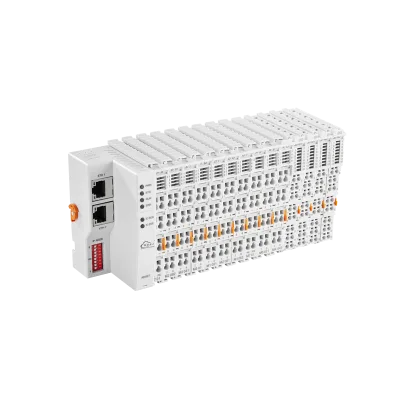
BLIIOT Distributed EtherCAT Digital Analog RTD Input and Output IO Module
$79.39 - $109.92
MOQ: 5 pieces

EtherCAT Analog IO for PLC Cabinet, 8 Point AIAO Remote Adapter Type Module
$45.00 - $249.00
MOQ: 1 Pieces


8 Points AI AO EtherCAT Remote IO Module for PLC, Analog Distributed IO Adapter
$45.00 - $249.00
MOQ: 1 Pieces


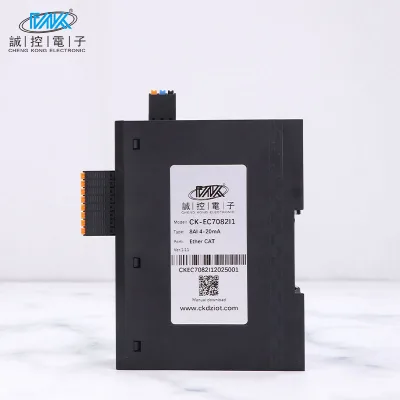
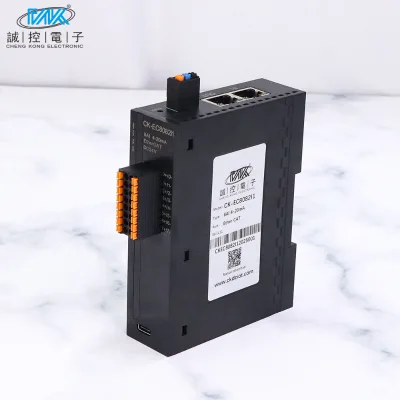
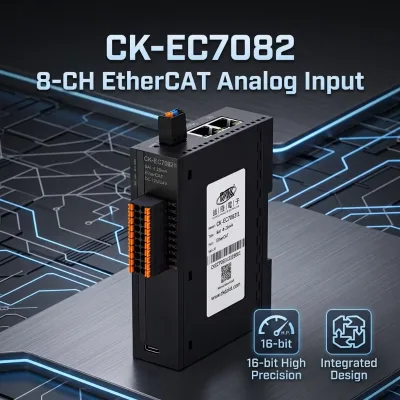


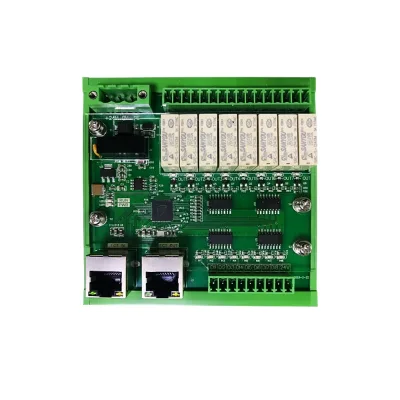
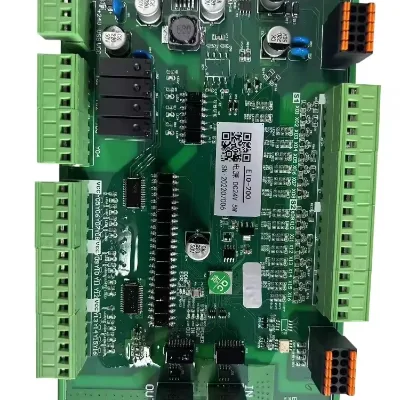
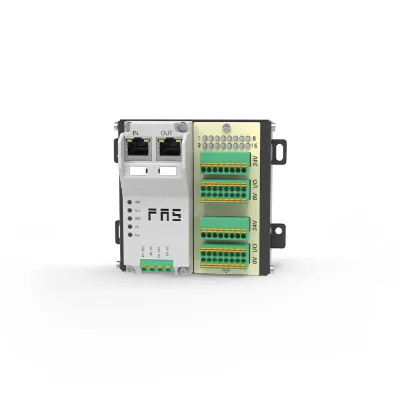
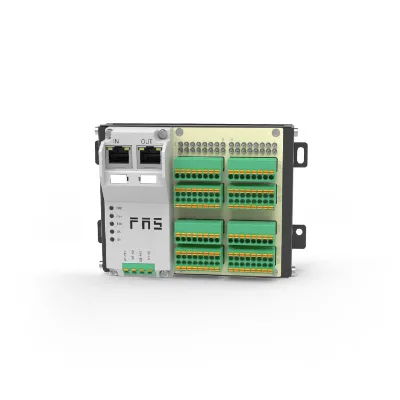

Comprehensive Sourcing Guide
Ethercat Bluetooth Io Adaptive Module Sourcing Guide
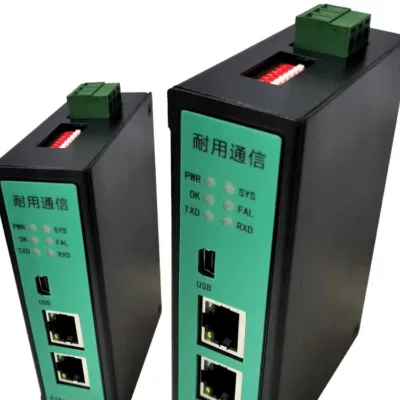
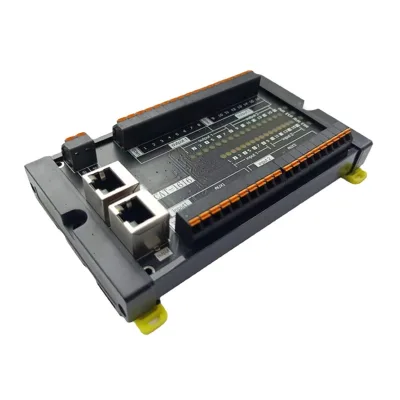
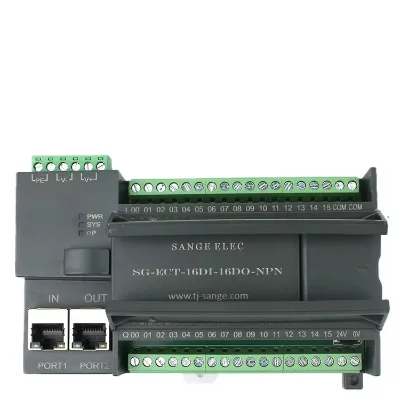
Buyers evaluating EtherCAT Bluetooth IO adaptive modules must first distinguish between pure EtherCAT industrial controllers and hybrid devices that may integrate wireless capabilities. The observed product listings describe Ethernet-based remote I/O modules with specific EtherCAT protocol support, featuring 32 channels of input and output. These units are designed for industrial automation environments where high-speed data transmission is critical, utilizing 100Mbps communication speeds and dual RJ45 ports for network redundancy.
Procurement teams should verify whether the "Bluetooth" descriptor in search queries refers to a specific wireless feature or is a misclassification of the Ethernet-based EtherCAT architecture. The available data confirms the presence of Linux-based operating systems and logic control capabilities, suggesting these modules can perform edge computing tasks. Buyers must ensure the selected hardware matches the specific connectivity requirements of their facility, as the listed specifications emphasize wired Ethernet connectivity rather than wireless Bluetooth transmission for the primary data link.
Product Scope and Observed Listing Signals
The observed product range includes remote I/O modules with a linear mathematical model and combination structures, supporting both digital and analog signal types. These devices are engineered for automatic control, monitoring, and measurement tasks, with a maximum capacity to expand the number of I/O modules up to 32 pieces. The physical form factor is designed for 35mm DIN rail installation, making them suitable for standard industrial control cabinets and compact automation setups.
Listing signals indicate that these modules support a wide variety of I/O types, including digital input, digital output, analog input, analog output, RTD sensors, and serial ports. The power supply requirements are specific, operating on 24VDC with a maximum current draw of 500mA for the module itself, while the I/O port side can handle up to 10A of output current. Buyers should note that while some listings mention "Bluetooth" in search terms, the confirmed technical attributes focus heavily on EtherCAT protocol integration and Ethernet connectivity via dual RJ45 interfaces.
Technical Specifications to Verify
When validating technical specifications, procurement specialists must confirm the operating temperature range, as observed data presents conflicting ranges between -20℃ to +60℃ and 0 to 55°C. It is essential to verify the specific environmental rating required for the installation site, as the storage temperature range extends from -20 to +85°C, but the operational limits may vary by specific sub-model. Additionally, the isolation rating of 3000V via optocoupler is a critical safety feature that must be confirmed against the electrical noise environment of the target application.
Buyers must also scrutinize the communication protocol implementation to ensure full compatibility with their existing EtherCAT master controllers. The listed specifications confirm support for the EtherCAT protocol with 100Mbps communication speed, but the exact timing behavior and cycle time performance should be verified against the control system's requirements. Furthermore, the programmable nature of the device, which includes logic control and edge computing capabilities on a Linux system, requires a review of the software development environment and the specific firmware version to ensure it meets the application's functional needs.
Compliance and Safety Documentation
Compliance verification is paramount when sourcing industrial automation components, and the observed listings cite RoHS and ISO certifications, including CE marking. Buyers must request current, valid certificates of conformity that explicitly cover the specific model number and batch being purchased, as certification status can vary between production runs. The IP20 protection class indicates the device is suitable for indoor environments free of solid objects larger than 12.5mm, but it is not rated for dust or water exposure, which must be accounted for in the installation design.
Safety documentation should also include detailed electrical isolation specifications and power supply guidelines to prevent equipment damage or personnel injury. The listed isolation of 3000V is a significant safety feature, but buyers should verify the specific test standards used to validate this rating, such as IEC 61131-2 or equivalent national standards. Additionally, the relative humidity rating of 95% non-condensing must be confirmed against the actual site conditions to ensure long-term reliability, as exceeding these limits can lead to internal component failure or corrosion.
Cost Drivers and Commercial Terms
Cost structures for EtherCAT IO modules are influenced by the complexity of the I/O configuration, the inclusion of edge computing capabilities, and the specific communication protocol implementation. The observed price range spans from $1.50 to $2000, reflecting a wide variety of configurations from basic I/O expansion units to advanced modules with integrated logic control and Linux operating systems. Buyers should analyze the total cost of ownership, including the potential need for additional software licenses or development tools required to program the edge computing functions.
Commercial terms such as Minimum Order Quantity (MOQ) and lead times are critical factors in the procurement process, with observed MOQs ranging from 1 to 200 units. The flexibility of the supplier to offer customized solutions, as indicated by the "Customized: Available" and "OEM: YES" attributes, can impact pricing and delivery schedules. Procurement teams must negotiate clear terms regarding packaging, which is typically listed as cartons, and ensure that the single package size of 22x19x10 cm and gross weight of 0.800 kg are factored into logistics planning and shipping cost estimates.
Supplier Qualification and Quality Control
Supplier qualification should prioritize manufacturers who explicitly state their status as an "Original Manufacturer" rather than third-party distributors, as this often correlates with better technical support and warranty coverage. The observed listings identify the brand as BLIIoT, and buyers should verify the supplier's direct relationship with this brand to ensure authenticity. It is also crucial to assess the supplier's ability to provide the "Customized" standard options mentioned in the product attributes, as this indicates a capacity for tailored engineering solutions.
Quality control processes must be rigorously evaluated, focusing on the supplier's adherence to the stated ISO and CE certifications. Buyers should request evidence of their production quality assurance systems, including how they handle the "Condition: New" status and ensure that every unit meets the specified electrical and mechanical tolerances. The ability to support the "Expand The Number of I/O Modules" feature up to 32 pieces requires a robust supply chain, and suppliers should demonstrate their capacity to maintain consistent quality across large production runs.
Long-Term Procurement Checks
Long-term procurement strategies must account for the lifecycle management of the EtherCAT IO modules, including firmware updates and hardware obsolescence. Since these devices run on a Linux system and support edge computing, buyers should verify the supplier's commitment to providing long-term software support and security patches. The programmable nature of the module means that the control logic may need to be updated as process requirements change, making the availability of development resources a key long-term consideration.
Buyers should also establish a clear plan for spare parts inventory and replacement strategies, given the specific power and environmental requirements of the modules. The observed data indicates a specific power input of 24V(±20%) and a working temperature range that must be maintained, so future replacements must match these exact specifications to ensure system compatibility. Establishing a relationship with a supplier who can guarantee consistent availability of the 32-channel modules and their associated I/O ports is essential for maintaining operational continuity in industrial automation applications.
FAQs
What is the maximum I/O capacity for this EtherCAT module?
The module supports a maximum of 32 I/O modules, allowing for extensive expansion in industrial automation setups. This capacity includes digital input, digital output, analog input, and analog output configurations. It enables flexible integration of various sensors and actuators while maintaining reliable communication through the EtherCAT protocol for precise control.
Can this device be customized for specific industrial applications?
Yes, customization is available for this EtherCAT IO module to meet specific industrial automation requirements. The product supports OEM services and allows for tailored configurations. Buyers can request non-customized or customized versions depending on their project needs, ensuring the hardware aligns perfectly with unique operational demands and integration standards.
What certifications does this EtherCAT module hold?
This module holds ISO, CE, and RoHS certifications, ensuring compliance with international safety and environmental standards. These certifications verify that the product meets rigorous quality and regulatory requirements for industrial use. Buyers can rely on these documented credentials for procurement compliance and assurance of product safety in global markets.
How is the module installed and what is its structure?
The module features a combination structure and is designed for easy installation on a 35mm DIN rail. This standard mounting method facilitates quick deployment in control cabinets. The compact design, measuring 90x67x34mm, allows for efficient space utilization while providing robust connectivity for digital and analog signals in automated environments.
What are the power supply requirements for the I/O ports?
The I/O port side requires a 24V DC power supply with a tolerance of plus or minus 20%. The maximum output current is 10A, and the module itself draws a maximum of 500mA at 24VDC. This ensures stable operation for connected devices while maintaining energy efficiency in industrial control systems.
What operating system and protocols does the module support?
The module runs on a Linux operating system and supports the EtherCAT protocol for high-speed communication. It features two RJ45 Ethernet ports with a communication speed of 100Mbps. This setup enables efficient data exchange and logic control, making it suitable for complex industrial automation tasks requiring reliable network connectivity.