Source Ethercat Bus Valve Terminal Assembly for Automation
Compare 30 Ethercat Bus Valve Terminal Assembly units with features like EtherCAT communication, IP67 protection, and automatic control. Buyers can evaluate specifications including 100Mbps bus speed and 32 output points from suppliers in Nanjing and Germany.
Key considerations
Products List


Fieldbus Bus Valve Terminal with Easy Installation and Fast Maintenance
$96.04 - $137.20
MOQ: 1 Pieces


Industrial Bus Valve Terminal with Robust and Compact Mechanical Design
$96.04 - $137.20
MOQ: 1 Pieces
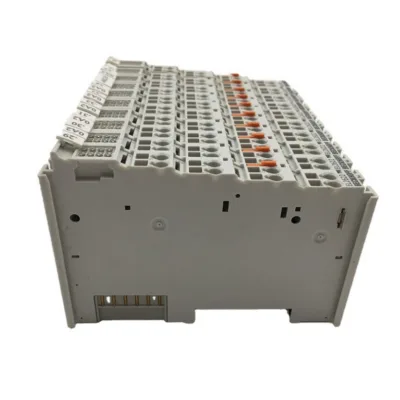
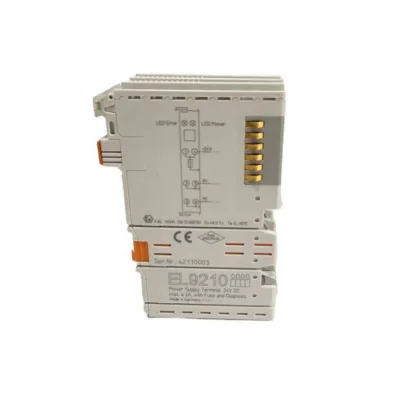
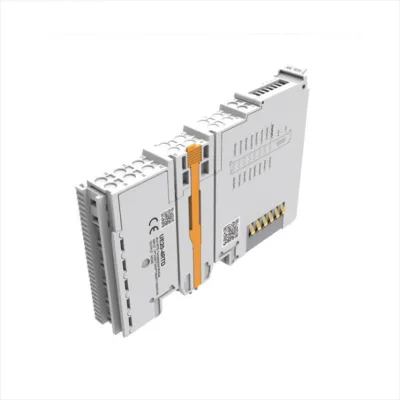
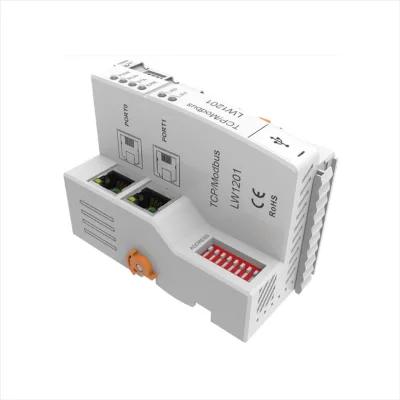
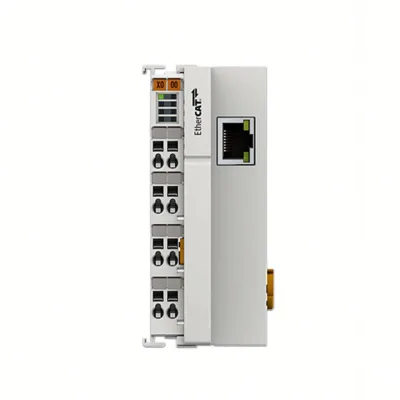
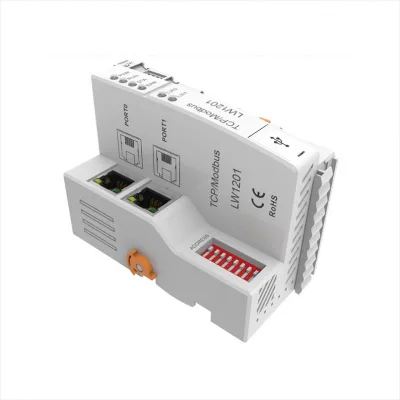
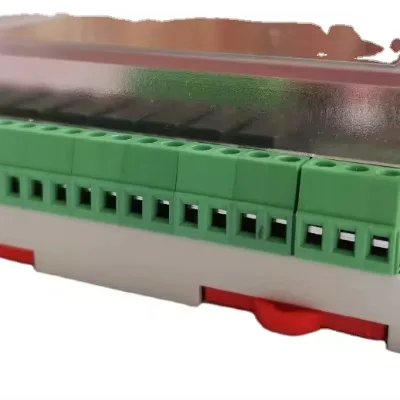
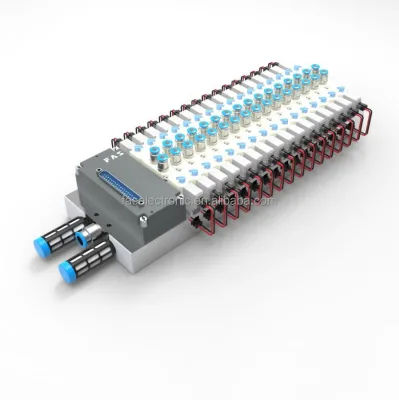


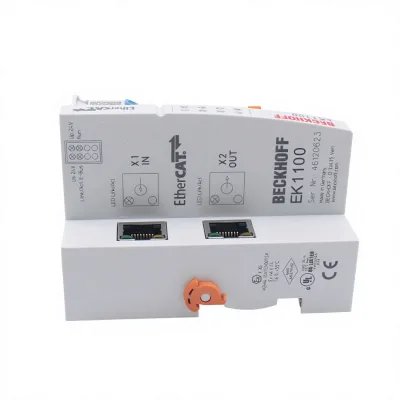


Comprehensive Sourcing Guide
Strategic Sourcing Guide for EtherCAT Bus Valve Terminal Assemblies
The industrial automation landscape continues to evolve with a decisive shift toward decentralized control architectures, where EtherCAT (Ethernet for Control Automation Technology) bus systems serve as the backbone for high-speed, deterministic communication. For procurement professionals researching the core keyword "Ethercat Bus Valve Terminal Assembly," the primary challenge lies in navigating a fragmented market where product attributes vary significantly between manufacturers. This guide synthesizes available product data and industry best practices to provide a disciplined framework for evaluating, sourcing, and integrating these critical components into pneumatic and hydraulic control systems. The focus remains on evidence-based decision-making, ensuring that buyers can distinguish between verified specifications and marketing assertions.
Technical Architecture and Functional Specifications
Understanding the internal architecture of an Ethercat Bus Valve Terminal Assembly is the first step in defining precise procurement requirements. These devices function as intelligent interface modules that bridge the gap between a central EtherCAT master controller and individual solenoid valves. Based on observed product data, the functional core of these assemblies often centers on automatic control capabilities, allowing for seamless integration into complex automation loops without the need for extensive wiring harnesses. A critical observation in the current market involves the communication protocol speed; verified units demonstrate a bus speed of 100Mbps, which is essential for maintaining the low latency required in high-cycle manufacturing environments.
The physical and electrical characteristics of the assembly dictate its suitability for specific plant conditions. The allowable voltage variation is typically rated at ±10% of the rated voltage, providing a necessary buffer against grid fluctuations. Power consumption metrics are equally vital for thermal management and energy efficiency planning. Data indicates that specific modules operate with a current consumption of 24V/42mA, while the adapter power supply is rated for 24V / 2.2A. The solenoid valve power supply itself is generally rated at 24V / 2A. These figures are not merely nominal; they represent the baseline for calculating the total power budget of a control cabinet. Furthermore, the communication distance is a key performance indicator, with observed specifications supporting a range of up to 100m, which influences the physical layout of the control system and the placement of I/O stations.
The input/output capacity defines the scalability of the assembly. Buyers should verify that the module supports an input/output maximum of 6/4 bytes, ensuring compatibility with the data structure of the master controller. The number of output points from the adapter is a critical metric for system density; observed units offer 32 output points, allowing for a compact arrangement of valve stations. The self-contained output form is predominantly NPN, a standard configuration that must be matched with the sensor and actuator logic of the existing plant infrastructure. Additionally, the communication exception output capability, which can be configured to hold, off, or sub states, provides essential fault-handling flexibility during system diagnostics.
Compliance, Certification, and Material Standards
In the realm of industrial procurement, compliance is not optional; it is a prerequisite for market entry and operational safety. The supplied product data highlights specific certifications that serve as markers of quality and regulatory adherence. High-confidence facts indicate that verified units carry RoHS (Restriction of Hazardous Substances) certification, ensuring that the assembly is free from specific hazardous materials. Furthermore, the presence of ISO and CE markings suggests adherence to international safety and quality management standards, as well as compliance with European Union directives. Buyers must treat these certifications as observations of specific listings rather than universal guarantees for all products in the category.
Material composition is another critical factor influencing durability and environmental resistance. The observed product attributes specify that the housing material is Aluminium, a choice that offers an optimal balance of weight reduction, thermal conductivity, and electromagnetic shielding. The protection class is rated at IP67, indicating that the assembly is dust-tight and capable of withstanding temporary immersion in water. This level of ingress protection is essential for environments where washdowns are required or where dust and moisture are prevalent.
Standardization also extends to the physical dimensions and packaging. The product standard is noted as 90× 100× 45.4mm, providing a precise footprint for cabinet layout planning. The single package size is observed at 30.00X30.00X30.00 cm, and the single gross weight is 1.000 kg. These logistical parameters are vital for calculating shipping costs and storage requirements. The surface finishing is described as Matte Lamination, which can contribute to scratch resistance and aesthetic consistency in industrial settings. Buyers should verify that the "original" condition of the product is explicitly stated in the supplier documentation, as this distinguishes genuine components from refurbished or third-party copies.
Cost Drivers and Pricing Dynamics
The pricing structure for EtherCAT bus valve terminal assemblies is influenced by a complex interplay of technical specifications, brand reputation, and supply chain logistics. The observed listed price range in the current market spans from 0 to 550 USD, a wide variance that reflects differences in functionality, brand tier, and included accessories. This range should not be interpreted as a fixed price point but rather as a market indicator of the spectrum of available products. Factors driving cost include the number of output points, the robustness of the communication module, and the inclusion of advanced safety features.
Minimum Order Quantity (MOQ) is another significant cost driver. The observed MOQ range is between 1 and 2 units, suggesting that the market is accessible for both prototyping and small-batch production. However, buyers must be cautious; a low MOQ does not necessarily imply a lower unit price. In many cases, unit costs decrease significantly as volume increases, so the total cost of ownership must be calculated based on the projected lifecycle of the project. The selling units are typically listed as single items, which simplifies the initial procurement process but may require careful aggregation for larger deployments.
When evaluating cost, buyers should also consider the total cost of installation. A unit with a higher upfront cost might offer superior power protection features, such as short circuit protection and reverse connection protection, which can reduce long-term maintenance expenses. The power protection specifications observed include safeguards against short circuits and reverse connections, features that are critical for preventing catastrophic failures in the field. Therefore, the cheapest option is not always the most economical choice when considering the risk of downtime and repair costs.
Typical Applications and Operational Context
EtherCAT bus valve terminal assemblies are designed for applications requiring high-speed, deterministic control of pneumatic or hydraulic actuators. The compact valve island concept, as suggested by the product attributes, is particularly suited for space-constrained machinery where traditional wiring is impractical. The automatic control function allows these modules to be integrated into a wide range of industries, including automotive manufacturing, packaging machinery, and material handling systems.
The specific model numbers observed, such as Mtc-Ec-01, MTC, and EV, along with the Ethernet Bus Coupler E-bus designation, indicate a variety of form factors and integration methods. Some units are described as terminal blocks, while others are identified as PCB terminal blocks or ceramic terminal blocks. These variations suggest that the assemblies are tailored to different mounting requirements and environmental conditions. For instance, a ceramic terminal block might be preferred in high-temperature environments, while a PCB-based solution might be chosen for compact, high-density applications.
The communication distance of 100m allows for distributed control architectures where the valve terminals can be located far from the central controller. This is particularly beneficial in large-scale facilities where minimizing cable runs can reduce installation time and cost. The ability to handle 32 output points per adapter means that a single module can control a significant number of valves, reducing the need for multiple I/O stations and simplifying the overall system architecture.
Supplier Evaluation and Quality Assurance
Evaluating suppliers for EtherCAT bus valve terminal assemblies requires a rigorous approach to verifying claims and ensuring product authenticity. The market contains a mix of original equipment manufacturers and third-party distributors. Buyers should prioritize suppliers who can provide clear documentation regarding the "original" status of the product. The observed attributes mention "original and new" conditions, which should be corroborated with serial numbers and manufacturer warranties.
Quality control processes are essential to ensure that the delivered products meet the specified standards. Buyers should request evidence of the IP67 rating, RoHS compliance, and CE certification for each batch. The production origin is a relevant factor; observed data lists origins in both Nanjing and Germany, indicating a global supply chain. While the place of origin does not inherently dictate quality, it can influence lead times and shipping costs. The surface finishing of Matte Lamination and the material of Aluminium should be verified through visual inspection or material test reports upon delivery.
The customization availability is a key differentiator among suppliers. The observed attribute "Customization: Available" suggests that some manufacturers can tailor the product to specific requirements, such as custom wiring harnesses or modified communication protocols. Buyers should assess whether the supplier has the engineering capacity to support these customizations without compromising the integrity of the product. The condition of the product, whether "New" or "Customized," should be clearly defined in the purchase order to avoid misunderstandings.
Long-Term Procurement and Lifecycle Management
Sourcing EtherCAT bus valve terminal assemblies is not a one-time transaction but a long-term commitment that requires careful lifecycle management. The availability of spare parts and the longevity of the product are critical considerations. The observed product model numbers, such as EK9700 and MTC, suggest that there are established product lines with a history of support. Buyers should verify the expected service life of the components and the availability of replacement modules.
The power protection features, including short circuit and reverse connection protection, are designed to extend the lifespan of the assembly by preventing damage from electrical anomalies. However, regular maintenance and inspection are still necessary to ensure continued reliability. The input/output maximum bytes and the communication exception output capabilities should be monitored to ensure that the system continues to operate within the specified parameters.
As automation systems evolve, the need for software updates and firmware upgrades may arise. Buyers should inquire about the supplier's policy on software support and the availability of updates for the EtherCAT bus coupler. The ability to update the firmware can extend the useful life of the hardware and ensure compatibility with new master controllers.
Comparative Analysis of Product Variants
To facilitate informed decision-making, it is useful to compare the observed product variants based on key attributes. The following table summarizes the differences between the primary models identified in the market data.
| Attribute | Model Mtc-Ec-01 / MTC | Model EK9700 | General EtherCAT Bus Coupler |
|---|---|---|---|
| Primary Function | Automatic Control | Terminal Module | Bus Coupler |
| Communication Speed | 100Mbps | 100Mbps | 100Mbps |
| Output Points | 32 (from adapter) | Varies by Type | Varies by Type |
| Protection Class | IP67 | IP67 | IP67 |
| Material | Aluminium | Aluminium | Aluminium |
| Certification | RoHS, ISO, CE | RoHS, ISO, CE | RoHS, ISO, CE |
| Origin | Nanjing / Germany | Germany | Nanjing / Germany |
| Voltage | 24V / 42mA | 24V / 42mA | 24V / 42mA |
This comparison highlights that while the core specifications are largely consistent across the observed models, the specific application context (e.g., terminal block vs. bus coupler) may dictate the choice of model. The consistency in certification and material suggests a high baseline of quality across the category, but the specific output configuration and mounting type should be the primary drivers of selection.
Final Procurement Considerations
In conclusion, sourcing EtherCAT bus valve terminal assemblies requires a balanced approach that weighs technical specifications against cost and supplier reliability. The observed data provides a solid foundation for understanding the capabilities of these components, but buyers must remain vigilant in verifying claims and ensuring that the selected products meet the specific needs of their application. By focusing on the core attributes of communication speed, power protection, and certification, procurement professionals can make informed decisions that enhance the efficiency and reliability of their automation systems. The market offers a diverse range of options, from compact valve islands to robust bus couplers, and the key to success lies in matching the right product to the right application while maintaining a clear focus on long-term value and operational continuity.
FAQs
What is the bus speed of this EtherCAT assembly?
The bus speed is 100Mbps, ensuring low latency for high-cycle manufacturing. This speed supports deterministic communication required for precise control of pneumatic and hydraulic actuators in automated systems.
How many output points does the adapter provide?
The adapter provides 32 output points, allowing for a compact arrangement of valve stations. This capacity supports system density and reduces the need for multiple I/O stations in the control cabinet.
Which certifications are verified for these units?
Verified units carry RoHS certification and display ISO and CE markings. These certifications indicate adherence to international safety standards and compliance with European Union directives regarding hazardous substances.
Can the product be customized for specific needs?
Customization is available for specific requirements such as wiring harnesses or modified protocols. Buyers should assess the supplier's engineering capacity to support these customizations without compromising product integrity.
What is the protection class of the housing?
The protection class is IP67, making the assembly dust-tight and resistant to temporary water immersion. This rating is essential for environments requiring washdowns or where dust and moisture are prevalent.
How far can the communication distance extend?
The communication distance supports up to 100m, influencing the physical layout of the control system. This range allows for distributed control architectures where valve terminals are located far from the central controller.
What is the power supply requirement for the adapter?
The adapter power supply is rated for 24V / 2.2A to ensure stable operation. This specification is critical for calculating the total power budget of the control cabinet and managing thermal loads.
Which material is used for the assembly housing?
The housing material is Aluminium, offering a balance of weight reduction and thermal conductivity. This material choice also provides necessary electromagnetic shielding for reliable signal transmission in industrial settings.