Source Ethernet Comfort SIMATIC HMI Panel for Automation
Find 30 listings for the Ethernet Comfort SIMATIC HMI Panel to compare specifications like screen sizes and communication interfaces. These units support industrial automation tasks with features such as Ethernet connectivity and Windows Embedded Compact 7 operating systems for reliable monitoring and measurement.
Key considerations
Products List


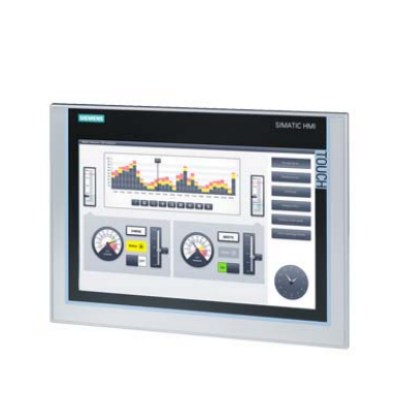


6AV2128-3qb06-0ax1 Automatic Simatic HMI Siemen S Unified Comfort Panel, Touch Operation
$1000.00 - $3000.00
MOQ: 1 Pieces


Comprehensive Sourcing Guide
Ethernet Comfort SIMATIC HMI Panel Sourcing Guide
Procurement professionals must first distinguish between the specific product families available in the current market, as the data indicates a split between standard industrial panels and specialized high-resolution units. Some listings explicitly reference the Simatic HMI Operating Panel series with model numbers like 6AV2128-3MB06-0AX1, originating from Germany, while others describe similar touch screen panels manufactured in Guangdong, China. This geographic and model divergence suggests that buyers must carefully verify the origin and specific series designation before placing an order to ensure compatibility with existing infrastructure.
The functional scope of these devices varies significantly, ranging from basic monitoring and measurement tasks to complex automatic control and protection applications. While some units are described as non-customized with a combination structure, others explicitly offer customization options and support linear or non-linear mathematical models. Buyers should align their specific operational requirements, such as the need for Windows Embedded Compact 7 or specific communication interfaces like RS-485, with the exact functional attributes listed in the product specifications to avoid procurement mismatches.
Product Scope and Observed Listing Signals
Buyers should analyze the observed price range of 1 to 12,500 USD as a critical signal for product differentiation rather than a uniform market rate. This wide variance likely reflects differences in screen size, processing power, and origin, with larger 15.6-inch units or those featuring Intel Atom E3825 processors commanding higher valuations compared to smaller 4.3-inch models. Understanding this spectrum helps procurement teams set realistic budget expectations and identify which specific feature sets justify the premium pricing observed in the higher tiers of the market.
Minimum Order Quantity (MOQ) signals also provide insight into supplier flexibility and inventory depth, with observed ranges spanning from single units to ten pieces. This variability allows small-scale testing or pilot projects to proceed without excessive capital commitment, while larger orders may benefit from the stated supply ability of 1,000 pieces per month. Procurement planners must verify if the supplier can meet immediate demand for single units or if they require bulk commitments, ensuring that the supply chain can support both urgent replacements and long-term deployment schedules.
Technical Specifications to Verify
Verification of the display and processing architecture is paramount, as specifications range from 4.3 to 15.6 inches with resolutions varying between 1024x768 and 1920x1080. Some units feature a massive 154-inch display size, which requires careful validation against actual physical constraints and mounting requirements in the intended industrial environment. Buyers must confirm the exact screen size and resolution ratio to ensure that the Human-Machine Interface provides sufficient clarity for operators to read critical data and execute control tasks without visual strain.
Communication and interface capabilities must be rigorously checked against the plant's network topology, as options include Ethernet, Industrial Ethernet, WAN, and LAN alongside serial ports like RS-232 and RS-485. Specific configurations may offer multiple COM ports with varying wire configurations, such as COM2 supporting both 2-wire and 4-wire modes, which is essential for integrating with diverse legacy and modern field devices. Ensuring the selected panel supports the required network protocols and physical interface standards is a non-negotiable step to guarantee seamless data exchange and system integration.
Compliance and Safety Documentation
Safety and regulatory compliance are foundational, with observed certifications including RoHS, CCC, and ISO: CE across different product listings. Buyers must ensure that the specific unit they intend to purchase carries the necessary certifications for their region and industry, as the presence of these marks indicates adherence to environmental and safety standards. It is critical to request valid certification documents for the exact model number, as compliance status can vary between the German and Chinese manufacturing origins listed in the product data.
Protection levels and electrical safety ratings are equally vital for deployment in harsh industrial environments, with some units rated for IP65 on the front and IP20 on the back. The ability to withstand 500VAC for one minute further underscores the robustness required for industrial automation applications where electrical surges or transient spikes are common. Procurement teams should verify that the housing material, typically a combination of plastic and aluminum, meets the specific durability and grounding requirements of the installation site to prevent premature failure.
Cost Drivers and Commercial Terms
The total cost of ownership is heavily influenced by the warranty terms and the condition of the goods, with a standard 12-month warranty observed for new units. Buyers should clarify whether the warranty covers only the hardware or includes software support and on-site service, as this significantly impacts long-term operational costs. Additionally, confirming that the product is listed as "New" and "100% Original Package" is essential to avoid the risks associated with refurbished or counterfeit components that may lack full manufacturer support.
Packaging and logistics standards also play a role in the final commercial terms, with products typically shipped in cartons or carton boxes. The physical dimensions of the standard, such as 396 × 246 × 60 mm, must be considered when calculating shipping costs and storage requirements for the receiving facility. Procurement professionals should negotiate clear terms regarding packaging integrity to ensure that the sensitive electronic components arrive without damage, especially given the varying origins and potential for longer transit times from international suppliers.
Supplier Qualification and Quality Control
Supplier qualification requires a deep dive into the manufacturing origin and the specific series designation, as the market contains both German-made Simatic panels and Chinese-manufactured equivalents. Buyers must verify the supplier's ability to provide traceable documentation for the specific model numbers, such as 6AV2123-2GB03-0AX0, to ensure authenticity and performance consistency. Relying on the stated supply ability of 1,000 pieces per month is a good starting point, but actual production capacity and quality control processes should be validated through direct inquiry or third-party audits.
Quality control protocols should be explicitly defined, particularly regarding the customization options available for specific project needs. While some units are non-customized, others offer tailored solutions, and the supplier must demonstrate a robust process for managing these custom orders without compromising the core functionality or safety standards. Establishing clear acceptance criteria for the touch type, backlight type, and resolution before shipment is essential to ensure that the delivered products meet the exact technical specifications required for the application.
Long-Term Procurement Checks
Sustainability and lifecycle management are critical considerations, as the procurement of industrial automation components often extends over many years. Buyers should assess the availability of spare parts and the longevity of the operating system, such as Windows Embedded Compact 7, to ensure that the system remains supported and secure throughout its operational life. Planning for end-of-life scenarios and potential obsolescence is necessary to avoid costly downtime or the need for complete system replacements in the near future.
Regular performance monitoring and maintenance checks should be integrated into the procurement strategy to maximize the utility of the installed panels. The high contrast ratio of 500:1 and 16.7 million display colors are key features that contribute to long-term usability, but their effectiveness depends on proper installation and environmental conditions. Establishing a schedule for periodic inspections of the touch screen, communication interfaces, and protection levels will help maintain optimal performance and extend the service life of the equipment.
FAQs
What certifications do Simatic HMI panels typically hold?
Simatic HMI panels typically hold RoHS, CCC, and CE certifications. These marks indicate compliance with international safety and environmental standards. Buyers should verify specific model documentation to ensure the listed certifications match the exact unit being sourced for their industrial application requirements.
Can I customize ethernet comfort simatic hmi panels?
Yes, customization is available for many Simatic HMI models. While some units are non-customized standard products, others support tailored configurations. Buyers should specify their unique interface or functional needs during the sourcing process to ensure the manufacturer can accommodate the requested modifications effectively.
What is the warranty period for these panels?
The standard warranty period for these panels is 12 months. This coverage protects against manufacturing defects and ensures operational reliability during the initial year. Buyers should confirm warranty terms with the supplier to understand the scope of support and any potential extension options available.
Which communication interfaces are supported by these panels?
These panels support Ethernet, Industrial Ethernet, RS-232, and RS-485 interfaces. RS-232 is typically assigned to COM1, while RS-485 options include COM2 and COM3 configurations. This variety allows seamless integration into diverse industrial automation networks and legacy systems requiring specific serial communication protocols.
What is the supply ability for these units?
The supply ability is listed as 1000 pieces per month. This capacity supports medium-scale industrial procurement needs. Buyers requiring larger volumes should discuss bulk ordering options with suppliers to ensure consistent availability and potentially negotiate favorable terms based on the monthly production capacity constraints.
How are these panels packaged for shipping?
These panels are packaged in 100% original carton boxes. This packaging ensures protection during transit and maintains the pristine condition of the electronic components. Buyers should verify that the packaging meets their logistics requirements to prevent damage upon arrival at the destination facility.