Source Euro 4 12000L Garbage Truck for Urban Sanitation, Industrial Areas, Public Facilities
Compare 30 available units of the Euro 4 12000L Garbage Truck designed for urban sanitation, industrial areas, and public facilities. Buyers can review specifications including volume, drive types, and customization options to find the right compactor or transport vehicle.
Key considerations
Products List

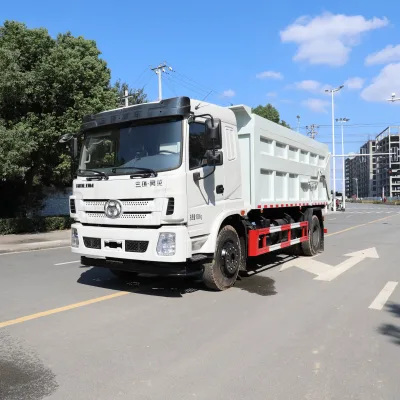
Heavy-Duty Garbage Truck with 12m3 Capacity for Efficient Waste Management
$12800.00 - $34000.00
MOQ: 1 Pieces


$3200.00 - $3300.00
MOQ: 1 unit


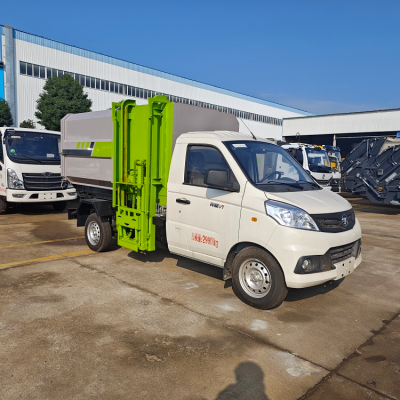


10000L Garbage Compactor Truck Waste Compactor Trucks 15m3 Garbage Truck
$5000.00 - $9500.00
MOQ: 1 Sets


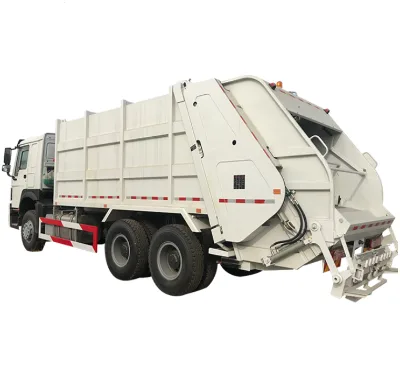

Convenient Compression-Type Garbage Truck for Municipal Sanitation
$15000.00 - $18000.00
MOQ: 1 Pieces
Comprehensive Sourcing Guide
Sourcing Guide for Euro 4 12000L Garbage Truck Procurement
Understanding Technical Specifications and Capacity Requirements
When sourcing a garbage truck with a 12,000-liter capacity, buyers must align their operational needs with the specific technical attributes observed in the market. The core keyword implies a vehicle designed for significant waste volume, yet the available product data reveals a diverse range of configurations that may or may not meet this specific volume requirement. While some listings indicate a volume range of 10,001 to 15,000 liters, which directly encompasses the 12,000-liter target, other entries show smaller capacities such as 3,001 to 6,000 liters or specific cubic meter measurements like 4m³, 5m³, 6m³, and 8m³. This discrepancy highlights the necessity for buyers to verify the exact tank volume before finalizing a purchase order.
The mechanical architecture of these vehicles varies significantly. The observed product data includes models with a "Single Bridge" configuration and a payload capacity of 20 tons. This high payload rating suggests that the chassis is robust enough to handle the weight of a full 12,000-liter load, as the density of compacted waste can be substantial. However, the drive wheel configuration is listed as "4×Emission Standard:Euro Fuel:Diesel," indicating a standard four-wheel drive setup common in heavy-duty sanitation vehicles. Buyers should confirm whether the specific unit they are evaluating utilizes a manual or automatic transmission, as the market data shows both types are available. For instance, some electric or smaller utility variants feature automatic transmissions, while larger compactor models often retain manual gearboxes for better torque control during loading cycles.
The compaction mechanism is another critical technical variable. The usage types observed include "Swing Arm Type," "Arm Type," and "Compression Type." A 12,000-liter truck is most likely to utilize a Compression Type mechanism to maximize density and efficiency, but the "Swing Arm" or "Straight Arm" configurations are also present in the data. The maximum lifting weight for certain crane-equipped models is listed between 11 and 13 tons, with a maximum lifting height of 15 to 20 meters. While these figures may apply to specific crane or lifting arm models rather than the compactor body itself, they provide a benchmark for the structural integrity of the chassis. Buyers must ensure that the lifting mechanism, if present, is compatible with the standard garbage bins used in their region.
Compliance and Certification Verification Protocols
Ensuring that a garbage truck meets international and local regulatory standards is paramount for legal operation and resale value. The provided product facts explicitly list certifications including ISOTSEPA, EEC, RoHS, and CE. These designations suggest that the manufacturer adheres to specific environmental and safety protocols. However, the core keyword specifies "Euro 4," which refers to a specific emission standard. The observed data mentions "Emission Standard: Euro Fuel:Diesel" and "Emission Standard: Euro," but it does not explicitly confirm "Euro 4" as a universal attribute for every listed unit.
Buyers must treat the certification list as a starting point for verification rather than a guarantee of compliance for every specific model. The presence of CE and EEC markings indicates conformity with European Economic Community directives, which often align with Euro emission standards. However, the exact Euro level (e.g., Euro 3, Euro 4, Euro 5, or Euro 6) must be confirmed via the vehicle's official compliance certificate or the engine manufacturer's documentation. Relying solely on the general "Euro" label without specifying the tier can lead to non-compliance in regions with strict air quality regulations.
Furthermore, the material composition of the vehicle is a factor in compliance. The data notes the use of "High-Strength Lightweight Steel," which contributes to fuel efficiency and structural safety. While this material choice is positive, it does not inherently guarantee emission compliance. The "RoHS" certification mentioned in the facts relates to the restriction of hazardous substances in electrical and electronic components, which is a separate requirement from engine emissions. Buyers should request a detailed compliance dossier that explicitly states the engine's Euro rating and verifies that the vehicle's exhaust system meets the specific local environmental laws of the destination country.
Cost Drivers and Pricing Structure Analysis
The pricing landscape for heavy-duty sanitation vehicles is influenced by several variables, including capacity, customization, and powertrain type. The observed listed price range in the market data spans from 800 to 80,000 USD. This wide variance indicates that the "12,000L" specification is not a fixed price point but rather a variable dependent on the specific model and features selected. A unit at the lower end of this spectrum might be a smaller, less customized model, while the higher end likely represents a fully equipped, large-capacity compactor with advanced features.
The Minimum Order Quantity (MOQ) is another critical cost driver. The observed MOQ range is between 1 and 40 units. Buyers purchasing a single unit may face a higher per-unit cost compared to those ordering in bulk, as the lower MOQ suggests flexibility for individual procurement, while higher MOQs may unlock volume discounts. The customization options available, such as color choices (White, Blue, Green) and specific body modifications, will also impact the final price. Customization is explicitly listed as "Available," meaning that any deviation from the standard configuration will likely incur additional charges.
Fuel type is a significant factor in the total cost of ownership. The data indicates that the primary fuel source is Diesel, which aligns with the high payload and volume requirements of a 12,000L truck. However, there are also listings for "Electric 4-Wheel Garbage Bin Transport Trucks" with a max speed of 25-30 km/h. While electric trucks may have lower operating costs, they are generally suited for lighter loads and shorter ranges. For a 12,000L diesel-powered compactor, the initial purchase price must be weighed against long-term fuel expenses and maintenance costs. Buyers should also consider the "Sea Transportation" or "Shipping Container" packing requirements, as logistics costs can add a substantial amount to the landed cost, especially for heavy vehicles.
Typical Applications and Operational Scenarios
The application of a 12,000L garbage truck is primarily defined by the scale of waste generation in the target area. The product data lists applications including "Urban Sanitation," "Industrial Areas," and "Public Facilities." A vehicle with this capacity is ideal for high-density urban environments where frequent collection is necessary to prevent overflow. The "Compression Type" usage observed in the data is particularly suited for these scenarios, as it allows for more waste to be collected per trip, reducing the number of trips required and lowering operational costs.
In industrial areas, the robustness of the vehicle is essential. The "High-Strength Lightweight Steel" construction and the 20-ton payload capacity suggest that these trucks can handle the heavy and potentially abrasive waste generated by industrial processes. The "Multifunctional Intelligent Garbage Removal Truck" designation implies that some models may feature advanced systems for monitoring fill levels or optimizing routes, which is beneficial for large-scale operations.
The "Three-Wheeled Garbage Truck" and "Electric 4-Wheel" models listed in the data are better suited for narrower streets or smaller communities where a 12,000L diesel truck would be impractical. However, for the specific core keyword of a 12,000L Euro 4 truck, the application is clearly focused on medium to large-scale municipal waste management. The "Sealed" usage type mentioned in the data is crucial for preventing odor and leakage, ensuring that the truck meets hygiene standards in public spaces. Buyers should evaluate whether the specific model's lifting mechanism (e.g., "Straight Arm" or "Three-Arm") is compatible with the waste bins used in their specific application area.
Supplier Evaluation and Geographic Considerations
When evaluating potential suppliers, the geographic origin of the product is a key data point. The observed product facts indicate that the origin is "Hubei, China" or generally "China." Hubei is a known hub for automotive manufacturing in China, which suggests a concentration of suppliers with established supply chains for heavy-duty vehicles. Buyers should verify the specific location of the factory to ensure it aligns with their logistics and quality expectations.
Supplier evaluation should extend beyond the product listing to include the manufacturer's ability to provide after-sales support and spare parts. The "Customization" attribute indicates that the supplier is capable of tailoring the vehicle to specific needs, which is a positive sign of flexibility. However, buyers must be cautious of the "High-confidence facts" versus "Low-confidence background" distinctions. For example, while ISO9001 is mentioned in the low-confidence section, it should not be assumed as a verified certification without direct proof from the supplier.
The "Product Name" and "Model" variations, such as "KLF5181TCAL6" and "KLF5041ZXXK6," suggest a diverse product line. Buyers should request detailed specifications for the specific model number to ensure it matches the 12,000L requirement. The "Brand" is listed as "Dongfeng," a reputable manufacturer in the Chinese automotive industry. However, buyers should verify if the specific unit is an OEM product or a rebadged vehicle from a third-party manufacturer. The "Nude" or "Shipping Container" packing options also reflect the supplier's logistics capabilities, which can impact the condition of the vehicle upon arrival.
Quality Control and Long-Term Procurement Considerations
Quality control is essential for ensuring the longevity and reliability of a 12,000L garbage truck. The "Condition" is listed as "New," which is a standard expectation, but buyers should verify the manufacturing date and the condition of the engine and transmission. The "Transmission Type" (Manual or Automatic) should be inspected to ensure it matches the operational requirements of the drivers. The "Tire Size" of "165r13 Tubeless Tires" is noted for some models, but for a 12,000L truck, larger and more robust tires are typically required. Buyers must confirm the tire specifications to ensure they can support the 20-ton payload.
Long-term procurement considerations include the availability of spare parts and the ease of maintenance. The "Core Features" such as "Efficient & Environmentally Friendly" and "Intelligent" suggest that the vehicle may have advanced systems that require specialized training for maintenance. Buyers should inquire about the training programs offered by the supplier. The "Maximum Lifting Weight" and "Maximum Lifting Height" are critical for the longevity of the lifting mechanism; buyers should ensure that the hydraulic systems are designed for the expected frequency of use.
The "Product Specifications" often include customizable options like volume (4m³ to 8m³) and color. While customization is a benefit, it can complicate the supply chain if the parts are not standardized. Buyers should prioritize models with standardized components to reduce downtime. The "Emission Standard" compliance is also a long-term consideration, as regulations may tighten over time. Ensuring the vehicle meets or exceeds current standards will protect the buyer from future regulatory hurdles. Finally, the "Cargo Bed" options, such as "Open-Type Guardrail" or "Optional Hydraulic Lift Tailgate," should be selected based on the specific waste handling processes to maximize efficiency and safety.
Summary of Key Procurement Variables
To conclude, sourcing a Euro 4 12,000L garbage truck requires a meticulous approach to verifying technical specifications, compliance, and supplier capabilities. The market data presents a wide array of options, from 3,000L to 15,000L volumes, and various transmission and drive configurations. Buyers must focus on the specific model that matches the 12,000L requirement and confirm the Euro 4 emission status through official documentation. The price range of 800 to 80,000 USD and the MOQ of 1 to 40 units offer flexibility, but the final cost will depend heavily on customization and logistics. By prioritizing suppliers with clear certification records, robust quality control processes, and a proven track record in the Hubei region, buyers can secure a reliable vehicle that meets their operational needs. The key is to treat the observed attributes as data points to be verified rather than universal guarantees, ensuring that the final procurement decision is based on accurate and specific information.
FAQs
What certifications do euro 4 12000l garbage trucks typically have?
These trucks typically carry ISOTSEPA, EEC, RoHS, and CE certifications. Buyers must verify the specific Euro emission tier, as general Euro labels do not guarantee Euro 4 compliance for every listed unit.
Can I customize the color and volume of these trucks?
Customization is available for colors like white, blue, and green, as well as volume specifications. While some models offer 10001-15000L capacity, buyers should confirm exact tank sizes before ordering.
Which transmission types are available for heavy-duty compactor models?
Manual transmission is common for larger compactor models to ensure torque control. Some smaller or electric variants may feature automatic transmission, so buyers must check the specific model configuration.
How is the payload capacity defined for these sanitation vehicles?
Observed models list a payload capacity of 20 tons, suitable for heavy waste loads. This rating supports the weight of compacted waste in large volume trucks, but specific chassis limits vary by model.
Where are these garbage trucks manufactured and shipped from?
Products originate from Hubei, China, or generally China, with shipping via sea transportation or containers. Buyers should verify the specific factory location to ensure logistics alignment with their procurement needs.
What is the typical price range for purchasing these vehicles?
Listed prices range from 800 to 80,000 USD depending on capacity and features. The final cost is influenced by customization options, minimum order quantities, and specific technical configurations selected.