Source Euro-3 Diesel Garbage Collection Truck for Urban Sanitation, Industrial Areas, Public Facilities
Find 30 euro-3 diesel garbage collection truck models from Hubei, China, featuring manual and automatic transmissions with varying dimensions and gross vehicle weights. Buyers can compare sealed usage options, emission standards, and after-sales services including onsite installation and video technical support.
Key considerations
Products List
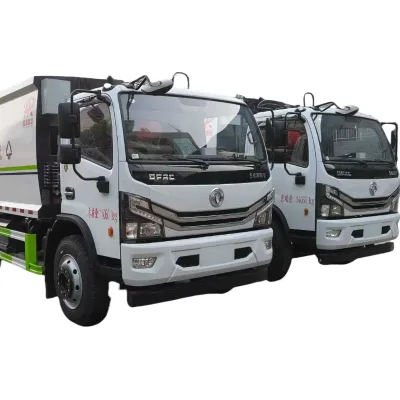
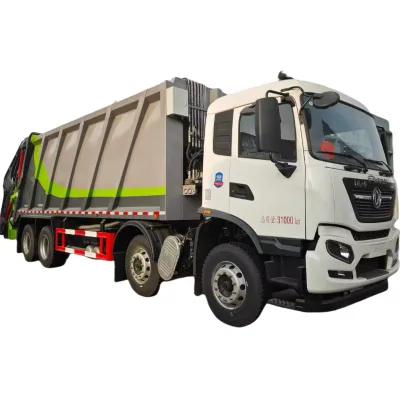
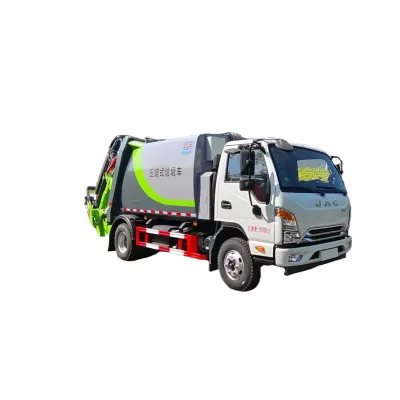
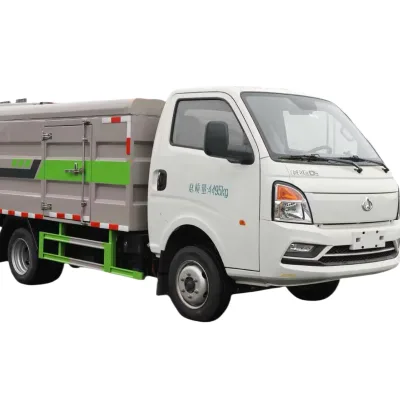
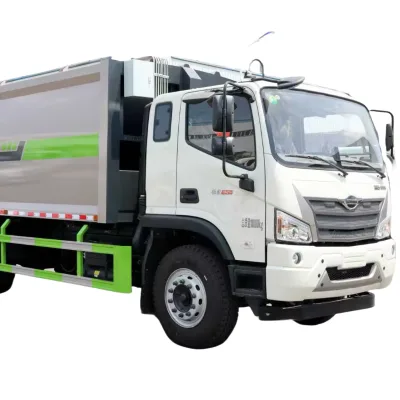


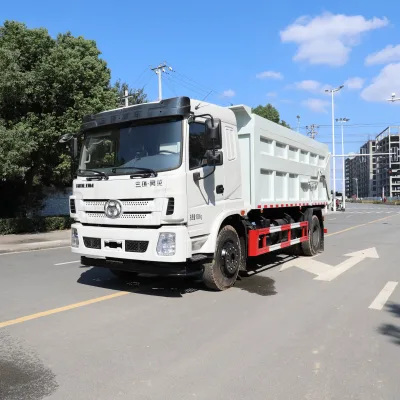


Durable 5cm³ High-Quality Garbage Truck for Efficient Waste Collection
$10000.00 - $20000.00
MOQ: 1 Pieces

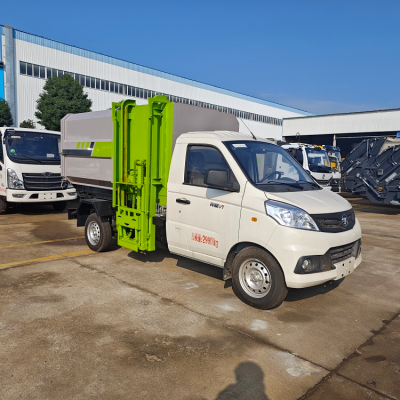
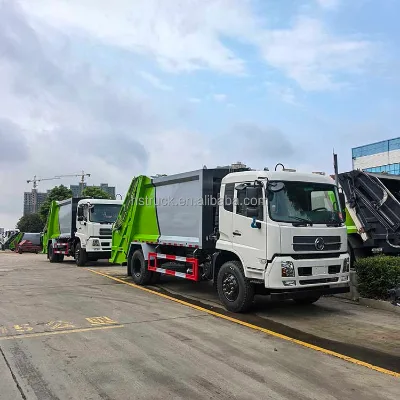
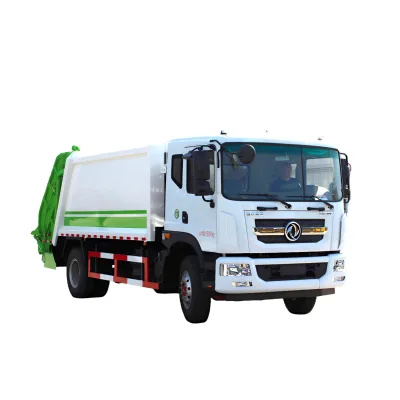
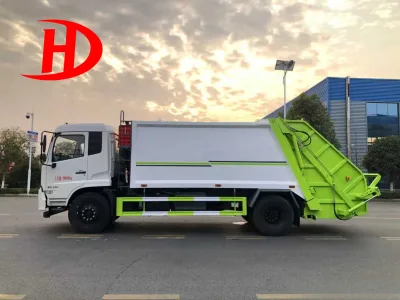

Heavy-Duty Compressed Garbage Truck for Efficient Waste Collection
$45000.00 - $65000.00
MOQ: 1 Pieces
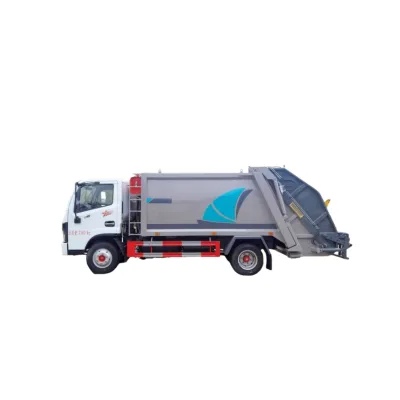
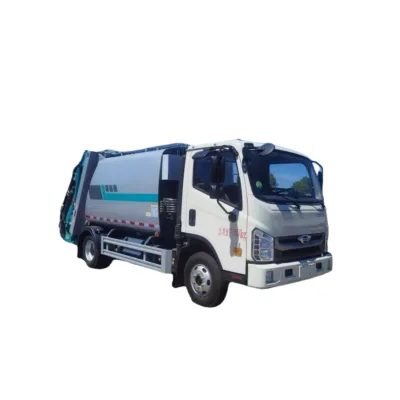

Multi-Functional, Durable and Large-Capacity Garbage Transport Truck
$15000.00 - $40000.00
MOQ: 1 Pieces

China Truck New High Quality Diesel Garbage Truck Garbage Collection Truck for Sale
$16935.00 - $24635.00
MOQ: 1 Pieces
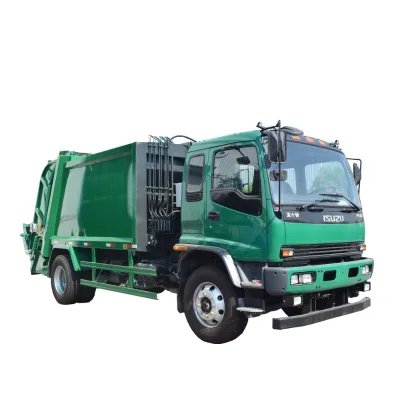
5 Tons Compactor Garbage Truck Waste Collecting Transit Rubbish Truck Dump Garbage Truck
$23104.20 - $23307.76
MOQ: 1 pieces


Comprehensive Sourcing Guide
Euro-3 Diesel Garbage Collection Truck Sourcing Guide
Sourcing heavy-duty sanitation vehicles requires a disciplined approach to technical verification and commercial due diligence. Buyers must navigate a market where specifications vary significantly between manufacturers, particularly when dealing with diesel-powered units intended for municipal or industrial waste management. The following guide provides evidence-based procurement strategies for evaluating euro-3 diesel garbage collection trucks, focusing on observable listing signals, technical verification, and long-term operational viability.
Product Scope and Observed Listing Signals
The current market for diesel garbage trucks presents a wide spectrum of configurations, ranging from compact three-wheeled units to large-scale rear-loading vehicles. Observed listings indicate a price range of $3,580 to $65,000 USD, reflecting the disparity between small electric-assist models and heavy-duty diesel trucks with gross vehicle weights up to 18,000 kg or more. Buyers should note that while some listings advertise "euro-3" compliance, many observed products specify Euro 4 emission standards or generic "Euro Fuel: Diesel" classifications. It is critical to verify the exact emission standard for each specific model number, as mixing up emission tiers can lead to regulatory non-compliance in strict environmental zones.
Listing signals also reveal significant variation in physical dimensions and payload capacities. Observed dimensions span from compact units measuring 5,300 mm in length to large trucks extending 12,000 mm. Gross vehicle weights (GVW) observed in listings range from approximately 6,700 kg to 18,000 kg, with some high-capacity models claiming payloads up to 40 tons. Buyers must cross-reference these observed metrics with their local road weight regulations and waste volume requirements. The presence of customization options, such as adjustable volume capacities (e.g., 4m³ to 8m³) and color choices, suggests that many manufacturers offer tailored solutions, but these customizations often require longer lead times and higher minimum order quantities.
Technical Specifications to Verify
Transmission type and engine configuration are primary differentiators in diesel garbage truck procurement. While many observed diesel models utilize manual transmissions, some listings indicate automatic options, particularly for newer or specialized chassis. Buyers must verify the transmission type for each specific model number, as this impacts driver training requirements and maintenance complexity. Additionally, the fuel type is consistently listed as diesel for the heavy-duty segment, but buyers should confirm the engine displacement and power output to ensure the vehicle can handle the intended load and terrain. The material composition, often cited as high-strength lightweight steel, is crucial for maximizing payload efficiency without exceeding legal weight limits.
Dimensional accuracy and model specificity are essential for logistical planning and operational fit. Observed model numbers, such as CLW5038YS3 or CLW5314YS3, correspond to specific dimensional profiles and weight classes. For instance, a model with a GVW of 6,700 kg typically measures around 7,200 mm in length, whereas a 18,000 kg GVW model may extend to 12,000 mm. Buyers should request detailed technical drawings for the exact model number they intend to purchase, rather than relying on generic category descriptions. Verifying the tire specifications, such as 7.50-16LT, is also necessary to ensure compatibility with local road conditions and replacement part availability.
Compliance and Safety Documentation
Emission compliance is a critical regulatory hurdle for diesel vehicles. While some observed listings explicitly state Euro 4 standards, the core keyword focuses on Euro-3 compliance. Buyers must obtain official certification documents from the supplier to prove that the specific vehicle meets the Euro-3 emission standard required by their local environmental regulations. Relying on generic "Euro Fuel" labels is insufficient for regulatory approval. Additionally, buyers should inquire about other relevant certifications, such as ISO 9001 for manufacturing quality or CE marking for safety components, although these are often listed as background information rather than guaranteed product attributes.
Safety and operational documentation must be comprehensive to ensure safe deployment. Buyers should verify that the supplier provides detailed operation manuals, maintenance schedules, and safety warnings specific to the hydraulic lifting mechanisms and compaction systems. The presence of features like "sealed" usage designs indicates efforts to prevent leakage and odor, which are critical for urban sanitation. Buyers must also confirm that the vehicle meets local road safety standards, including lighting, braking systems, and visibility requirements, as these are not always detailed in standard product listings.
Cost Drivers and Commercial Terms
The price range of $3,580 to $65,000 USD reflects significant variations in vehicle size, capacity, and feature sets. Key cost drivers include the gross vehicle weight, engine power, and the complexity of the waste compaction mechanism. Larger trucks with higher GVWs and greater volume capacities naturally command higher prices. Buyers should also consider the cost of customization, such as specific color schemes or volume adjustments, which may incur additional fees. It is important to distinguish between the base vehicle price and the cost of optional accessories or specialized bodies.
Commercial terms, including minimum order quantities (MOQ) and payment structures, vary by supplier. Observed listings often show an MOQ of 1 unit, indicating that single-unit purchases are feasible, but buyers should confirm this for customized models. Payment terms typically involve a deposit and balance upon shipment or against documents. Buyers should also factor in logistics costs, as shipping a 12,000 mm truck requires specialized container or bulk shipping arrangements. Understanding the total landed cost, including duties and taxes, is essential for accurate budgeting and avoiding unexpected expenses upon delivery.
Supplier Qualification and Quality Control
Supplier location and after-sales support are critical factors in long-term vehicle ownership. Most observed suppliers are located in Hubei, China, a major hub for commercial vehicle manufacturing. Buyers should verify the supplier’s ability to provide comprehensive after-sales services, including onsite installation, overseas call centers, and video technical support. The availability of free spare parts and field installation training is particularly valuable for reducing downtime and ensuring proper vehicle operation. Buyers should prioritize suppliers who offer robust support networks in their target market.
Quality control measures should be rigorously assessed before placing orders. Buyers should request evidence of manufacturing standards, such as ISO 9001 certification, and inquire about the testing procedures for hydraulic systems and chassis integrity. Visiting the manufacturing facility or hiring a third-party inspection service can provide valuable insights into production quality. Additionally, buyers should verify the supplier’s reputation through customer reviews and references, ensuring they have a track record of delivering reliable vehicles. Clear communication channels, such as WhatsApp or WeChat, can facilitate ongoing dialogue and issue resolution.
Long-Term Procurement Checks
Maintenance and spare parts availability are paramount for minimizing operational disruptions. Buyers should establish a clear supply chain for critical spare parts, such as hydraulic pumps, filters, and brake components, before the vehicle enters service. Confirming the availability of these parts in the buyer’s region or through reliable international shipping is essential. Suppliers that offer online support and video technical assistance can help local mechanics perform routine maintenance and repairs, reducing reliance on specialized technicians.
Lifecycle cost analysis should extend beyond the initial purchase price to include fuel efficiency, maintenance frequency, and resale value. Diesel garbage trucks are capital-intensive assets, and their long-term profitability depends on reliable performance and low operating costs. Buyers should evaluate the vehicle’s fuel consumption rates and the durability of its compaction mechanism. Regular inspections and adherence to the manufacturer’s maintenance schedule are crucial for extending the vehicle’s lifespan and maintaining its resale value. Continuous engagement with the supplier for updates and improvements can also enhance long-term procurement outcomes.
FAQs
What emission standards do the diesel garbage trucks meet?
The diesel garbage trucks listed meet Euro 4 emission standards. Some product entries also reference Euro Fuel standards with diesel fuel types, ensuring compliance with regional environmental regulations for heavy-duty sanitation vehicles.
Which transmission types are available for these garbage trucks?
Available transmission types include both manual and automatic options depending on the specific model. Buyers can select between manual gearboxes for traditional control or automatic systems for enhanced operational ease in urban sanitation tasks.
Can I customize the color and dimensions of the truck?
Yes, customization is available for both color and dimensions. Buyers can choose from white, blue, or green options, and specific dimensions vary by model, ranging from compact 5300mm lengths to larger 12000mm configurations.
What after-sales services are provided for these vehicles?
Comprehensive after-sales services include onsite installation, video technical support, and overseas call centers. Additional support covers return and replacement policies, field installation, commissioning, training, and the provision of free spare parts for maintenance.
What is the gross vehicle weight range for these trucks?
The gross vehicle weight ranges from 6700 kg to 18000 kg across different models. Specific models like the CLW5038YS3 weigh 6700 kg, while larger variants such as the CLW5314YS3 reach up to 18000 kg for heavy-duty hauling.
Where are these garbage trucks manufactured and shipped from?
These trucks are manufactured in Hubei, China, and shipped from there. The products originate from Chinese factories and are typically packed in shipping containers for international delivery to global sanitation and industrial clients.